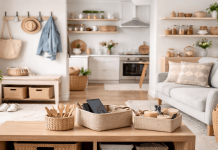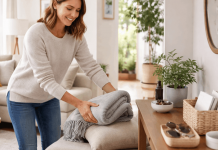
This guide focuses on practical how-to strategies for areas that tend to collect clutter, slow you down, or require constant reorganization.
Each section breaks problems into manageable actions you can apply immediately without buying special systems.
Most Common Poblem Areas
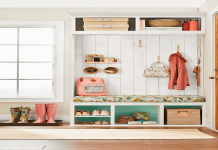
- Entryway and Drop Zones: This area collects shoes, bags, keys, mail, and coats every day. Clutter builds fast because items are dropped instead of stored. Lack of limits turns this space into a spillover zone.
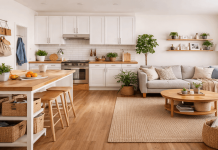
- Kitchen Countertops and Cabinets: Kitchens mix daily-use items with occasional tools. Counters attract appliances, papers, and random objects. Cabinets become overcrowded when storage does not match habits.
- Pantry and Food Storage: Food packaging varies in size and shape. Expired or duplicate items hide behind newer ones. Without zones, items get lost and overbought.
- Closets and Wardrobes: Closets store too many categories in one place. Seasonal clothes compete with everyday outfits. Accessories and small items lack defined storage.
- Bathroom Storage Areas: Bathrooms contain many small personal-care items. Under-sink spaces mix cleaning supplies and toiletries. Limited surface space increases visible clutter.
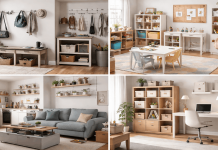
- Living Room and Shared Spaces: Items from multiple people collect here. Electronics, decor, and daily-use objects overlap. Clutter grows when no one owns cleanup responsibility.
- Paper and Documents: Mail, receipts, and paperwork arrive constantly. Most paper is kept “just in case.” Lack of a processing routine leads to piles.
- Laundry Areas: Clean clothes wait to be put away. Supplies stack up without clear storage. The space becomes a temporary holding zone.
- Storage Closets and Junk Drawers: These areas absorb items without a home. Decisions are postponed instead of resolved. Over time, they become hard to use at all.
Entryway and Drop Zones
The entryway sets the tone for how clutter spreads throughout the rest of the home.
When this area is disorganized, items tend to migrate into other rooms.
A clear system here reduces daily stress and saves time when leaving or returning home.
Small changes make a noticeable difference because this space is used multiple times a day.
Shoes, Bags, and Outerwear
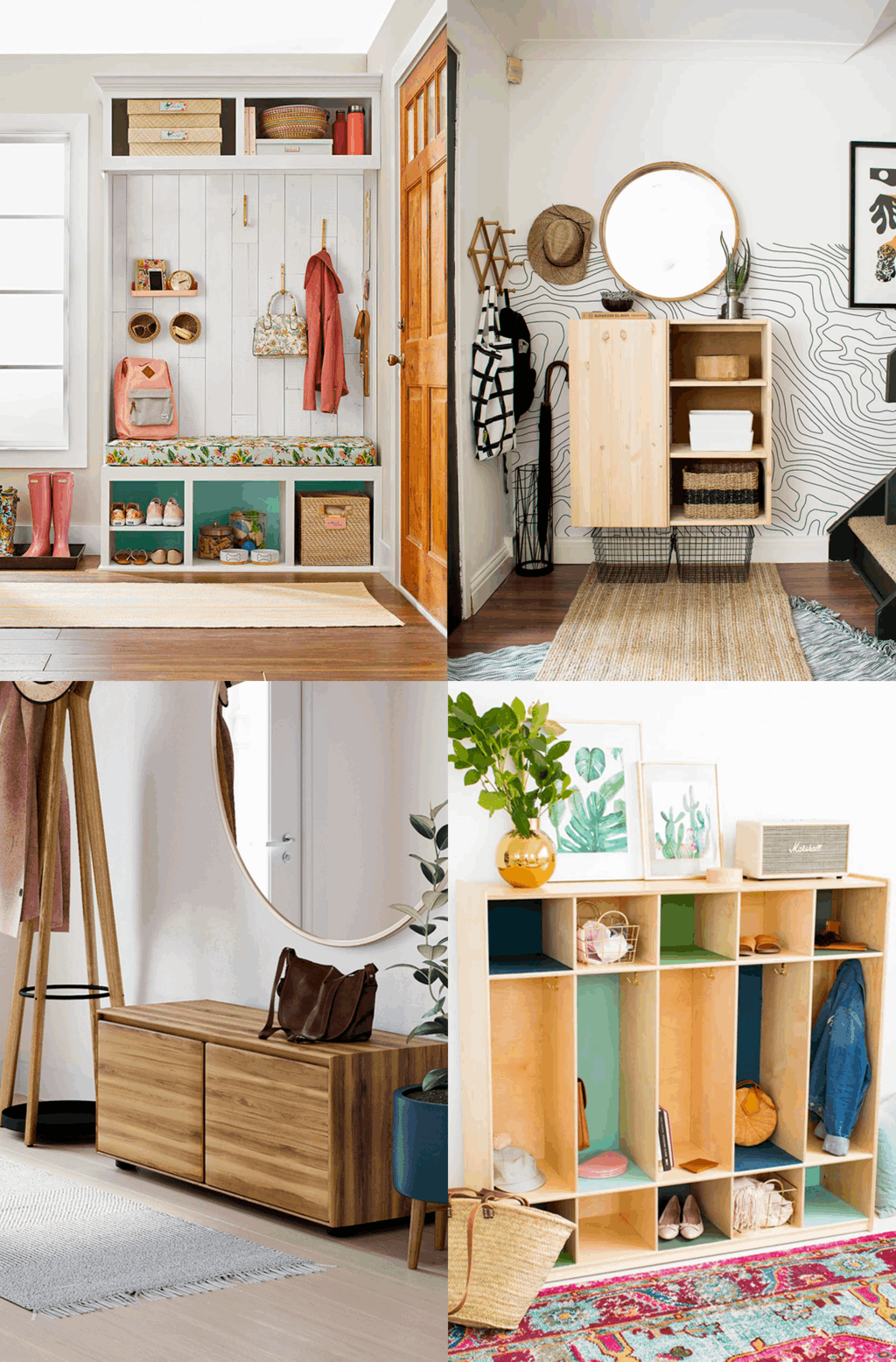
Shoes pile up when there is no clear limit or assigned storage. Use vertical storage or shallow bins to keep pairs visible and easy to access.
Limit this area to daily-use items to prevent overflow.
Mail, Keys, and Small Essentials
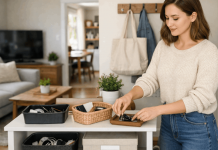
Loose papers and small objects create visual clutter quickly. Assign one container for incoming mail and one hook or tray for keys.
Process mail daily to prevent buildup.
Seasonal Rotation
Off-season items crowd the space unnecessarily. Store rarely used coats or accessories elsewhere during warm months.
Rotate items at the start of each season to reset the area.
Kitchen Cabinets and Countertops
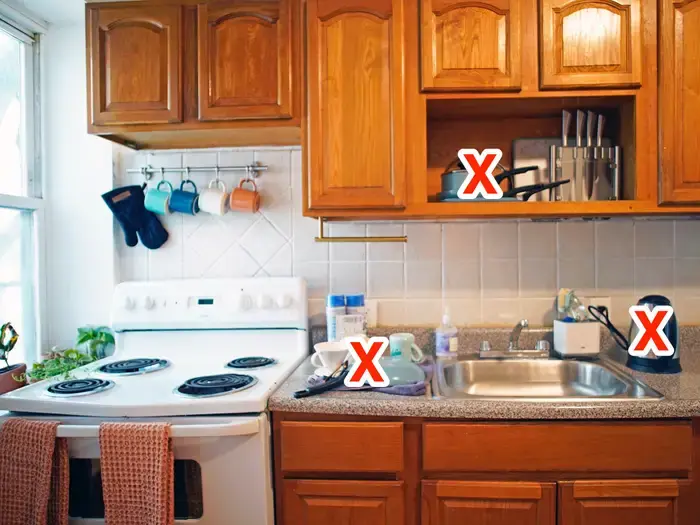
The kitchen becomes chaotic when storage does not match daily habits. Most clutter comes from items used occasionally but stored in prime locations.
Organizing by frequency of use simplifies cooking and cleanup. The focus should be access, visibility, and easy resets.
Cabinets and Drawers
Overfilled cabinets make it hard to find what you need. Group items by function instead of size or appearance.
Pantry and Food Storage
Pantries fail when categories are unclear. Use simple zones like snacks, staples, and cooking ingredients.
Keep labels optional but consistent to maintain order.
Countertop Control
Too many items on counters create visual noise. Keep only daily-use appliances or tools visible.
Store everything else within one step of reach.
Closets and Clothing Storage
Closets feel overwhelming when they are used as storage instead of systems. Most clothing clutter comes from poor categorization, not volume.
A well-managed closet reduces decision fatigue.
Everyday Clothing
Daily outfits should be the easiest items to access. Group clothing by type and then by frequency of wear.
Seasonal and Occasional Wear
Out-of-season clothes take up valuable space. Store them in labeled bins or higher shelves. Review these items twice a year to reassess usefulness.
Accessories and Small Items
Accessories often disappear without defined storage. Use shallow drawers, dividers, or hanging organizers.
Keep items visible to avoid overbuying duplicates.
Bathroom Storage and Surfaces
Bathrooms become cluttered due to small items and limited space. Organization here depends on containment and strict limits.
Daily-use products should be separated from backups and rarely used items. Clean surfaces make the room easier to maintain.
Under-Sink Storage
Under-sink areas are often chaotic due to mixed categories. Use bins to separate cleaning supplies, backups, and personal items.
Keep items upright to prevent spills and wasted space.
Vanity and Countertops
Too many products lead to constant mess. Limit counters to essentials used every day. Store extras in drawers or cabinets nearby.
Towels and Toiletries
Loose towels and toiletries create bulk. Fold towels uniformly and stack by size or purpose. Keep travel and guest items stored separately.
Living Room and Shared Spaces
Shared spaces suffer when items lack clear ownership. Clutter accumulates when items are left “for later.”
Defined zones prevent slow buildup over time. The key is easy cleanup and shared responsibility.
Media and Electronics
Cables and devices easily take over surfaces. Group electronics into one designated storage area. Use cord organizers to reduce visual clutter.
Books, Decor, and Display Items
Too many display items overwhelm shelves. Limit decor to what fits comfortably in the space.
Rotate items occasionally to keep the area fresh.
Multi-Purpose Storage
Shared spaces often serve multiple functions. Use storage that supports those uses without hiding everything.
Choose containers that are easy to open and return items to.
Paper, Documents, and Small Clutter
Paper clutter creates mental load more than physical mess. Most paper only needs temporary storage.
Clear rules prevent stacks from forming. Digital alternatives can reduce volume significantly.
Important Documents
Vital documents should be easy to locate. Store them together in a labeled folder or file box. Review annually to remove outdated papers.
Everyday Paper
Receipts and notes pile up quickly. Designate one intake spot for all incoming paper. Empty this spot weekly to maintain control.
Small Miscellaneous Items
Small items become clutter when scattered. Group them by category and store in containers.
Avoid storing single items without a clear purpose.
Building Sustainable Organization Habits
Organization fails when systems are too complex. Simple routines keep spaces functional over time.
Maintenance should take minutes, not hours. Consistency matters more than perfection.
Conclusion
In most homes, the biggest problem areas are the spaces you touch every day, like the entryway, kitchen, closets, bathroom storage, and paper zones.
They get messy quickly because they collect many small items and often lack a clear “put it back” routine.
The most effective fix is to choose one area, set simple limits, and create easy-to-reset storage that matches how you actually live.