
Care & Maintenance

Everyday Maintenance Habits That Save Money: Simple Care Routines For Busy Homes

Busy days make it easy to postpone small home tasks, but those small delays can turn into repairs, replacements, and extra cleaning later.

The most useful everyday maintenance habits that save money are simple actions that prevent moisture, residue, grit, and storage pressure from damaging what you already own.

This guide is for people who want to protect their home without spending weekends catching up on chores. The goal is not a perfect-looking space, but a home that stays functional and costs less to maintain.
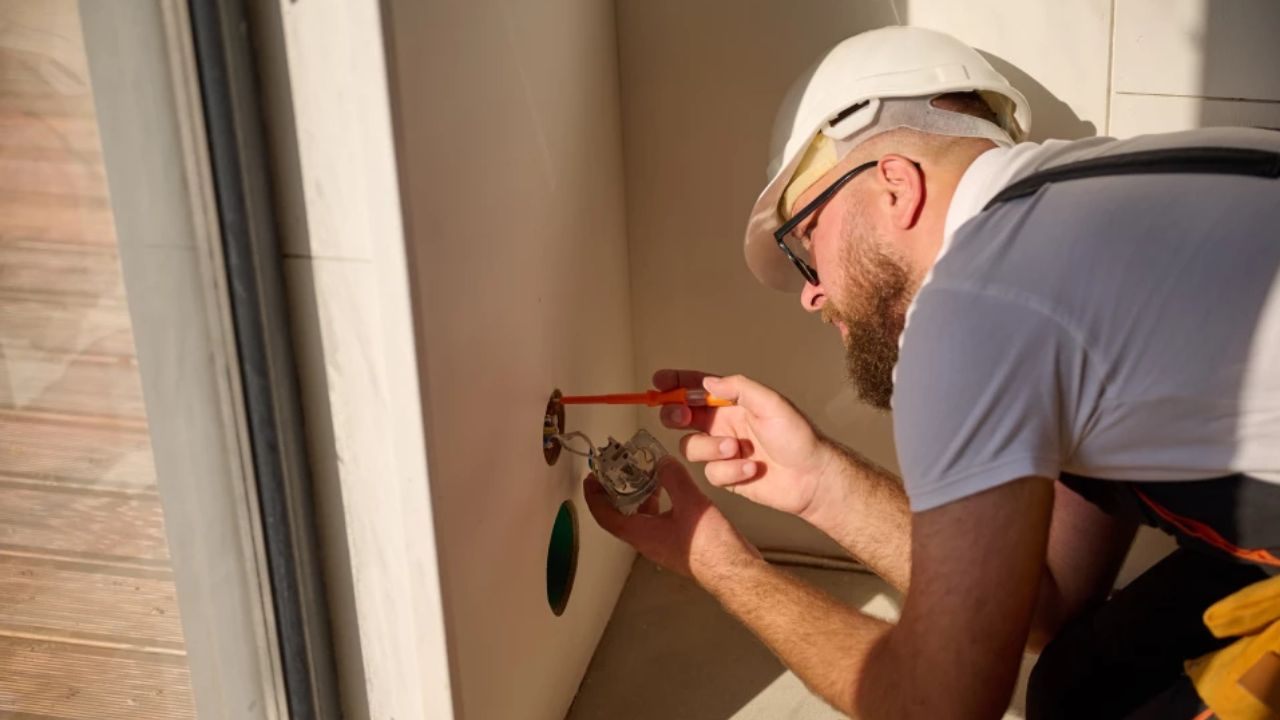
Everyday Maintenance Habits That Save Money: Simple Care Routines For Busy Homes
Image Source: Space Homes

Look for the Small Triggers Behind Expensive Problems

Most household damage starts with something ordinary. Water sits near a sink seam, grit gets tracked across the floor, residue dries on a handle, or a bin gets packed too tightly. At first, these problems look harmless.

Over time, they create wear that costs money because items need deeper cleaning, repairs, or early replacement.

A better approach is to notice what you keep replacing or fixing. If cabinet edges peel, moisture may be the real issue. If floors look scratched, grit near the entry may be doing more damage than foot traffic itself.

If towels smell musty, the problem may be drying time, not detergent. Connecting the damage to the cause helps you choose one habit that matters.

Everyday Maintenance Habits That Save Money: Simple Care Routines For Busy Homes
Image Source: Synovus

Keep Each Habit Short Enough to Repeat

A money-saving habit only works when it is easy to repeat. Keep each step small and attach it to something you already do, such as wiping after cooking, drying after a shower, or checking the entryway when you come home.

If the routine feels too long, it becomes easier to skip. Short actions protect your time and budget.

Supplies should also be close to where the habit happens. A cloth near the kitchen sink, a small bathroom wipe-down kit, or a hand vacuum near the entryway removes the excuse of searching for tools.

When care is convenient, you are more likely to do it before the problem grows. This is where simple setup beats motivation.

Stop Moisture Before It Causes Odor, Rust, or Swelling

Moisture is one of the most expensive problems in a home because it can damage many materials quietly. It can cause swelling under sinks, odor in fabrics, rust on metal, peeling on finishes, and mildew in hidden corners.

By the time the damage is obvious, the fix may already cost more than a quick drying habit would have. That is why moisture control should come first.

Use a Dry-Then-Store Rule

Anything that holds water should dry before it is stored. Towels need to hang open, bottles and containers should sit without lids until the inside is dry, and damp bags or shoes should get airflow before going into a closet.

Closed storage traps moisture and makes odor harder to remove later. This habit reduces rewashing and premature replacement.

The same rule applies in kitchens, bathrooms, and laundry areas. A wet sponge left in the sink, a damp bath mat on the floor, or clothes sitting in the washer overnight can all create smells that require extra work.

Drying first is faster than trying to fix odor later. It also keeps fabrics, surfaces, and storage areas cleaner for longer.

Check Hidden Damp Areas Weekly

Hidden damp zones are the ones that usually cost money because you notice them late. Under the sink, behind the toilet, near washer hoses, and around cabinet seams are worth checking once a week.

Look for softness, dark marks, musty smells, or water that keeps returning. Early checks prevent small leaks from spreading.

When you find moisture, do not just wipe the visible water and move on. Dry the area, improve airflow, and watch whether the dampness returns.

If it does, the source needs attention before it affects surrounding surfaces. This is how you avoid turning a small drip into a larger repair problem.

Remove Residue While It Is Still Easy to Clean

Residue becomes expensive when it hardens into stains, dull film, or grime that needs heavy scrubbing.

Counters, faucets, appliance doors, switch plates, fridge handles, and cabinet edges collect oils and residue quickly because people touch them every day.

A short wipe while the mess is fresh protects the finish underneath. Light cleaning helps prevent scratches, haze, and buildup.
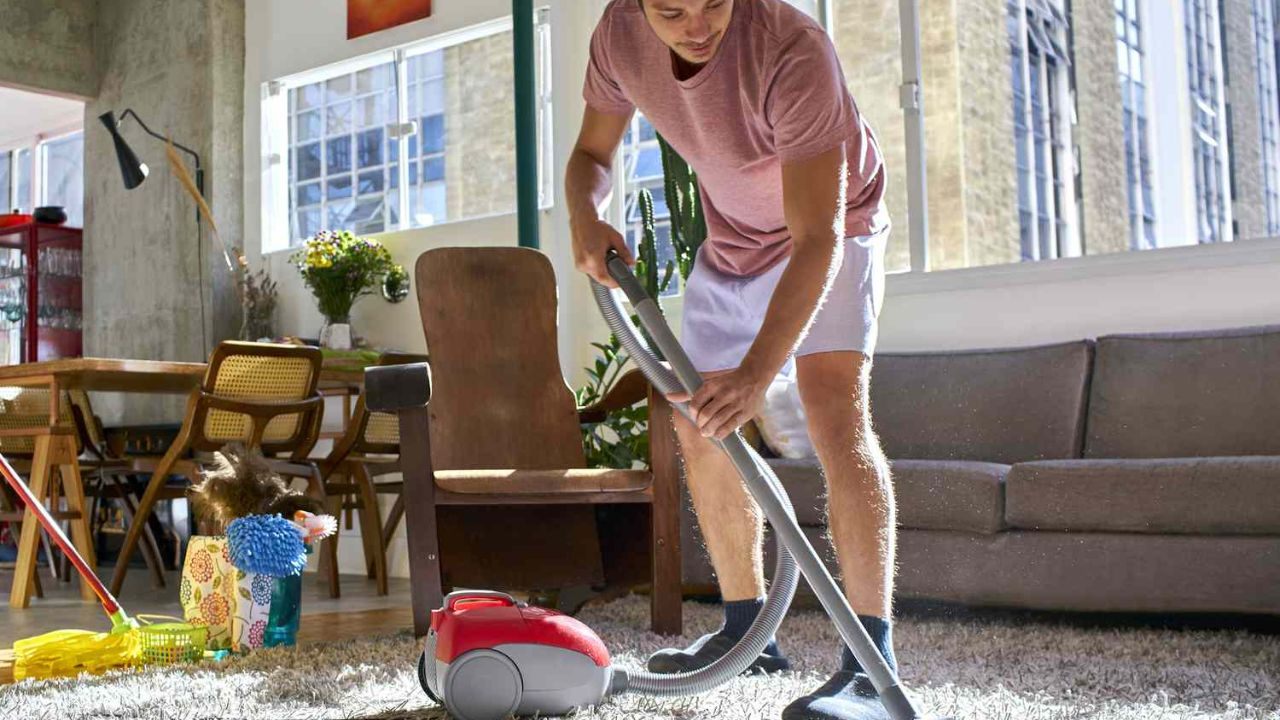
Everyday Maintenance Habits That Save Money: Simple Care Routines For Busy Homes
Image Source: Treehugger

Focus on High-Touch Zones First

High-touch zones are more important than wide open surfaces when time is short. Handles, faucet bases, trash lids, switch plates, and the edge of the fridge often make a room feel dirty even when the rest looks fine.

Wiping these spots first gives faster results than trying to clean the whole room. It also stops grime from spreading.

Use a damp cloth first, then dry the area if it tends to show haze or water spots. Rinse the cloth often so you are not moving residue from one surface to another.

This small habit keeps surfaces smoother and reduces the need for aggressive cleaning later. The less force you use, the longer finishes stay intact.

Blot Spills Before They Set

Spills on rugs, upholstery, and fabric can become costly when they soak in. Blotting quickly is safer than rubbing because rubbing can spread the stain, damage fibers, or push liquid deeper.

Cool water often helps with many common spills, but the key is to act before the mark sets. Fast response protects fabric from permanent stains.

It also helps to test any cleaner in a hidden spot before using it widely. Some products can leave rings, fade fabric, or change texture if they are too strong for the material.

Use small repeated passes instead of soaking the area. Drying with airflow afterward prevents moisture from lingering underneath.

Keep Grit and Friction From Wearing Things Down

Grit is easy to overlook, but it acts like a tiny scratch tool on floors, furniture, rugs, and even storage surfaces. When dirt travels from the entryway into the rest of the home, it slowly dulls finishes and creates scuffs.

The cheapest fix is stopping debris before it spreads. This is why the entryway matters for long-term floor protection.

Treat the entry like a filter. Shake the mat, clear the first few steps inside the door, and keep shoes in one zone instead of letting debris move through the house.

Wet footprints should be wiped quickly because they can leave dull marks on hard floors. A two-minute reset here can reduce larger floor cleaning later.

Furniture contact points also need attention. Chair legs, small tables, stools, and rolling carts can scratch floors when grit gets trapped underneath.

Clean the bottom of contact points occasionally and replace worn pads before they fall off. Preventing friction is usually cheaper than trying to fix scratches after they appear.

When moving furniture or heavy items, clear the path first. Dragging edges across grit can cause sudden gouges that are difficult to undo.

Lift when possible, use protection when sliding, and break heavy loads into smaller trips if needed. Slow movement can prevent damage that happens instantly.

Also read: How to Avoid Neglecting Maintenance

Store Items So They Do Not Break or Disappear

Storage is part of maintenance because poor storage creates replacement costs. Items break when they are hard to reach, bins crack when they are overfilled, and useful tools become useless when a small part disappears.

A good system does not need to look perfect. It needs to keep items complete and accessible.

Store by Frequency of Use

Daily items should be easy to grab without digging. Keep them at a comfortable height, avoid tall stacks, and store heavier items where they will not fall or strain shelves.

Less-used items can go higher, lower, or deeper, as long as they stay grouped. Easy access prevents drops, chips, and cracks.

This also applies to pantry and household supplies. Staples, refills, tools, and daily-use items should be visible enough that you do not buy duplicates.

When you can see what you already own, you waste less money and less space. Storage works best when it follows real household habits.

Keep Sets and Accessories Together

Many items are replaced even though the main piece still works. The problem is often a missing cord, lid, attachment, battery cover, or small accessory.

Store cords with devices, lids with containers, and attachments with the tools they belong to. Keeping sets together prevents unnecessary duplicate purchases.

A container, pouch, drawer divider, or labeled bin can be enough. The system only needs to make it obvious where the item returns after use.

If several people share the space, labels can reduce confusion and keep the routine consistent. Complete sets save money because they keep working items usable.

Avoid Stacking Pressure That Warps Items

Stacking pressure damages plastics, boxes, soft packages, lids, and storage bins over time. Heavy items should sit at the bottom, and lids should close without being forced.

Flat items may last longer standing upright with support instead of being buried under weight. Good weight placement protects shape, seals, and structure.

If a shelf bows, a lid bends, or a drawer needs force to close, the storage system is already creating wear. Spread items across more than one space before the damage becomes permanent.

Storage should make items easier to use, not harder to remove. When things fit without pressure, they last longer with less effort.

Conclusion: Make Small Maintenance Fit Busy Weeks

The best maintenance plan is not the longest one. It is the one you can still do when your schedule is full.

Choose one moisture habit, one residue habit, one entryway habit, and one storage habit, then keep each one short. These small actions protect the items you already paid for.

You do not need to upgrade every product or create a perfect system. Use extra tools only when they remove friction from a task you already need to do.

Start where the cost of neglect shows up most often, such as damp towels, scratched floors, sticky handles, or missing parts. Over time, everyday care helps you replace less, repair less, and worry less about preventable damage.