
Wear and tear is part of normal use, but it does not have to turn into constant repairs, downtime, or safety risks.
The best way to manage it is through small maintenance habits that catch early signs before they become expensive problems.
This applies to equipment, vehicles, buildings, and even everyday work routines where repeated use slowly creates strain.
A practical maintenance plan does not need to be complicated. It needs clear inspection points, realistic service intervals, and people who know what to report.
When teams act early, they protect safety, budgets, and schedules without over-servicing assets that do not need attention yet.
What Wear and Tear Actually Means
Wear and tear is the gradual decline that happens through regular use. It comes from friction, heat, vibration, age, pressure, moisture, or repeated movement.
Tire tread thinning, belts cracking, bearings loosening, and flooring wearing down are all examples of normal deterioration.
This is different from sudden damage. Wear usually builds slowly and can often be planned for, while damage often comes from accidents, misuse, poor handling, or neglect.
Knowing the difference matters because it affects maintenance budgets, warranty expectations, responsibility, and how quickly a repair needs to happen.
Why Wear Gets Worse When It Is Ignored
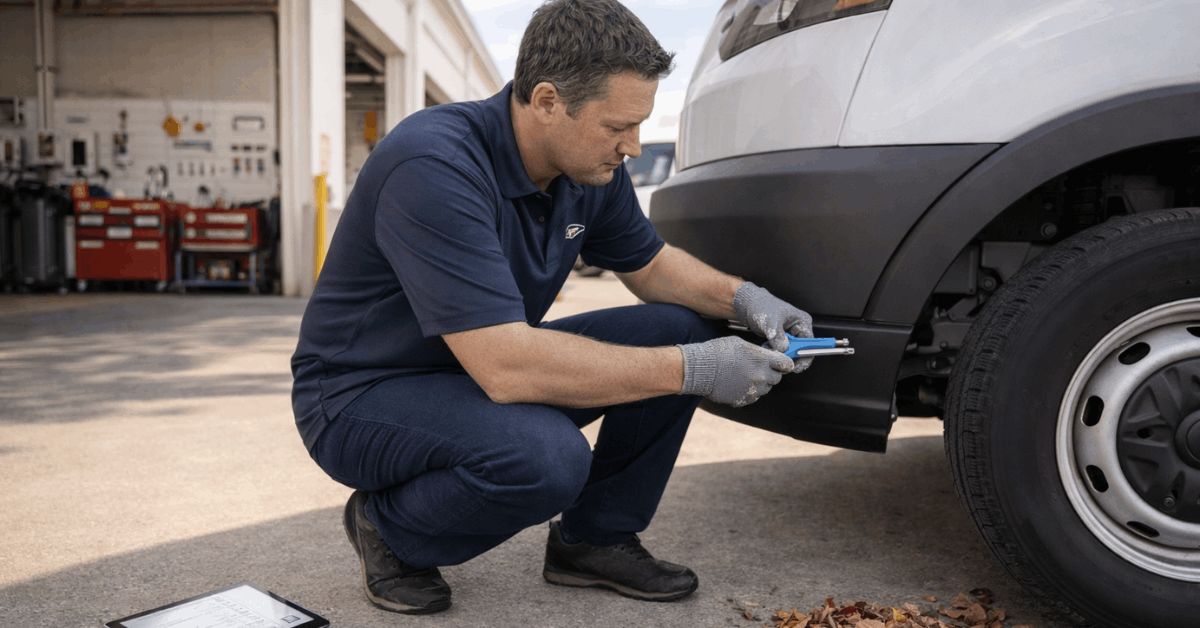
Small wear problems rarely stay small. A worn bearing can create vibration, affect alignment, damage seals, and eventually cause equipment failure.
A cracked belt, clogged filter, loose fastener, or weak tire can create much larger issues if no one catches it early.
The same pattern happens in buildings and vehicles. A dirty HVAC filter can increase energy use, worn brake pads can damage rotors, and small roof issues can lead to water damage. Early maintenance works because it stops secondary problems from spreading.
Common Areas Where Wear Shows Up First
Wear usually appears first in parts that move, carry weight, handle heat, or get touched often. In manufacturing, this often means bearings, gears, rollers, belts, cutting tools, and conveyor parts. These components should be treated as wear items, not surprises.
In fleet maintenance, the most common areas are tires, brakes, fluids, filters, belts, and spark plugs.
Mileage, driving style, load, and road conditions can all change how quickly parts wear down. A fixed reminder system helps prevent missed service and unexpected failures.
Facilities show wear more quietly, but the impact can still be expensive. HVAC belts, filters, flooring, carpets, paint, roofing, plumbing, and elevator parts all need routine attention.
Small building issues can become safety, comfort, or compliance problems when they are left too long.
How Proactive Maintenance Reduces Risk
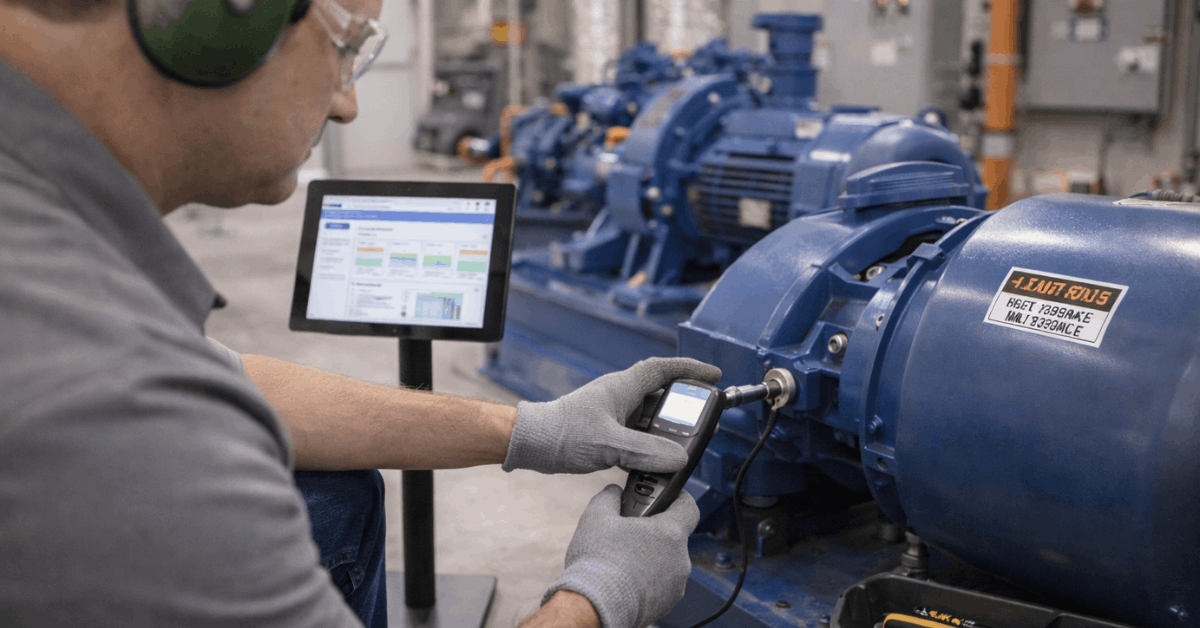
Proactive maintenance works because it turns surprise failures into planned work. Instead of waiting for something to break, teams inspect, service, clean, lubricate, calibrate, and replace parts before failure spreads. This protects operations and makes costs more predictable over time.
Good maintenance starts with routine inspections. Daily or weekly checks can catch leaks, unusual heat, strange noise, loose parts, vibration, low fluid levels, and visible wear. These checks do not need to be long, but they must be consistent and easy to document.
Condition monitoring can also help when equipment is expensive or critical. Vibration checks, thermal readings, oil analysis, and leak detection can reveal issues before they are visible.
The goal is not to collect data for the sake of it. The goal is to know when action is needed before downtime hits.
A Simple Maintenance Checklist That Works
A short checklist is useful when teams need a repeatable way to catch early problems. Keep it focused on the issues most likely to cause failure, cost, or safety concerns.
- Check for leaks, heat, vibration, or unusual noise.
- Inspect belts, filters, tires, hoses, and wear parts.
- Confirm lubrication, alignment, and calibration needs.
- Record defects, repairs, and repeated problems.
- Review service intervals based on real use.
This checklist should not become paperwork that no one uses. It should help technicians, operators, or managers notice problems faster and make better decisions. If the same issue appears repeatedly, the schedule or procedure may need to change.
Use Service Intervals Without Following Them Blindly
Service intervals are useful, but they should match actual use. Some assets need time-based maintenance, such as monthly HVAC checks or seasonal inspections.
Others need usage-based service, such as oil changes after mileage, filter changes after run hours, or part replacement after a set number of cycles.
The mistake is treating every asset the same. Equipment under heavy load, heat, dust, moisture, or constant use may need closer attention.
Equipment used lightly may not need the same frequency. A strong plan adjusts intervals using real evidence, not habit.
Avoid Over-Maintenance
Preventive maintenance can also go too far. Replacing parts too early, opening equipment too often, or scheduling unnecessary downtime can waste money and create new errors. Maintenance should reduce risk, not become another source of disruption.
To avoid this, rank assets by importance. Start with equipment that affects safety, production, comfort, compliance, or revenue.
Review failure history, repair costs, and downtime patterns before expanding the plan. This keeps the system lean and useful.
Digital Tools Can Help, But Only If They Stay Simple
Maintenance software can make tracking easier when teams have many assets, locations, or service schedules.
A CMMS can store work orders, service history, parts usage, photos, and technician notes. It can also send reminders so important tasks are not missed.
Still, the tool should support the routine, not replace good judgment. If the system becomes too complex, teams may stop using it properly.
The best setup is one that helps people report issues quickly, close work orders accurately, and see repeat failures clearly.
Also read: Care and Maintenance Tips That Actually Work
Wear and Tear Also Applies to People
Wear and tear is not only a machine problem. Repetitive movement, poor posture, heavy loads, and weak recovery can also lead to overuse injuries.
Workers, athletes, and anyone doing repeated physical tasks need routines that protect long-term function.
Stretching, proper form, rest, hydration, and gradual workload increases can reduce strain. Warning signs like persistent pain, swelling, numbness, or reduced movement should not be ignored.
When symptoms keep returning, it is better to adjust the activity or seek professional guidance before the issue becomes harder to manage.
Build a Maintenance Plan That People Will Actually Use
A maintenance plan works best when responsibilities are clear. Operators should know what to inspect, technicians should know what requires action, and managers should know which issues affect safety, cost, or scheduling. Clear handoffs prevent small defects from being lost between shifts.
Start with the assets or activities that already cause the most problems. Track what fails, how often it fails, and what it costs when it fails.
Then adjust inspections, parts stocking, training, or service intervals based on what the data shows. This makes maintenance more practical and trustworthy.
Last Thoughts
Wear and tear cannot be eliminated, but it can be controlled. Regular inspections, clear service routines, and early corrections help protect equipment, facilities, vehicles, and people from avoidable failure. The goal is not to maintain everything constantly. It is to maintain the right things at the right time.
Start where failures already happen most often. Fix the small issues first, document what changes, and expand only when the routine proves useful.
A simple, evidence-based maintenance plan keeps work safer, costs steadier, and assets reliable longer.