Simple maintenance for daily living works best when it focuses on the small problems that create the most stress at home.
Odors, buildup, clutter, and everyday wear usually start quietly, then become harder to fix when ignored. A good routine keeps these issues easy to control before they turn into expensive or time-consuming problems.
You do not need a complicated cleaning system to keep your home in better shape. You need a few repeatable habits that fit into your normal day.
When the steps are short and clear, it becomes easier to stay consistent without feeling like home maintenance is taking over your schedule.
Why Small Home Problems Grow Quickly
Small home problems grow because they usually repeat in the same places. A damp towel can create odor, a sticky handle can collect grime, and a crowded counter can make every cleanup slower. These issues are not difficult at first, but delay adds extra effort.
The best approach is to fix the problem while it is still small. Wiping one surface, drying one towel, clearing one drop zone, or rinsing one container can prevent bigger work later. A short action done early often saves more time than a long cleanup done after the mess spreads.
Build a Two-Minute Reset You Can Repeat
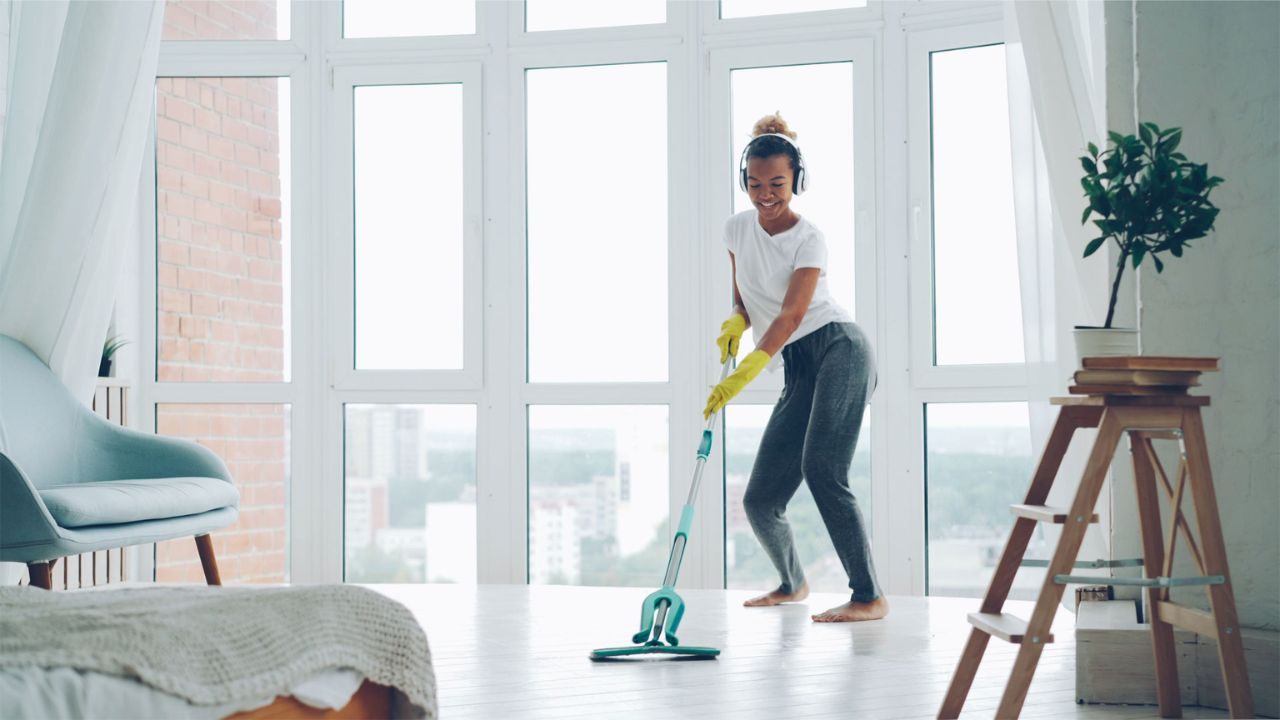
A two-minute reset is one of the simplest ways to keep daily maintenance realistic. Put items back, wipe one surface, remove visible moisture, and stop when the timer ends. The goal is not to finish the whole room. It is to keep the space under control.
This works because it removes the pressure to clean perfectly. You are only handling the most visible or annoying issue of the moment.
Over time, repeating the same quick reset helps your home feel calmer without requiring a large block of time.
Control Odors by Fixing the Source
Odors usually come from moisture, residue, or items left too long in closed spaces. Fragrance may hide the smell for a while, but it does not solve the reason it keeps returning. Drying, airflow, and quick cleanup are usually more useful than simply adding strong scents.
Keep Fabrics Dry
Towels, bedding, gym clothes, and laundry can smell musty when they stay damp too long. Hang towels open, remove wet clothes from the washer quickly, and avoid leaving sweaty items in bags or baskets. Fast drying helps prevent rewash cycles and keeps fabrics fresher longer.
Watch Kitchen and Trash Areas
Kitchen odors often start around the trash rim, sink edge, or food containers. Empty trash before it overflows, wipe the lid and surrounding area after bag changes, and rinse containers before throwing them away. These small habits stop residue from spreading and keep the kitchen more pleasant.
Prevent Buildup Before It Needs Scrubbing
Buildup forms when soap, oils, minerals, and fingerprints dry on surfaces. The longer it sits, the harder it becomes to remove.
Light cleaning works better when it happens early, especially around handles, faucets, appliance buttons, and areas near water.
Use a damp cloth first before reaching for stronger cleaners. A quick wipe can remove sticky film before it collects dust or turns into grime.
Rinsing and drying also matter because leftover cleaner or water spots can attract more dirt and make surfaces look dirty again.
Mineral film around faucets and shower edges should be softened, not attacked with harsh scrubbing. Scraping too hard can dull finishes or create scratches. A gentle routine protects surfaces while keeping them cleaner longer.

Reduce Clutter So Cleaning Takes Less Time
Clutter makes maintenance harder because every task starts with moving things out of the way. Clear surfaces are faster to wipe, easier to inspect, and less stressful to use. The goal is not an empty home, but fewer items sitting in places where they slow down daily care.
A simple drop zone can prevent everyday items from spreading across the house. Use one tray, basket, or shelf for keys, wallet, earbuds, mail, or small daily items. Reset that spot at night so it does not turn into another pile.
Paper clutter also needs a clear place to go. Keep one folder or tray for mail, receipts, and documents that need attention.
Sort it once a week, remove what is no longer needed, and keep important papers in one place. This protects documents and keeps counters visibly clearer.
Protect Floors, Fabrics, and High-Touch Areas
Wear and tear often comes from repeated friction, not major damage. Chairs dragging across floors, rugs shifting, cushions being used in the same position, and hands touching the same cabinet edges can all create slow wear. Small adjustments can protect your home without adding many chores.
Rotate rugs and cushions every few months so one area does not take all the pressure. Clean under furniture contact points before they scratch the floor. Lift furniture instead of dragging it when possible, especially on wood, tile, or vinyl surfaces.
High-touch edges also need attention. Cabinet corners, drawer fronts, handles, and shelf edges collect oils and wear faster than other areas. Keeping them clean and dry reduces rubbing damage and helps finishes last much longer.
Also read: Care and Maintenance Tips That Actually Work

One Simple Checklist for Daily Maintenance
Use this short checklist when your home starts to feel harder to manage. It keeps the focus on small actions instead of full-room cleaning.
- Dry one damp item before it causes odor.
- Wipe one sticky or wet surface.
- Clear one drop zone or counter.
- Put one misplaced item back.
- Check one high-use area for wear.
This checklist works because it targets the problems that usually create the most maintenance later.
You are not trying to clean everything. You are preventing odor, buildup, clutter, and damage from becoming larger tasks.
Keep the Routine Small Enough to Repeat
A home stays easier to manage when maintenance feels realistic. If the routine becomes too long, you will avoid it on busy days. Keep the daily version short, then save deeper cleaning or repairs for weekly or monthly checks.
Start with the one issue that bothers you most. If odors are the problem, focus on drying and airflow. If buildup is the problem, focus on wiping earlier.
If clutter slows you down, reduce what stays on surfaces. One clear focus keeps the routine simple and useful.
Make Daily Maintenance Easier Over Time
Simple maintenance for daily living works because it prevents small problems from growing. Odors, buildup, clutter, and wear are easier to manage when you handle them early and consistently. Small habits protect your home without demanding major cleanups every day.
Start with one two-minute reset and repeat it in the area that causes the most frustration. Over time, these small actions help your home stay cleaner, calmer, and easier to maintain.