A good home routine does not need to feel like another job. Most household items last longer when you focus on small habits that repeat easily, especially in the rooms you use every day.
This guide is for people who want to reduce odors, wear, clutter, and unnecessary replacements without buying too many products or following a complicated schedule. The goal is simple care that fits into normal life.

Make Kitchen Care Easier by Preventing Mess Early
Kitchen maintenance becomes easier when you stop problems before they turn into sticky buildup, rust, or food waste.
Instead of trying to clean every surface perfectly, focus on the areas that affect daily cooking: the sink, sponge, towels, pans, knives, fridge, and pantry.
These are the places where small problems show up first. A few steady habits can keep the kitchen usable without turning cleanup into a long task.
Keep Sponges and Towels From Holding Odor
After washing dishes, the sponge and towel often decide whether the kitchen smells clean or stale. Rinse the sponge, squeeze out the water, and store it upright so air can move around it. Towels should be hung fully open instead of bunched on a hook or left near the sink. Drying is usually more effective than trying to cover odor later, because moisture is the real problem.
Sponges also need to be replaced before they become unpleasant to use. Stretching them too long can spread smells and residue back onto clean surfaces. Kitchen towels should be washed before the odor becomes strong, especially if they are used around food, counters, or hands. This keeps the routine simple and helps the kitchen feel fresher with less effort.
Protect Pans and Knives With Gentle Daily Habits
Pans and knives usually wear out faster because of how they are handled after use. Washing them is not enough if they are left wet, stacked roughly, or scraped with the wrong tool. Dry pans right away to reduce water spots and rust, and avoid leaving knives loose in the sink where their edges can hit metal. These habits protect tools you use every day.
For stuck food, soaking briefly is usually safer than scraping hard. A cutting board also protects knife edges better than hard plates or countertops. Knives should be stored where the blades do not rub against other utensils. These small choices do more for long-term use than buying extra accessories.
Use the Fridge and Pantry So Food Does Not Disappear
Food waste often happens because items are hidden, forgotten, or pushed behind newer groceries. Leftovers should stay at eye level when possible, and older items should move toward the front. This makes it easier to use what you already have before opening something new. Visibility matters because forgotten food becomes waste faster than most people notice.
The pantry works better when similar items stay together. Snacks, grains, baking items, canned goods, and daily staples should have clear places, even if the system is simple. This prevents double buying and makes grocery planning less rushed. Once a week, reset one shelf, wipe sticky spots, and remove expired items before they crowd the space.
A quick kitchen reset can also prevent bigger chores later. Empty the trash before it overflows, wipe the lid and rim, rinse the sink, and clear one counter zone for the next day. You do not need to clean the entire room to keep cooking easier. A small reset gives you a usable kitchen surface when the next meal starts.
Keep Bathroom Buildup From Becoming Hard Work
Bathroom care is easier when you control water, soap residue, and damp fabric before they create film or odor. The room does not need to shine every day, but the sink, shower edge, toilet base, drain, towels, and mats need regular attention.
These areas affect how fresh the bathroom feels. When you handle them early, weekly cleaning stays lighter.
After a shower, water sits on glass, tile edges, fixtures, and the tub rim. A quick wipe in the slow-drying areas can reduce spots and soap film.
Leaving the curtain or door open also helps surfaces dry faster. This is not about perfect polishing; it is about stopping dampness before it turns into buildup.
Check Drains Before They Become Slow
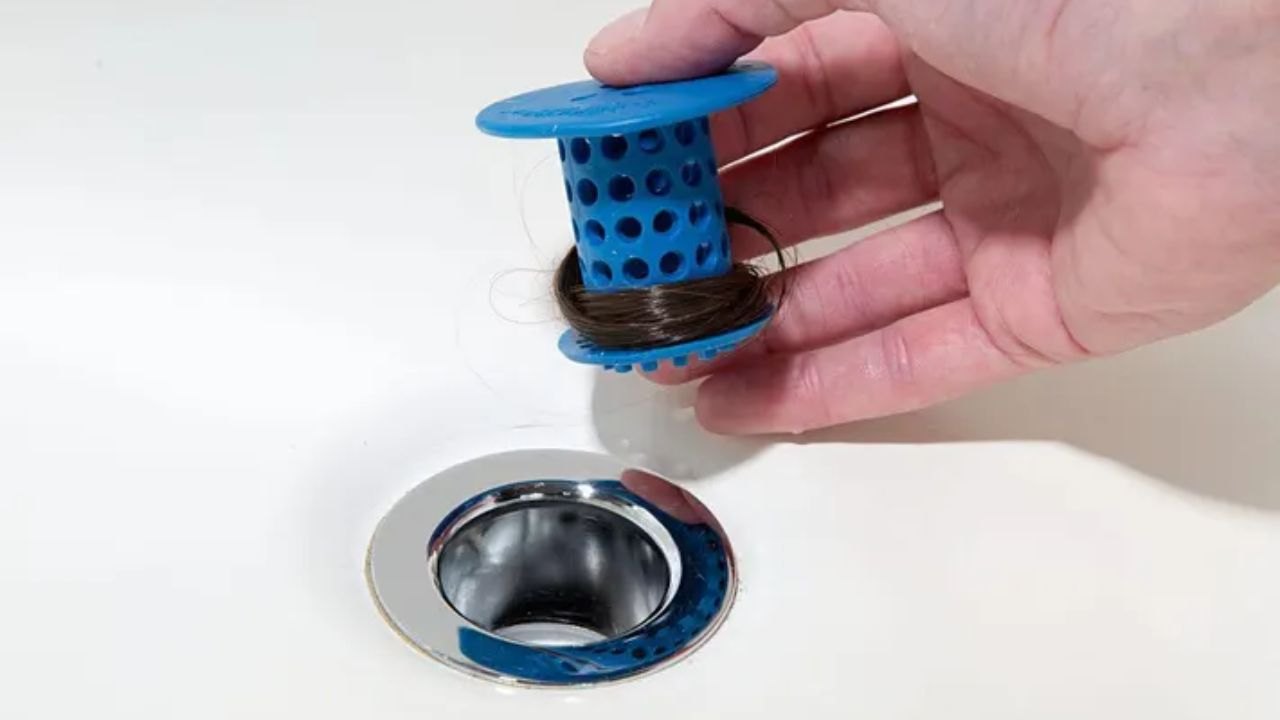
Drains are easy to ignore until water starts moving slowly. Hair, soap, and product residue can pack down over time, especially in showers and bathroom sinks.
Clearing visible hair and rinsing the drain with hot water after cleaning can prevent small issues from turning into clogs. This saves time because early drain care is much easier than dealing with backup.
If the bathroom still smells after the main surfaces are clean, check the less obvious areas. The toilet base, floor edge, sink overflow hole, and damp bath mat can hold odor.
A quick wipe around these spots often solves more than another round of air freshener. The goal is to remove the source, not hide it.
Let Towels and Mats Dry Properly
Towels and bath mats can make a bathroom smell dirty even when the surfaces are clean. Hang towels flat so air reaches more fabric, and avoid leaving mats wet on the floor for too long.
If several people use the same bathroom, rotation becomes even more useful. Dry time is the simplest odor control.
Washing towels before they smell is better than waiting until the odor is obvious. Keep an extra set if drying is often rushed in your home.
Bath mats should be shaken out and washed on a simple schedule, especially if the bathroom stays humid. These habits prevent damp fabric from becoming a recurring problem.
Keep Bedroom and Closet Care Simple but Consistent
Clothes, bedding, and linens last longer when they are protected from friction, heat, moisture, and overcrowding. You do not need a complicated wardrobe system to do that.
A few consistent habits around laundry, storage, and bedding can protect the items you use most. The bedroom stays easier to manage when fabric care feels practical.
Laundry should start with preventing damage, not fixing it later. Sort heavy items like jeans and towels away from softer shirts, undergarments, and activewear.
Turn dark clothing and graphic tees inside out to reduce fading. Avoid overloading the washer, because crowded loads rinse poorly and create more friction.
Closet storage depends on space and airflow. Hanging clothes need enough room so shoulders keep their shape and fabric does not crease.
Knits often do better folded because hanging can stretch them over time. If you cannot slide items easily, the closet is probably too packed for healthy fabric storage.
Mattresses and pillows need basic care as well. A washable protector helps control sweat, dust, and small spills, while regular cover washing keeps the bed fresher.
Rotating the mattress a few times a year spreads wear more evenly. These steps do not require special gear, but they can help comfort last longer.
Also read: Maintenance Basics For Household Care: Practical Routines For Busy Homes