
A well-run home usually comes from small routines, not long cleaning days that leave you exhausted. The most useful maintenance basics for household care are the ones you can repeat in a few minutes, especially around surfaces, moisture, fabrics, and storage.
This guide is for people who want their home to feel cleaner and easier to manage without adding a complicated system. The goal is steady care that prevents problems before they become expensive, smelly, or frustrating.
Start by Defining What “Maintained” Means in Your Home
A maintained home does not have to look spotless. It should feel safe to move through, easy to use, and free from the small problems that make daily life harder.
That might mean a clear kitchen counter, a usable sink, dry bathroom surfaces, fresh towels, and an entryway that does not block your path. When you define the basics clearly, home care feels less overwhelming.
This standard also protects your time. Instead of chasing every crumb, streak, or pile, you can focus on the signals that matter most.
Sticky handles, damp corners, overflowing trash, blocked walkways, and lingering odors usually need attention before decorative details do. Once those areas are under control, the home feels more stable even if it is not perfect.
Choose a Minimum Standard You Can Keep
A useful minimum standard should cover the areas that create the most friction in your day. Keep one counter clear enough to prepare food, keep the sink usable, and make sure the entryway has a clear lane.
A quick trash check also matters because food scraps and damp waste can create odor quickly. These simple checks prevent small messes from spreading.
If you only have time for one action, focus on drying wet areas or wiping touch points. Water and sticky residue create more work when they sit too long.
A damp sink edge, wet towel, or greasy handle may seem minor, but those small issues often turn into odor, buildup, or stains. Handling them early keeps the routine light.
Use a Daily Scan to Catch Problems Early
A short daily scan can prevent repairs and deeper cleaning later. Walk the main path of your home and look for grit, drips, damp fabric, clutter, or anything that feels out of place.
Check under the sink, near the toilet base, and around high-use counters when you notice moisture or smell. This habit helps you catch early signs of damage.
The scan should stay quick. If you see a problem, take one small action instead of turning it into a full cleaning session.
Wipe the drip, move the damp towel, pick up the grit, or clear the item blocking the walkway. This keeps maintenance realistic and prevents problems from waiting until the weekend.
Keep a Small Supply Setup That Helps You Start Faster
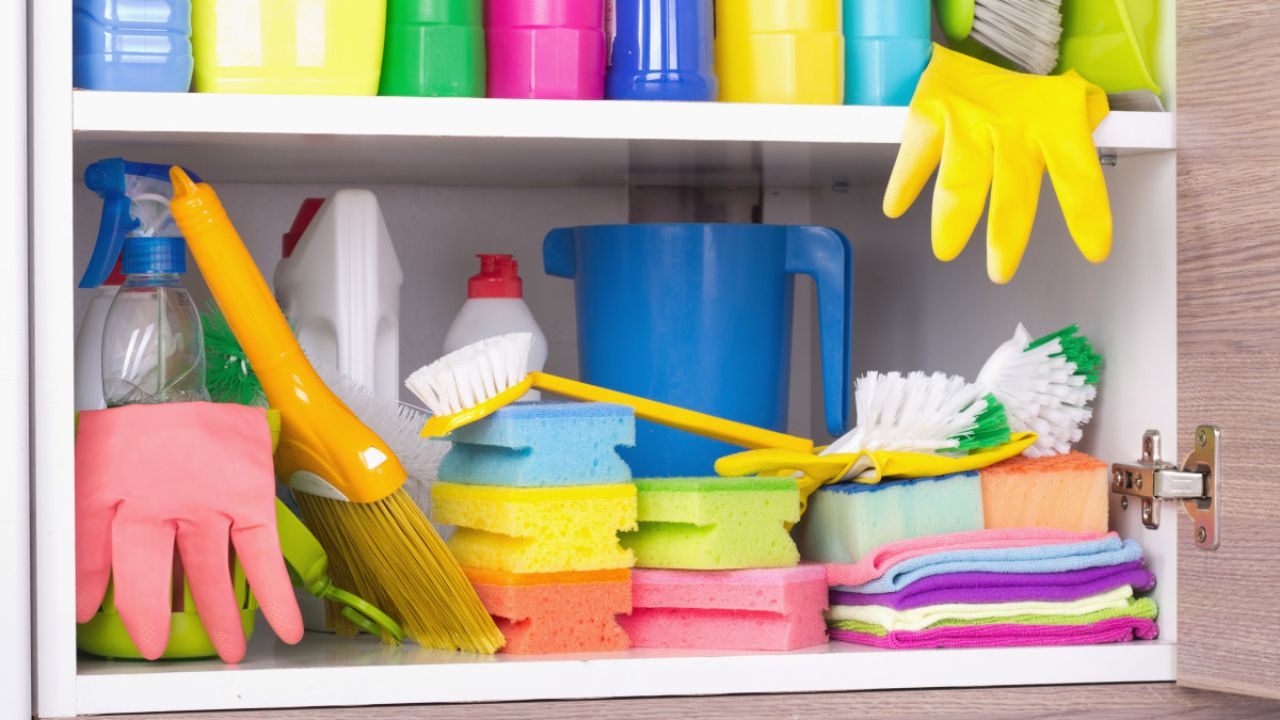
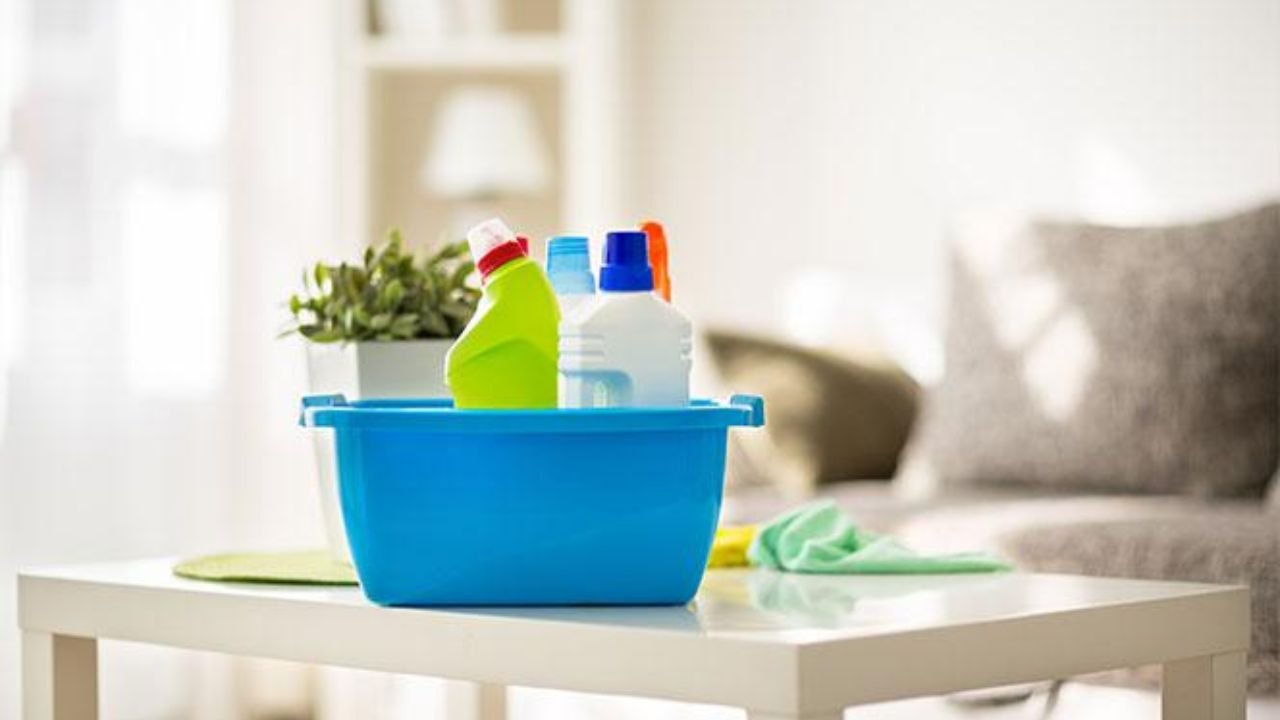
Maintenance becomes harder when you have to search for supplies. A small kit with a cloth, a gentle cleaner, and a small brush can make quick care easier in the rooms you use most.
You do not need a product for every surface to keep a home functional. A simple setup reduces delay and supports faster daily follow-through.
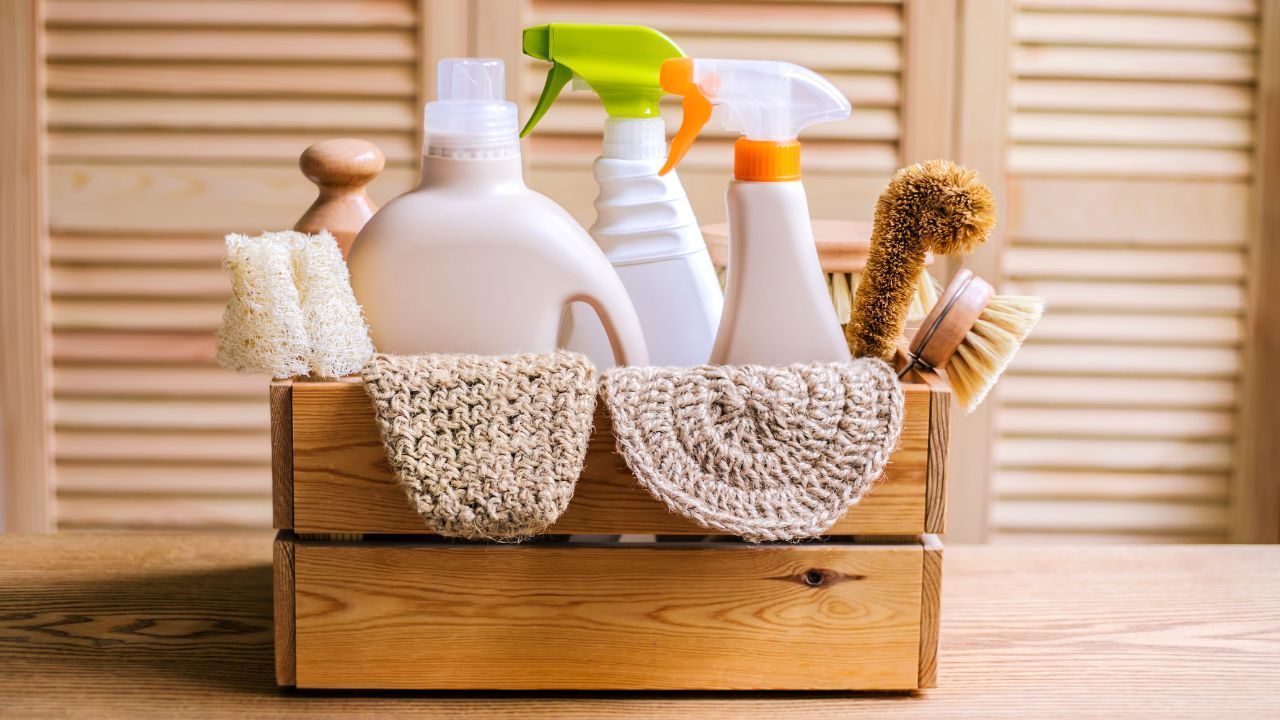
It also helps to keep supplies visible but not messy. A caddy, basket, or shelf near the kitchen, bathroom, or laundry area can make short resets easier to start.
Refill the kit once a week so you do not run out halfway through a task. The fewer decisions you need to make, the more likely you are to maintain the habit.
Clean Gently So You Do Not Damage the Finish Underneath
Cleaning should remove dirt without wearing down the surface you are trying to protect. Paint, coatings, glossy appliances, sealed counters, and fixtures can all dull or scratch when you start with too much pressure.
A damp cloth and a light pass should usually come before stronger cleaners or scrubbing. This “gentle first” approach protects finishes, shine, and texture.
Start With Light Pressure Before Adding Products
Most fresh residue comes off more easily than people expect. Warm water and a soft cloth can loosen dust, food marks, and light grime without adding product right away.
If the area is greasy or sticky, then a mild cleaner can help, but pressure should still stay controlled. Scrubbing too hard can drag hidden grit across the surface and create scratches you cannot undo.
Rinsing matters after using a cleaner. Product residue can attract dirt and make the same area look dull or sticky again.
A quick rinse or second wipe removes leftover cleaner and helps the surface stay clear longer. It is a small step, but it prevents repeat work.
Use Two Passes When Surfaces Look Smeared
Smears usually happen when oil, dust, or cleaner gets spread around instead of removed. A two-pass method works better for counters, appliances, glass, and bathroom fixtures.
The first pass loosens the grime, while the second pass lifts what remains and clears haze. This keeps surfaces looking clean without extra scrubbing or polishing.
If you only have one cloth, rinse it between passes and wring it well. A wet, dirty cloth will only move residue from one spot to another.
A dry finishing pass can also help on shiny surfaces where water marks show quickly. This method keeps cleaning simple but more effective.

Control Moisture Before Odor and Swelling Begin
Moisture is one of the main reasons household items wear out early. It causes musty smells, peeling, swelling, mildew, water spots, and repeat cleaning in the same places.
Kitchens, bathrooms, laundry areas, and storage corners are especially vulnerable because water or steam collects there often. Drying is one of the most practical household maintenance habits you can build.
Items should dry fully before they are closed, folded, stored, or stacked. Towels should hang open instead of being folded on hooks.
Lunch containers, bottles, sponges, and cleaning cloths need air before lids or drawers close around them. Closed storage traps moisture and makes odors much harder to remove later.
Steam also needs attention. After showers, run the fan or leave the door open if possible. After cooking, clear steam before it settles on cabinets, walls, and nearby surfaces.
If airflow is weak, even a short period of extra ventilation can help. The goal is not to create another chore, but to stop damp air from turning into film, odor, or damage.
Edges and seams are worth checking because damage often starts there. Sink rims, tub edges, toilet bases, and cabinet seams hold moisture longer than flat surfaces.
If you see dark marks, softening, or recurring smell, dry the area and reduce splash as much as possible. Small checks in these spots can prevent bigger repairs later.
Make Fabric Care More About Timing Than Products
Towels, bedding, clothing, and mats last longer when they dry quickly and avoid unnecessary friction. Strong detergents and sprays cannot fix the problem if fabric keeps staying damp.
A towel that dries flat and fully will usually smell fresher than one that is washed often but stored wet. Timing is the key to fresher household fabrics.
Laundry care does not need many complicated piles. Separating heavy items like jeans and towels from lighter shirts or delicate pieces can reduce wear.
Heavy fabrics rub harder in the wash and can pull seams, roughen towels, or create pilling on softer items. A simple heavy-and-light system is often enough for everyday loads.
Not every lightly worn item needs a full wash right away. If clothing is not stained or sweaty, airing it out can reduce unnecessary washing, heat exposure, and fabric stress.
This helps colors last longer and keeps laundry from building up too quickly. Freshening should never be used to hide dampness, though; drying still comes first.
Store Items So They Stay Useful, Not Just Hidden
Storage is part of maintenance because it protects items from bending, breaking, dust, and loss. A drawer or cabinet can look “organized” but still damage items if it is overpacked or hard to use.
Daily items should be easy to reach, while occasional items can go higher, lower, or farther back. Storage works best when it follows real household habits.
Also read: How To Care For Items Properly: Practical Household Habits That Prevent Damage
Keep Daily Items Easy to Reach
Items used every day should sit at a comfortable height and have enough space to move. If you have to dig through a pile to reach something, nearby items are more likely to bend, fall, or crack.
Clear bins can help because you can see what is inside without opening everything. Easy access prevents breakage caused by rushing.
Tall stacks often create more problems than they solve. When you pull one item from the middle, the rest shifts, drops, or gets crushed.
It is better to spread items across two spaces than force everything into one shelf. A system that is easy to reset will last longer than one that only looks neat for a day.
Keep Parts With the Items They Belong To
Many household items become frustrating because one small part disappears. Chargers, attachments, screws, lids, manuals, filters, and small accessories should stay with the main item or in a clearly labeled container.
This prevents duplicate buying and keeps useful items from turning into clutter. One missing piece can make a working item unusable.
This matters most for seasonal items, appliances, electronics, and tools that are not used every day.
If pieces are scattered across drawers, people stop using the item or buy another version. Keeping complete sets together saves money and makes the home easier to manage.
Reduce Stacking Pressure Before Items Warp or Crack
Stacking is sometimes necessary, but too much pressure can bend boxes, crack lids, warp plastics, and make drawers harder to close.
Heavy items should stay low, while lighter or softer items can sit higher. Flat items may do better standing upright if the shelf supports them. Good weight placement protects shape, seals, and structure.
If a shelf is bowing, a bin lid will not close, or a drawer needs force, the storage system is already creating wear.
Move weight across more than one space before damage becomes permanent. This is a maintenance step, not just an organization task. When items fit without pressure, they stay usable longer.
Keeping the Basics Simple Enough to Repeat
Maintenance works best when it fits normal days, not only quiet weekends. Focus on the basics that prevent the most common problems: dry wet areas, clean gently, reduce friction, and store items where they can stay complete and protected.
These actions do not need much time, but they help prevent odors, stains, scratches, and replacements. The value is in steady, realistic care.
Start with one weak spot in your home. It might be a damp bathroom corner, a messy entryway, a sticky kitchen handle, or a drawer where parts keep disappearing.
Fix that one routine first, then add another when it feels natural. A home runs more smoothly when the basics are easy enough to keep doing.