
Care & Maintenance

How To Care For Items Properly: Practical Household Habits That Prevent Damage

Most homes do not need complicated systems to stay in good shape. Items usually last longer when you handle moisture, residue, friction, and storage before they turn into bigger problems.

This guide is for people who want to care for household items properly without adding long cleaning sessions to an already busy routine.

The focus is practical upkeep that protects your home, reduces waste, and keeps everyday spaces easier to use.
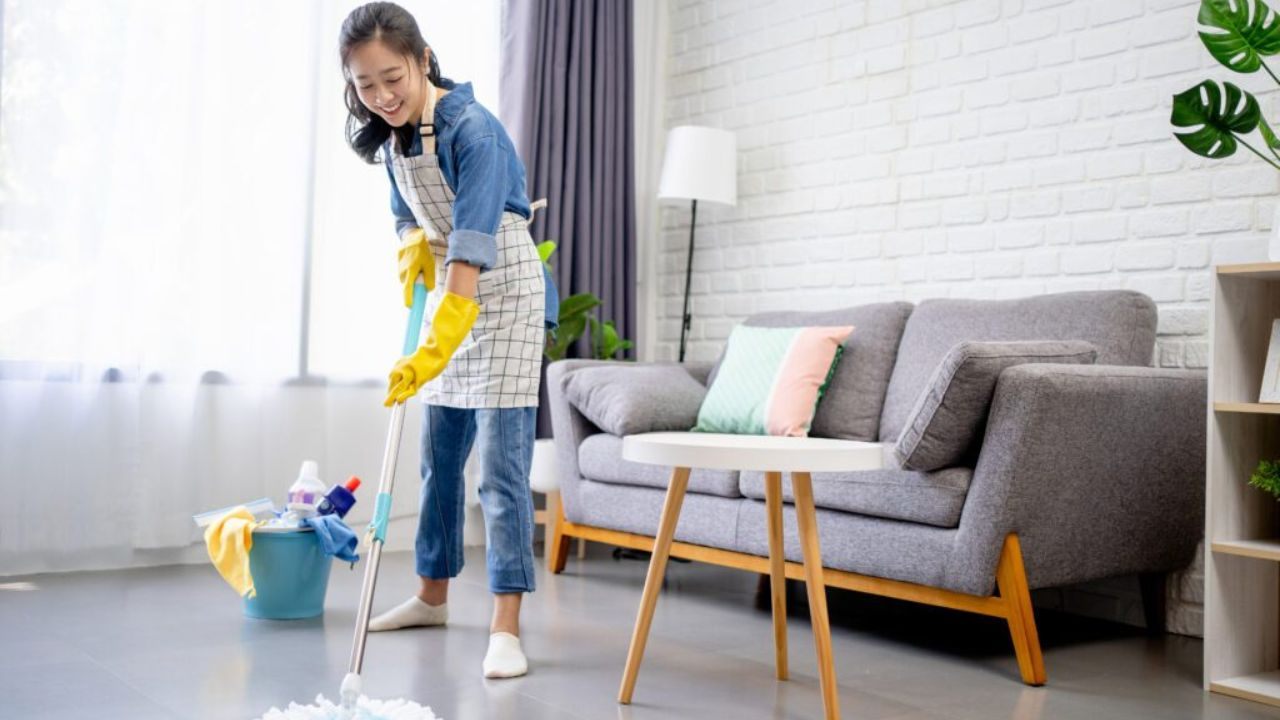
How To Care For Items Properly: Practical Household Habits That Prevent Damage
Image Source: Nation Maid Agency

Start With the Items You Touch Every Day

The easiest place to begin is with the items and surfaces you use constantly. Kitchen handles, bathroom fixtures, towels, counters, floors, furniture edges, and storage bins show wear faster because they are part of your daily routine.

When these areas are maintained regularly, the whole home feels easier to manage. Small habits work because they protect the areas under constant use.

A good routine does not need to cover every room at once. It should focus on the places where damage starts quietly: damp fabric, sticky handles, wet sink edges, dusty surfaces, and overcrowded storage.

These details may look minor, but they often lead to odors, stains, scratches, and early replacement. Paying attention to them helps prevent small issues from spreading.

Keep Kitchen Surfaces From Turning Sticky

Kitchen items wear down faster when grease, crumbs, water, and food residue sit too long. The goal is not to deep clean after every meal, but to remove fresh residue before it hardens.

Counters, handles, sink edges, and the stove area deserve the most attention because they collect oils and crumbs quickly. A short wipe after cooking can prevent sticky buildup and dull surfaces.
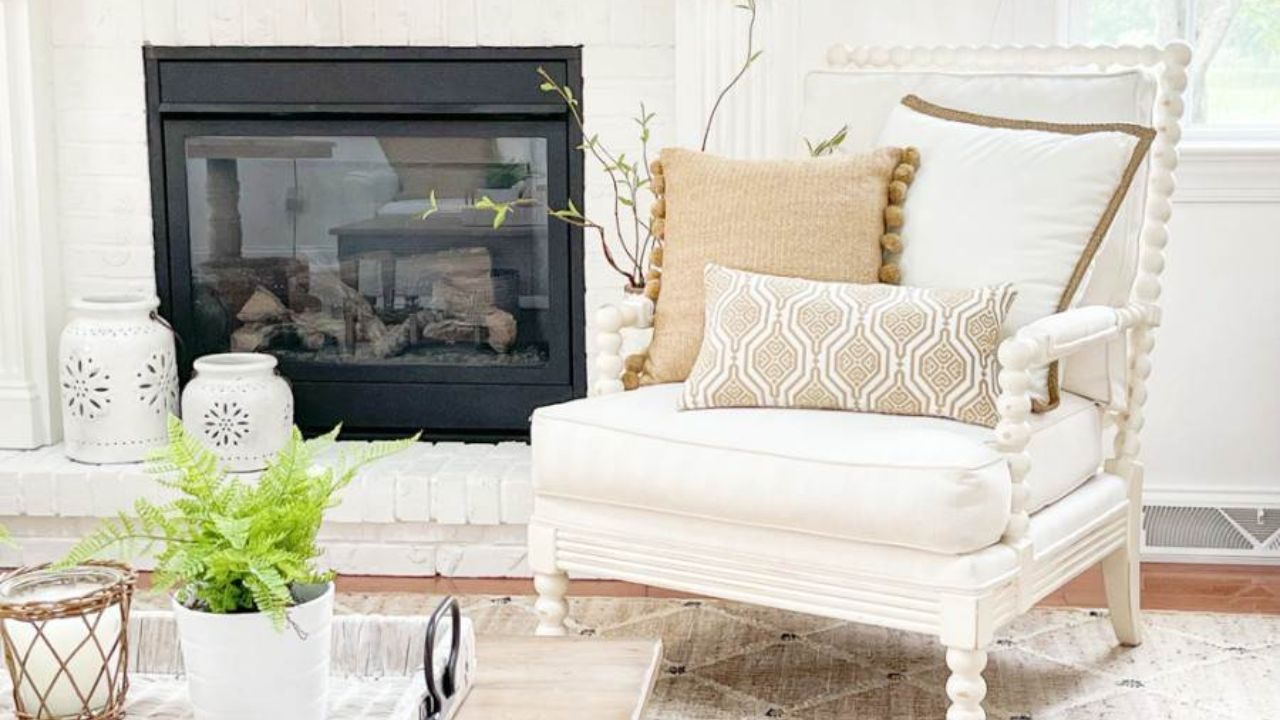
How To Care For Items Properly: Practical Household Habits That Prevent Damage
Image Source: StoneGable

Focus on Handles, Counters, and the Sink

Handles and counters collect fingerprints, cooking oils, and small food particles during normal use. Wiping them soon after cooking is easier than scrubbing later, especially near the fridge, stove, and cabinet doors.

A damp cloth is often enough for fresh residue, while a mild cleaner can help if the surface feels greasy. The main habit is cleaning before grime hardens.

The sink also needs quick attention because food bits and water collect around the rim. Rinse the basin after dishes, clear visible residue, and dry the faucet base when you can.

This prevents dull spots, water marks, and odor around the drain. Keeping one cloth nearby makes the habit easier to repeat without turning it into a bigger task.

Handle Cookware and Containers Gently

Cookware lasts longer when it is cleaned gently and dried fully before storage. Let hot pans cool first, rinse away loose residue, and avoid scraping unless the food is truly stuck.

Harsh pressure can damage coatings, while trapped moisture can create rust or stains. Gentle handling protects pans, boards, and containers that you use often.

Cutting boards should dry upright so both sides get airflow. Containers should be stored only when the inside is fully dry, especially if they have lids that trap moisture.

If you stack them while damp, odors can develop even when they look clean. This is a small detail, but it helps prevent stale smells and storage mess.

Use the Fridge and Pantry With Better Visibility

Food waste often starts when items disappear behind newer groceries. A quick fridge scan before shopping helps you use what you already have and avoid buying duplicates.

Move older food forward, keep leftovers where you can see them, and wipe spills before they dry into sticky marks. Visibility protects your budget and storage space.

The pantry works better when dry goods are sealed and grouped in a simple way. Snacks, staples, baking items, and canned goods should be easy to identify without digging.

If you often forget leftovers, adding a simple date label can help you use them sooner. The goal is not a perfect pantry, but a setup that prevents waste, pests, and odor.
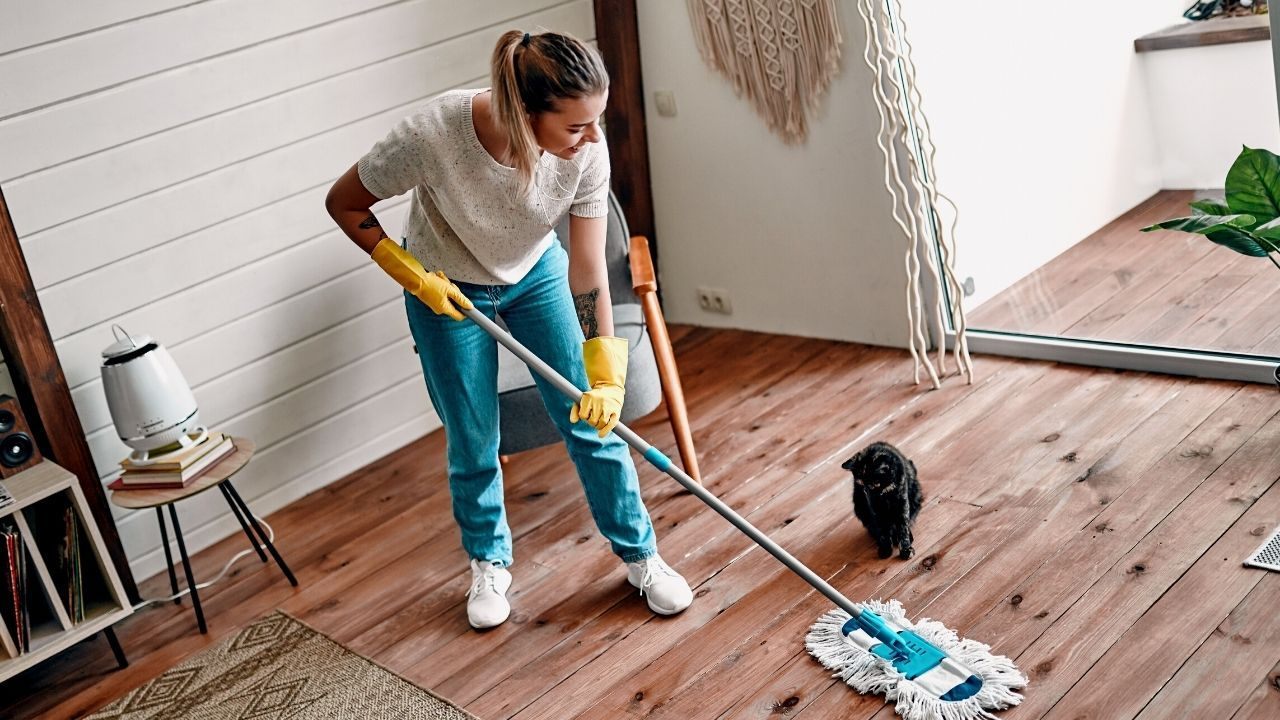
How To Care For Items Properly: Practical Household Habits That Prevent Damage
Image Source: Club31Women

Control Bathroom Moisture Before It Causes Damage

Bathrooms create wear because water and steam collect in corners, fabrics, fixtures, and floor edges. A bathroom can look clean and still smell damp if towels, mats, or hidden edges hold moisture.

The most useful habit is drying the areas that stay wet longest. Moisture control prevents odor, film, and surface damage.

After showers, run the exhaust fan longer than the shower itself if possible. Leave the door open briefly when ventilation is weak, and hang towels open so air reaches the thick parts.

Bath mats should not stay damp on the floor all day. These small steps help the room dry faster and reduce musty smells between cleanings.

Clean Touch Points Without Scrubbing the Whole Room

Bathroom touch points collect grime because they are handled every day. The faucet, flush handle, door knob, sink rim, and light switch can make the room feel dirty even when the rest looks fine.

A quick wipe on these areas saves time because you avoid unnecessary full-room scrubbing. Targeted care keeps high-use areas fresher.

The sink rim deserves regular attention because toothpaste, soap, and water marks dry there quickly. Rinse the residue, wipe the faucet base, and dry the area to prevent haze.

If your cleaning cloth is already worn or dirty, replace it instead of smearing residue around. Clean tools make quick maintenance more effective.

Check the Toilet Base and Floor Edge

Lingering bathroom odor often comes from areas that are easy to miss. The toilet base, floor edge, and the space behind the toilet can hold dust, moisture, and small splashes.

Wipe the base line lightly and dry it instead of soaking the floor. This prevents hidden odor and floor damage.

Do not let clutter collect around the toilet or sink area. When the space is crowded, quick cleaning becomes harder and moisture stays trapped.

Keeping the area clear makes weekly maintenance faster. The cleaner the edges stay, the less often you need heavy bathroom scrubbing.
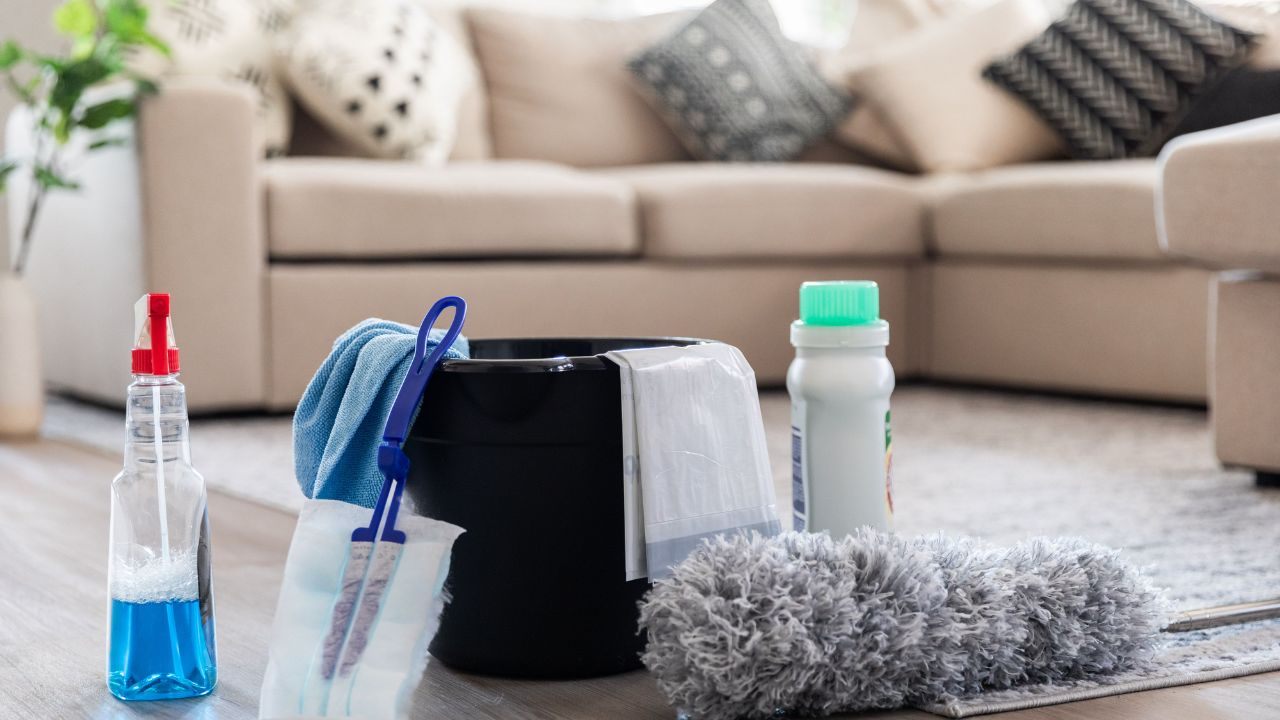

How To Care For Items Properly: Practical Household Habits That Prevent Damage
Image Source: The Spruce

Make Laundry Habits Protect Fabric, Not Just Clean It

Laundry is not only about removing dirt. Towels, bedding, activewear, and clothing also need protection from heat, friction, moisture, and detergent buildup.

Using more soap than needed can trap residue and make fabrics feel less fresh. Good laundry care starts with drying, sorting, and timing.

Towels and activewear should dry as soon as possible. Hang towels open instead of folding them on hooks, and avoid leaving wet clothes in the washer overnight.

Shake items before drying so they do not clump and hold moisture. Fast drying helps prevent rewashing and musty odor.

Sorting does not need to be complicated. Separate heavy items like jeans and towels from lighter shirts and delicate fabrics.

This reduces friction, protects fibers, and helps items dry more evenly. Turning certain items inside out can also reduce pilling and fading, especially for dark or delicate clothing.

Stains should be treated before they become permanent. Blot quickly, rinse from the back when possible, and check the care label before using heat.

Rubbing too hard can push the stain deeper into the fabric. A calm, early response protects fabric from lasting marks.

Also read: Maintenance Basics For Household Care: Practical Routines For Busy Homes

Care for Living Areas Without Overcleaning

Living areas stay presentable when dust, spills, and contact wear are handled early. Most damage comes from grit, sunlight, delayed cleanup, and rough handling of surfaces.

You do not need to deep clean every day to protect furniture and floors. Light, regular care prevents wear from building quietly.

Dust should be removed gently because dry particles can act like grit. Dust lightly first, then use a barely damp cloth if the surface needs more attention.

Focus on shelves, vents, screens, tables, and the spots people touch often. This reduces scratches and keeps surfaces looking cleaner longer.

Wood, upholstery, and screens need different pressure. Wood should not be soaked around seams, upholstery should be spot cleaned instead of drenched, and screens should be wiped with a soft cloth.

Spraying directly onto screens or using too much water on fabric can create damage. Gentle care protects coatings, fibers, and finishes.

Spills should be blotted instead of rubbed. Rubbing can spread the liquid, flatten rug fibers, or push residue deeper into upholstery.

Use small repeated passes and test cleaners on a hidden spot before applying them widely. Drying the area with airflow also prevents moisture from lingering underneath.

Store Items So They Do Not Break, Bend, or Disappear

Storage is part of household care because poor storage can damage items even when they are not being used. Overcrowded drawers, forced lids, tangled cords, and stacked bins can lead to cracks, bends, and missing pieces.

A simple system works better than one that looks perfect but is hard to maintain. Good storage protects items from avoidable damage.

Keep Daily Items Easy to Reach

Daily items should be stored where you can grab them without digging. Place them at a comfortable height, keep heavy items lower, and avoid tall stacks that shift when something is removed.

Easy access prevents drops because you are not pulling from awkward angles. This makes storage safer and more practical.

Less-used items can go into labeled bins or deeper storage areas. The key is to avoid forcing items into spaces that are already full.

If a lid needs pressure to close, the contents may bend or crack over time. Leaving a little space helps items slide in and out without unnecessary strain.

Keep Sets and Parts Together

Many household items stop being useful because one part disappears. Cords, lids, filters, attachments, manuals, and small accessories should stay with the main item whenever possible.

Keeping sets together reduces duplicate buying and makes items easier to use. One missing part can turn a working item into clutter.

A bin, pouch, drawer divider, or labeled container can be enough. The system only needs to make sense to the people using it.

Review these containers occasionally and remove duplicates you do not need. This keeps storage useful instead of becoming another hidden clutter spot.

Stop Entryway Dirt Before It Spreads Indoors

The entryway controls how much dirt travels through the rest of the home. Shoes, bags, wet footprints, and grit can make floors look dull and worn faster.

Shake the mat regularly and clear visible dirt from the first few steps inside. The door area works like the home’s first filter.

Keep shoes in one zone so debris does not move from room to room. Wipe wet footprints quickly, especially on hard floors where water marks can dry dull.

Hooks or trays for keys, bags, and small items also reduce clutter near the door. A clear entry makes daily cleaning much easier.

Conclusion: Keep Household Care Practical and Repeatable

The best home care plan is not the most detailed one. It is the one you can repeat during a normal week without feeling overwhelmed.

When you learn how to care for items properly, the focus becomes clear: dry items fully, remove fresh residue, reduce friction, and store things with enough space. These habits prevent many common problems before they require repairs or replacements.

Start with the area causing the most frustration. It may be the kitchen sink, damp towels, dusty living room surfaces, or an entryway that brings dirt indoors.

Fix one habit first, then add another once it feels natural. A home stays easier to manage when maintenance feels simple enough to keep doing.

Previous articleHow to Organize Common Problem Areas
Next articleMaintenance Basics For Household Care: Practical Routines For Busy Homes
Beatrice Whitmore
Beatrice Whitmore is the lead editor at ThriveHow, a blog focused on care and maintenance, home organization, and practical routines. She writes clear, step-by-step guides that help you keep your home running smoothly, reduce clutter, and save time with simple habits. With a background in digital publishing and practical research, Hannah turns everyday tasks into easy systems you can repeat. Her goal is to help you build routines that feel realistic, calm, and consistent.