Care and Maintenance for Long-Term Use is about protecting people, equipment, and budgets before problems become harder to manage.
Whether the topic is long-term personal care or preventive maintenance for facilities, the same idea applies: small, planned actions reduce bigger risks later.
A practical plan helps families, caregivers, managers, and business owners respond early instead of waiting for a crisis.
The goal is not to create a complicated system. It is to keep support, safety, and upkeep organized enough to stay reliable over time.
When responsibilities are clear and reviews happen regularly, long-term needs become easier to manage and less expensive to handle.
What Long-Term Care Really Means
Long-term care refers to ongoing support when daily tasks become difficult to manage alone. This may include help with bathing, dressing, meals, medication reminders, mobility, or staying safe at home.
Needs can increase after a health event, such as a stroke or hospitalization, or they may grow slowly with age. Planning early gives families more practical options.
A good care plan should cover where support will happen, who will provide it, and how the costs will be handled.
Some people may remain at home with family help and visiting professionals, while others may need community programs or residential care. The right choice depends on health needs, home safety, available caregivers, and financial limits.
Care and Maintenance for Long-Term Use
Care Options That Should Be Reviewed Early
Most long-term care starts at home. Family members may help with meals, transportation, supervision, or household tasks, while trained providers may assist with personal care, therapy, medication reminders, or recovery support.
A home-based plan works best when everyone knows who handles what and when outside help should be added.
Community programs can also reduce pressure on families. Adult day centers, senior centers, meal programs, transportation services, and caregiver support groups can help older adults stay active while giving caregivers time to work or rest.
These options are worth checking before a situation becomes urgent because availability, cost, and eligibility can vary locally.
Residential facilities may be needed when home support is no longer enough. Assisted living, nursing homes, and memory care programs offer different levels of help, supervision, and medical coordination.
Before choosing one, families should look at staffing, safety practices, inspection history, fall prevention, infection control, and how the facility communicates with doctors and relatives.
Planning for Long-Term Independence
Aging in place can work well when the home is safe and support is realistic. Simple changes like better lighting, grab bars, non-slip flooring, clear walkways, and easier bathroom access can reduce daily risks. These updates are not just comfort upgrades. They help protect daily independence.
Family conversations should happen before decisions become emotional or rushed. It helps to discuss preferred care settings, medical wishes, legal documents, decision-makers, and possible funding sources.
Written notes prevent confusion later, especially when several relatives are involved or live in different places.
Costs also need early attention. Savings, retirement income, insurance, Medicaid eligibility, veterans’ benefits, and other private options may all play a role depending on the situation.
Families should track expected care hours, transportation, supplies, respite needs, and home changes. A clear budget keeps future costs easier to see.
Care and Maintenance for Long-Term Use
Preventive Maintenance for Equipment and Facilities
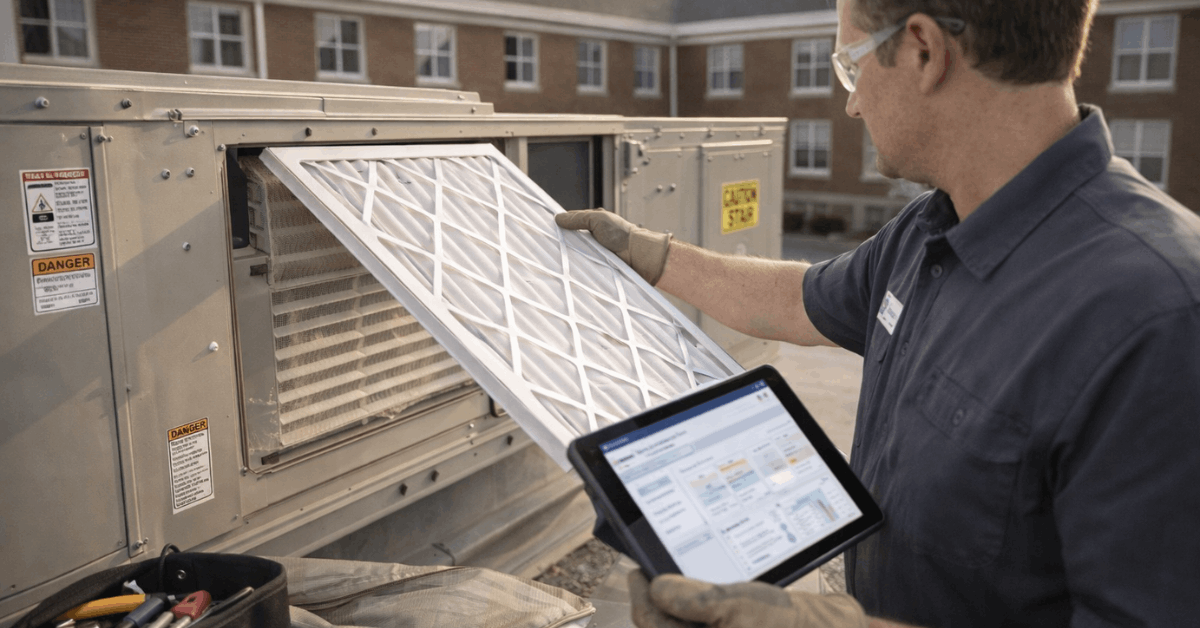
Preventive maintenance follows the same logic as long-term care planning. Instead of waiting for equipment to fail, you inspect, service, and replace parts before breakdowns create safety issues or expensive downtime.
This matters for homes, care facilities, restaurants, fleets, rental properties, and any workplace that depends on reliable systems.
HVAC systems, refrigeration units, plumbing, vehicles, safety equipment, and electrical systems all need scheduled attention.
A simple maintenance calendar can prevent emergencies that disrupt comfort, service, or operations. The plan should identify which assets are most important, how often they need checks, and who is responsible for completing the work.
A useful plan does not need to cover everything at once. Start with the systems that affect safety, comfort, or revenue the most. Then expand once the first routines are working. A basic plan should include a few clear checkpoints:
List the most important equipment or spaces.
Set inspection and service intervals.
Record completed work and recurring issues.
Assign responsibility for each task.
Review costs and failures every few months.
This short checklist helps prevent over-maintenance as well as neglect. Too much maintenance can waste time, create unnecessary downtime, and replace parts too early.
The best schedule is based on actual use, manufacturer guidance, safety needs, and real failure patterns.
Common Maintenance Types to Understand
Time-based maintenance happens on a fixed schedule, such as monthly HVAC checks or seasonal deep cleaning. Usage-based maintenance depends on mileage, hours, cycles, or run time.
These are useful when equipment wears down based on how often it is used, not just how much time has passed.
Condition-based maintenance relies on inspections, readings, or warning signs. For example, vibration, temperature changes, leaks, strange sounds, or worn seals may show that something needs attention.
Predictive maintenance goes further by using data to estimate when failures may happen. These methods help teams avoid unnecessary work while still reducing risk.
How to Avoid Over-Maintenance
Preventive work saves money only when it is planned carefully. If teams try to service everything too often, the schedule can become expensive and disruptive.
The better approach is to rank assets by risk. Life-safety systems, high-cost equipment, and items that can stop operations should receive first priority.
It also helps to review the results. If a task rarely finds problems, the interval may be too frequent. If failures keep happening between inspections, the schedule may need to be tightened. Maintenance should improve reliability, not become a routine that continues without evidence.
Practical Examples for Long-Term Use
A family helping an older adult might begin with a home safety review, a medication reminder system, and a written list of emergency contacts.
These simple steps make daily support clearer and reduce confusion during stressful moments. From there, the family can review care needs every few months and adjust the plan as health or mobility changes.
A small business might start with two high-risk assets instead of trying to document every system at once.
For example, a restaurant may inspect refrigerator seals and log temperatures daily, while a property manager may check gutters, roofs, and plumbing after storms. These focused routines protect expensive assets without overwhelming the team.
Build a Plan That Stays Useful Over Time
Care and maintenance work best when they are reviewed regularly. People’s needs change, equipment ages, budgets shift, and risks appear in new places.
A plan that worked last year may need updates today. Regular review keeps the system practical and current.
Start with the areas where failure would create the most stress, cost, or safety risk. For care, that may mean home safety, caregiver roles, and funding.
For equipment, it may mean inspections, service records, and priority assets. Long-term stability comes from clear responsibilities, simple routines, and timely adjustments before small problems become major setbacks.