Busy schedules make it easy to ignore small signs of wear until they become repairs. The easiest way to prevent damage is not to deep clean more often, but to notice moisture, friction, buildup, and storage strain before they spread.
This guide is for people who want a home that stays functional without long maintenance sessions. The goal is simple: protect the items you already own with habits that are realistic enough to repeat.
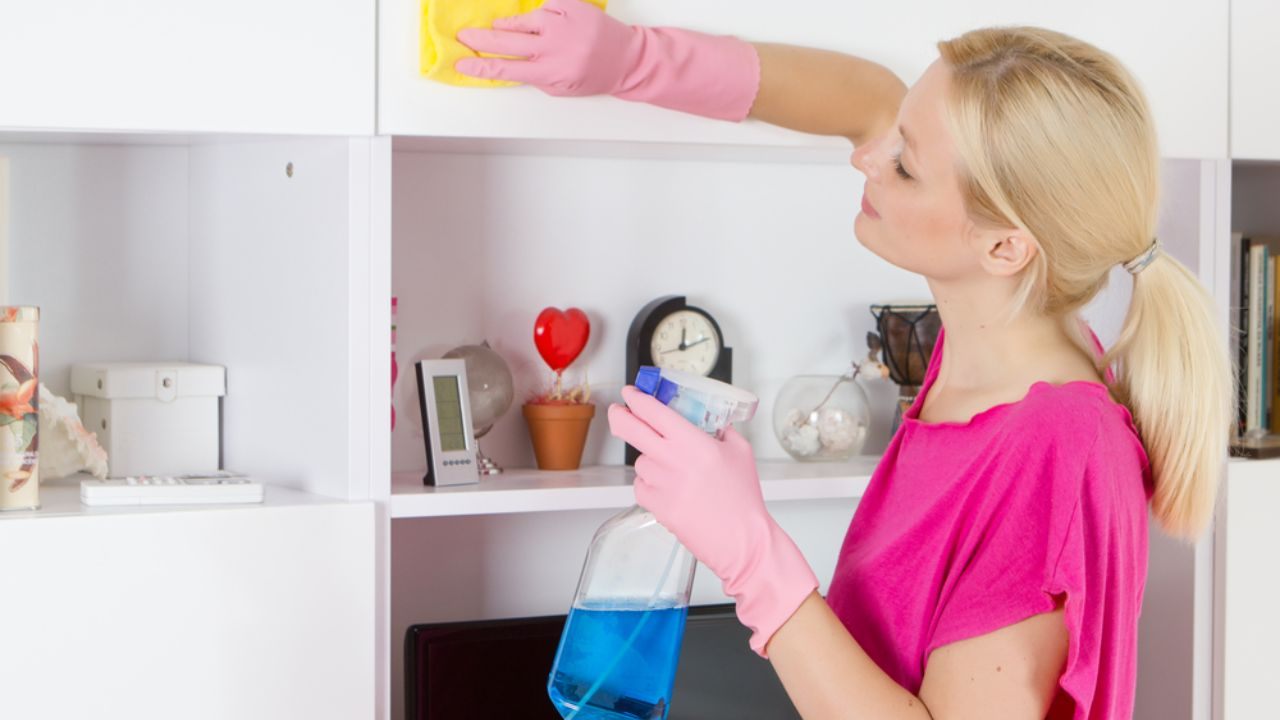
Start by Looking for Damage Triggers, Not Perfect Rooms
Damage prevention becomes easier when you stop thinking only by room and start looking for repeat triggers. A damp cabinet, sticky handle, scratched floor, or overstuffed drawer tells you more than a messy surface does.
These small signs point to the habits that need attention. When you know the cause, you can fix the problem behind the mess.
Most household damage starts with four patterns. Moisture creates odor, peeling, swelling, mildew, and soft edges near seams.
Friction shows up as scuffs, pilling, dull patches, and scratches. Buildup appears as haze, sticky film, mineral marks, or gritty residue, while storage strain appears when shelves bow, drawers jam, or lids no longer close properly.
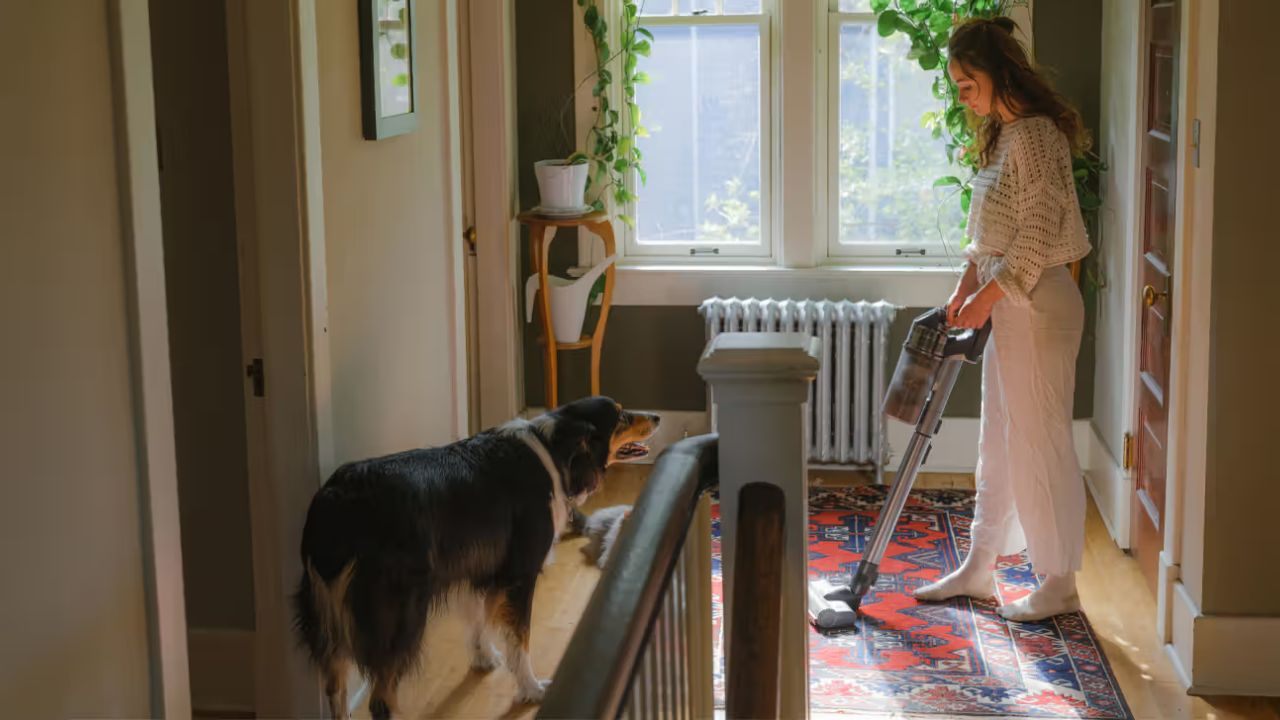
Do a Short Weekly Scan
A weekly scan works best when it follows the same path every time. Start at the entryway, then check the sink area, shower zone, laundry corner, and one drawer or cabinet that often feels crowded.
Look for damp items, grit, sticky handles, leaning stacks, and anything that keeps returning as a problem. The scan should be about spotting risk early, not deep cleaning.
When you notice something, take one small action. Wipe the damp edge, move the wet towel, clear the grit, or remove one item from an overpacked drawer.
Stopping after the obvious fix keeps the routine manageable. If you turn every scan into a full cleaning session, it becomes harder to repeat.
Track Repeat Problems Without Overcomplicating It
A simple note can help when the same issue keeps coming back. Write down the recurring problem, where it happens, and what you tried, such as “sink cabinet damp after dishes” or “entry rug always gritty by Friday.”
You do not need a detailed cleaning record. One short line is enough to show patterns worth fixing.
This is useful because repeated damage usually needs prevention, not another temporary cleanup. If the same cabinet gets damp, airflow or storage may need to change.
If the same floor lane scratches, grit control near the door may matter more than mopping. A small record helps you stop paying for the same problem twice.
Stop Moisture Damage Before It Spreads
Moisture is one of the fastest ways household items start to break down. It can cause swelling, peeling, rust, odor, mildew, and stains, especially where water sits near seams or fabric stays damp.
Bathrooms, kitchens, laundry areas, and closets are common trouble spots. Drying and airflow are often the lowest-effort protection.
Hotspots deserve attention first because they repeat. Check under the sink, behind the toilet, near the dishwasher edge, around the tub line, and anywhere bath mats or towels stay damp.
After cooking, wipe the splash strip behind the sink if it often stays wet. Small checks in these places prevent slow hidden damage.

Use the Dry-Then-Store Rule
The dry-then-store rule protects many household items. Towels should hang open until they feel dry through the layers, while reusable bottles and lunch containers should air out before lids go on.
Damp shoes, bags, and cleaning cloths also need airflow before being put away. Closed storage traps moisture and turns clean items into odor problems.
This habit matters because moisture often causes damage after the item looks “put away.” A closed container with trapped water can smell stale, and a damp towel folded too soon may need rewashing.
Letting items dry fully reduces odor, staining, and material breakdown. It also makes the next use feel cleaner and more reliable.
Use Humidity Checks Only When a Room Feels Damp Often
Some rooms feel damp no matter how often they are cleaned. In that case, checking humidity once in a while can help you understand whether the problem is poor airflow, rainy weather, or repeated steam from showers or cooking.
You do not need to monitor it obsessively. The point is to know whether extra ventilation is needed.
If the room stays damp after normal use, run airflow longer or leave the door open briefly when possible.
Closets, bathrooms, and laundry corners usually benefit most from this. The goal is not to add a complicated step, but to stop moisture from sitting long enough to create odor or damage.
Prevent Scratches by Controlling Contact and Grit
Scratches usually come from grit, dragging, rough tools, and repeated contact points. Floors, furniture legs, appliance feet, cabinet fronts, and glossy surfaces can all wear down when small particles get trapped between surfaces. Daily use is not always the issue. The real problem is often abrasion that goes unnoticed.
Start with areas that move every day. Chair legs, stools, side tables, storage carts, and appliance feet can grind grit into floors when they shift.
Clean under those points occasionally and use protective pads where they make sense. This small step can prevent months of gradual scuffing.
Stop Dragging Before It Leaves Marks
Dragging furniture or heavy items can create permanent marks very quickly. Before moving anything, clear the path and check for grit.
Lift slightly when you can, and use protection if the item needs to slide. Moving slowly prevents sudden gouges and scratches.
After moving items, sweep or vacuum the path you used. Grit can stay behind and continue scratching later.
This step is especially useful after rearranging furniture, moving storage bins, or carrying items through the entryway. A few extra seconds can protect floors and furniture edges.
Match Cleaning Tools to the Surface
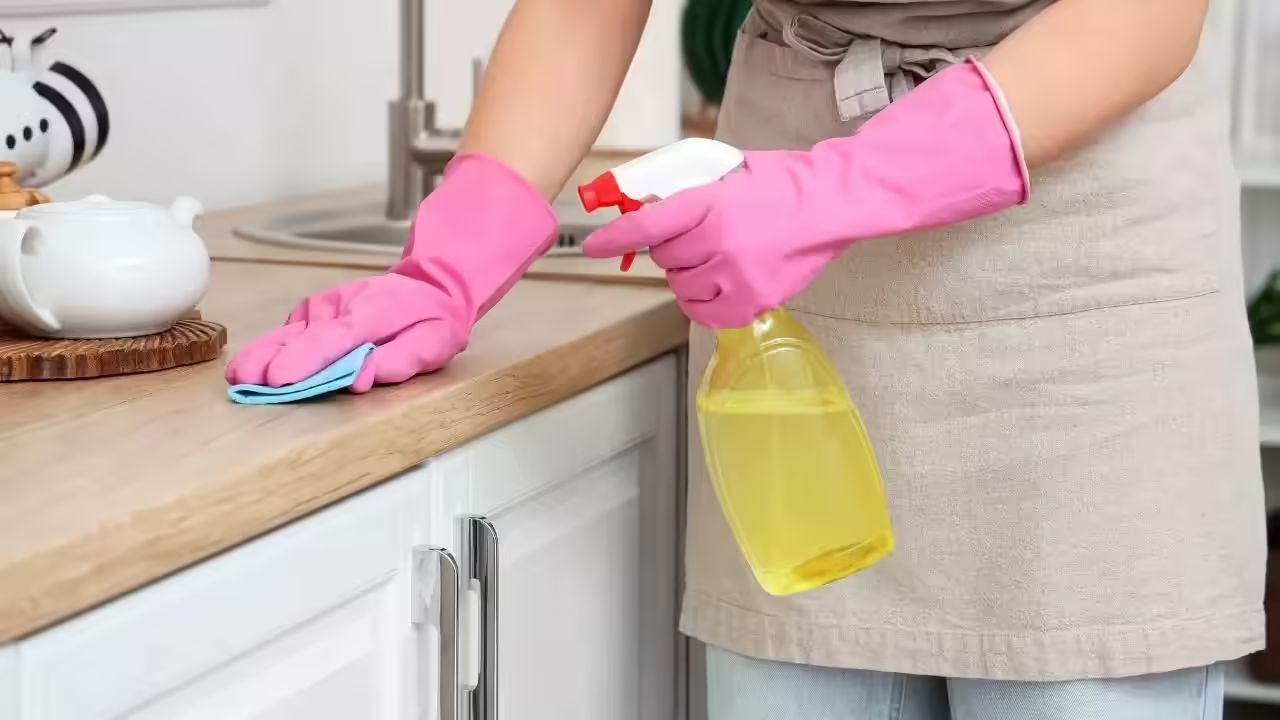
Cleaning can cause damage when the tool is too rough for the finish. Glossy appliances, screens, painted cabinets, and glass should not be wiped dry when dust or grit is present.
A slightly damp cloth lifts particles instead of dragging them across the surface. Gentle tools protect finishes while removing grime.
If you feel grit under the cloth, stop and rinse it before continuing. Pushing through can create tiny scratches that build up over time.
This is why light pressure and clean tools matter more than scrubbing harder. A safer first pass keeps surfaces looking better for longer.