What a Strong Maintenance Program Should Include
A strong maintenance program should be clear enough for people to follow even during busy weeks. It needs a schedule, a record system, a response plan, and clear ownership for each asset or area.
Without those pieces, maintenance becomes scattered and easy to delay. Good planning turns upkeep into a repeatable operating habit.
Routine Service and Inspections
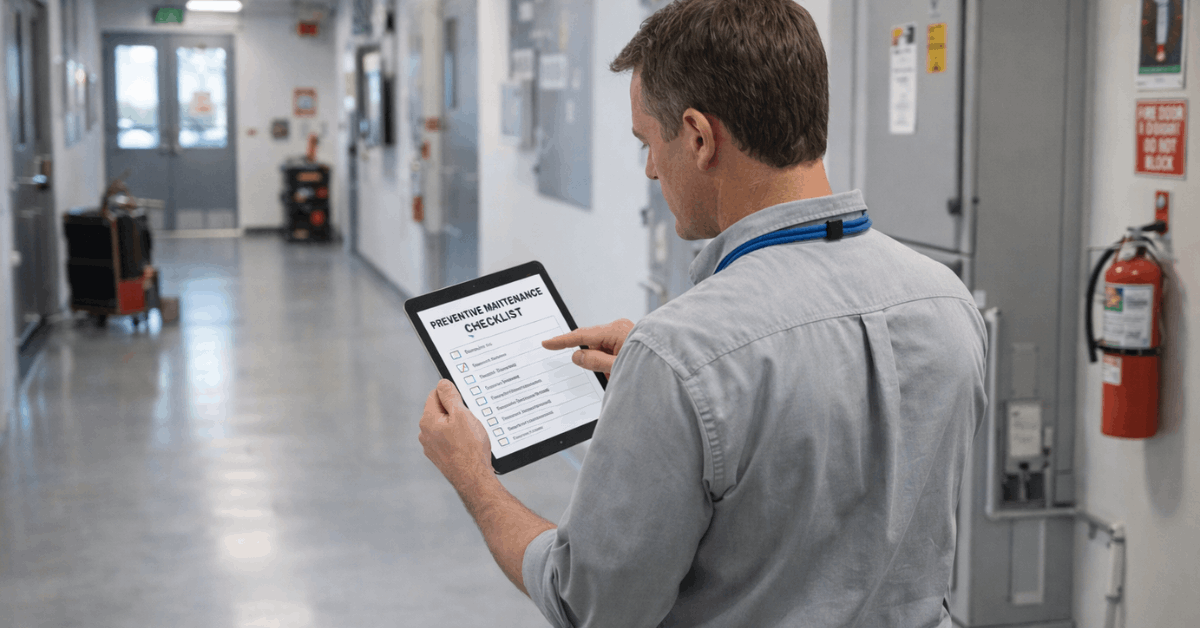
Routine service checkups are the foundation of a reliable program. These visits verify safety functions, inspect wear points, check lubrication needs, test controls, and confirm that equipment is still working within expected limits.
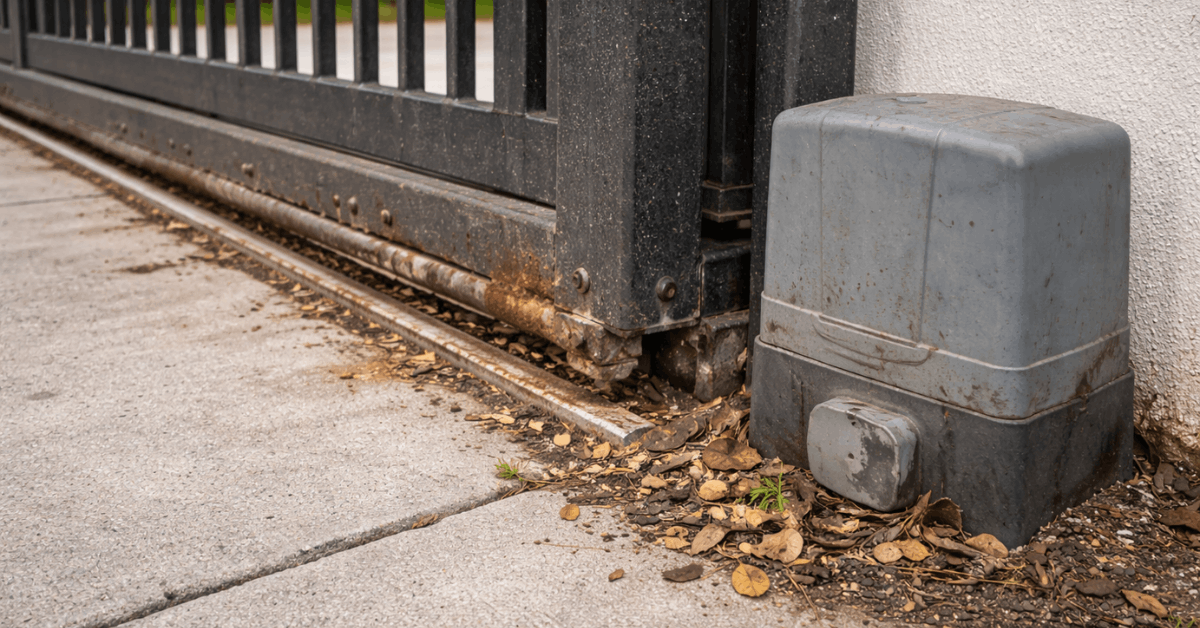
For homes, this may include HVAC filters, drainage, rooflines, gates, doors, and moisture-prone areas. For businesses, it may include systems with higher operating demands.
The frequency should match the environment. Dusty sites, harsh weather, heavy use, and critical operations usually need tighter service intervals.
Lower-use systems may not need the same cadence, but they still need scheduled attention. The goal is to match maintenance to real risk and usage.
Emergency Response and Spare Parts
Even with good planning, some problems still happen. A maintenance program should define what counts as urgent, who responds, how fast they respond, and what parts are likely to be needed.
This prevents confusion when something fails. Clear response planning reduces downtime and decision delays.
Spare parts also matter. If common parts are not available, small failures can become long outages while teams wait for delivery.
Businesses may need staged inventory for critical equipment, while homeowners may only need basic replacement items or service contacts ready. Planning ahead avoids rush costs and avoidable waiting.
Lifecycle Planning and Replacement Timing
Maintenance should not only focus on fixing what breaks. It should also track the age, condition, usage, and repair history of important systems.
This helps owners decide when to repair, upgrade, or replace equipment before failure becomes disruptive. Lifecycle planning protects long-term budget stability.
A simple asset register can help. Record install dates, service history, part numbers, warranty details, and recurring issues.
Over time, those notes show patterns that memory alone may miss. Replacement decisions become easier when they are based on evidence, not guesswork.
Choosing the Right Maintenance Program for the Property
The right program depends on the type of property, the systems involved, and the cost of failure. A commercial site with elevators, gates, HVAC, fire-rated doors, lighting, and backup power usually needs a broader service plan.
A home may need a lighter rhythm focused on HVAC care, roof and gutter checks, gate service, plumbing, and moisture control. The best plan fits the actual risk level.
Budget also matters, but cutting maintenance completely is rarely the best form of savings. A better approach is to prioritize high-risk systems first.
Safety devices, water-related areas, access systems, and equipment that affects daily operation should not be left to chance. These are the areas where neglect can create the biggest consequences.
For specialized systems such as gates, doors, commercial access points, or critical equipment, it may be worth working with a provider that offers routine checkups, emergency repair, technical support, and lifecycle guidance.
The service agreement should clearly state response expectations, covered tasks, exclusions, and documentation. Clear terms prevent confusion during urgent situations.
Warning Signs That Maintenance Is Falling Behind
A maintenance program may be slipping before a major breakdown happens. One sign is a growing backlog of small work orders that never fully close.
Another is the same issue returning after quick fixes. If teams are repeatedly working around quirks, silencing alarms, or delaying minor repairs, the system is already showing signs of maintenance fatigue.
Rising energy bills can also be a warning sign, especially when usage and weather have not changed much. Clogged filters, worn parts, poor calibration, and struggling equipment can all increase energy use.
Unusual heat, vibration, leaks, or noise after operation should also be investigated. These signals often appear before a full system failure.
Inventory problems matter too. If common spares are missing or long-lead parts are never planned, downtime becomes harder to control.
A good program makes routine repairs easier to complete on time. When parts, records, and ownership are unclear, small maintenance gaps can become costly operational delays.
Simple Maintenance Loops for Homes and Small Sites
Homes and smaller properties do not always need a formal program, but they do need a rhythm. A monthly visual check can cover leaks, rust, loose hardware, abnormal noise, and damp areas.
Quarterly servicing can include HVAC filter checks, detector tests, drain maintenance, gutter checks, and lubrication for hinges or rollers. These loops keep common risks visible.
Seasonal checks help prepare for weather changes. Before heavy rain, inspect roof edges, gutters, sealants, and stormwater paths. Before heat waves or cold periods, check HVAC readiness and outdoor water points.
A semiannual safety review can include gates, doors, emergency lights, alarms, and access points. Small routines prevent last-minute repair stress.
The annual review is where owners can step back. Update the checklist, look at repeated failures, review repair costs, and decide whether any system is nearing replacement.
This is also the right time to adjust the maintenance schedule. A simple yearly review keeps the whole plan realistic.
Why Documentation Makes Maintenance Easier
Good records make maintenance easier because they reduce confusion. Asset IDs, install dates, service history, part numbers, warranty details, and past failures help owners and service providers act faster.
Without records, each repair starts with guesswork. Documentation saves time during troubleshooting.
For businesses, documentation also supports compliance and insurance. Fire-rated doors, emergency lighting, lifts, and other regulated systems may require documented testing.
Insurers may ask for service records after incidents or claims. Clean files show diligence and can help avoid delays or disputes.
Homes can benefit from the same habit on a smaller scale. Photos, receipts, product manuals, filter sizes, paint codes, and service notes can all be stored in one folder.
This makes future repairs, warranty claims, and resale conversations smoother. Good records turn maintenance into a clearer long-term system.
Also read: How to Keep Items Working Well
Control Costs Without Cutting Corners
Cost control should come from better planning, not skipped care. Multi-site agreements, grouped service visits, off-peak scheduling, and standardized parts can reduce cost without increasing risk.
Ordering common parts before emergencies also prevents rush premiums. Smart maintenance spending protects cash flow and reliability.
For homeowners, cost control may mean grouping several minor repairs into one handyperson visit or scheduling seasonal work before contractors are fully booked.
For businesses, it may mean consolidating vendors, reviewing service intervals, or staging spares for critical systems. The goal is to reduce waste while still protecting safety and uptime.
Avoid cutting the tasks that prevent the most expensive failures. Moisture control, safety inspections, HVAC maintenance, access system checks, and drainage care often save more than they cost.
If a task protects people, prevents water damage, or keeps operations running, it should be reviewed carefully before removal.
Build a Practical Action Plan
A practical plan starts with an inventory. List the systems, equipment, or property areas that need care, then assign a frequency and owner for each one.
Keep the schedule visible so it does not depend on memory. Maintenance is easier when responsibility is clearly assigned.
Next, review recurring problems. If the same issue keeps returning, look for the root cause instead of repeating temporary fixes.
A gate that keeps misaligning may need adjustment, a damp cabinet may need ventilation or plumbing repair, and a machine that runs hot may need deeper inspection. Solving patterns prevents repeat repair costs.
Finally, review the plan quarterly. Check what was completed, what failed, what cost more than expected, and what needs a different cadence.
This review does not need to be complicated. A short update can keep the program aligned with real conditions.
Make Maintenance a Standing Rule, Not a Sprint
Maintenance becomes more effective when it is treated as a steady system rather than a rushed response. Clear schedules, practical records, routine inspections, and reliable service support help protect safety, uptime, property value, and budgets.
The main point is to catch small issues while they are still manageable. That is how owners and teams avoid neglecting maintenance without turning upkeep into constant stress.
Start with the systems that would cause the biggest disruption if they failed. Build a simple schedule, document what happens, and adjust the plan when patterns appear.
The payoff is not only fewer repairs; it is a property or operation that feels more reliable. Over time, steady care creates less downtime and fewer surprises.