Most people try to organize their entire home in one Saturday and burn out by noon. That cycle is the problem, not the mess.
Small, repeatable routines beat big, dramatic cleanups every time. And if you have never had a system before, that is actually good news.
This is for the person who keeps restarting from zero. The one with a pile on every chair and keys that are never where they should be.
I think the biggest lie in home organization advice is that you need a free weekend and a label maker to get started. Every major publication tells you to "set aside dedicated time." That framing guarantees failure for anyone with a real schedule.
The routines below are built around 10 to 30 minutes, not entire days. They are designed for small spaces, normal lives, and the kind of mess that comes back every single week.
The 10-Minute Daily Reset: Your New Non-Negotiable
The daily reset is the foundation on which everything else builds. Set a timer for 10 minutes, pick a consistent trigger like after dinner or before plugging in your phone for the night, and move through your visible surfaces and high-traffic zones only.
A reset is not cleaning. Let me be clear about that distinction because it matters.
A reset means:
- Hanging bags and putting shoes in one spot
- Clearing the kitchen table or counter
- Returning anything that migrated during the day back to its actual home
It does not mean reorganizing drawers, sorting paperwork, or wiping down every surface. Stop at 10 minutes even if the space is not perfect. Consistency is the entire point.
The trick that makes this automatic is attaching it to something you already do. Start the dishwasher, then reset. Plug in your phone, then reset. Keep a small basket, a trash bag, and a microfiber cloth in one visible drawer so there is zero friction to starting.
If you miss a day, restart the next day without catch-up. The routine is the system. A skipped day is not a failure.
The Entryway Drop Zone: Stop Clutter at the Door
Clutter does not appear in the middle of your living room. Most of it walks in through your front door and immediately loses its home.
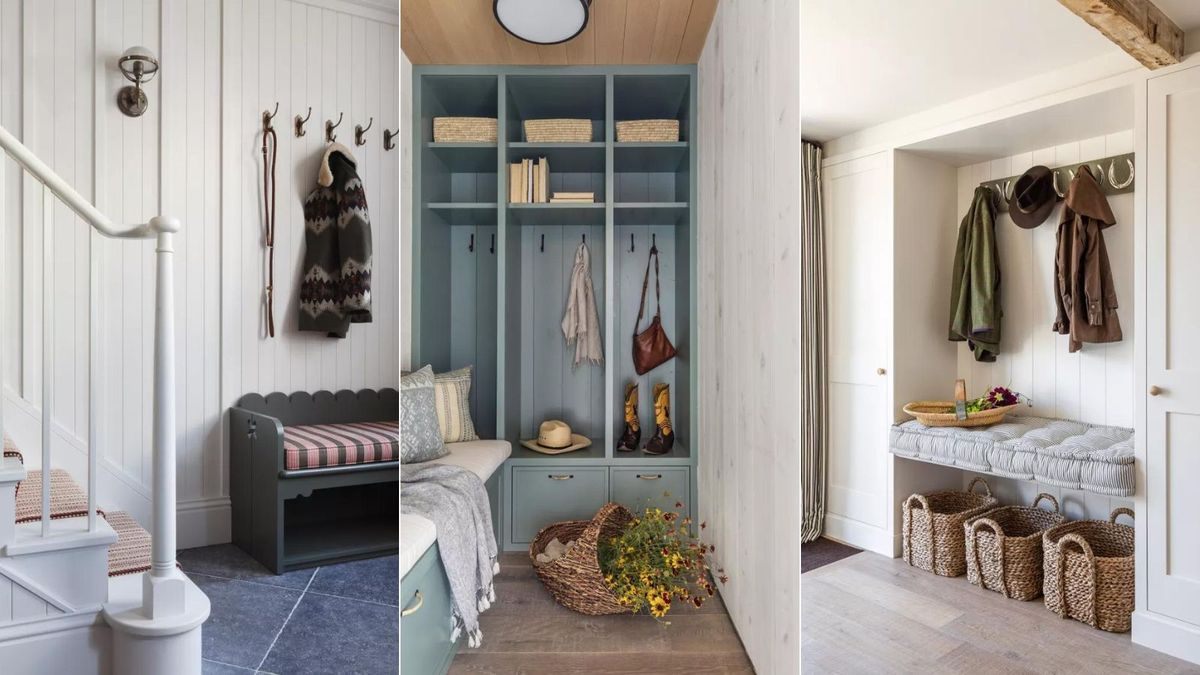
One dedicated landing spot near the entrance solves this. Use a hook for bags, a tray for keys and small items, and one bin for shoes. A consistent location does more work than any label.
Handle incoming mail in 60 seconds flat. Stand over a trash can, recycle junk immediately, and drop action items into one thin folder that lives in the same place every single time. File important papers once a week, not every day.
Set a hard limit for the space: one tray, one bin, one hook per person. When the space fills up, something has to leave before something new enters. Run a quick check on the drop zone during your daily 10-minute reset so it never quietly overflows.
My take on this: the entryway routine is the single fastest win for a beginner. A clear entry makes the rest of the home feel more organized than it is, which builds enough momentum to keep going.
Also read: Home Organization for People Who’ve Already Tried and Watched It Fall Apart
Organizing Room by Room Without Losing Your Mind
The Two-Day Room Sweep That Actually Repeats
Cleaning your whole house in one shot is harder to repeat and easier to dread. Instead, split it across two short sessions.
Day one covers high-traffic rooms: kitchen, living room, and entryway. Return items to their homes, reset surfaces, and clear floors. Stop when the room is functional, not perfect. "Functional" is the real goal.
Day two covers private rooms and storage zones: bedrooms, bathrooms, and one storage area like a closet shelf or hallway cabinet. Do a fast scan for laundry, toiletries, and anything that migrated into the wrong room. End by placing one "maybe donate" bag near the door so it actually leaves your home.
Use 20 minutes per room with a phone timer. Play one playlist. Give the session a clear start and stop so your brain knows when it is over.
The Weekly Laundry and Linens Loop
Textiles are one of the biggest clutter drivers in most homes. Clothes on chairs, towels on floors, sheets that have not been changed in longer than you would admit. A simple weekly rhythm fixes all of it.
Pick a plan that matches your household: one load per day, or two bigger laundry days per week. The best plan is the one you can repeat without dread. There is no universally correct schedule.
Fold everything in one spot, like a cleared bed or table, so you are not wandering mid-task. Use loose categories: tops, bottoms, socks. Skip the perfect sub-sorting. Put items away immediately after folding because a folded pile sitting on a chair is still clutter.
Add a linen reset to the same weekly loop. Pick one day for towels, one day for sheets. Store linens near where they are used so the swap takes two minutes instead of ten.
The Monthly Habit That Prevents Silent Clutter Buildup
One Zone, 30 Minutes, Once a Month
Drawers and cabinets fill up slowly. You do not notice until one day you cannot close the bathroom cabinet or find the scissors. The monthly 30-minute declutter targets one small zone at a time, so it never becomes overwhelming.
Choose a single spot: one bathroom cabinet, one kitchen drawer, one closet shelf. Empty only that zone, sort quickly, and return only what you use. Start with expired items, broken items, and duplicates because those decisions are easy and build momentum.
Use a simple keep-or-go rule:
- Keep items you used in the last month
- Keep items that serve a real, near-future need
- Release anything that requires "someday" motivation, because someday rarely shows up
- When stuck, keep the best version and let go of the extras
While you are in that zone, write down anything running low: trash bags, dish soap, batteries. Store backups together so you can check stock at a glance. This one small habit stops last-minute shopping trips and prevents the overflow that creates new clutter.
Questions People Ask About Home Organization Routines
Q: How long does it take before these routines feel automatic? Most people feel a real difference after two to three consistent weeks, not months. The daily reset especially tends to click fast because it is short enough that your brain stops resisting it. The goal is to make the routine boring, which is when you know it is working.
Q: What if I live with other people who do not follow the same system? Start with your own spaces and the shared drop zone only. Trying to overhaul the whole household at once creates conflict and usually collapses. One visible, functional shared system tends to quietly spread on its own over time.
Q: Do I need storage bins and labels before I start? No, and buying organization supplies before you have a working routine is one of the most common beginner mistakes. Sort and simplify first. Buy only the specific containers you need after you know exactly what you are storing and where.
Q: Is it better to do everything on a weekend or spread it through the week? Spreading works better for most people because it lowers the mental weight of each session. A 10-minute daily reset plus one 20-minute room session mid-week is far easier to sustain than a two-hour Saturday overhaul, according to behavioral habit research covered by Verywell Mind.
Q: What is the difference between organizing and decluttering? Organizing gives existing items a home. Decluttering removes items that do not need a home. Both matter, but trying to organize before decluttering is like arranging furniture in a room that is too full. Start with the monthly zone purge before investing in any new storage systems. The Apartment Therapy guide on decluttering covers this order of operations clearly.
Conclusion
Start with the daily reset and the drop zone this week. Add one more routine after seven days of consistency.
A home that stays organized is not a destination you reach once. It is a rhythm you repeat until it stops feeling like effort.