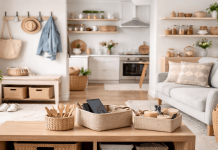
Home organization often feels complicated because systems are built around ideal behavior rather than real life.
This guide shows you how to simplify home organization by creating setups that are easy to use, easy to maintain, and realistic for daily routines.
You will learn how to reduce friction, limit decisions, and build systems that actually last.
Understand What “Simple” Really Means
Simple organization is about making your space easy to use every day. It focuses on reducing effort rather than creating perfect-looking rooms.
- Simple supports daily behavior: Your system should still work when you are tired or busy.
- Simple reduces decisions: Fewer categories make it faster to put things away.
- Simple favors access over appearance: Easy reach and return matter more than looks.
- Simple is easy to maintain: If it takes more than a few seconds, it will not last.
- Simple adjusts to real life: Your setup should change as your routine changes.

Start With Fewer Items
Simplifying home organization always begins with reducing excess.
Organizing becomes easier when you keep only what your space and routine can support.
- Clutter hides what you actually use: Too many items make essentials harder to find and put away.
- Organization fails without limits: Systems break when storage is overfilled, so fewer items keep them working.
- Unused items add maintenance work: Extra stuff takes space and attention, so removing it lowers effort.
- Fewer items speed up daily routines: You reset rooms faster when storage is not packed.
- Let space define how much you keep: Use available space as the limit so clutter does not return.
Create Simple Organization Zones
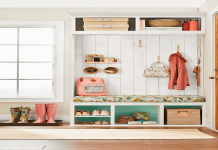
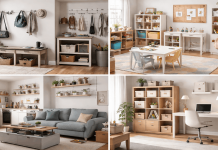
Organization works best when every area has a clear purpose. Simple zones help you know where items belong without thinking.
- Zones assign a clear function to each space: Every area should support one main task to reduce confusion.
- Items stay contained within their zone: Keep related items together so clutter does not spread.
- Zones match your real routines: Set storage based on how you actually move through your home.
- Clear zones speed up cleanup: You put things away faster when you know exactly where to put them.
- Simple zones are easy to explain and follow: Everyone can understand the system quickly in shared spaces.
Use Storage That Matches Your Space
Storage should support the actual space you have, not how much you want to store.
Choosing the right storage prevents overcrowding and keeps systems easy to maintain.
- Storage should fit the space, not force it: Containers must work within existing shelves, drawers, and rooms.
- Buy storage after measuring your space: Measuring first prevents wasted money and awkward setups.
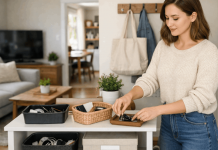
- Open storage works best for daily items: Visibility makes frequent use easier and faster.
- Closed storage helps control visual clutter: Hiding infrequent items keeps spaces calm.
- Avoid stacking blocks that are hard to access: Hard-to-reach storage discourages regular use.
Build Simple Daily Habits
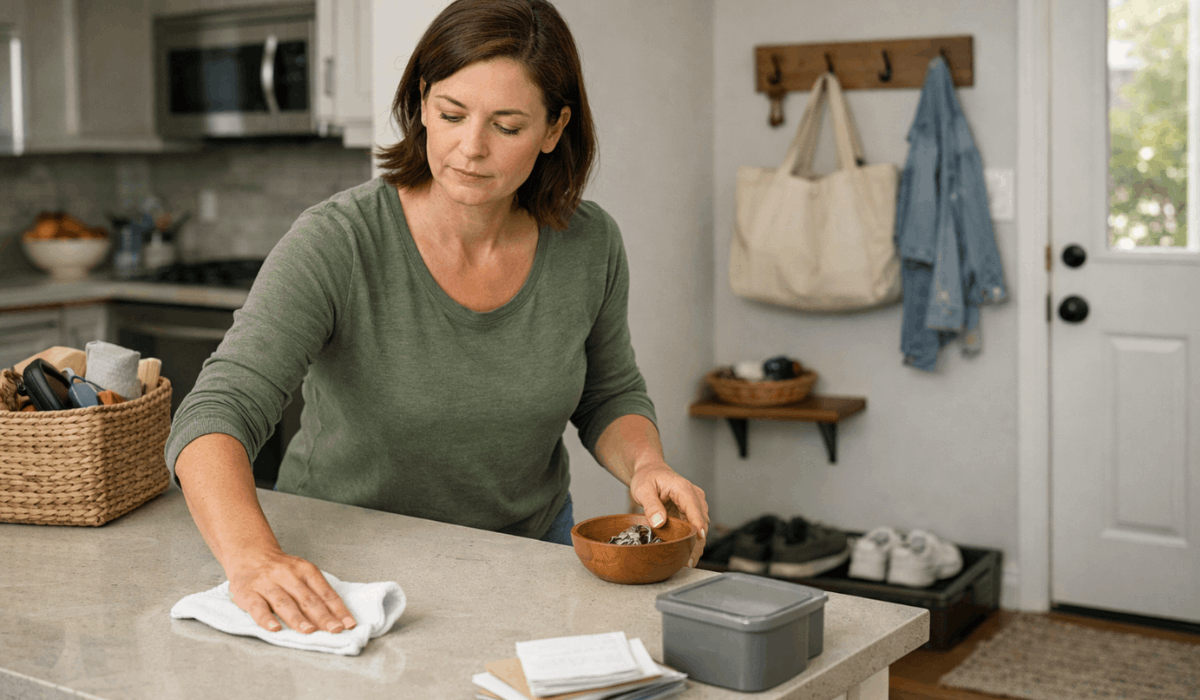
An organization lasts only when daily actions support it. Simple habits keep clutter from building without taking much time.
- Small actions prevent big messes: Short resets stop clutter before it spreads.
- Habits work better than motivation: Consistent routines matter more than effort.
- Daily resets protect organized spaces: Quick end-of-day checks keep order intact.
- High-traffic areas need regular attention: Kitchens and entryways benefit most from daily habits.
- Simple habits are easier to repeat: Low-effort routines stick longer.
Simplify Paper and Digital Clutter
Paper and digital clutter create hidden stress when left unmanaged. Simple rules make information easier to handle and retrieve.
- Create a single entry point for the paper: A single landing spot prevents piles from spreading.
- Sort paper immediately or discard it: Delayed decisions cause buildup.
- Limit digital folders and categories: Fewer folders make files easier to find.
- Delete regularly instead of saving everything: Reducing volume improves clarity.
- Match digital systems to how you search: The organization should reflect your habits.
Organize for Cleaning and Maintenance
The organization should make cleaning faster, not harder. A practical setup reduces the time needed for upkeep.
- Store cleaning tools near use areas: Proximity increases consistency.
- Keep surfaces intentionally clear: Clear areas are easier to wipe and maintain.
- Limit decorative items in high-use spaces: Fewer items reduce cleaning effort.
- Group supplies by task: Task-based storage speeds up routines.
- Design storage for quick access: Easy access supports regular maintenance.
Design Systems Everyone Can Follow
Shared spaces fail when systems are unclear. Simple, accessible rules keep everyone aligned.
- Use obvious and intuitive storage: People follow systems they understand instantly.
- Avoid over-detailed rules: Simple instructions are easier to remember.
- Prioritize reach and visibility: Easy access encourages correct use.
- Keep shared zones flexible: Flexibility reduces friction between users.
- Adjust systems based on feedback: Small changes improve long-term use.
Prevent Common Organization Problems
Most organizational issues come from predictable mistakes, not a lack of effort. Fixing these problems early keeps your system running in the long term.
- Too many items in one space: Overfilled areas break even good systems.
- Storage that is hard to access: If reaching items takes effort, clutter returns quickly.
- Systems that are too complex: Complicated rules are hard to follow daily.
- Shared spaces without clear rules: A lack of boundaries leads to confusion and mess.
- Ignoring routine changes: Systems fail when they do not adapt to new habits.
How to Organize a Small Home Without Adding Storage
Small homes require smarter use of space, not more containers. Organization improves when you control volume and layout instead of adding storage.
- Limit items to what the space can handle: Keep only what fits comfortably in each area.
- Use zones instead of extra furniture: Assign clear purposes to existing spaces.
- Store items near where they are used: Short distances reduce clutter spread.
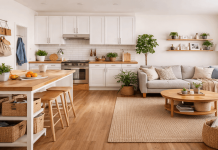
- Keep surfaces intentionally clear: Open surfaces make small spaces feel manageable.
- Reevaluate layout before buying storage: Rearranging often solves space problems.
Daily and Weekly Reset Routines That Prevent Clutter
Resets keep small messes from becoming overwhelming. Short daily and weekly routines maintain order without major effort.
- Daily resets focus on visible areas: Quick surface checks stop clutter from spreading.
- Weekly resets correct small buildup: Light reviews keep systems aligned.
- Resets work best when timed: Linking them to morning or evening routines improves consistency.
- High-traffic zones need frequent resets: Entryways and kitchens benefit most.
- Short resets are easier to maintain: Keeping routines brief prevents burnout.
How to Stop Re-Accumulating Clutter After Decluttering
Decluttering only works long-term when habits and limits support it. Preventing clutter from returning requires clear rules and consistent follow-through.
- Set firm limits for each category: Space boundaries prevent items from piling up again.
- Bring items in intentionally: Avoid impulse additions that break your system.
- Assign a home to every item: Items without a place quickly become clutter.
- Review problem areas regularly: Frequent checks stop buildup early.
- Let go again when limits are reached: Decluttering is ongoing, not a one-time thing.
Final Section: Making a Simple Organization Stick
Simplifying home organization works when your systems match how you actually live, not how you think you should live.
When you reduce excess, limit decisions, and support daily habits, your home becomes easier to manage and easier to maintain.
Start with one space today, apply one simple rule, and take action now to build an organization system that actually lasts.