The backpack dump happens the second your kids walk through the door. Shoes scattered across three rooms. Permission slips were lost somewhere between the car and the kitchen counter.
Most family organization advice assumes you have time to maintain elaborate systems with color-coded bins and detailed weekly schedules. But school nights move fast, and chaos accumulates faster.
The systems that work are simple enough to use when everyone is tired, rushed, and just trying to get through Tuesday evening without losing their minds.
Why Family Organization Systems Collapse After Two Weeks
Organizational systems fail when they require more steps than a tired parent or distracted kid can reliably complete. The system looks perfect on Saturday when you set it up with fresh motivation and empty counters.
By Wednesday evening, when someone needs soccer cleats in four minutes, and you can't remember if the permission slip got signed, the system falls apart. This isn't a discipline problem. This is a design problem.
The Real Problem Is Too Many Steps Between Action and Done
Every extra step between "I'm finished with this" and "this item is put away" creates friction. And friction creates piles.
If putting shoes away requires opening a closet door, moving other shoes, and placing them on a specific shelf, those shoes are staying on the floor. If storing a backpack means carrying it upstairs to a bedroom, the backpack lives by the front door forever.
Good family systems reduce steps to one or two maximum. Hook on the wall. Bin on the floor. Tray on the counter. Done.
I reorganized my entryway last fall to test this, and I went from a five-step shoe storage system to a simple open tray by the door. Shoes actually make it into the tray now, about 80% of the time, instead of the previous 20%.
Kids Follow Systems That Require Zero Thought
Your kids will use a system if it's easier to follow than to ignore. They won't use a system that requires reading labels, making choices, or remembering multi-step sequences.
Open bins beat lidded containers because kids can drop items in without opening anything. Visual labels with pictures beat text-only labels because recognition is faster than reading.
One color per child for hooks, folders, or drawers eliminates the "whose is this" question that creates morning arguments. The system makes decisions automatically instead of being optional.
Build Zones That Match Your Actual Chaos
Stop trying to force your family's habits into some idealized organization plan you saw online. Build zones where chaos already happens and make those zones functional.
If backpacks always land by the door, that's where the backpack zone lives. If mail always gets dumped on the kitchen counter, create a mail zone on that exact counter instead of trying to relocate the habit to a different room.
Entryway Drop Zones Stop the Morning Scramble
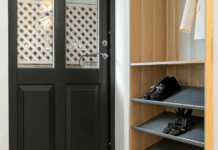
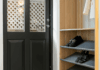
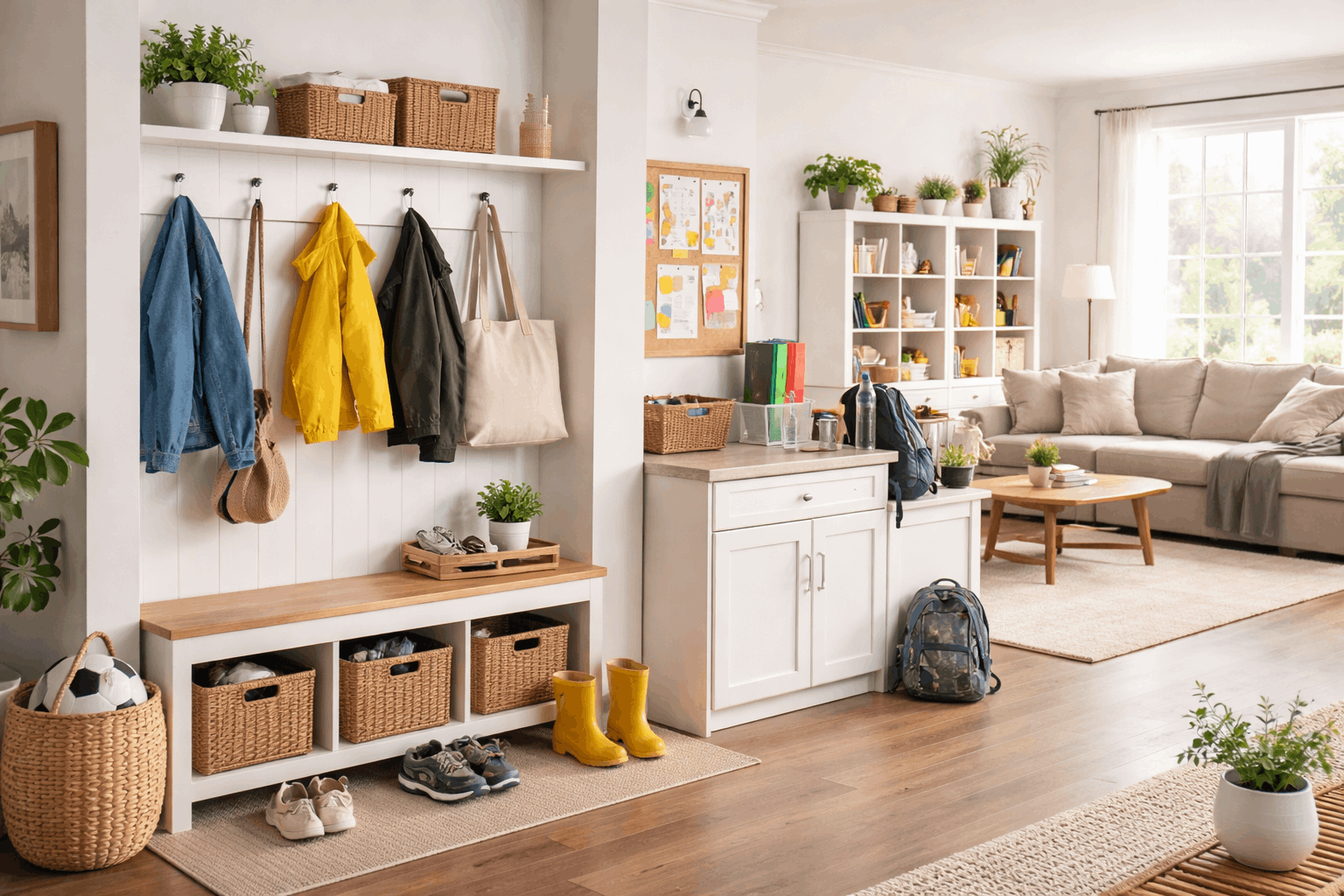
Create one designated spot for shoes, bags, coats, and keys that everyone hits the moment they walk inside. This zone should be visible from the entrance and reachable in one step.
The setup should include:
- Shoe tray to contain dirt and prevent tracking
- Hooks at kid height for coats and bags
- One small basket for items that belong elsewhere but need temporary holding
Keep this area easy to wipe down so dirt stays contained. When the zone gets messy, reset it instead of reorganizing your entire entry system.
My family fought the "shoes everywhere" battle for years until I moved a simple plastic tray right next to the door instead of keeping it inside the closet three feet away.
That three-foot difference was the entire problem. Shoes land in the tray now because the tray intercepts them where they naturally get kicked off.
Also read: How to Simplify Home Organization for People Who Keep Re-Organizing the Same Spaces
Kitchen Command Corners Contain the Paper Avalanche
Choose one small counter section or wall space for the family calendar, school papers, and daily essentials like chargers and water bottles.
Use a tray for incoming mail so it doesn't spread across the entire counter. Keep one container for lunch-packing supplies and one basket for permission slips that need action.
Wipe this surface daily so the zone stays functional and important papers don't disappear under random clutter. According to research from the National Association of Productivity and Organizing Professionals, designated paper zones reduce lost documents by up to 60% compared to letting paper land on random surfaces.
Storage and Labels That Kids Can Actually Use
Containers should make cleanup faster, not prettier. If a storage solution adds steps or requires fine motor skills your kids don't have yet, it won't get used.
The goal is systems that anyone in the family can maintain without needing to ask you how.
Open Bins Beat Lidded Containers Every Time
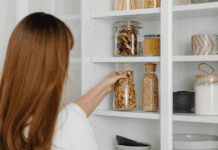
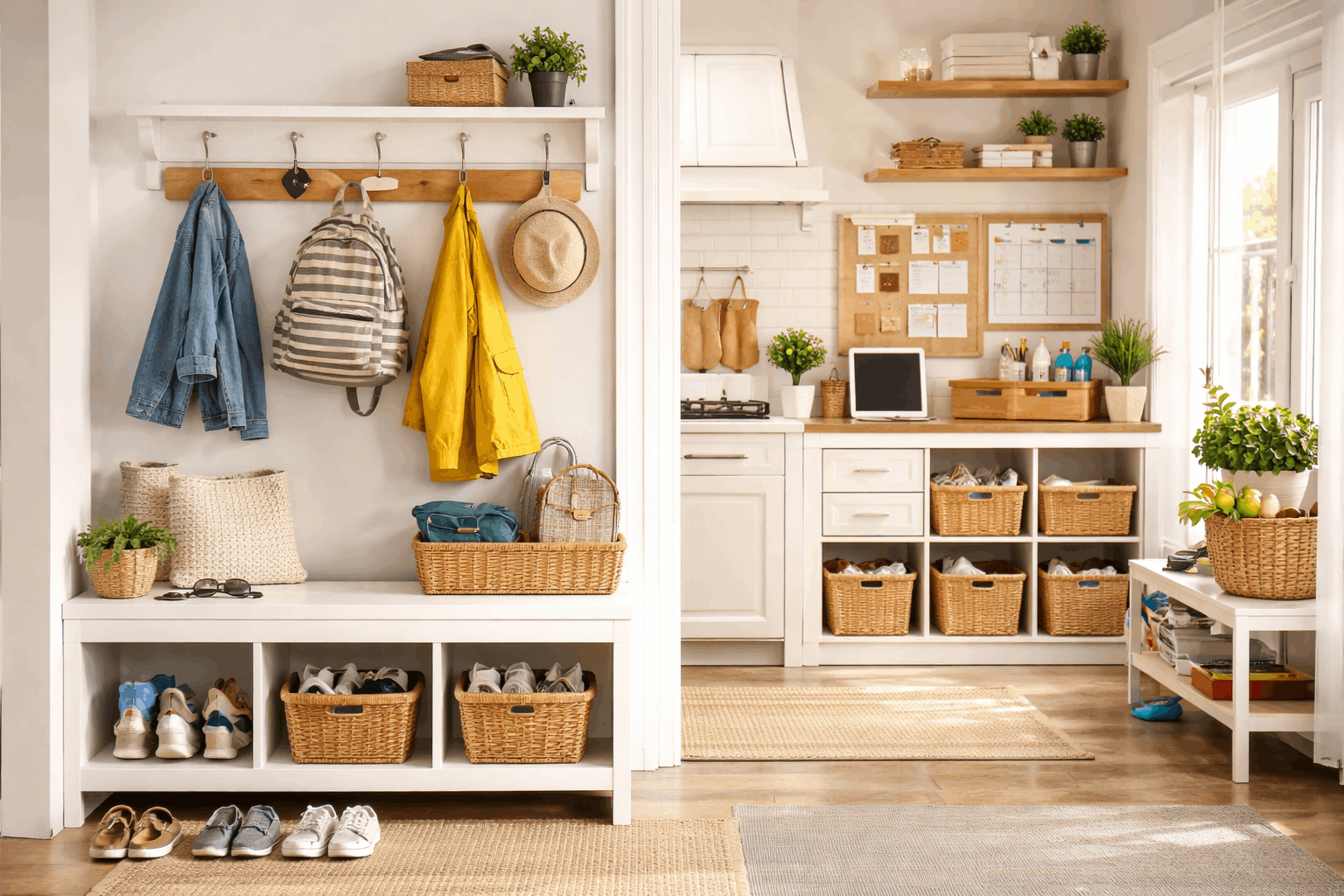
Lids slow down cleanup and add a decision point. Open bins let kids toss items in without stopping to remove a lid, fit it back on, or stack containers.
Choose bins that are light enough for kids to move independently and wide enough for easy dropping. A narrow bin requires aim. A wide bin catches whatever gets thrown in the general direction.
Keep only the current season in the main storage bins. Winter gear in summer just takes up space and makes finding the right items harder. Store off-season items somewhere less accessible.
I switched from stacking lidded bins to open fabric cubes for my kids' sports gear, and cleanup time dropped from "never happens without nagging" to "gets done in under two minutes." The difference was removing three friction points: unstacking, opening lids, and restacking.
Visual Cues Work Better Than Perfect Labels
Young kids respond to pictures faster than words. Older kids respond to short words faster than sentences. The label should communicate instantly what belongs in that space.
Use a photo of shoes taped to the shoe bin. Write "School Stuff" instead of "Educational Materials and Supplies." Draw a simple crayon icon for the art bin.
Assign one color per child for their personal items. This eliminates ownership arguments and makes visual scanning faster. Red hook is always Sam's. Blue bin is always Maya's. No reading required.
Replace worn or faded labels immediately so the system stays clear and doesn't turn into guesswork that frustrates everyone.
Reset Routines That Survive School Nights
Daily resets work when they're short, predictable, and tied to moments you already have in your routine. A ten-minute reset prevents clutter from becoming a full weekend project.
Focus on clearing surfaces, floors, and the zones that affect the entire family's morning. Skip deep cleaning. Just return items to their designated homes.
The 10-Minute Evening Sweep That Changed Everything
Set a timer and do one fast loop through the entryway, kitchen, and living room. Return items to their zones as you move through the space.
Use one basket to collect strays, then either put them away immediately or park them in a single return spot to handle later. Clear one main surface so tomorrow morning starts calmer.
My take on this is simple: if you can't finish it in ten minutes, you're trying to do too much. I limit the evening sweep to returning items to zones and clearing the kitchen counter.
Everything else waits for the weekend reset. This approach has kept the routine sustainable for over a year now.
Morning Launch Sequences Save 15 Minutes Daily
Pack bags and make lunches in the same order every single day so mornings need fewer decisions. Store backpacks, shoes, and outerwear together in one zone so kids can grab everything without backtracking through the house.
Do a quick check for water bottles, homework, and signed forms before anyone gets in the car. This catches problems while you still have two minutes to fix them, instead of discovering them in the carpool line.
When the launch sequence becomes automatic, you stop losing time to "where's my other shoe" and "did you sign this" conversations every morning.
Keep Clothes and Toys From Taking Over
Clothes and toys stay manageable when you set limits that match your available storage space. Use the container as the boundary. When the bin is full, items need to leave the house before new ones come in.
This one decision prevents overflow and keeps the organization stable without constant re-sorting.
Laundry Flow Without Floor Piles
Create one hamper per main area of your home and make it clear that clothes don't go on floors or chairs. This rule only works if hampers are easy to access and visible where people actually undress.
Fold or hang items right after the dryer finishes, so clean laundry doesn't create a second clutter problem. Treat stains immediately and air out damp items so clothes last longer.
The faster you move clean laundry from the dryer to storage, the less time it spends in "homeless pile" status on furniture.
Toy Rotation Prevents Overwhelming Cleanup
Unpopular opinion, maybe, but I think displaying all toys at once is a setup for failure. Kids get overwhelmed by too many choices and cleanup becomes impossible because there's just too much stuff out.
Store most toys out of sight and keep only a small selection available each week. Use one bin per type of play, like building blocks, pretend play, or art supplies.
Rotate the selection every week or two so toys feel fresh without buying new ones. Donate or pass on toys that never get played with so storage space supports the toys kids genuinely enjoy.
I started rotating toys when my living room looked like a toy store exploded, and cleanup took 45 minutes of crying and negotiation. Now we keep three bins out at a time, and cleanup takes under five minutes because there's simply less volume to manage.
Weekly Maintenance That Actually Gets Done
Weekly maintenance keeps small messes from becoming overwhelming weekend projects that eat your whole Saturday. Choose one short reset that touches the zones that drift during busy weeks.
Fix the system when it fails instead of blaming your family for not following it. This is where most organizational advice gets it wrong. If your kids aren't putting things away, the system has too many steps, or the zone is in the wrong place.
20-Minute Weekend Reset Covers the Drift
Pick one weekend day for a quick sweep of the entryway, kitchen, bathroom, and living room zones. Refill basics like hand soap, cleaning wipes, and laundry supplies so the week starts without mini emergencies.
Do a fast floor check for stray items and return them to their zones in one pass. This isn't deep cleaning. This is just catching the drift that accumulated during the five busy school days.
Seasonal Reviews Keep Storage From Overflowing
At each season change, remove outgrown clothes, broken items, and unused gear from active storage. Clean and store seasonal items properly so they're ready next time you need them.
Keep a donation bag in a closet so decisions happen gradually rather than facing a massive decluttering project once a year.
According to guidance from the Good Housekeeping Institute, gradual donation habits reduce household storage volume by an average of 15-20% annually without requiring dedicated decluttering sessions.
Questions People Ask About Family Organization
Q: How do I get my kids to actually put things away without constant reminders?
Make putting things away easier than leaving them out. Use open bins at the exact spot where items get dropped. Remove every unnecessary step. If the system still doesn't work after simplifying, the zone is probably in the wrong location. Move it.
Q: What if my partner doesn't follow the organization system?
The system is too complicated or unclear. Adults skip systems that require too much thought or too many steps just like kids do. Simplify the categories, use visual cues, and make sure zones are located where habits already happen.
Q: How many bins or containers do I really need for family organization?
Start with one bin per high-traffic category: shoes, sports gear, school essentials, daily toys. Add containers only when items don't fit the existing categories. Most families overestimate how many containers they need and end up with organizational complexity that actually makes cleanup harder.
Q: Should I organize by kid or by item type?
Item type works better for shared spaces and reduces decision fatigue. Each kid's personal items can be color-coded within the shared bins. This prevents duplicate storage systems and makes cleanup faster because items have one clear home instead of multiple possible locations.
Q: What's the biggest mistake families make with home organization?
Building systems that only work when everyone has peak energy and focus. Test your setup on a chaotic Wednesday evening when everyone is tired and rushing. If the system breaks down under real conditions, simplify it until maintaining it becomes truly automatic.
Keep Your Family's System Simple Enough to Actually Use
Family organization works when systems support your real daily chaos instead of fighting it with complicated rules and multiple steps.
Build zones where habits already happen, use open storage kids can manage independently, and keep reset routines short enough to finish on busy school nights.
Pick one high-traffic zone today, set it up with one-step storage, and test a 10-minute evening reset this week to build momentum that survives even your most chaotic days.