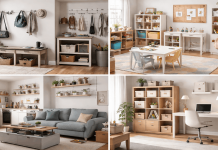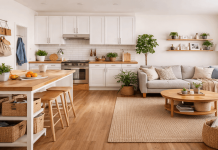
In busy homes, organization fails when clutter hides decisions, and systems do not suit daily habits. Home Organization Tips that actually stick: focus on repeatable steps, friction-free storage, and quick maintenance rituals.
Expect practical moves here: clear a zone, group items, contain categories, label, and train routines so order survives real life. Small wins compound into rooms that feel calmer and easier to use.
In most spaces, momentum beats perfection. Start small, keep sessions short, and aim for systems that reduce thinking. Progress shows up fastest when essentials live in obvious places, labels are plain, and return-to-home habits are simple enough to follow on the most hectic days.
A Proven 8-Step Reset
Daily messes fade once each space runs on a basic loop that is easy to repeat. This 8-step method works for a drawer, a closet, or an entire room.
The intro below frames the steps; each subheading then explains exactly what to do and what to avoid. Keep sessions tight and end with clear labels so family members can help without instructions.
Empty The Space
Start with a clean slate so blind spots disappear. Pull items out of the target zone or manageable sections of a larger room, then stage them on a table or floor in clear view. For whole rooms packed beyond comfort, divide the area into zones and cycle through them in sequence.
Declutter Ruthlessly
Treat every item as a decision. Remove broken gear, stained textiles, expired products, and duplicates that outnumber actual use. When hesitation creeps in, set a boundary such as one container per category or a fixed shelf footprint, then keep only what fits cleanly.
Group Like With Like
Create clear categories that reflect real usage: baking basics, travel-size toiletries, mail supplies, spare chargers, or board-game pieces. Categories reveal hidden duplicates, highlight gaps, and make storage choices obvious.
Corral Categories
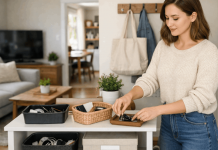
Contain each category so it cannot sprawl. Use bins, boxes, drawer trays, zipper pouches, or divided caddies. Repurpose shoe boxes, shipping boxes, or pantry jars when budgets are tight; smart storage solutions do not require premium products to succeed.
Label Clearly
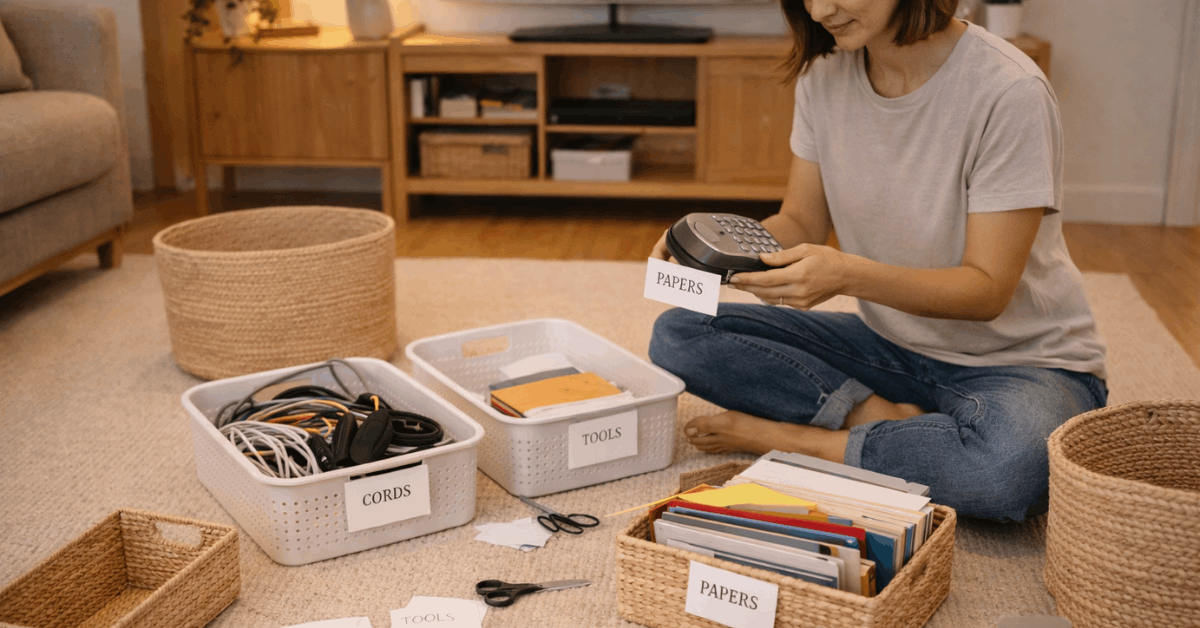
Make retrieval effortless. Print simple tags, use a label maker, or write on card inserts. Add contents lists for opaque bins or multi-item boxes so anyone can find and return items without guesswork.
Refill Intentionally
Place high-frequency items in prime spots, at waist-to-eye level. Push seasonal or seldom-used items higher, lower, or deeper. Keep categories intact during refill so the storage plan matches the labels.
Build Return-To-Home Habits
Protect the system with micro-routines. End tasks by sending tools back to labeled homes, keep a visible reminder on early days, and schedule a five-minute nightly reset in lived-in zones.
Tweak Systems That Fight Back
Replace lids with drawers where stacking blocks can access. Swap deep catch-alls for divided trays if small items migrate. Good systems feel easy; if a bin always overflows or a shelf stays messy, adjust the container or the category.
Room-By-Room Quick Wins
Homes stay organized when each high-traffic area gets a simple rule set and a few durable tools. The moves below translate the 8-step reset into targeted actions, keeping decisions fast and maintenance light. Rotate through rooms as needed and keep sessions short to preserve energy.
Kitchen Cabinet Organization
Use turntables for oils, vinegars, sauces, and spices to prevent bottle shuffles. Add vertical dividers for sheet pans and lids, and reserve a deep drawer with peg dowels or a rack for plates and bowls that store upright without chipping.
Closet Organization Ideas
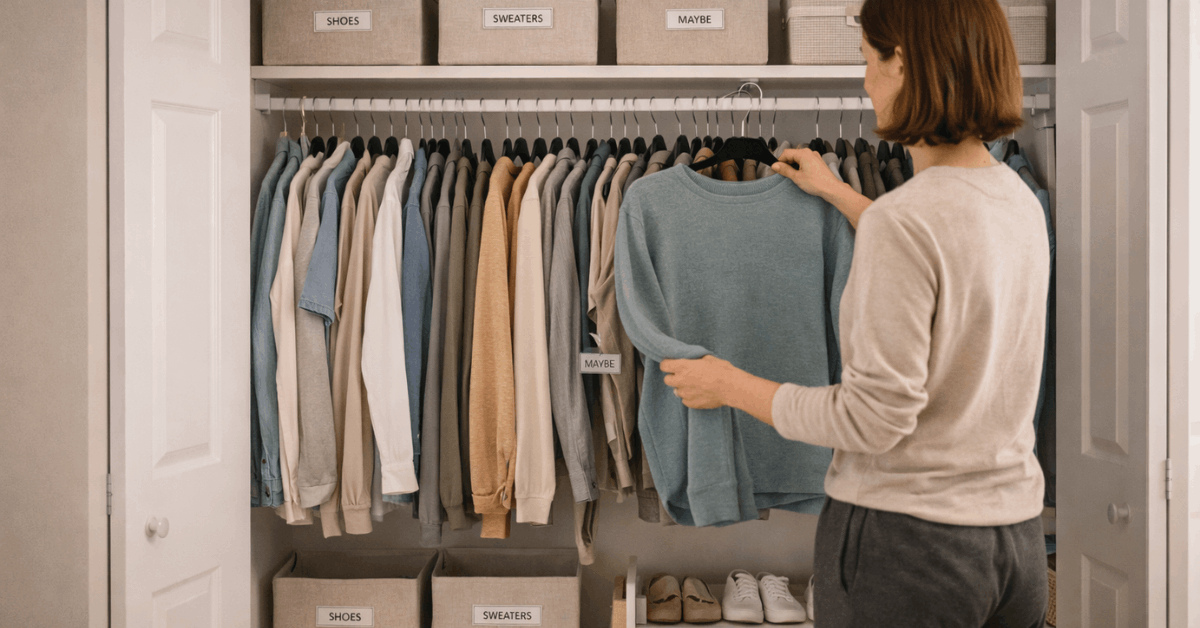
Choose uniform, non-slip hangers to stabilize fabrics and clean up the visual field. Add cascading clips for skirts and trousers, park off-season clothing in breathable bins, and stage a small “rotation” zone for pieces under review.
Laundry Room Organization
Mount a fold-flat drying rack, keep a clear countertop for sorting, and give each person a labeled “put away” basket that travels to bedrooms. Store stain tools at eye level so treatment happens immediately.
Bathroom Storage
Fit sliding shelves or stackable risers around plumbing under the sink. Use inside-door baskets for hair tools, and insert vanity trays that stop makeup and small items from drifting, then label the tops of tall containers.
Linen Closet
File-fold towels so edges face out and stacks stay stable. Keep sheet sets bundled inside one pillowcase, store guest linens together, and dedicate a shallow bin to travel-size toiletries to prevent hotel-sized clutter.
Living Room
Limit the coffee table to a tray that moves during meals or games. Corral remotes, chargers, and coasters there, and park spare throws in lidded baskets while keeping one lap throw visible for comfort.
Playroom and Toy Storage Ideas
Use open bins at child height and picture labels so cleanup is independent. Rotate toys in and out of a top-shelf “resting” bin to refresh interest without adding volume.
Home Office and Tech Tidiness
Mount a small pegboard for scissors, tape, and rulers, so desktops stay clear. Tame cables using a management box, clips along desk edges, and a simple sleeve for excess length. Park a charging drawer near the work zone to hide adapters.
Garage and Tools
Move heavy seasonal gear to sturdy wall racks and use ceiling storage for light bins and bikes. Dedicate a vertical strip to sports balls, a shallow cabinet to small hardware, and a single clear bin to paint supplies.
Dining Room and Entertaining
Stage a low-profile tray for everyday tabletop items that clears in one move. Inside the sideboard, group linens by size, add a shelf insert for glassware, and keep serving pieces visible to avoid unpack-and-repacks.
Crafting Corner
Choose clear boxes for materials so color and size are visible. Label by medium or project type, then park a wheeled utility cart nearby for in-progress sets that can roll away quickly.
Seasonal Swap
Apply a single “one in, one out” rule during wardrobe and décor changes. Clean and repair before storage, use lidded plastic for protection, and avoid compressing natural fibers so textures last.
Storage Types That Prevent Rebound Clutter
Short, targeted containers reduce decision fatigue and keep items in circulation. The table below maps common container types to best-fit uses so selection is faster, and errors are fewer.
| Container Type | Best For | Why It Works | Placement | Maintenance Cue |
| Turntables | Condiments, spices | Full visibility, no reaching behind | Upper cabinets, pantry | Wipe ring during refill |
| Divided Drawer Trays | Utensils, office smalls | Stops drift, easy counts | Kitchen, desk, vanity | Reset during weekly wipe-down |
| Lidded Clear Bins | Seasonal décor, backup stock | Dust protection, quick ID | High shelves, garage | Label date and contents |
| Open Baskets | Throws, toys, shoes | Fast toss-and-go access | Entry, living room | Empty when items overflow |
| Pull-Out Drawers | Under-sink, deep cabinets | Front access prevents pileups | Bath, kitchen | Purge when slide sticks |
Small Space Organizing That Feels Easy
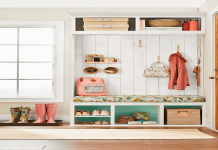
In tight rooms, vertical real estate and convertible pieces do the heavy lifting. Float shelves to free side tables, choose a lift-top coffee table that hides remotes and laptop gear, and add a wall-mounted fold-down desk that becomes art when closed. Ottoman storage near entry doors collects shoes or bags without broadcasting clutter. These moves support small space organizing without sacrificing comfort.
Drawer Organization That Actually Holds
Messy drawers return when compartments do not match the item size. Fit trays to the interior, assign each cavity to a single type, and line bases so trays do not slide. Reset quarterly by emptying one drawer at a time and asking whether categories still fit daily use.
Labels That Train The Household
Clear words beat clever names. Use “Snacks,” “Pasta,” “Cords,” and “Batteries,” not vague themes. Add contents lists to opaque bins and place labels at eye level for the user, not the tallest person in the house. Good labels reduce questions and keep helpers engaged.
Minimalist Home Organization Without Aesthetic Pressure
Minimalism means fewer, more useful items, not empty rooms. Set practical limits: one shelf of mugs, a single bin for sentimental paper, and a capped number of hoodies. These boundaries make minimalist home organization attainable without lifestyle theater.
Rapid Fixes For Everyday Snags
A few small upgrades remove recurring friction and keep order intact.
- Stage a hallway donation bag and drop one item weekly to keep volume in check.
- Add a mail sorter at the entry labeled “Action,” “To File,” and “Shred” to halt pileups.
- Park a “Do Later” box on a closet shelf for five-minute catch-ups after busy days.
- Mount a broom clip set on the back of a utility door to clear floor corners.
- Use a bike hoist or ceiling hooks to reclaim garage floor space quickly.
Maintenance Loops That Stick
Order survives through light, frequent touches. Schedule a ten-minute Sunday sweep for high-traffic zones, pair label refreshes with grocery restocks, and run a monthly micro-edit in a single category, such as t-shirts or pantry snacks.
A repeating decluttering checklist prevents backslides and keeps decisions easy.
When To Bring In a Professional
Outside help accelerates change when time is scarce or decisions feel heavy. Pros establish right-sized systems, set realistic limits, and teach maintenance habits that match family routines. Hire for a single room to build momentum, then replicate the approach elsewhere.
Room Starter Plans In Two Sentences Each
In each room, aim for two crisp moves that match your daily habits, then label to lock them in.
- Kitchen: Prioritize kitchen cabinet organization with turntables, divider files for lids, and a bin for back-stock so cooking stays swift. Keep food groups together and label shelves directly.
- Closet: Start with closet organization ideas such as uniform hangers, a rotation rail for “maybe” pieces, and breathable boxes for off-season clothing. Cap categories to the space actually available.
- Laundry: Build laundry room organization around a drying rack, a sorting counter, and one bin per person for clean-clothes delivery. Park stain tools at eye level to prompt immediate treatment.
- Kids: Focus toy storage ideas on open bins, picture labels, and a weekly rotation tote. Keep puzzles and sets in zipper pouches to prevent piece loss.
- Whole Home: Anchor choices in smart storage solutions that match habits over aesthetics. Refresh labels quarterly and keep edits quick to preserve momentum.
Last Thoughts
In the end, order sticks when systems match your habits and maintenance stays light. Start small, keep loops short, and let labels, containers, and clear homes coach your household.
After a few cycles, clutter loses ground because every item has an obvious return path. Keep momentum with weekly micro-resets and the eight-step reset when zones drift, and your spaces stay calm without extra effort.