A busy household does not need to run perfectly to feel manageable. It needs routines, shared expectations, and simple storage habits that reduce repeated stress. Creating order in a busy household means building systems that work during school runs, shift changes, errands, visiting relatives, and unpredictable days.
Order becomes easier when the home supports how people actually live. Bags need landing spots, meals need a plan, papers need one place to go, and everyone needs to understand what they are responsible for.
Build Routines Around the Hardest Parts of the Day
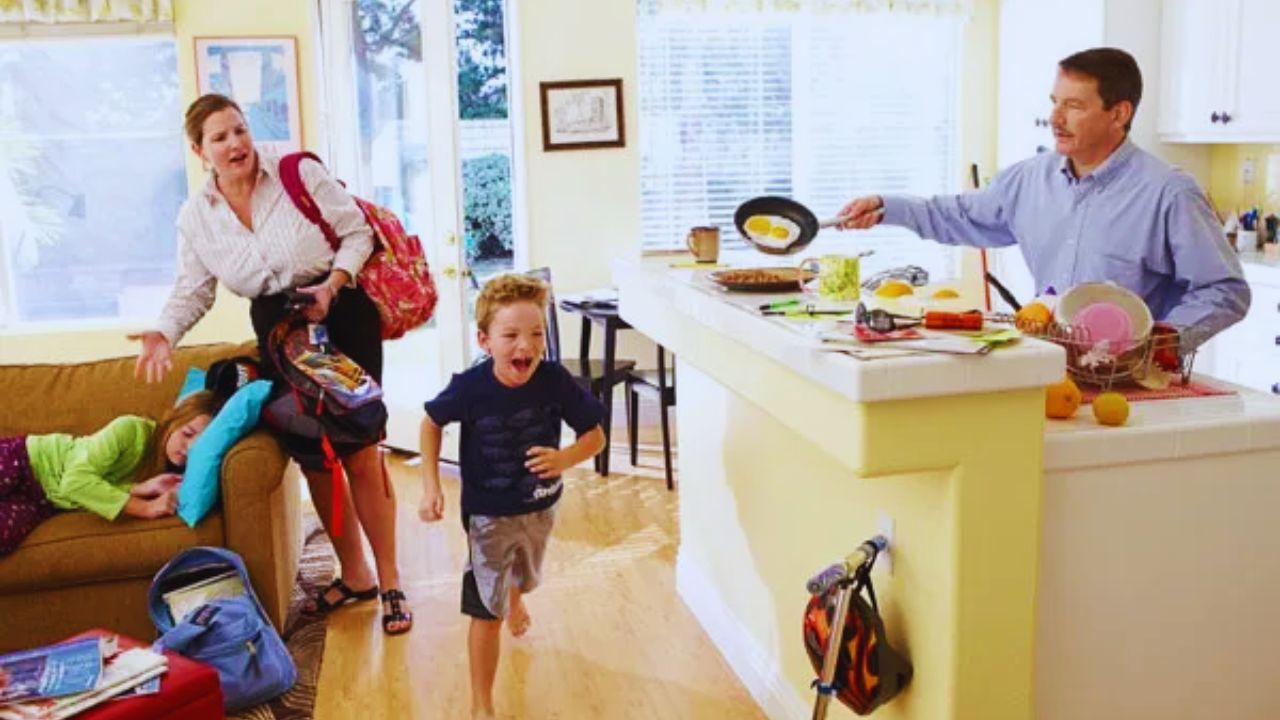
The best routines usually start where stress appears most often. For many families, that means mornings, after-school hours, after-work transitions, and bedtime. These moments carry pressure because people are tired, rushed, hungry, or moving between responsibilities.
Also Read: Home Organization That Saves Time
A routine should not feel like a strict schedule that breaks when one thing goes wrong. It should act more like a guide. When the same steps happen most days, everyone spends less energy deciding what comes next.
Make Mornings Easier the Night Before
A smoother morning usually begins before bedtime. Outfits, backpacks, lunch items, sports gear, keys, and permission slips should be checked before the day starts. This prevents the rush of looking for missing shoes, unsigned papers, or a clean uniform minutes before leaving.
A short visual checklist can help both children and adults. Keep it simple enough to follow quickly. If mornings are often chaotic, add a ten-minute buffer instead of planning every minute tightly.
Create a Reset After School or Work
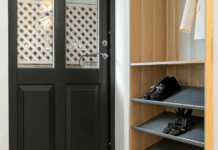
The first hour after everyone arrives home can easily become messy. Shoes, bags, mail, lunch boxes, and work items often land wherever there is open space. A clear arrival routine helps stop clutter from spreading.
Choose one drop zone for bags and shoes, one place for papers, and one routine for snacks or decompression. Children and adults may both need a short transition before homework, dinner, laundry, or errands.
Keep Evenings Focused on Tomorrow
Evenings should reduce the next day’s pressure. A short reset after dinner can clear dishes, return items to their places, and prepare what is needed for the morning. As bedtime approaches, reduce noise, screens, and last-minute tasks when possible.
Use a Shared Calendar Everyone Can See
A shared calendar prevents avoidable problems. School events, work shifts, appointments, due dates, bills, and family plans should not live only in one person’s memory. When schedules are visible, people can prepare earlier and depend less on reminders.

The calendar can be digital, physical, or both. A digital calendar works well for alerts, while a wall calendar near the kitchen or entryway helps everyone see the week.
Review the Week Before It Starts
A short weekly planning session can reduce confusion before Monday begins. Use it to confirm rides, meals, uniforms, appointments, deadlines, and schedule changes. This is also a good time to check whether the week needs easier dinners or extra prep.
Ten or fifteen minutes is usually enough when the system is already in place. The point is to catch conflicts before they become urgent.
Declutter in Small, Regular Sessions
Busy homes rarely stay organized through occasional deep cleans alone. Clutter returns when items have no assigned place or too many things compete for the same space. Small decluttering sessions are easier to repeat and less disruptive than full-house resets.
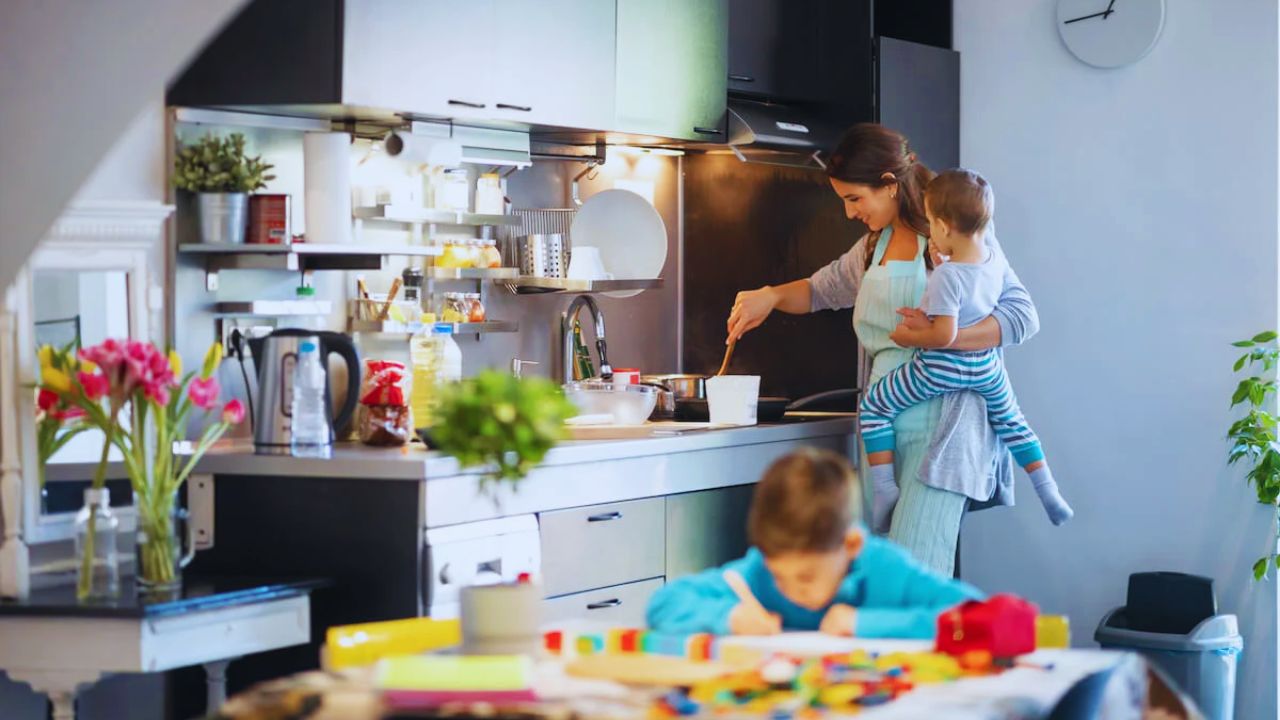
Start with one drawer, shelf, counter, or entryway corner. Remove what is broken, expired, duplicated, or no longer used. Keep the items that support the room’s purpose and move everything else to a better location.
Use Simple Decisions
Decluttering becomes easier when the questions are clear. Ask whether the item is used regularly, whether it has a proper home, and whether the household would miss it if it were gone. If the answer is no, it may be ready for donation, recycling, or disposal.
Donation bags should not sit for weeks in hallways or closets. Place them near the exit and schedule a drop-off. Until the item leaves the home, the decluttering task is not truly finished.
Share Responsibility Across the Household
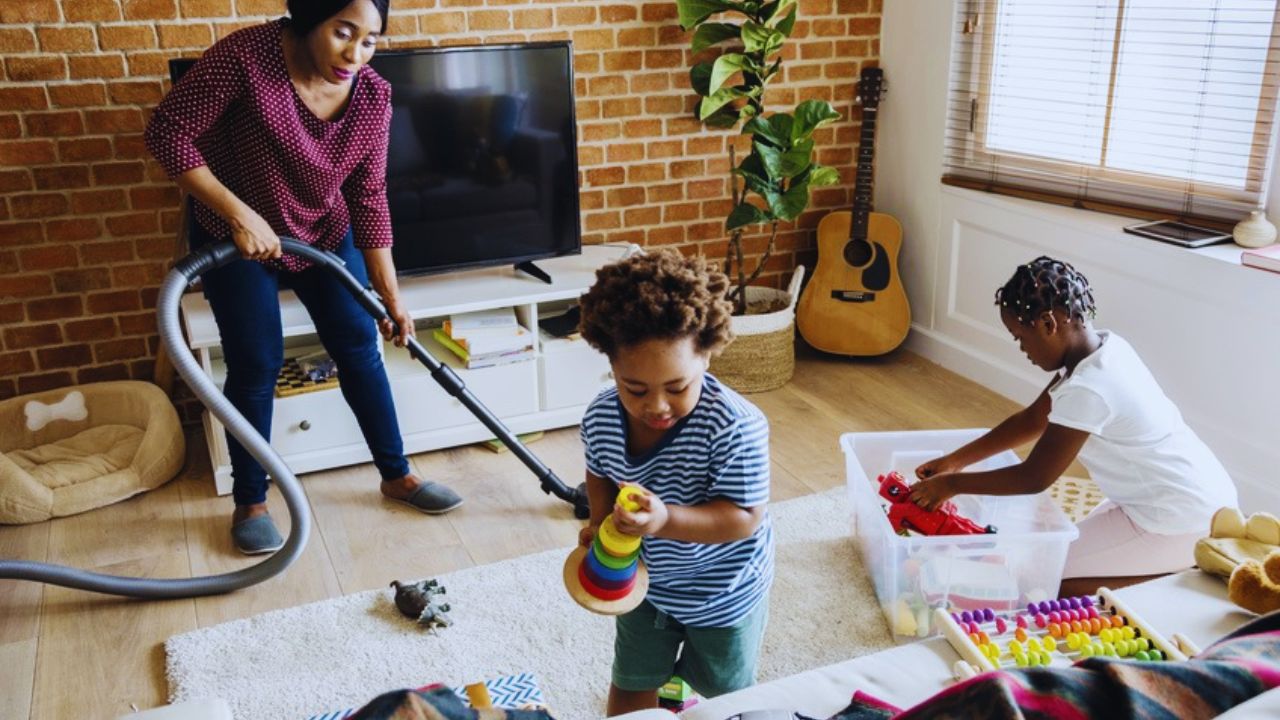
Order lasts longer when it is not carried by one person. Every household member can help at an age-appropriate level. Young children can return toys, wipe tables, feed pets, or place shoes in the right spot. Older children can help with laundry stages, dishes, vacuuming, and simple meal prep.
Adults should divide recurring responsibilities clearly instead of assuming one person will notice everything. A chore chart can help when tasks are repeated or easily forgotten. Keep it visible, simple, and realistic.
Keep Accountability Positive
Chores should not feel like punishment. Timers, music, and short cleanup rounds can make the process easier to start. If a chore keeps failing, check whether the task is too vague or difficult. “Put shoes in the basket” works better than “clean the entryway.”
Reduce Evening Stress With Meal Planning
Meal planning removes one common daily decision: what to eat when everyone is tired. A plan does not need to be complicated. A small rotation of easy dinners can work better than trying new recipes every week.
Choose meals that match the schedule. Busy nights may need leftovers, slow-cooker meals, frozen portions, or simple pasta, rice, eggs, or sandwiches. Grocery pickup, shared lists, and batch cooking can reduce errands and last-minute spending.
Use Tools Without Overcomplicating the System
Household tools should reduce work, not create more of it. A shared calendar, grocery list, mail inbox, command center, or simple task app can help if the household actually uses it. Too many apps, charts, and labels can become another form of clutter.
The best systems are easy to understand quickly. If a tool needs constant updating or explanation, simplify it. A basket near the door, a visible calendar, one paper inbox, and a quiet corner may solve more problems than a complicated setup.
Adjust the System When Life Changes
Household order needs flexibility. School schedules change, work shifts move, children grow, and family priorities shift. A routine that worked six months ago may need to be shortened, moved, or replaced.
Treat problems as information. If bags keep landing on the floor, the hook may be too high or too far away. If papers keep spreading across the table, the inbox may not be visible enough. Adjust the household system instead of blaming the people using it.
Conclusion: Build Order That Fits Real Life
A busy household stays calmer when routines are simple, responsibilities are shared, and common items have obvious homes. Start with the most stressful part of the day, then build small systems around it. Use a shared calendar, short resets, realistic meal planning, and clear storage rules to reduce repeated friction.
The goal is not a spotless home, but a household that can recover quickly and function well even when life is full. A practical routine works best when it supports real schedules, real energy levels, and daily family needs.