A home becomes harder to manage when items do not have clear storage places to return to. Clutter builds on counters, inside drawers, behind doors, and in closets because small decisions keep getting delayed.
Good organization is not about making every room look perfect. It is about creating simple systems that match how your household actually uses each space.
These home organization tips focus on changes that survive busy mornings, children, guests, and changing seasons. The goal is to make cleanup easier, reduce repeated mess, and give every important item an obvious place to go.
Start With One Clear Reset
Trying to organize the whole home at once usually creates more stress than progress. A better starting point is one small, focused area, such as a drawer, shelf, cabinet, closet section, or counter. Empty that space completely so you can see what is actually there.
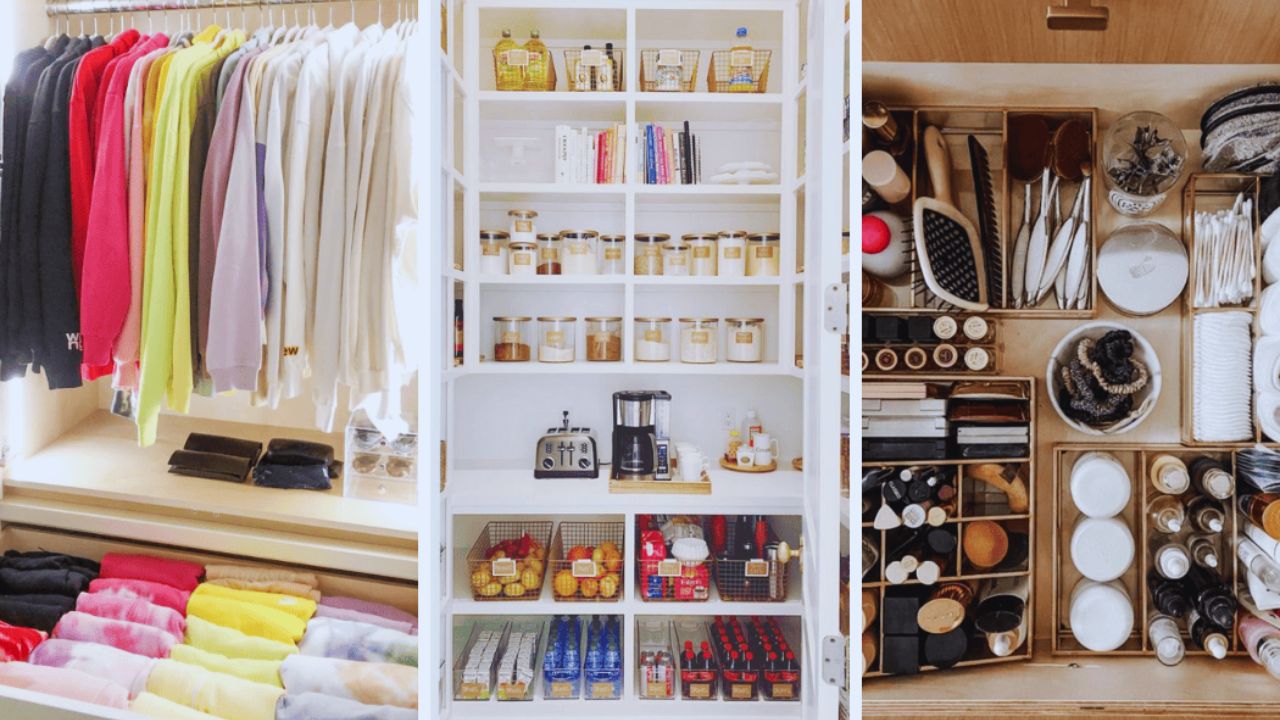
Once everything is visible, decisions become easier. You can spot duplicates, broken items, objects that belong elsewhere, and things you no longer use. This also shows whether the area has a clear purpose or has become a hiding place.
Remove What No Longer Belongs
Before buying containers or labels, remove what should not stay. Throw away expired products, stained textiles, broken tools, dried pens, worn-out items, and packaging that no longer serves a purpose. Donate or relocate useful items that do not belong in that specific storage space.
This prevents the mistake of organizing clutter instead of reducing it. A drawer may look neater after rearranging, but it will become messy again if too many unused items stay inside.
Group Items by Real Use
After decluttering, group similar items together. Keep chargers with electronics, cleaning products together, and mail tools near the area where papers enter the home. Categories should reflect real daily use, not how they look in a photo.
If a category is small, a drawer tray may be enough. If it grows often, it may need a bin with a clear limit. If items keep appearing in the wrong room, they may need a better location.
Also Read: How to Create Order in a Busy Household
Choose Storage That Reduces Friction
Storage should make items easier to find and put away. If a container has too many steps, such as lids, stacking, or awkward placement, people will stop using it. The best system is the one that works during a normal busy day.
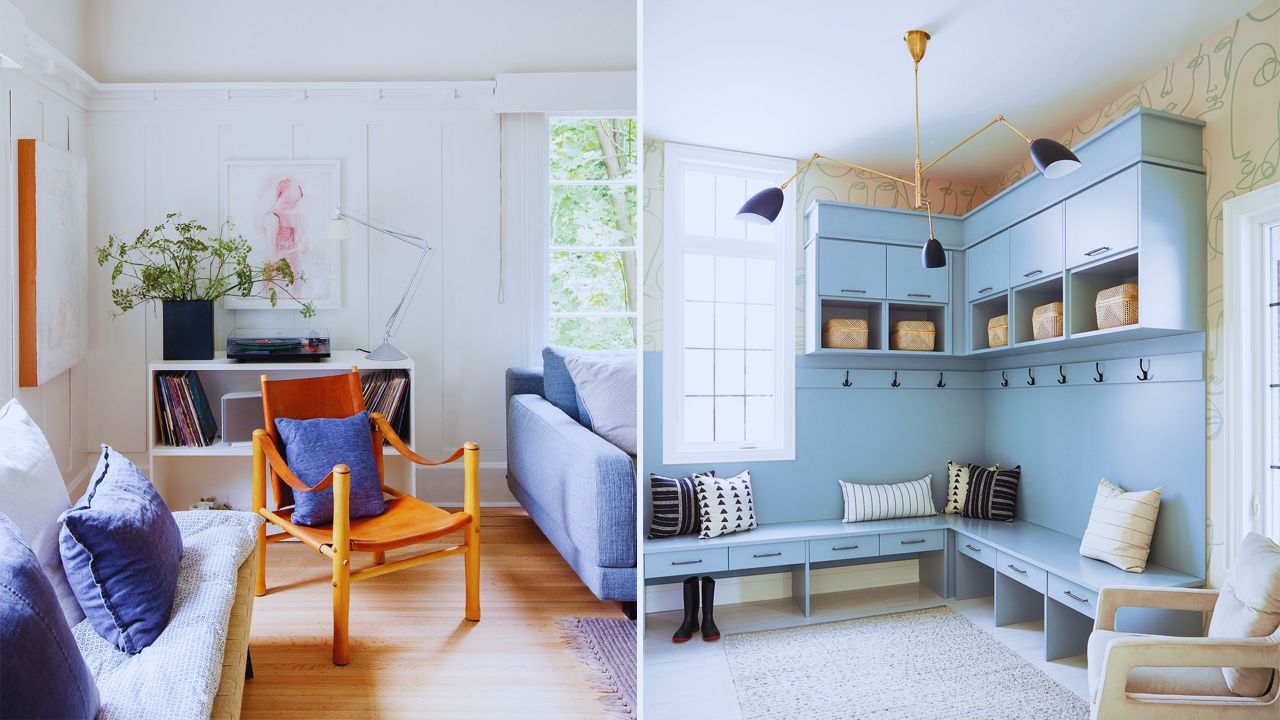
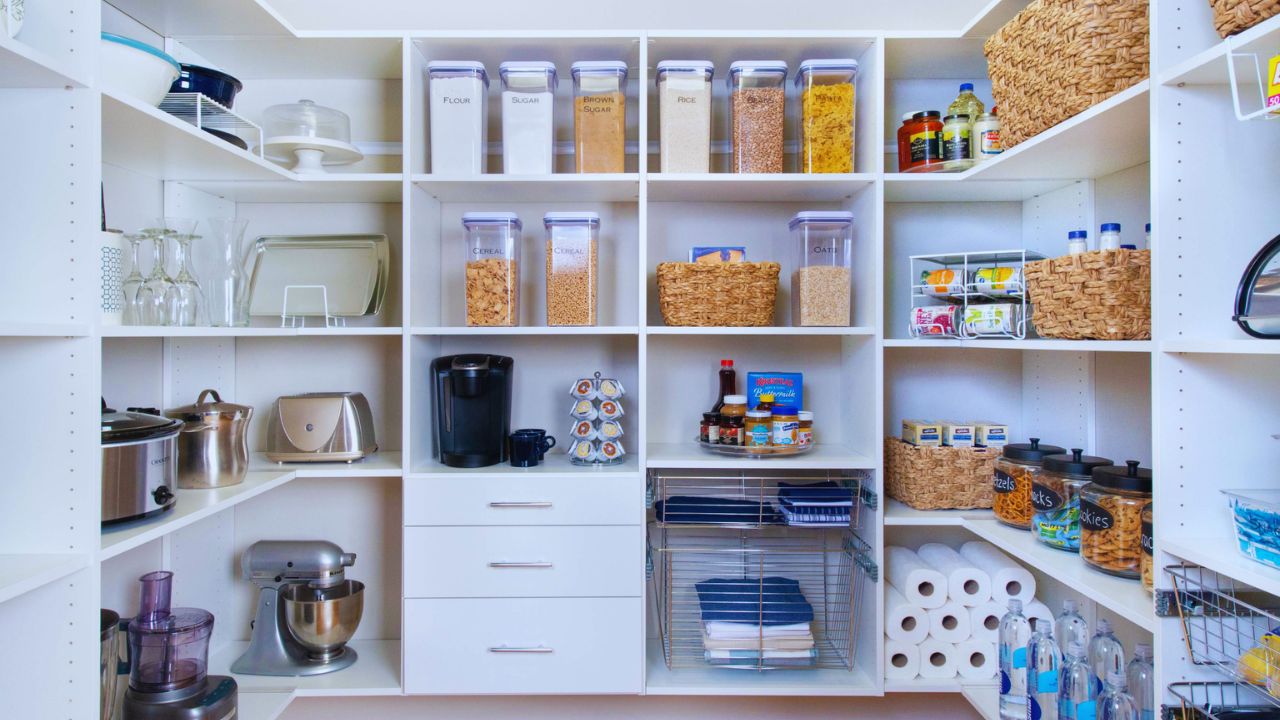
Open baskets work for toys, throws, shoes, and daily bags because items can be dropped in quickly. Divided trays are better for office supplies, utensils, makeup, and batteries. Clear bins help with seasonal items, pantry backups, and deeper spaces.
Put Frequently Used Items in Prime Spots
Items used every day should be easy to reach. Keep them between waist and eye level when possible. Store seasonal, backup, or rarely used items higher, lower, or farther back.
This placement rule makes routines smoother. Cooking tools should not sit behind specialty appliances, and daily toiletries should not be buried under backups. School bags, keys, and shoes should have quick-access storage near the entry.
Label Only Where It Helps
Labels are useful when several people share a space or when containers are not transparent. Use simple words such as “snacks,” “cords,” “batteries,” “medicine,” or “school papers.” Avoid clever labels that look nice but do not explain shared storage clearly.
Organize High-Traffic Rooms First
The rooms used most often should get attention early because improvements there are felt quickly. Kitchens, bathrooms, entryways, laundry rooms, and living rooms collect clutter faster than low-use areas.
When these high-traffic areas run better, the whole home feels easier to manage.
Make the Kitchen Easier to Work In
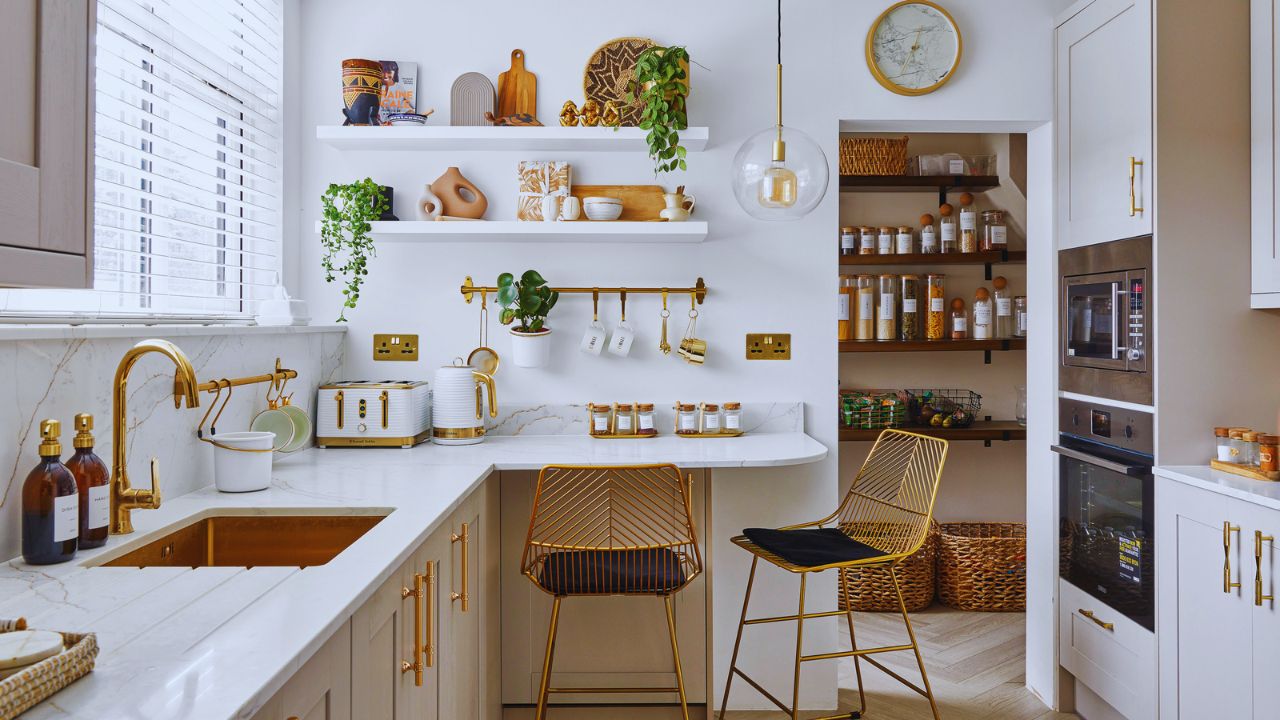
Kitchen organization should support cooking, cleaning, and restocking. Use turntables for oils, sauces, spices, and condiments so bottles do not get lost behind each other. Add vertical dividers for lids, trays, cutting boards, and sheet pans.
Cabinets work better when items are grouped by task. Daily dishes can sit near the dishwasher or table, and cooking tools should stay close to the prep area. This reduces movement and makes it easier to notice what is running low.
Keep Bathroom Storage Simple
Bathrooms often become crowded because small products multiply quickly. Keep daily items in one easy-to-reach drawer, tray, or shelf. Backups should stay in a separate bin so counters do not fill with extra bathroom bottles.
Under-sink areas may need sliding shelves or risers around plumbing. Hair tools can go in inside-door baskets, while towels and paper backups can stay in baskets or slim carts. Since moisture builds quickly, use labels that can handle humidity.
Give Entryway Items a Real Home
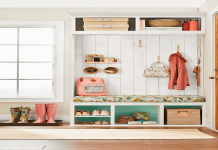
Entryways need fast storage because people are usually coming and going. Hooks can hold bags and jackets. A tray or small bowl can keep keys, wallets, and sunglasses from landing on random household surfaces.
The entry should not become a dumping zone. If mail, packages, school papers, or tools keep landing there, create a separate drop spot with clear categories and a short routine.
Use Small-Space Storage Carefully
Small homes need storage that uses height, doors, and furniture wisely. Floating shelves can free side tables. Over-the-door organizers can hold lightweight items in closets, bathrooms, kitchens, or utility spaces.
Furniture can also reduce clutter when chosen carefully. A storage ottoman can hold throws or toys. A lift-top coffee table can hide laptop gear, while a bed with drawers can store seasonal linens without adding extra furniture.
Maintain the System With Short Resets
Organization lasts when it has a simple maintenance loop. A ten-minute reset once or twice a week can keep busy zones under control. Focus on returning items to their homes, clearing surfaces, refreshing labels, and removing anything that no longer belongs.
If a space keeps getting messy, the system may be wrong for the way your household uses it. A lidded bin may need to become an open basket, or a deep drawer may need dividers. Change the current storage setup instead of forcing a system that keeps failing.
Conclusion: Make Organization Easy to Repeat
A home stays organized when systems match real habits. Start with one area, remove what does not belong, group items by use, and choose storage that makes returning items easy. Keep labels simple, place daily items where they are easy to reach, and reset busy areas before clutter spreads.
Over time, these systems make the home easier to clean, easier to use, and calmer to live in. The goal is not a perfect home, but a working household system your household can maintain without extra stress.