A cluttered home does not usually happen in one day. It builds slowly through unfinished tasks, duplicate items, crowded surfaces, full drawers, and things that never get assigned a real place.
To reduce home clutter long-term, the goal is not to clean everything once and hope it stays that way. The better approach is to create small rules, clear limits, and simple routines that keep clutter from returning during busy weeks, family visits, and seasonal changes.
This guide is for households that want a practical system, not a dramatic reset. It explains how to turn large piles into smaller decisions, then turn those decisions into habits that are easier to repeat.
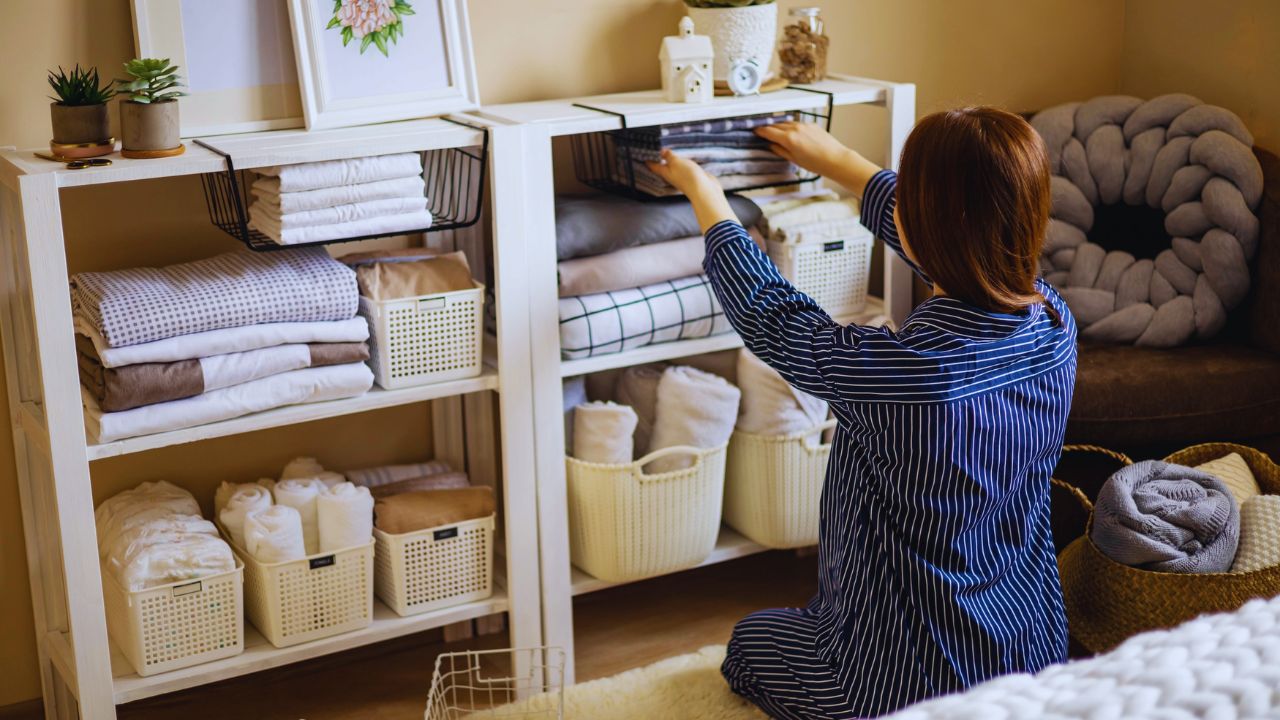
Why Long-Term Decluttering Works Better Than One Big Cleanup
A one-time cleanup can make the house look better for a few days, but it does not always fix the habits that created the clutter. If items still have no assigned place, counters will fill again. If shopping habits do not change, closets and cabinets will become crowded again.
Long-term decluttering works because it focuses on the cause, not just the mess. It creates boundaries around what comes into the home, where items belong, and how often each space gets reset.
Less Visual Clutter Makes Daily Tasks Easier
Visual clutter can make a room feel unfinished even when it is technically clean. A crowded counter reminds you of dishes, mail, school papers, keys, chargers, and other small tasks waiting for attention. When surfaces are clearer, the room feels easier to use.
This matters in everyday routines. Cooking is faster when prep space is open. Work feels easier when the desk is not covered in random papers. Rest feels more natural when the bedroom is not crowded with laundry, unused products, or items that belong elsewhere.
Decluttering Can Reduce Wasted Spending
Clutter often leads to repeat purchases. You buy another charger because the old one is buried in a drawer. You replace pantry items because the cabinet is too full to check properly. You purchase more storage bins when the real problem is keeping items you no longer use.
A clearer home makes it easier to see what you already own. That can help you avoid duplicates, reduce waste, and use storage for items that actually support your routine.
Also Read: Home Organization Tips for Real Life
Start With One Small Zone
Large decluttering projects often fail because they create too much mess at once. A smaller zone gives you a clear beginning and end. Choose one drawer, shelf, counter, cabinet, entryway corner, or closet section. Finish that area before moving to another one.
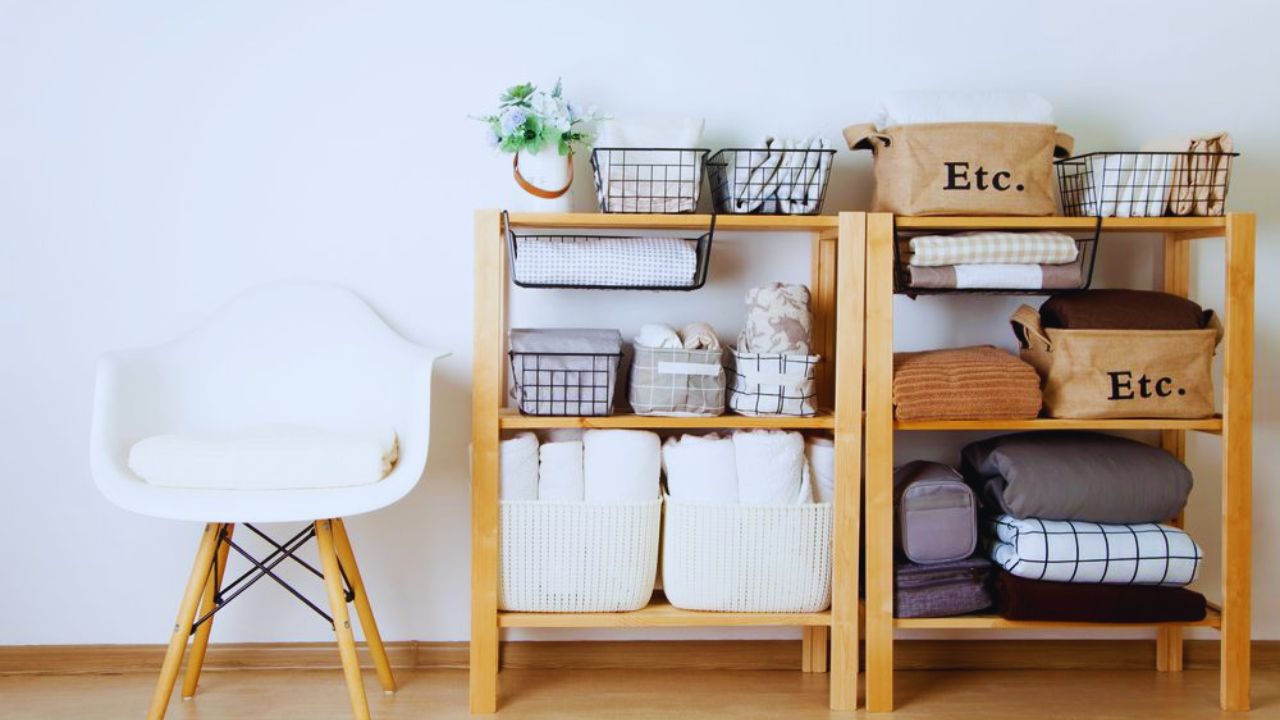
Empty the chosen area completely, then decide what truly belongs there. Keep items that are used, needed, or genuinely worth the space they take. Remove anything broken, expired, duplicated, or unrelated to that zone.
Make Decisions Visible
Clutter feels harder when items are scattered across different places. Pulling everything from one small area into a single pile makes the decision easier. You can see how many similar items you own and whether the space is being used well.
For example, one kitchen drawer may hold six measuring spoons, old takeout packets, batteries, rubber bands, and missing lids. Once everything is visible, the drawer’s real problem becomes clear. It is not just messy; it has no category.
Keep Only What Fits the Purpose of the Space
Every area should have a purpose. A medicine cabinet should not become storage for old samples and expired products. A pantry shelf should not hold kitchen tools that are rarely used. An entryway basket should not become a permanent home for papers, toys, and random cords.
When each space has a defined purpose, it becomes easier to maintain. You know what belongs there, what needs to move, and what should leave the home completely.
Use a Simple Decluttering Method
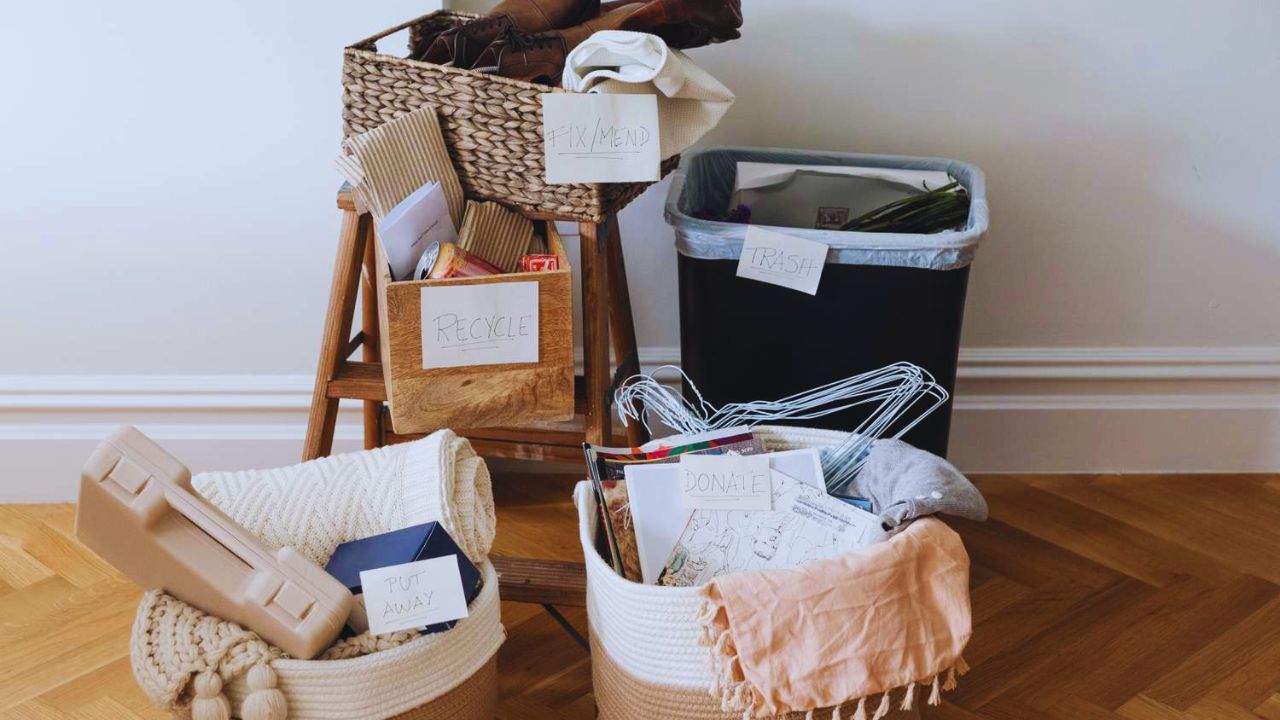
A practical decluttering method does not need many steps. Choose one area, remove everything, keep what belongs, and decide what happens to the rest. Items can usually be handled in four ways: keep, relocate, donate, or discard.
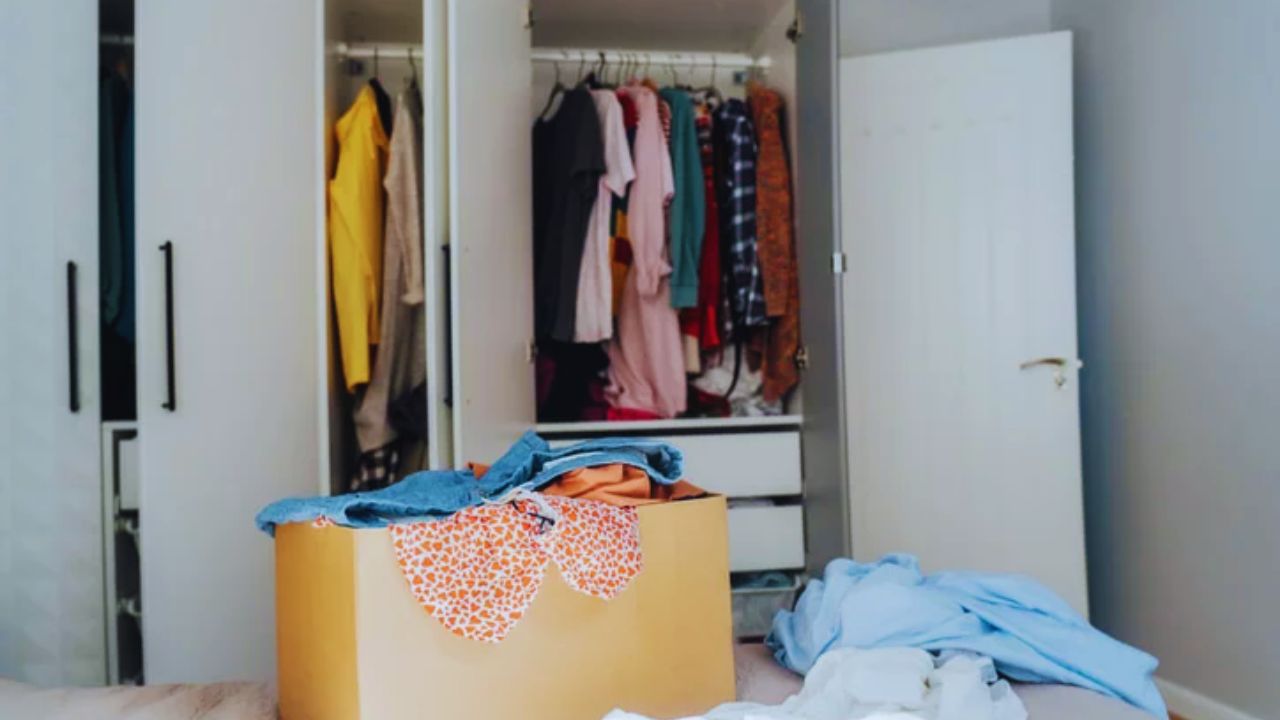
Use donation only for items that are still clean and usable. Throw away broken, unsafe, expired, or unusable items instead of passing the problem to someone else. Recycle when appropriate, especially for paper, packaging, or materials accepted in your area.
Do Not Let Donation Bags Sit Too Long
Donation bags can become a second form of clutter when they stay in hallways, corners, closets, or car trunks for weeks. Once a bag is full, set a specific drop-off time. If you cannot donate immediately, place the bag somewhere that keeps it visible enough to act on, but not in the middle of daily life.
This small step matters because unfinished decluttering still feels like clutter. The item has not truly left your home until it has been removed.
Build Rules That Stop Clutter From Returning
After the first cleanup, rules keep the home from sliding back. The most useful rules are simple enough for everyone in the household to remember. Complicated systems often fail because they require too much effort.
One helpful rule is to assign a home to every item you keep. If something has no clear place, it will usually land on a counter, chair, table, or floor. Another useful rule is to keep flat surfaces mostly clear. Tables, counters, and nightstands collect clutter quickly when there is no limit.
Set Storage Limits
Storage should have boundaries. If a drawer, shelf, or bin is full, that is a sign to remove something before adding more. Extra containers can be useful, but they can also hide clutter if they are used to avoid decisions.
Limited storage helps you see when a category has grown too large. If the basket for scarves is overflowing, the answer may not be a bigger basket. It may be time to keep the ones you actually wear and donate the rest.
Control What Enters the Home
Long-term clutter control depends on buying and accepting less. Before bringing something home, ask where it will go, how often you will use it, and whether it replaces something you already own. This applies to clothes, kitchen tools, décor, toys, hobby supplies, and bulk purchases.
A waiting period can help with impulse buying. If you still want the item after a few days or weeks, and you know exactly where it will live, the purchase is more intentional. If the interest fades, you avoided adding another object to manage.
Create Simple Systems for Problem Areas
Most homes have repeated clutter zones. Entryways collect shoes, bags, mail, and packages. Kitchen counters collect dishes, school items, receipts, and appliances. Bedrooms collect clothes, personal items, and things that were moved there “just for now.”
These areas need systems that match how people actually move through the home. A small tray for keys works better than asking everyone to remember a vague rule. A mail inbox near the door works better than letting papers land across several surfaces.
Make Paper Easier to Handle
Paper clutter spreads because it enters the home often and looks harmless at first. Create one landing place for mail, receipts, forms, warranties, and school papers. Then sort that spot regularly before it becomes a pile.
Keep categories simple. Bills, taxes, medical papers, home documents, warranties, and active tasks are usually enough for most households. Recycle envelopes, flyers, expired notices, and papers you no longer need.
Make Shared Spaces Easy for Everyone
A clutter system only works if the people using the space can follow it. In shared homes, labels, baskets, hooks, and visible storage can help. Children may need picture labels or low bins. Adults may need fewer categories and easier drop zones.
The goal is not to make the home look perfect. It is to make the next right action obvious. When everyone knows where shoes, bags, toys, papers, and chargers belong, reminders become less frequent.
Use Weekly Maintenance Instead of Marathon Cleaning
A weekly reset keeps clutter from becoming a full project again. This does not need to take hours. A short routine can clear surfaces, return items to their homes, move donation bags forward, and remove things that no longer belong.
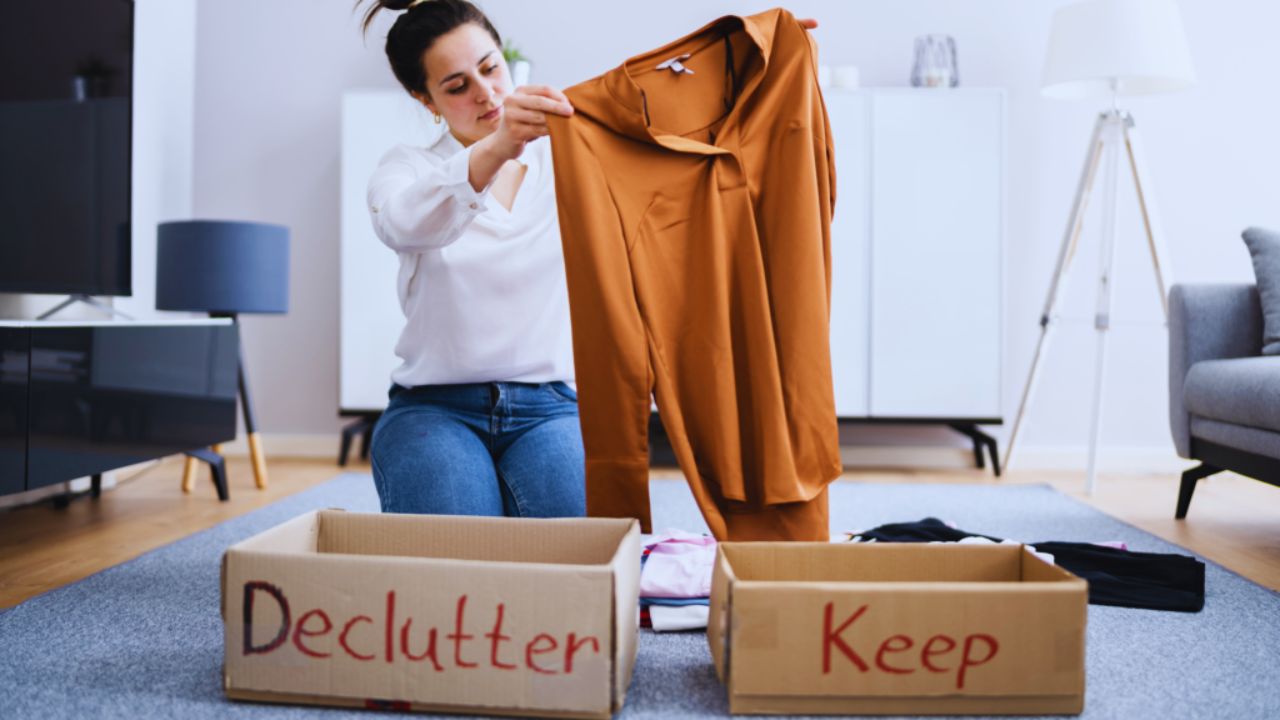
Start with the areas that affect your day most. Kitchen counters, entryways, bedroom chairs, desks, and bathroom counters are usually good places to check. These spots collect small items quickly, and clearing them can make the whole home feel more controlled.
Keep the Reset Short and Repeatable
A maintenance routine should be easy enough to repeat even during a busy week. Set a timer for 20 to 30 minutes and focus on returning items, not reorganizing the whole house. If you notice a bigger problem, write it down for a separate session.
This prevents small resets from turning into overwhelming projects. It also keeps the habit realistic. The home stays easier to manage because clutter is corrected before it spreads.
What to Let Go of First
Start with items that are easy to identify and unlikely to cause regret. Expired food, old calendars, worn-out shoes, broken toys, dried pens, duplicate cords, empty packaging, and damaged linens are good first targets. These items take space without adding real value.
After that, move to items that are still usable but no longer fit your life. Clothes you never wear, gadgets you avoid using, hobby supplies you no longer enjoy, and décor that stays boxed for years may be better donated or sold. Letting go becomes easier when you focus on what your home needs now, not what made sense in the past.
Conclusion: Make Clutter Control Part of Normal Life
Reducing clutter for the long term is less about one major cleanup and more about small decisions repeated often. Start with one area, give every kept item a clear home, and set limits so storage does not become a hiding place.
Control what enters the home, keep paper and shared spaces simple, and use short weekly resets to prevent buildup. When the system fits your real routine, the home becomes easier to clean, easier to use, and easier to maintain.