A crowded home does not always need expensive furniture or a full makeover. In many cases, the biggest improvement comes from using the space you already have with more intention.
Simple storage solutions can help when drawers overflow, counters collect random items, closets feel packed, or small rooms have no clear place for daily belongings.
This guide focuses on practical ideas that use affordable containers, repurposed household items, vertical space, and simple habits that are easy to repeat.
Start With What You Already Own
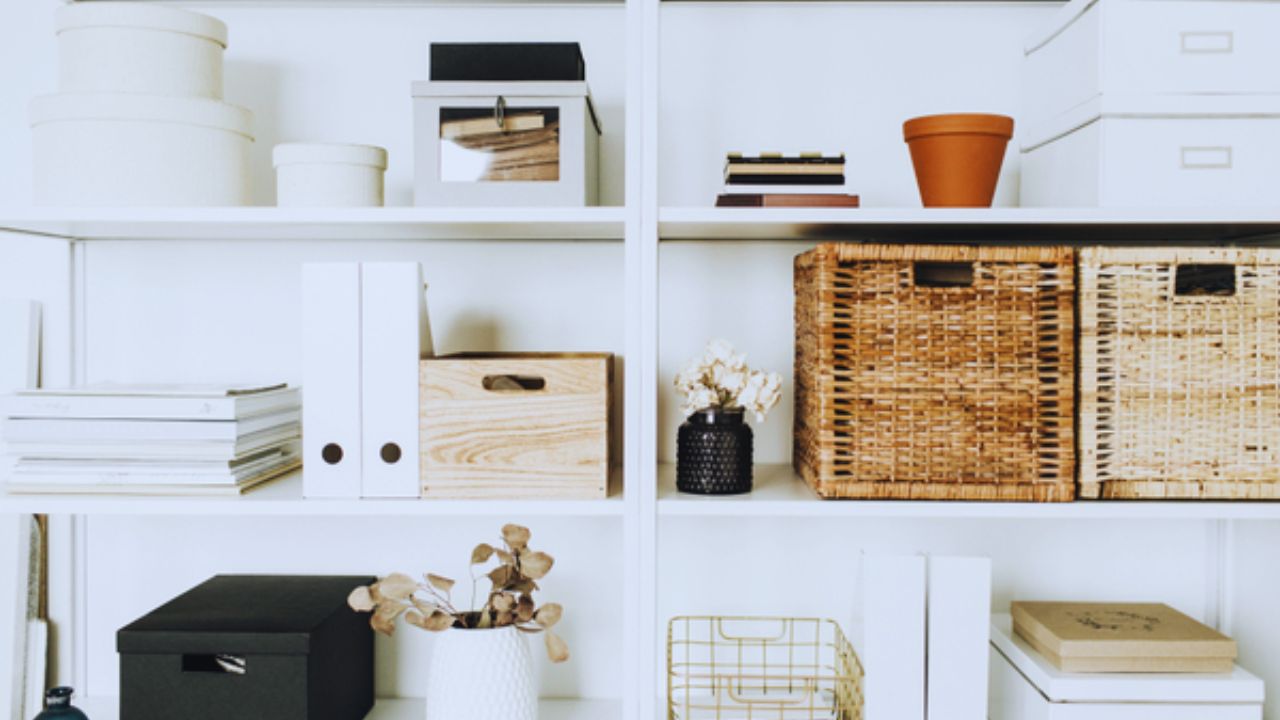
Before buying bins, shelves, or drawer dividers, look at the items already sitting unused around the house. Trays, jars, baskets, loaf pans, small bowls, shoe organizers, and sturdy boxes can often become useful storage pieces. This step matters because buying organizers too early can hide clutter instead of fixing it.
A good first move is to remove bulky packaging from items you use often. Snack packets, craft supplies, toiletries, cords, and small tools become easier to see when grouped in one container. Once everything is visible, it becomes clearer which items need a proper home and which ones are simply taking up space.
Choose Containers That Fit the Space
Storage works better when containers match the shelf, cabinet, or drawer where they will stay. A basket that looks nice but blocks access will quickly become frustrating. Measure tight spaces first, especially closets, pantry shelves, bathroom cabinets, and under-sink areas.
Clear containers work well for food, craft items, and small household supplies because you can see what is inside. Baskets are better for toys, blankets, pet items, scarves, and other things that may look messy in open areas. Labels are most helpful in shared spaces, where more than one person needs to return items to the same place.
Repurpose Everyday Items for Daily Clutter
Some of the easiest storage upgrades come from giving household items a new purpose. A paper towel holder can hold ribbon, twine, or bracelets. Mason jars can organize screws, clothespins, cotton pads, baking ingredients, or small craft supplies. A tray with cups can keep paper clips, pens, rubber bands, and labels from spreading across a desk.
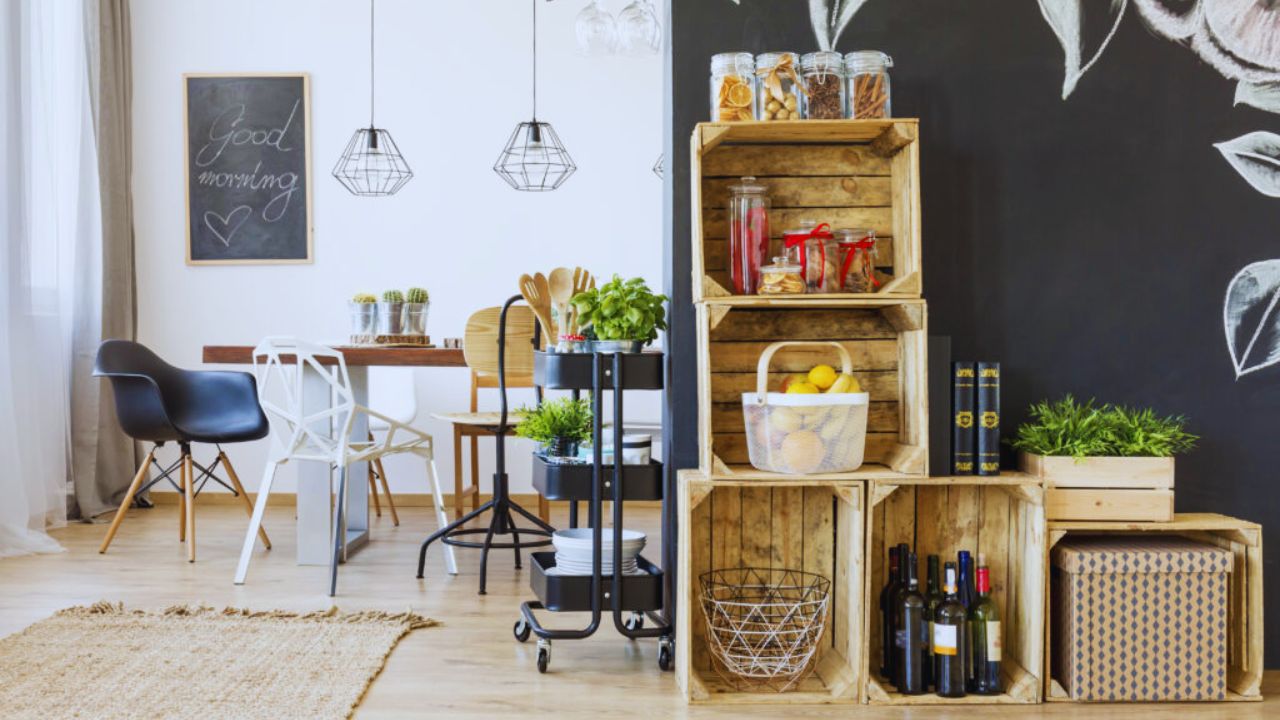
These ideas work because they solve small problems without requiring a full organizing system. The key is to group similar items together and place them where they are actually used. Nail care items belong near the vanity, cooking oils near the stove, and mail tools near the entry or desk. When storage matches your routine, the system is easier to keep.
Also Read: How to Reduce Home Clutter Long Term
Make Cabinets Easier to Reach
Deep cabinets often become messy because items disappear behind each other. Instead of stacking loose products, group items by task. Oils and vinegars can go in one bin, baking supplies in another, and cleaning products in a separate container under the sink.
This makes the cabinet easier to use because you can pull out one group instead of searching through the entire shelf. It also reduces duplicate purchases. When you can see what you already own, you are less likely to buy another bottle, packet, or tool by mistake.
Use Storage That Matches Each Room
Every room collects clutter differently, so storage should match how the space is used. Entryways usually need quick-drop areas for keys, shoes, bags, coats, and sports gear. A laundry basket, boot tray, wall hooks, or small shelf can prevent those items from spreading into the living room.
Closets need a different approach. If your closet has unused vertical space, a second rod or extra shelf can increase capacity without taking more floor area. For weekly outfits, labeled hangers or dividers can help if mornings are rushed. This is useful for households where school, work, or uniforms need to be ready ahead of time.
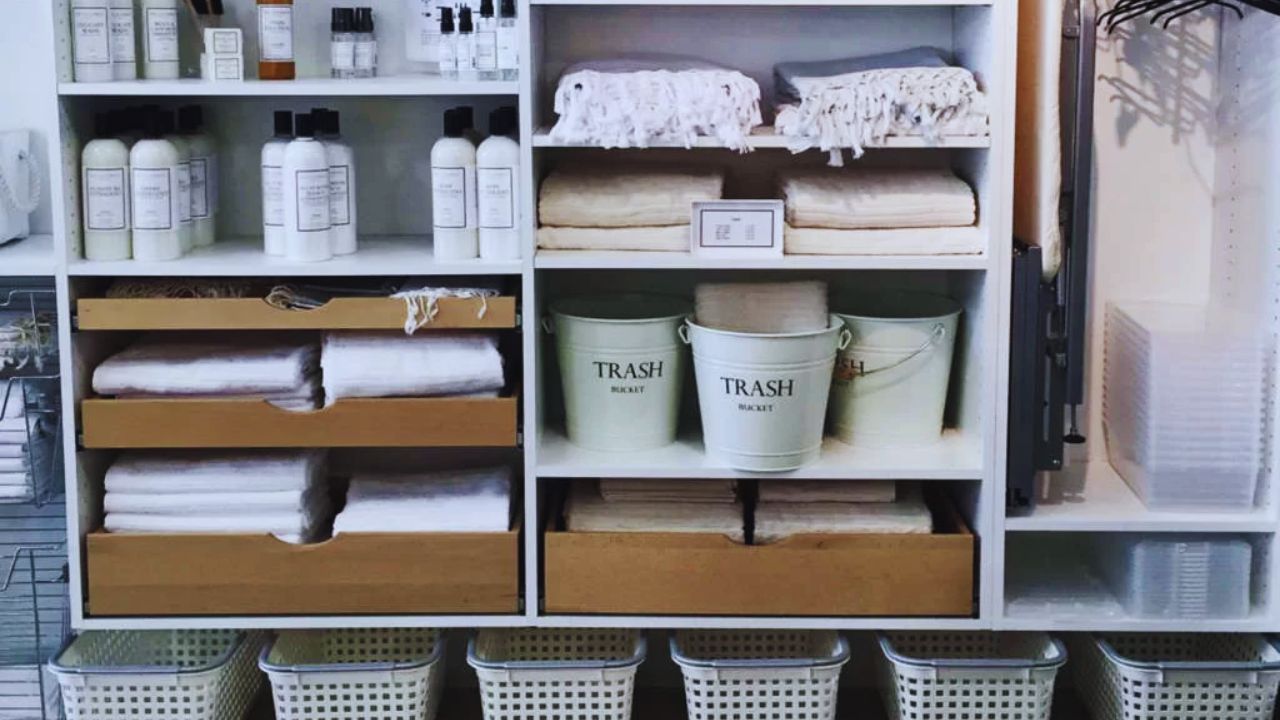
In the kitchen, over-the-door organizers can hold lightweight tools, spice packets, foil, wraps, or cleaning items. In the bathroom, slim rolling carts, towel racks, and baskets above the toilet can free counters without making products hard to reach.
Think Vertically in Small Spaces
Small homes and apartments need storage that uses height, doors, and hidden gaps. Walls can hold floating shelves, hooks, pegboards, or narrow racks. The back of a door can hold pocket organizers, towel hooks, cleaning tools, cutting boards, or small pantry items.
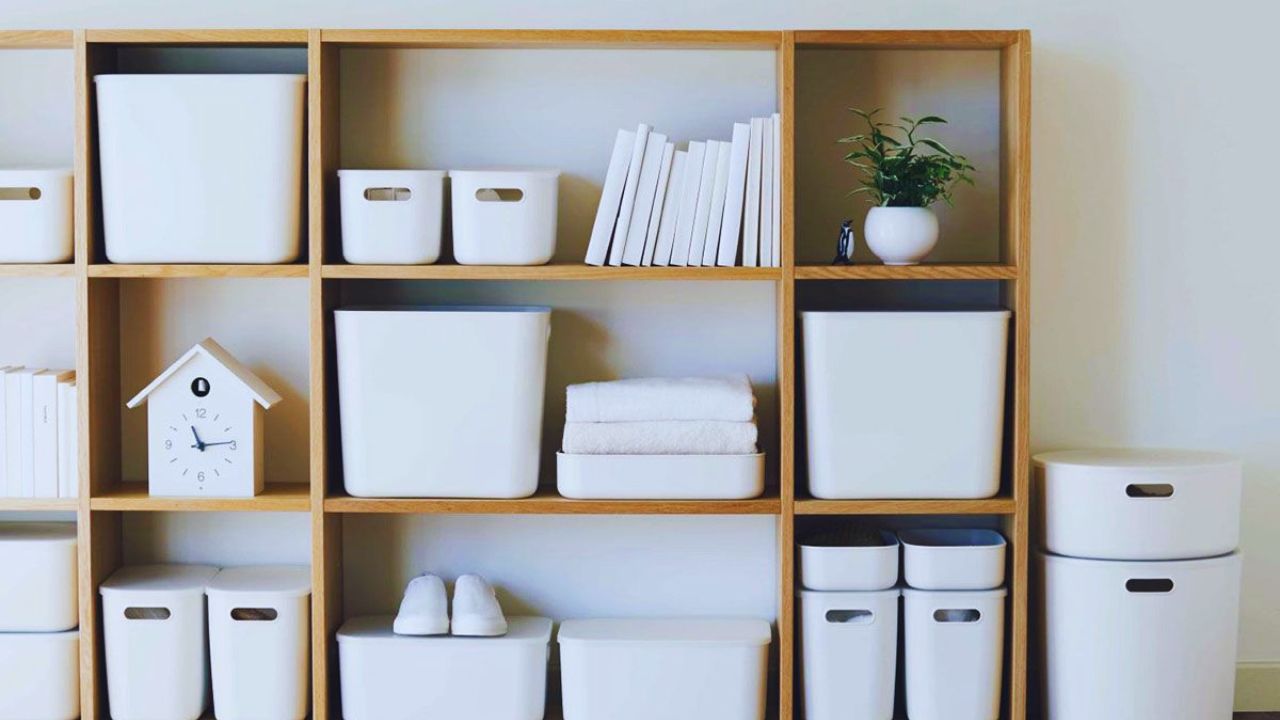
Furniture can also do more than one job. A storage ottoman can hold blankets and remotes. A bed with drawers can store seasonal clothes, shoes, or extra linens. A coffee table with drawers can hide chargers, coasters, and small living room items that usually land on the surface.
These changes reduce visible clutter without making items harder to access. The goal is not to fill every empty wall or corner. It is to use the areas that already collect clutter and give those items a clear place to go.
Plan Small DIY Projects Carefully
Small DIY projects can add useful storage, but they should be measured before installation. Shelves, hooks, door racks, and cabinet organizers need to fit the space and handle the weight of the items they will hold. This matters most in garages, bathrooms, laundry areas, and pantries.
When mounting shelves, use studs whenever possible or the correct wall anchors for the material. Heavy items should not rely on weak adhesive strips or poorly fitted screws. In bathrooms, choose materials that can handle moisture, and avoid paper labels that may peel or stain over time.
A weekend project is worth doing only if it solves a real storage problem. A shallow shelf behind a pantry door, a stronger garage shelf, or a small closet upgrade can make daily use easier. Decorative projects that do not improve access may only add more things to maintain.
Keep Labels Simple and Useful
Labels work best when they support a clear system. They are useful on pantry containers, toy baskets, shared closet bins, office supplies, cleaning products, and bathroom backups. A good label tells people exactly where something belongs without making the space feel overmanaged.
Avoid labeling too many tiny categories. If the system is too detailed, it becomes harder to maintain. Broad labels such as “snacks,” “batteries,” “pet supplies,” “school items,” or “first aid” are usually easier for a household to follow.
The best label type depends on the room. Waterproof labels are better for bathrooms and kitchens. Laminated tags work well on baskets. Clear printed labels are easier to scan than handwritten notes that fade or curl over time.
Buy Budget Storage With a Specific Purpose
Affordable storage can work well when it is bought for a defined need. Mason jars, wire baskets, clear bins, trays, hooks, and shoe organizers are often enough for small household clutter. Thrift stores can also be useful for baskets, caddies, trays, and sturdy containers.
The mistake to avoid is buying random organizers because they are inexpensive. A cheap bin is still wasted money if it does not fit the shelf or solve a problem. Keep shelf measurements on your phone and check depth, width, and height before buying anything.
Build a Short Weekly Reset
Storage only works when it is maintained. A short weekly reset keeps containers from becoming catch-all spaces. Refill jars, return items to their bins, remove empty packaging, check pantry duplicates, and clear baskets that collected things from other rooms.
This reset does not need to take long. Ten to twenty minutes is often enough if each item already has a place. The point is to correct small clutter before it turns into another full organizing project.
Conclusion: Make Storage Easy to Use
Good storage should make daily life easier, not just make shelves look organized for a few days. Start with the items you already own, group things by real use, and buy containers only after you know what needs to stay. Use vertical space, doors, hooks, baskets, and multi-use furniture where they solve a clear problem. The best system is the one your household can maintain without extra stress.