Busy days can make any home feel behind. With home organization for busy schedules, you need moves that fit real time. Small actions beat big weekend cleans. This guide gives a daily checklist you can finish fast.
You will protect key zones, like the sink and entry. You will link tiny resets to triggers you already have. A weekly power slot keeps clutter from rebuilding. Start today, and refine only what does not stick.
Build A 10 Minute Daily Baseline
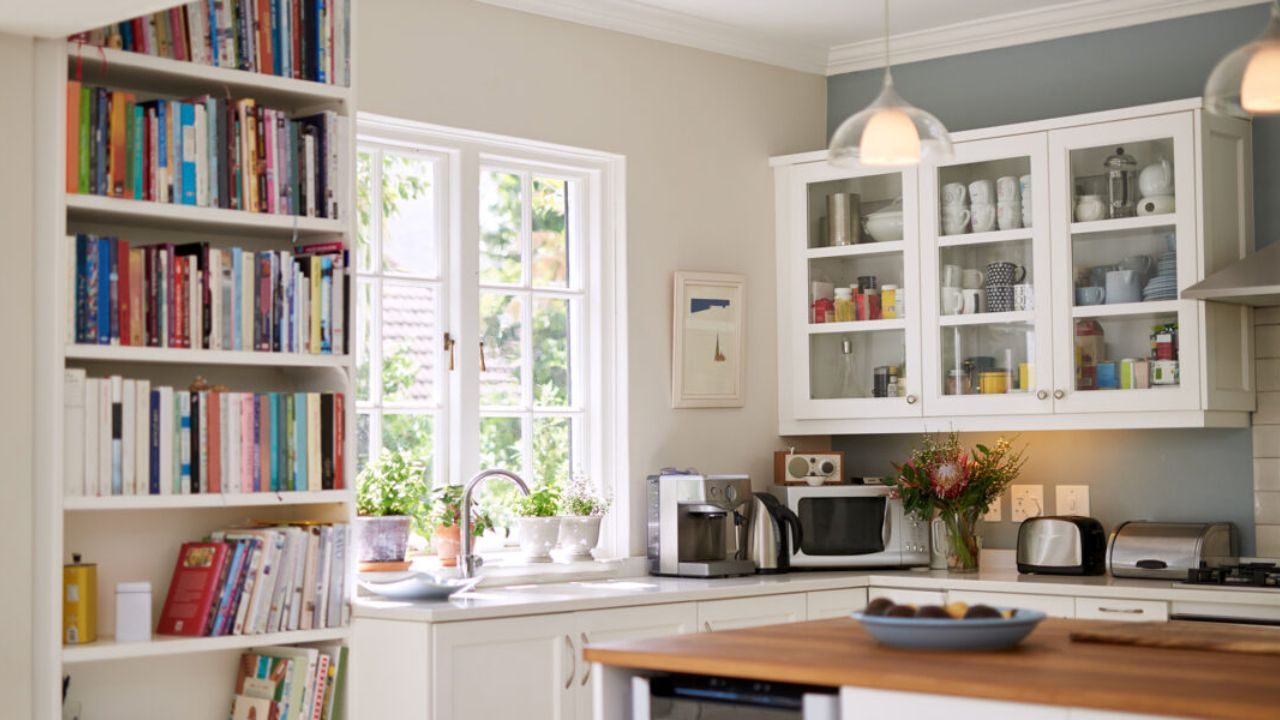
A baseline is the minimum you do, even on long days. Pick one 10 minute window that already exists, like after dinner.
Keep the steps fixed so you do not negotiate each night. Focus on restoring function across the whole house, not reorganizing closets.
When you finish, you should see clear counters and clear paths. This baseline protects your home from sliding into weekend chaos before it costs time.
Reset The Sink And Entry First
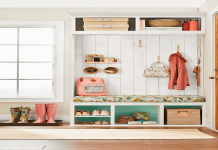
Start with the kitchen sink, because it blocks every other task. Load, wash, or stack dishes so the basin is empty. Next, reset the entry by returning shoes and bags to one spot.
If the floor is crowded, remove one pair per person right now. These two zones deliver instant relief when you walk in. You can finish them fast, even when the rest waits.
Do A One Room Return Lap
Choose one room that looks messy and do a return lap. Carry a light tote and collect only items that belong elsewhere. Walk those items to their real homes in one pass.
If you cannot decide a home, place it in a small decision bin. Keep the bin limited to protect forward momentum, not perfection. At the end, the room looks calmer without extra sorting.
Prep Tomorrow With A Short Closeout
Before you stop for the night, prep the first hour of tomorrow. Put your keys, wallet, and work bag in one predictable place. Refill the water bottle and set out breakfast basics if needed.
Plug in one device you must have, and ignore the rest. This tiny closeout creates a smoother morning with fewer decisions. It also prevents last minute searching that starts new messes.
Use Trigger Based Habits Instead Of Willpower
Willpower disappears when your calendar is full. Trigger habits work because they ride on events that already happen.
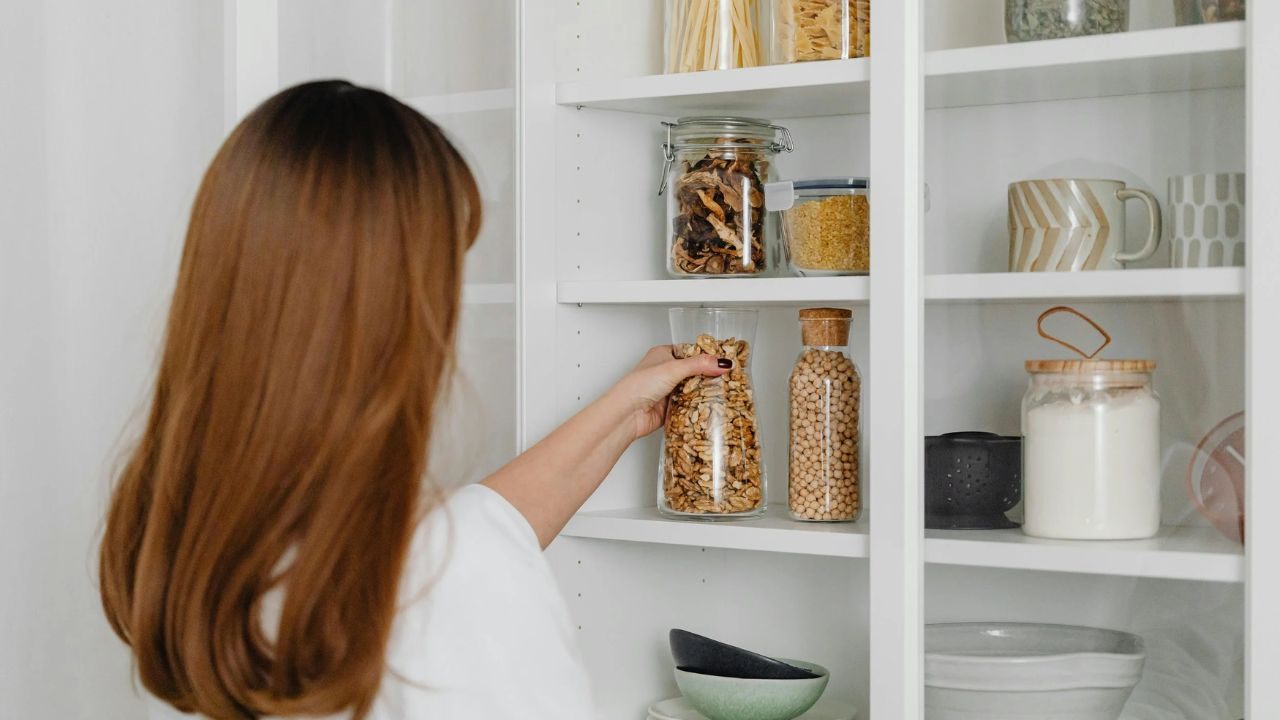
Pick three anchors you never skip, like meals, showers, or locking the door. Attach one small action to each anchor, then keep it constant.
Over time, your home stays steadier through automatic maintenance you do on autopilot. The key is making each action so small it feels almost too easy.
Add A Post Meal Micro Reset
After you eat, run a one minute kitchen reset right away. Put leftovers away before you sit back down. Wipe one counter and clear one surface, even if others wait. Start the dishwasher or wash the main pan so it does not harden.
Doing this daily keeps the sink from becoming a warning sign. It also reduces the temptation to avoid the kitchen after a long day.
Make The Shower A Reset Trigger
After you shower, reset the bathroom in under two minutes. Hang towels flat so they dry and do not smell.
Put products back into one tray, then close drawers and cabinets fully. Wipe water from the counter and faucet with one quick pass.
This keeps the bathroom looking clean with minimal effort. When the room stays simple, deeper cleaning feels shorter and less annoying too.
Use The Door As Your Reminder
Use leaving and entering as your most reliable trigger. When you walk in, place shoes and bags in their assigned homes. When you lock the door to leave, scan the main surface and clear one item.
These tiny moves stop clutter from settling into the entry. Over a week, they create a cleaner landing area that stays usable. You gain time because you do not hunt for essentials later.
Create Low Friction Storage That Saves Time
Storage should make the right choice the easiest choice every day. If putting something away takes five steps, it will stay out.

Busy homes need containers that open fast and hold obvious categories for quick returns. Place storage where the action happens, not where it looks best.
The goal is fast put away that protects your schedule. When storage matches real routines, mess shrinks without extra effort over the week.
Store Items Where The Action Happens
Organize by action so you can finish tasks in one place, quickly. Keep pet supplies near the door if you walk daily with no detours. Store packing tape and scissors where you open deliveries.
Put chargers near the seat where you relax at night. When items live near their use, you stop creating temporary piles. You also reduce walking back and forth, which matters on busy evenings.
Keep Daily Items Visible
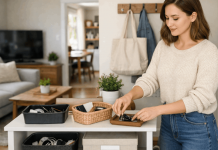
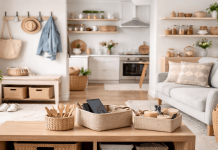
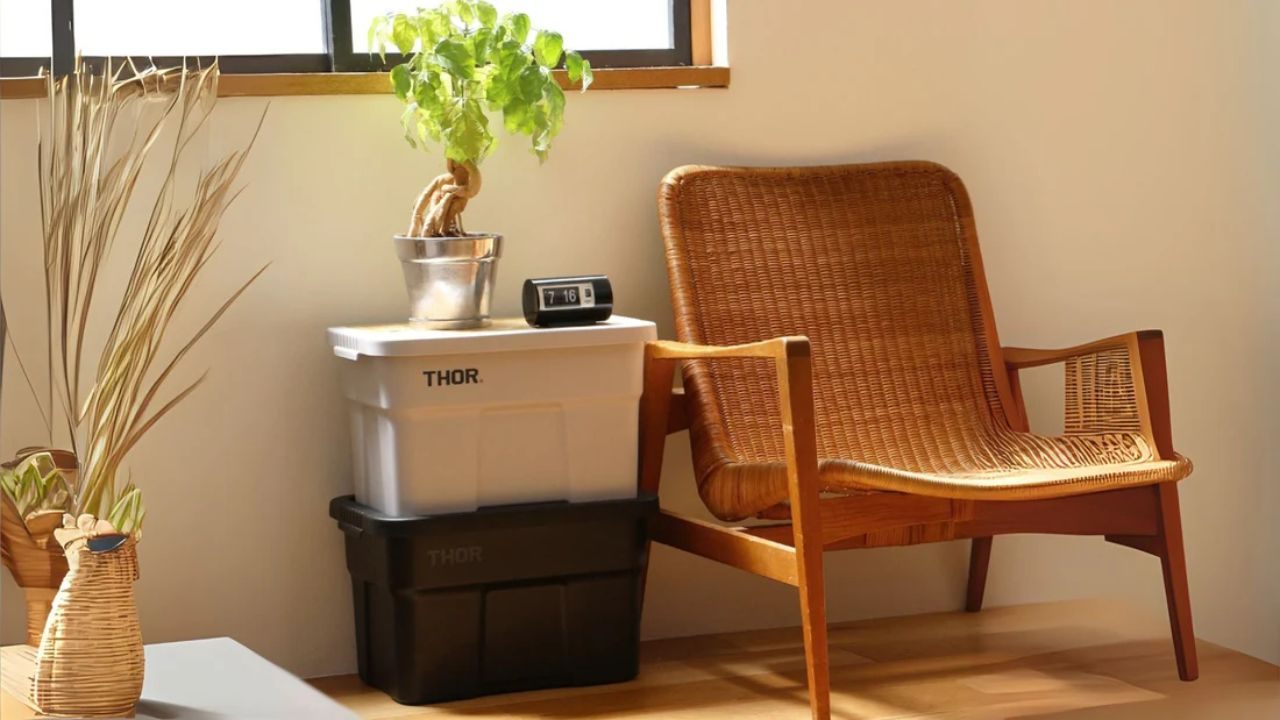
Daily items should be visible so you do not waste time searching. Use open bins for daily essentials like lotion, hair tools, or kid snacks. Keep lids for backups, seasonal gear, and items you rarely touch.
If a bin becomes mixed, remove the least used item first. This simple visibility creates fewer duplicates and fewer surprise shortages. In a busy week, seeing supplies matters more than perfect folding.
Limit Drop Zones To Small, Specific Spots
Drop zones prevent clutter only when they stay small and specific. Use a tray for receipts and pocket items, not a large bowl. Keep keys and badges on one hook strip near the door.
For mail, use one slim folder that stands upright. Empty each zone on a set day, even when it looks fine. This creates tidy intake that never takes over surfaces in busy weeks.
Plan A Weekly Power Slot That Prevents Chaos
Daily resets handle what you see, but weekly care prevents buildup. A power slot is a short session that repairs what slipped during the week.
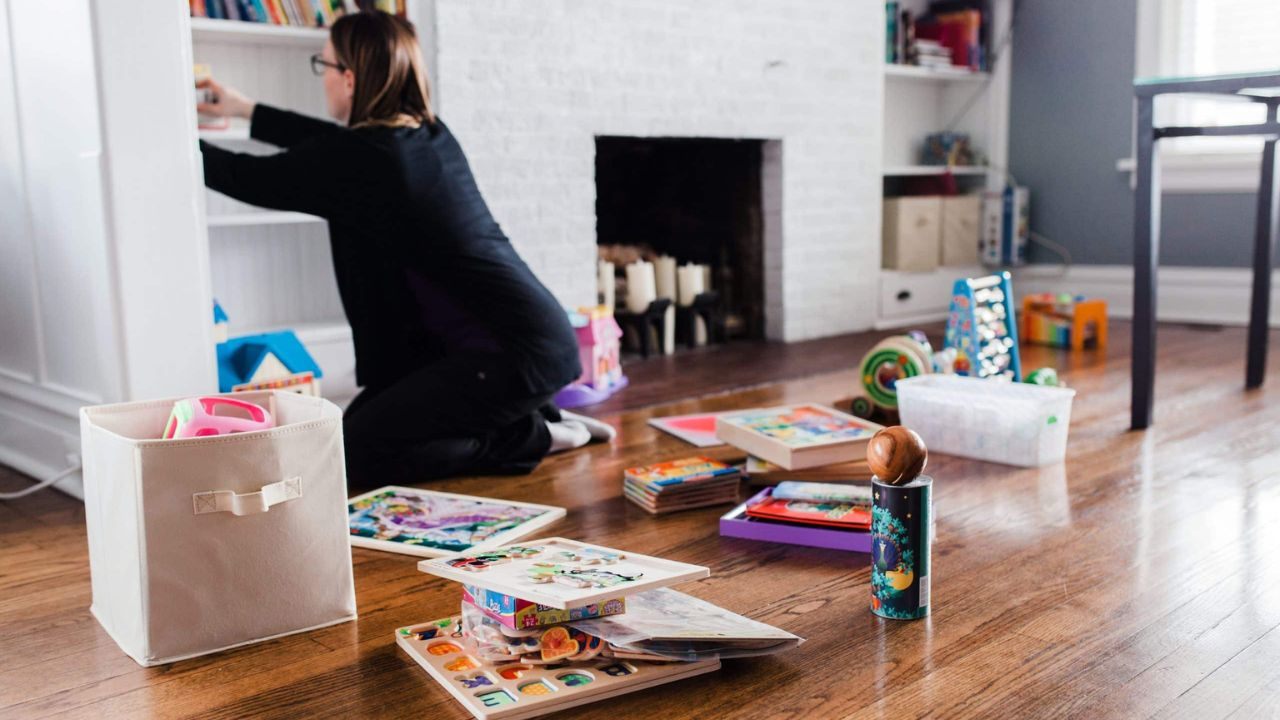
Choose a predictable time, like Sunday afternoon or a midweek evening. Keep it brief so you do not dread it, and set a timer.
The goal is maintenance that keeps weekends lighter. When weekly care is consistent, your daily checklist stays manageable and quick.
Rotate One Category Each Week
Pick one category each week so you never face a full house overhaul again. Start with paper, pantry, or toiletries because they multiply quietly. Remove expired items, combine duplicates, and return what belongs together.
Place newer items behind older ones so you use them first. This rotation provides small wins that prevent clutter spikes. In 15 minutes, you can restore order without exhausting yourself after work.
Restock Essentials With Clear Limits
Restocking saves time at home, but only if you cap how much you keep. Choose one bin for backups of soap, paper goods, and trash bags.
When you open the last backup, add it to your list immediately. Avoid stockpiling random deals, because overflow becomes clutter.
A clear cap gives predictable supplies without crowded shelves. In busy months, that predictability matters more than having extras daily.
Repair What Keeps Breaking
Use the weekly slot to fix what fails, not to scrub everything. Pick the one zone that keeps breaking, like shoes or mail. Adjust the setup so the right action is easier than the wrong one.
Add a hook, shrink the drop zone, or move the hamper closer. Small changes deliver long term stability with minimal time. You stop repeating the same cleanup because the cause is removed.
Use A Simple Family Or Roommate System
If you share a home, your system must work for more than one person. The goal is not strict control, it is shared clarity.
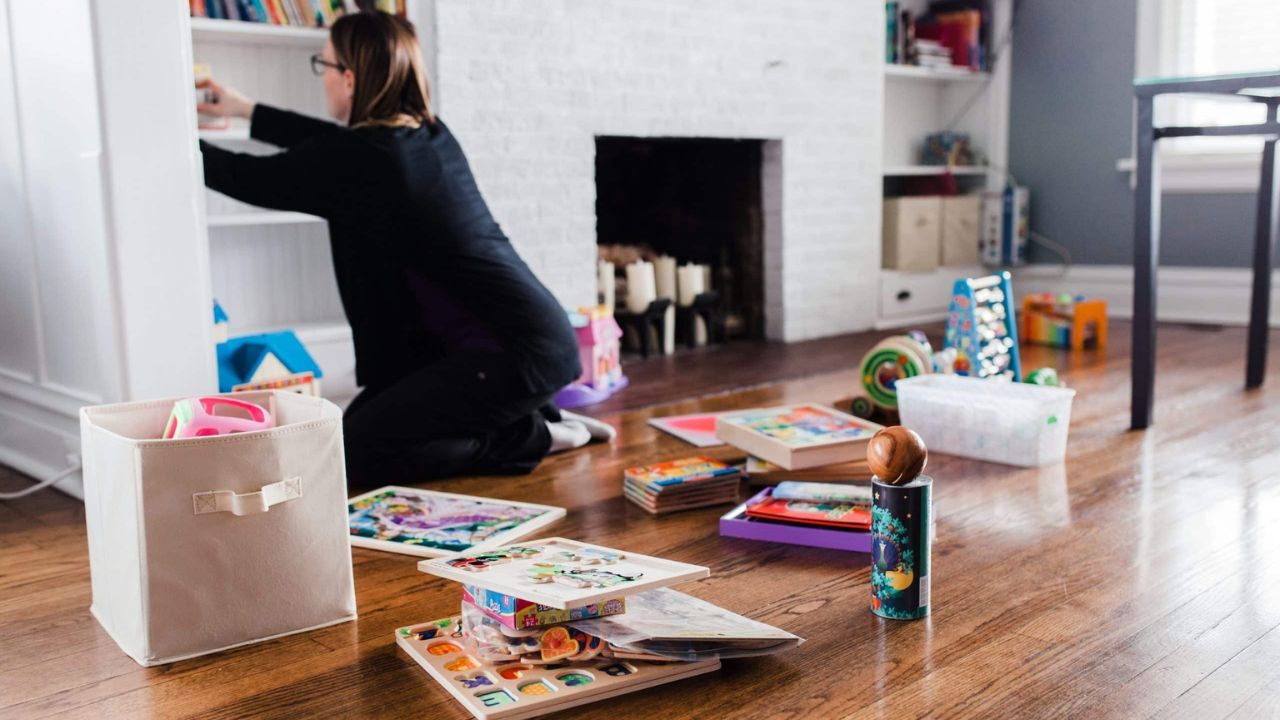
Agree on a few standards that keep life moving, like an empty sink. Keep standards visible so no one has to guess the rules.
Shared agreement creates less friction and faster daily resets. When everyone can follow the system, organization stops depending on one person.
Use Simple Labels And Clear Homes
Labels help busy households avoid the question, where does this go. Label only the spots that cause repeat confusion, like snack bins. Use plain words and keep them front facing for quick scanning.
If you have kids, use one word labels and consistent container shapes. The goal is easy returns that do not require reminders. Clear labels also make cleaning help possible when guests or babysitters step in.
Rotate Micro Roles Instead Of Long Chores
Busy schedules call for short roles, not long chore lists. Assign two minute jobs like emptying the sink strainer or taking trash out. Tie each job to a trigger, such as right after dinner.
Rotate weekly so the load stays fair and no one checks out. Rotations create shared upkeep that holds the baseline even on hard days. When roles are tiny, people finish them without debating or delaying.
Conclusion
The busy week will not slow down, but your home still can. Use the 10 minute baseline, then let triggers handle the rest. Place homes closer to where you use items every day.
Keep weekly slots short and focused on one category. When the system is shared, order becomes a default, not a project. This is home organization for busy schedules, and it is repeatable.