Keeping your home organized daily is easier when the routine is small, visible, and realistic. A busy household does not need spotless rooms or long cleaning sessions every night.
It needs daily home routines that protect the kitchen, entryway, living room, bedroom, laundry area, and bathroom. The goal is to stop small messes before they spread, so the home can recover quickly at the end of each day.
Start With a Simple Daily Reset
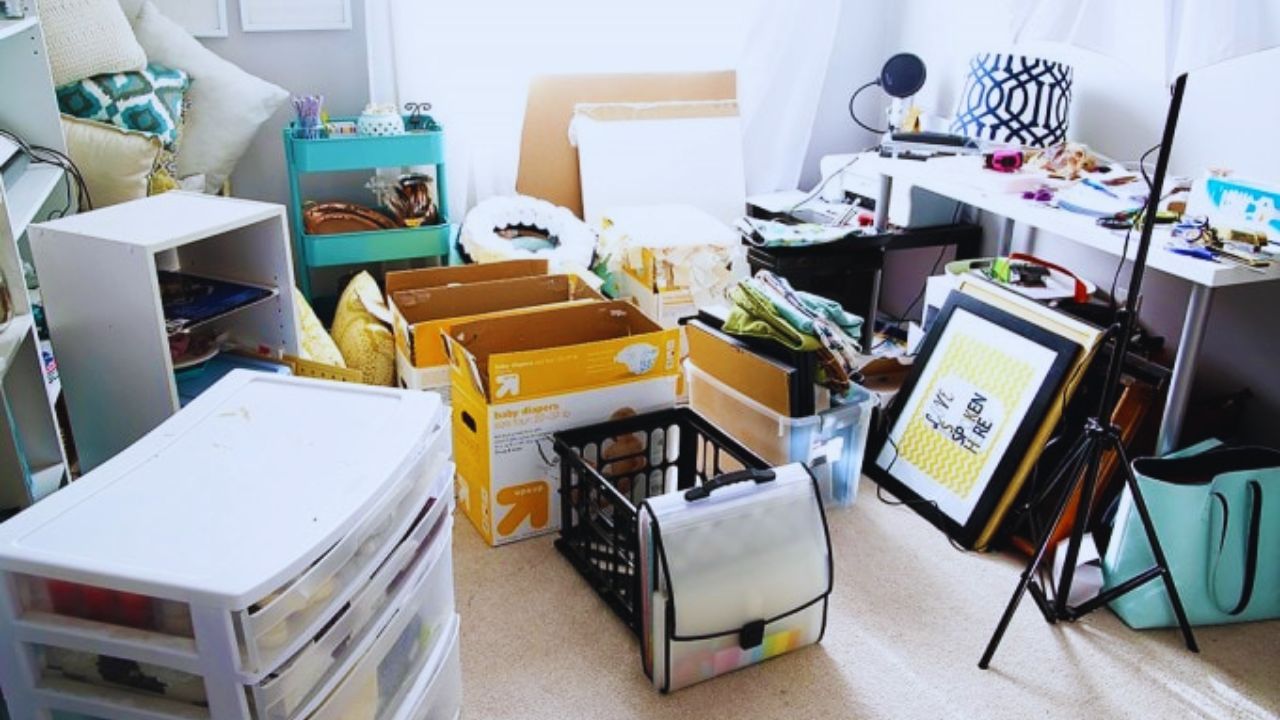
A daily reset should focus on the places that show clutter first. Counters, sinks, tables, entryways, bedroom chairs, and bathroom surfaces can make the whole home feel messy when ignored.
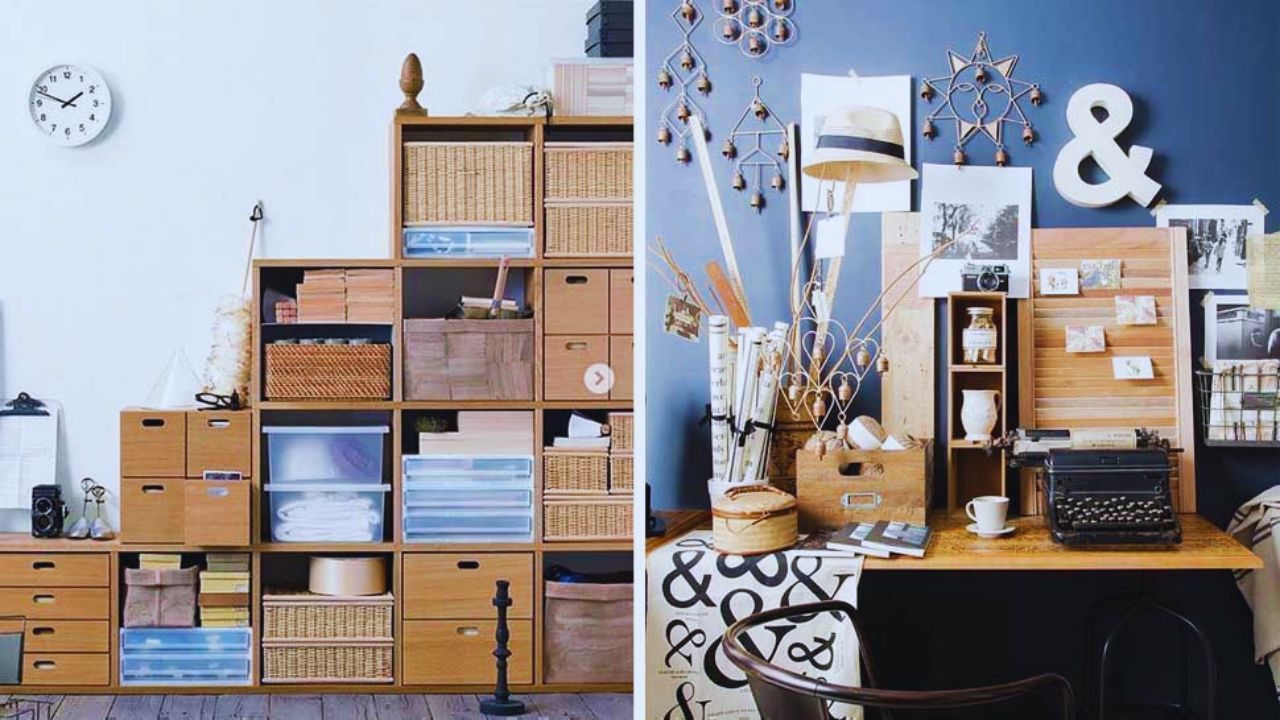
A short daily reset keeps these areas from turning into larger tasks. Use the same order each day: clear one surface, return obvious items, handle dishes, move laundry, and collect anything that belongs elsewhere.
Clear Counters and the Sink
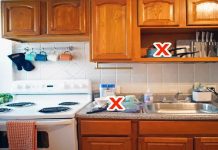
The kitchen counter and sink set the tone for the rest of the home. When dishes sit overnight or random items collect near the stove, the next morning starts with extra work. Protecting this clear surface makes cooking, lunch prep, and quick cleaning easier.
Remove anything that does not belong in the kitchen, put away food, move papers to their proper spot, and return tools to the right drawer or cabinet. If the sink is full, wash or load dishes first.
Reset the Entryway and Living Room
The entryway and living room collect items from everyone who comes through the house. Shoes, bags, jackets, mail, toys, keys, and chargers can quickly turn these spaces into drop zones.
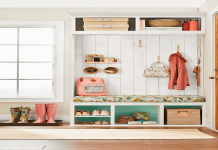
A simple entryway reset keeps the mess from moving deeper into the home. Place shoes in one area, hang bags and coats, and return stray items to their rooms. In the living room, fold blankets, straighten cushions, and limit tables to daily-use items.
Also Read: Home Organization for Busy Schedules
Build a Kitchen System That Works Daily
The kitchen needs a routine because it is used several times a day. Cooking, snacks, dishes, groceries, and school or work prep all pass through this space. A good kitchen system keeps the room functional without constant deep cleaning.
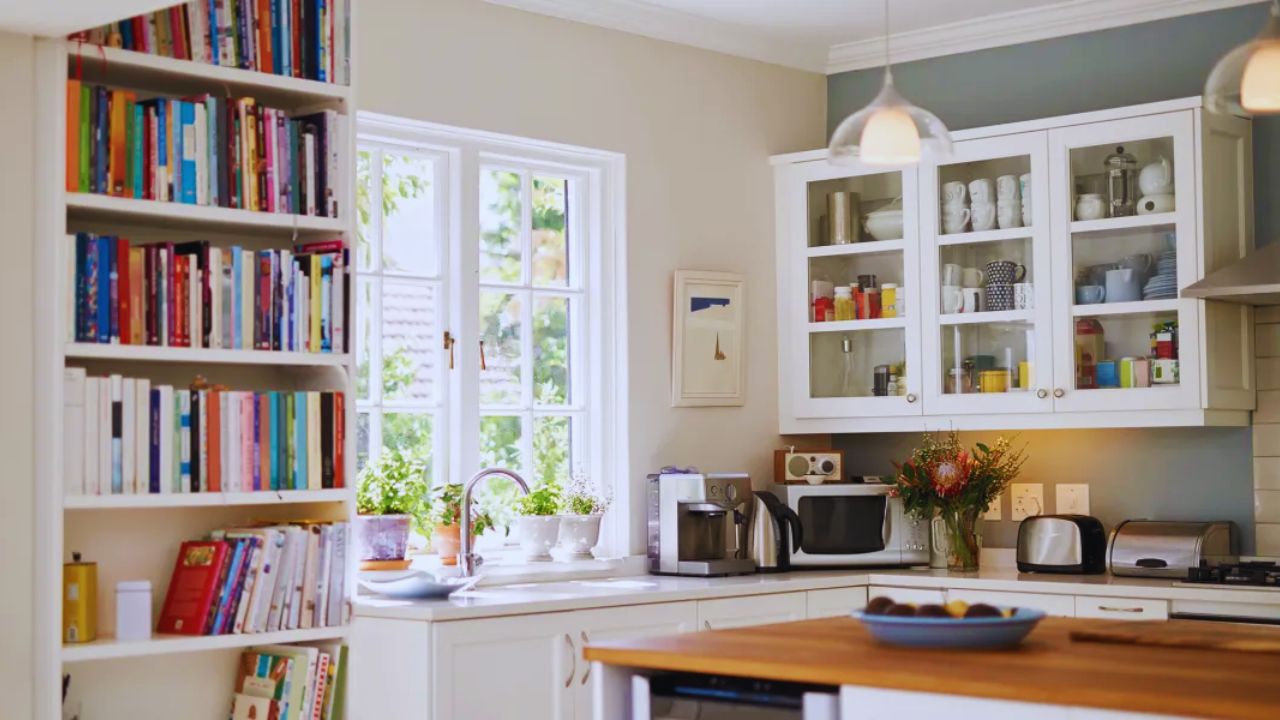
Store cooking tools near the stove, everyday dishes near the dishwasher or table, and pantry items where they are easy to check before shopping. When the kitchen is arranged around real use, cleanup becomes faster.
Clean as You Cook
Cooking creates small messes quickly, but they are easier to manage before they pile up. While food is heating, return ingredients to the pantry, toss empty packaging, and wipe small spills.
This clean-as-you-go habit prevents the end of the meal from turning into a large cleanup. Keep a cloth or small trash bag nearby, rinse tools after using them, and place dishes in one area instead of spreading them across the counter.
Keep Dishes Moving
Dishes become clutter when the cycle stops. If the dishwasher stays full, dirty dishes move to the sink, then the counter starts collecting plates and cups.
A steady dish routine keeps the kitchen from backing up. Run the dishwasher when needed and empty it before the next meal rush. If you wash by hand, do one short session after the last meal instead of leaving dishes to soak for hours.
Control Bedroom and Laundry Clutter
Bedroom clutter often starts with clothing. A shirt lands on a chair, clean laundry stays in a basket, and worn clothes collect on the floor. A simple laundry system keeps the bedroom from turning into storage.
Place the hamper where clothes are actually removed, not where it looks best. If more than one person shares the room, separate hampers can reduce sorting later.
Stop the Chair Pile
A chair can become a second closet when there is no rule for clothing. Clean clothes should return to drawers or hangers, while worn clothes should go to the hamper.
If you need to stage tomorrow’s outfit, use one hook or one small section instead of letting clothing spread. This clothing rule keeps the room easier to clean. The goal is to keep the floor, bed, and main surfaces usable.
Finish Laundry in One Cycle
Clean laundry becomes clutter when it stops halfway. Washing and drying are only part of the task. Folding, hanging, and putting items away complete the laundry cycle.
Choose one realistic time to finish laundry instead of letting baskets sit for days. If time is short, start with essentials such as work clothes, school uniforms, towels, and bedding.
Keep the Bathroom Easy to Reset
Bathrooms feel messy fast because small products compete for limited space. Toothpaste, brushes, skincare, hair tools, towels, and backup supplies can crowd counters and drawers.
A simple bathroom reset keeps the space usable between deeper cleaning days. Keep daily products in one tray, drawer section, or caddy, then store backups somewhere separate. When everything has a small zone, wiping the surface takes less time.
Limit Products on the Counter
The bathroom counter should hold only what is used every day. Extra bottles, samples, and occasional products should go under the sink, in a cabinet, or in a labeled bin.
This counter control makes cleaning easier because you do not have to move many items first. At night, return brushes, hair tools, and personal products to their homes, then wipe water spots or toothpaste marks.
Add a Weekly Maintenance Check
Daily habits work better when there is a small weekly backup. A weekly check catches clutter before it becomes overwhelming and gives you time to fix weak spots.
This weekly maintenance should feel like a tune-up, not a full house reset. Choose one or two categories to review each week, such as pantry items, papers, bathroom products, laundry, or entryway clutter.
Keep a Donation Bag Moving
A home stays easier to manage when unused items leave regularly. Keep one donation bag or box near the exit, closet, or laundry area.
As you reset rooms, place unwanted clothing, extra household items, or unused accessories inside. This donation habit keeps clutter from slowly returning. Choose a regular time to remove the bag from the house, even if it is not full.
Conclusion: Make Daily Order Easy to Repeat
Keeping your home organized daily depends on small actions that are easy to repeat. Focus on the sink, counters, entryway, laundry, bedroom surfaces, and bathroom products before clutter spreads. The goal is not to clean every room perfectly each night.
It is to create repeatable order through short resets, clear homes for daily items, and weekly maintenance that catches what slips. When the routine fits real life, the home becomes easier to manage without constant effort.