Staying organized becomes difficult when a system takes too much energy to manage. A busy schedule leaves little room for oversized checklists, complicated routines, or constant decision-making.
To maintain organization with minimal effort, the system needs to work on tired days, stressful weeks, and changing schedules.
This approach is not about doing more. It is about removing friction so useful actions become easier to repeat. A few clear habits, practical defaults, and light reviews can keep work, home, finances, health, and relationships manageable without turning organization into another full-time task.
Start With Fewer Decisions
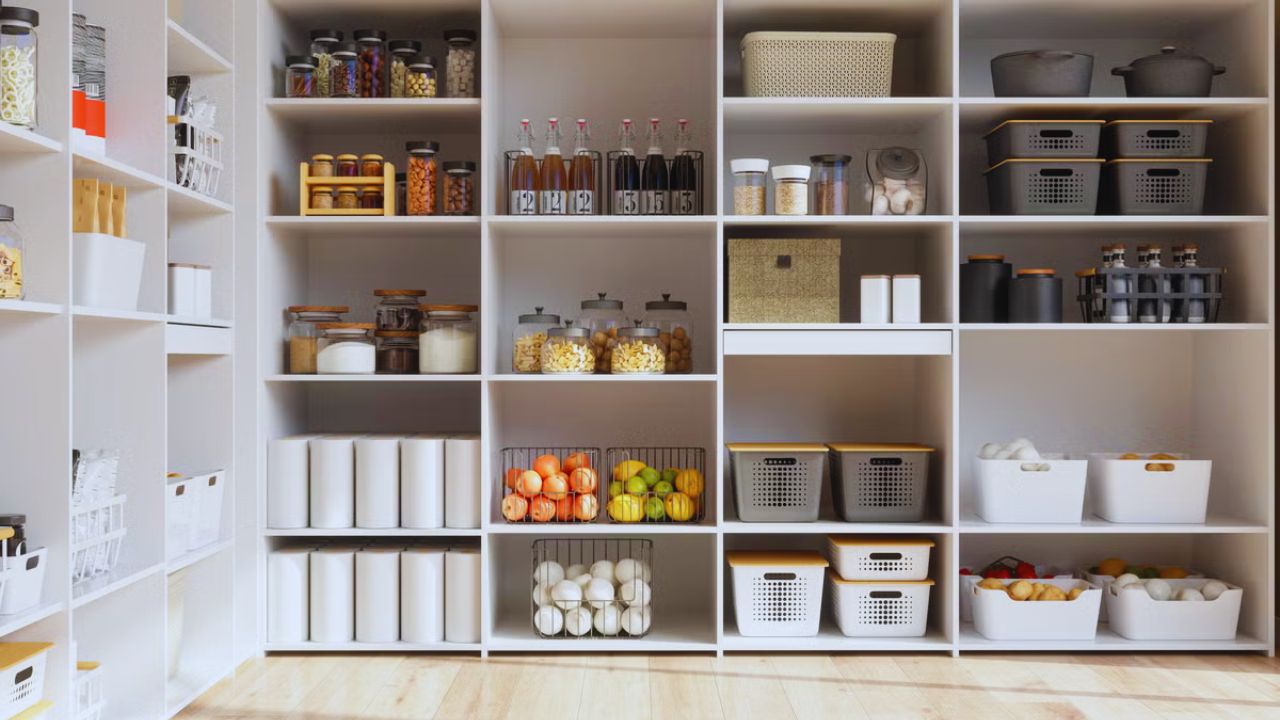
The easiest system is usually the one that removes repeated choices. If every morning begins with deciding what to wear, where to find keys, what to eat, and which task to start, energy disappears quickly.
A better setup creates simple defaults before the day begins, such as placing work items near the door, using a short meal rotation, or checking tomorrow’s schedule before bed.
Build Habits Around Existing Routines
New habits last longer when they attach to something already happening. After making coffee, review the day’s first priority. After dinner, clear the kitchen counter.
After brushing your teeth, place tomorrow’s clothes where they are easy to reach. This kind of habit stacking works because the existing action becomes the cue, so the routine feels natural instead of forced.
Choose Consistency Over Perfection
Many systems fail because they expect too much. A strict productivity schedule or intense workout goal may look impressive, but it often collapses when life gets busy.
A smaller routine that happens regularly is more useful than a large plan that stops after one week. If you miss a day, continue with the next small action. Repeatable progress matters more than a flawless streak.
Also Read: How to Keep Your Home Organized Daily
Use Planning to Reduce Last-Minute Stress
Planning works best when it prevents urgency. A quick look at tomorrow’s schedule can reveal deadlines, errands, appointments, or gaps before they become problems.
This does not need a long session. A few minutes at the end of the day can create a better morning and protect daily focus without adding more work.
Match Tasks to Your Energy
Not every task belongs in the same part of the day. Some people focus better early, while others work best later. Place demanding work, study, or decision-heavy tasks during your strongest energy window and leave lighter admin tasks for lower-energy times.
This uses your best energy for work that needs it most instead of forcing everything into the wrong part of the day.
Keep Work Systems Clear and Light
Work becomes harder when files, messages, decisions, and tasks are scattered. A clean setup helps you start faster and avoid wasting time searching for context.
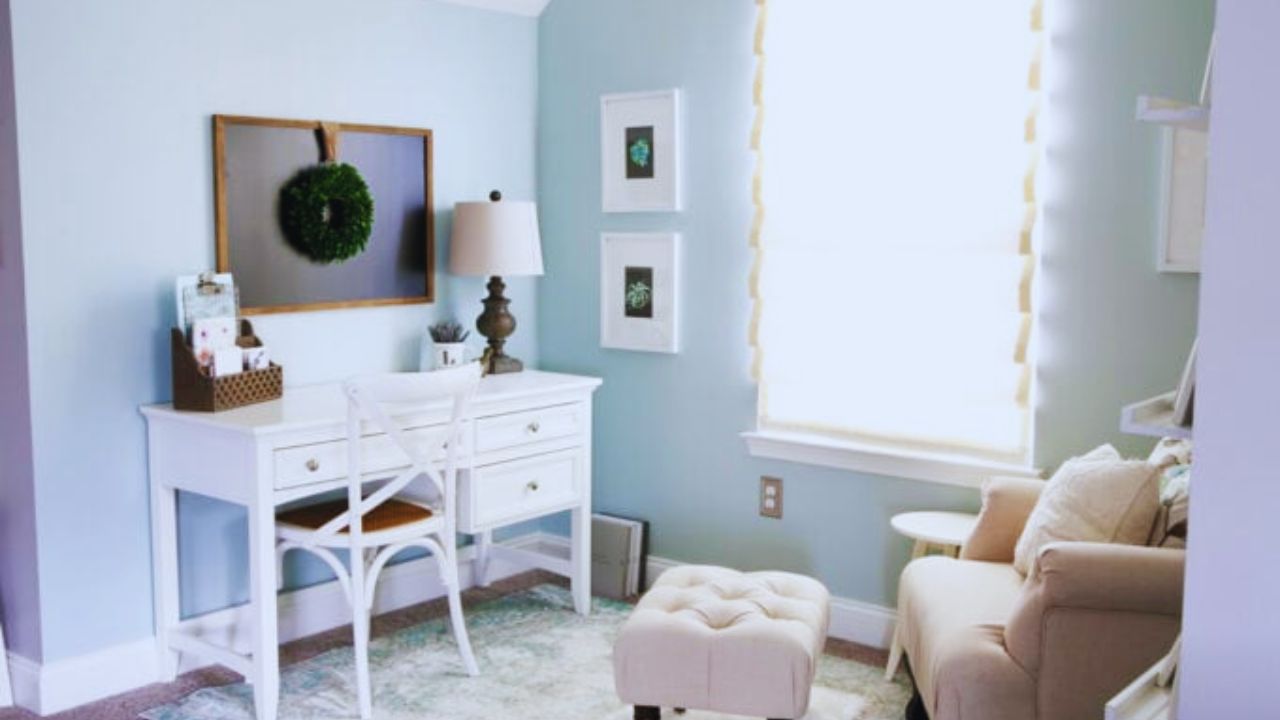
Keep active work in one visible place and move finished or delayed items out of the way. At day’s end, reset the desk, task list, and inbox enough to leave a clear starting point for tomorrow.
Protect Deep Work From Distraction
The most important work usually needs uninterrupted time. Put one high-value task into your strongest focus block before shallow tasks take over.
Messages, small requests, and admin work can follow after the main task has moved forward. This protects deep work from being buried under easier but less important tasks.
Make Home Organization Easy to Maintain
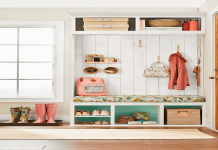
A home stays organized when storage matches real behavior. If bags always land near the door, put hooks or a bench there. If laundry piles up in bedrooms, place hampers where clothes actually come off.

If cleaning supplies are hard to gather, use a caddy that moves room to room. Good home systems remove steps instead of adding them.
Keep Chores Short and Visible
Chores feel heavier when they are vague. “Clean the house” is too broad, but “clear the counter,” “start one laundry load,” or “empty the entry basket” is easier to begin.
A ten-minute reset can keep surfaces, sinks, and high-traffic areas from slipping too far. The goal is to keep daily order from turning into a weekend recovery project.
Keep Household Resets Small and Repeatable
A home stays easier to manage when resets are short enough to repeat. Instead of waiting for a full cleaning day, focus on small home resets that clear the areas used most often. Kitchen counters, entryways, bathroom surfaces, dining tables, and bedroom chairs usually need quick attention before clutter spreads.
A ten-minute reset can be enough to return dishes, hang bags, place laundry in hampers, clear mail, and put daily items back in their homes. The goal is not to deep clean every room. It is to stop small messes from becoming larger projects.
Make Cleaning Supplies Easy to Reach
Cleaning routines take less effort when supplies are stored near where they are used. Keep bathroom cleaners in or near the bathroom, kitchen cloths close to the sink, and a small caddy ready for quick surface cleaning. This kind of easy-access storage removes the extra step of gathering products before starting.
Avoid spreading supplies across too many places. If the household cannot find what it needs quickly, the task is easier to delay. A simple setup with fewer products, clear labels, and practical placement makes daily upkeep more realistic.
Create Simple Systems for Recurring Clutter
Recurring clutter usually points to a missing system. If shoes always land by the door, the entry needs better shoe storage. If papers pile on the table, the home needs a paper tray or folder. If clean clothes stay in baskets, the laundry routine may need fewer sorting steps.
Use these patterns as clues instead of treating them as failures. A good household system should match what people already do, then make the better option easier. When storage, routines, and cleanup steps fit the home’s real habits, organization becomes easier to maintain with minimal effort.
Conclusion: Let Simple Systems Carry the Load
The best organization system is the one you can keep using when life is full. Start by reducing repeated decisions, placing tools where they are needed, and building habits around routines that already exist.
The goal is not to control every detail. It is to create low-effort organization that supports your day without demanding constant attention. When the system is simple, useful, and easy to restart, staying organized becomes part of normal life instead of another project to manage.