Busy schedules make clutter build faster because small decisions get delayed. Shoes stay by the door, dishes wait in the sink, mail lands on the counter, and daily items move from room to room.
Home organization for busy schedules works best when the routine is short, visible, and easy to repeat. The goal is not a spotless house every night. It is a home that can recover quickly after full days and rushed mornings.

Build a 10-Minute Daily Baseline
A baseline is the minimum reset you can do even on a long day. It should be short enough to finish without overthinking and simple enough for the household to remember.
This daily baseline keeps clutter from turning into a weekend cleanup. Choose one steady time, such as after dinner or before bed, then follow the same order.
Focus on function, not deep cleaning. Clear the sink, return shoes and bags, collect stray items, and prepare one or two things for tomorrow. If the routine takes too long, shrink it.
Reset the Sink and Entry First
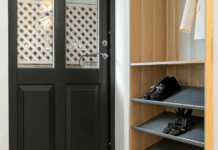
The sink and entryway create the fastest sense of disorder. A full sink blocks cooking and morning prep, while a crowded entry makes leaving the house harder. Start with these high-impact zones before touching anything else.
Load or wash dishes until the sink is usable. Then return shoes, bags, coats, keys, and work items to their assigned spots. Keep only what is needed for the next day near the door.
Do a One-Room Return Lap
A return lap handles items that belong somewhere else. Choose one room, carry a small basket, and collect only what is clearly out of place. This return lap turns scattered clutter into one controlled task.
Return items by zone. Toys go back to bins, chargers return to the charging spot, cups go to the kitchen, and clothes move to the hamper. If something has no home, place it in a small decision bin for the weekly reset.
Use Triggers Instead of Motivation
Busy households cannot depend on motivation. Some days are too full, and some evenings are too tiring. Trigger-based habits work because they attach a small organizing action to something that already happens. These habit triggers make upkeep feel less like a separate chore.
Use meals, showers, arriving home, leaving the house, bedtime, or starting the dishwasher as reminders. After dinner, clear the counter. After a shower, return bathroom products. When entering the house, place shoes and bags where they belong.
Add a Post-Meal Kitchen Reset
After meals, the kitchen can shift from usable to messy quickly. A short reset right after eating prevents dishes, wrappers, crumbs, and leftovers from sitting too long. This kitchen reset keeps the room ready for the next task.
Put leftovers away before sitting down for the night. Wipe one counter, rinse the main pan, and move dishes into the sink or dishwasher. Even if the kitchen is not perfect, the mess stays contained.
Make the Bathroom Reset Automatic
The bathroom is easier to maintain when it is reset after use. After a shower or evening routine, hang towels flat, return products to one tray, and close drawers or cabinets. This bathroom reset keeps small products from spreading across tight surfaces.
A quick wipe of the counter and faucet can prevent toothpaste marks, water spots, and product buildup. The reset should take less than two minutes.
Also Read: Simple Systems for Home Organization
Create Storage That Saves Time
Storage should make cleanup faster, not more complicated. If putting something away takes too many steps, the item will probably stay out. Effective time-saving storage sits close to where items are used and is easy enough for everyone to follow.
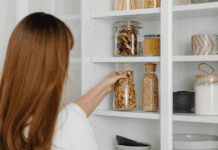
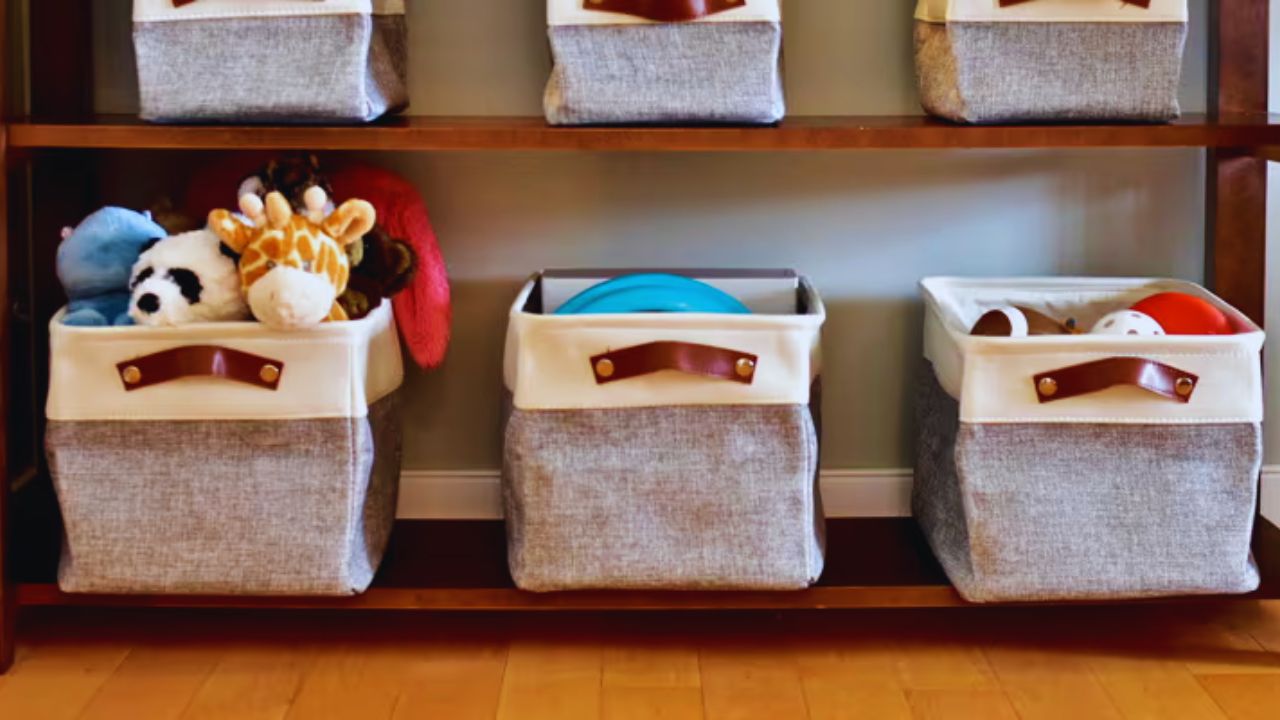
Open baskets, trays, hooks, and shallow bins often work better than stacked boxes for daily items. Save lids and deeper containers for seasonal supplies, backups, or items used less often.
Store Items Where They Are Used
Items should live close to the action they support. Pet supplies can stay near the door, packing tape near the delivery area, cleaning cloths near the sink, and chargers near the place where devices are used most. This use-based storage reduces walking back and forth.
When items are stored too far away, temporary piles form. A charger left on the sofa or mail left on the counter usually means the storage location is inconvenient.
Keep Drop Zones Small
Drop zones help only when they stay limited. A small tray for keys, receipts, and pocket items works better than a large bowl that collects everything. This drop zone should catch items temporarily, not store them forever.
Empty each zone on a set day, even when it does not look full. A slim mail folder, shoe basket, or hook strip can protect surfaces without becoming another clutter spot.
Add a Weekly Power Slot
Daily resets handle visible mess, but a weekly power slot catches what slips through. This is not a deep clean. It is a short repair session for categories that slowly build up. A weekly reset keeps the daily routine easier to maintain.
Choose one predictable time and keep it brief. Review one category, restock one area, or fix one system that keeps failing. Paper, pantry items, toiletries, laundry, and entryway clutter are good places to rotate through.
Fix What Keeps Breaking
If the same area gets messy every week, the system may need adjustment. Shoes may need a closer basket, mail may need a clearer folder, or laundry may need a hamper in a better spot. This system repair removes the cause instead of repeating the same cleanup.
Do not blame the household too quickly. A setup that looks good but takes effort will often fail. Move, simplify, or shrink the system until it matches real use.
Make the System Easy to Share
A busy home is easier to manage when everyone understands the basic rules. Shared spaces need visible storage, simple labels, and small responsibilities that do not feel overwhelming. This shared system keeps organization from depending on one person.
Use labels only where they help, such as snacks, shoes, school papers, chargers, towels, or cleaning cloths. For children, use short words or picture labels. Keep small roles tied to daily routines, such as clearing the table after dinner.
Conclusion: Keep Organization Repeatable
Home organization for busy schedules works when the system is small enough to use every day. Start with a 10-minute baseline, protect the sink and entryway, connect resets to habits you already have, and place storage where items are actually used.
The goal is not a perfect home. It is repeatable order that helps your household recover quickly after busy days. When daily resets are short, storage is convenient, and weekly checks catch small problems early, the home stays easier to manage.