Homes rarely become messy all at once. Clutter builds through small delayed decisions: a paper left on the counter, shoes by the door, laundry on a chair, or a charger moved and never returned.
Simple systems for home organization work because they remove guesswork, give common items clear homes, and make daily resets easier to repeat without constant deep cleaning.
Use a Daily Reset Loop
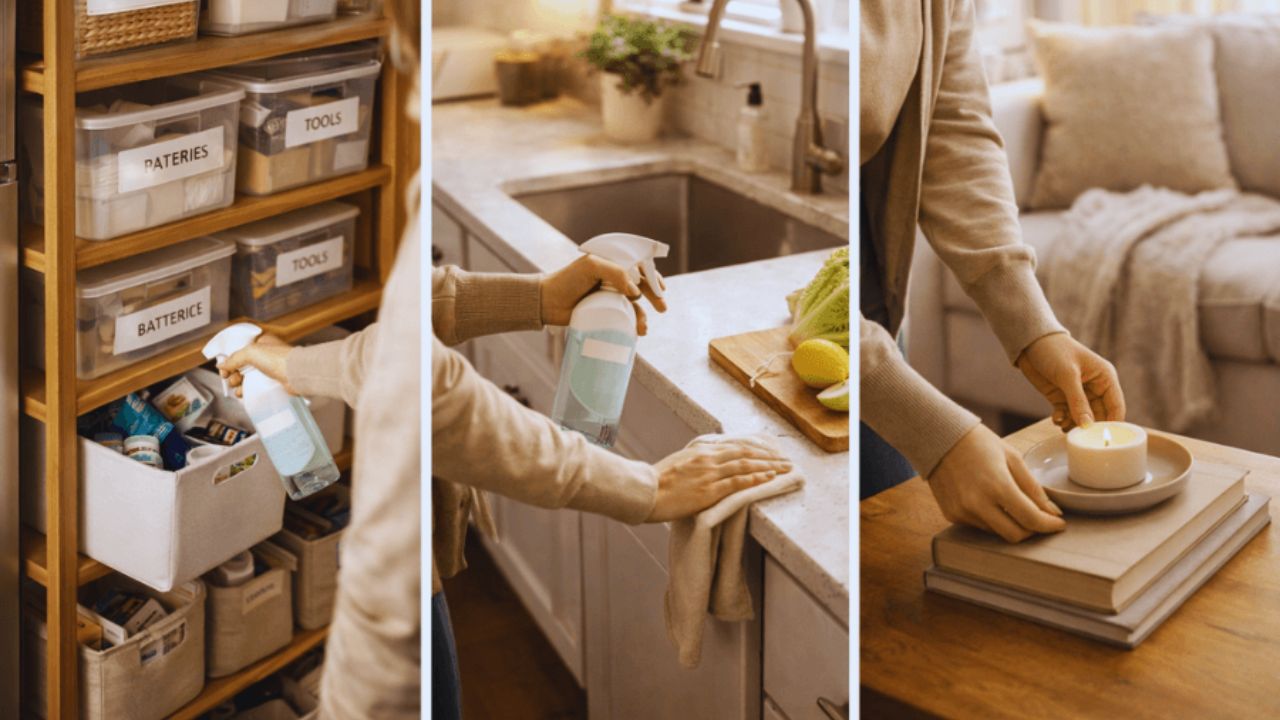
A daily reset loop keeps mess from turning into a full project. It should happen at the same time each day, often after dinner or before bed, when the household is slowing down.
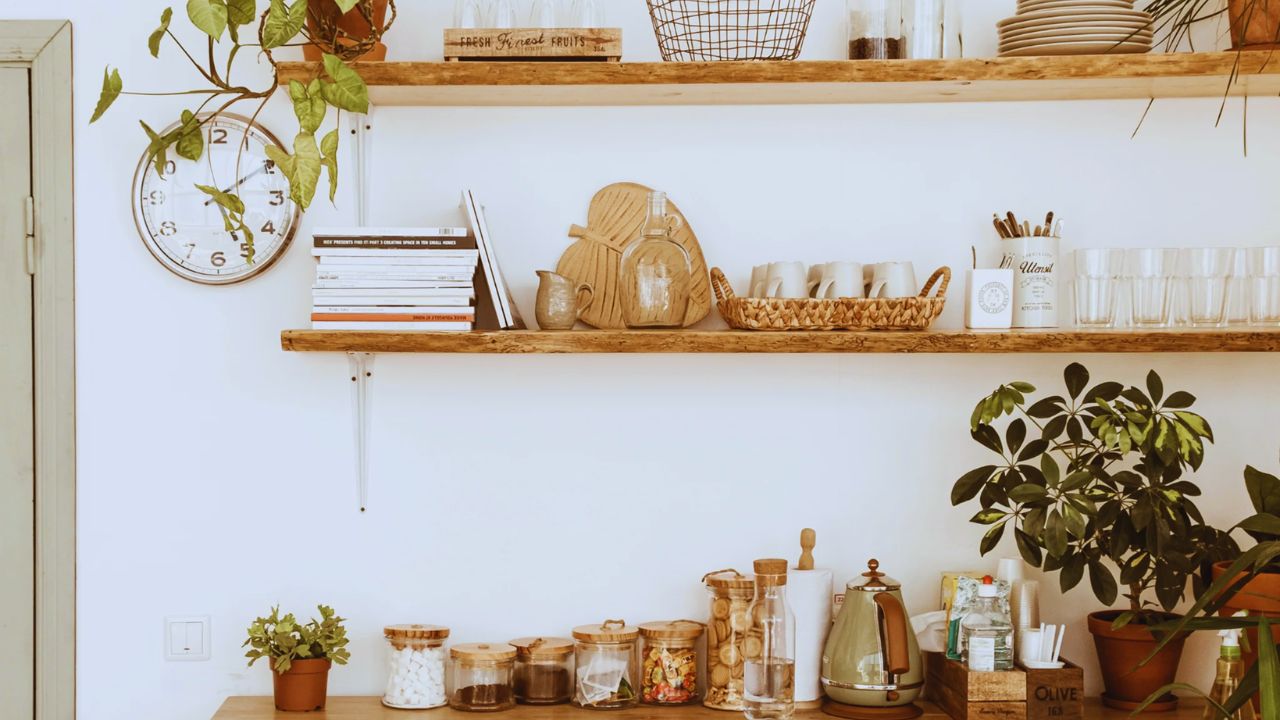
This daily reset protects the surfaces and zones that show clutter first. You are not deep cleaning; you are restoring the basics so tomorrow starts with less friction.
Clear Two Hotspots First
Choose two areas that make the home feel messy quickly, such as the kitchen counter, dining table, entry bench, or coffee table. Set a short timer and remove only what does not belong there.
This hotspot sweep creates visible progress without turning into a full organizing session. Return easy items first, place uncertain items in one carry basket, wipe the surface if needed, and stop when the timer ends.
Follow the Two-Touch Rule
The two-touch rule keeps clutter from forming when items are used. Touch an item once to use it, then touch it again to return it. This two-touch rule works best for keys, bags, cups, chargers, mail, shoes, and kitchen tools.
If putting something away feels annoying, the storage location may be wrong. Move daily items closer to where they are used and keep backups higher, deeper, or farther away.
Prepare a Small Launch Pad
A launch pad helps mornings run with less searching. Use one tray, hook, shelf, or folder for the items that need to leave the house the next day.
This launch pad can hold keys, wallet, school papers, work bag, umbrella, or a charger. Keep the area strict. It should not become a general storage shelf, and anything unrelated should return to its proper home during the evening reset.
Create Zones That Match Real Routines
A home stays easier to manage when storage follows how people actually move through it. Instead of organizing only by room, think about routines such as leaving the house, cooking, cleaning, handling mail, doing laundry, and getting ready.
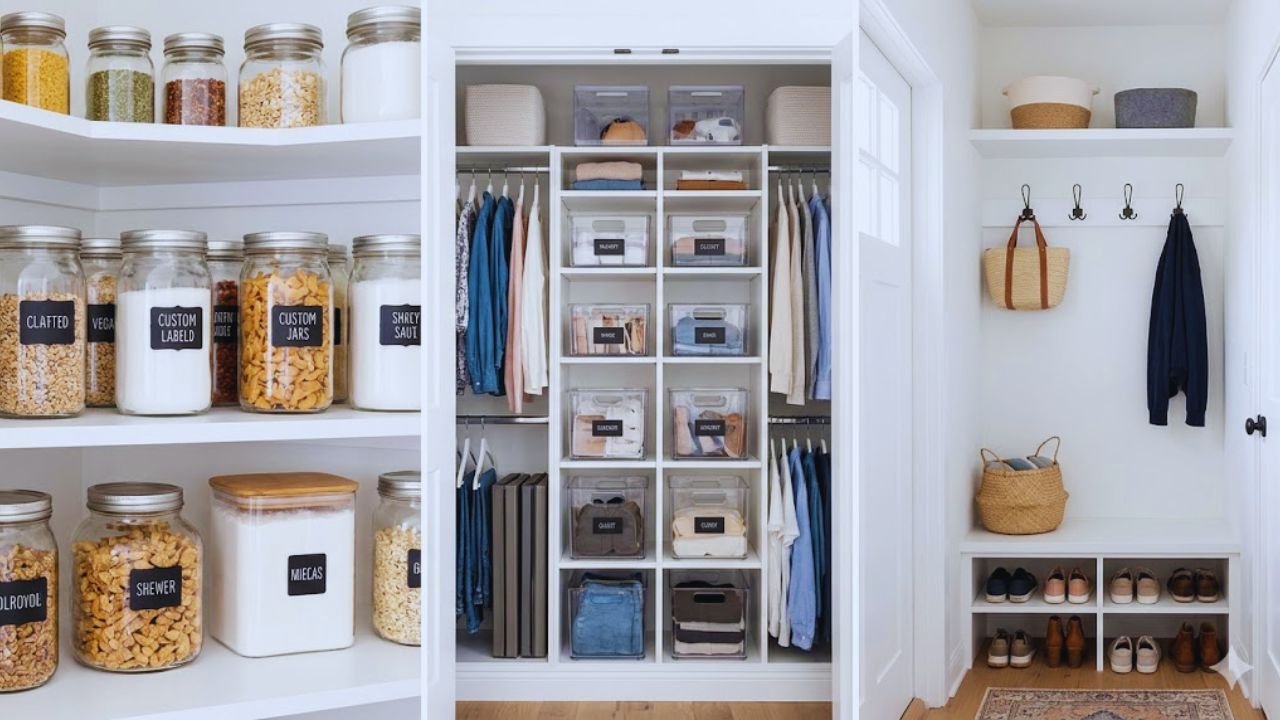
A routine zone gives each activity a clear place, which reduces searching, duplicate purchases, and items wandering across rooms.
Map Storage by Daily Actions
Start by naming the routines that create the most clutter, then choose one nearby storage spot for each routine. This storage map should match real habits, not an ideal version of the home.
Mail should land where it naturally enters. Pet supplies should sit near the door if walks happen there. Cleaning cloths should stay near the surfaces they clean most often.
Keep One Home per Category
Each category should have one main home. Batteries, cords, pantry snacks, medicine, school papers, and cleaning refills become easier to manage when everyone knows where they belong.
This category home reduces duplicate purchases and daily searching. Some categories may need a backup location, but the main home should still be clear. If it keeps overflowing, the category may need a limit, not a larger container.
Fix the Biggest Zone Breakers
Some categories break organization faster than others. Shoes, paper, and laundry are common examples because they enter daily routines and pile up quickly.
These zone breakers need simple, visible systems. Shoes need a defined footprint near the entry. Paper needs one inbox or folder, not several piles across the house. Laundry needs a hamper where clothes are actually removed.
Also Read: How to Organize Small Living Spaces
Use Containers as Limits, Not Hiding Places
Containers work best when they create boundaries. A bin, tray, basket, or drawer should show how much of a category can stay. This container limit prevents clutter from expanding quietly.
Avoid using containers to postpone decisions. If a bin fills up, remove items before adding more, because a larger container usually hides the problem and makes the next reset harder.
Start With High-Friction Categories
Begin with categories that cause repeated mess, such as cables, snacks, toiletries, cleaning sprays, water bottles, or small tools. Assign each one a container you already own before buying anything new.
This friction category approach keeps the process practical. Place the container where the item is used most often so access feels easy during busy weeks.
Use One-In, One-Out Decisions
A one-in, one-out habit keeps limited categories from growing. When a new item enters, one similar item leaves. This one-out rule works well for mugs, cords, bottles, towels, food containers, toys, and small tools.
Make the removal immediate by placing donations, recycling, or trash in the proper spot before the old item blends back into storage.
Create a Permanent Exit Spot
Decluttering is not finished until items leave the home. Set one tote, bag, or box near the exit for donations, returns, and recycling.
This exit spot creates a steady path out of the house. Empty it weekly, even if it is not full. Otherwise, removed items become a new clutter pile instead of leaving your space.
Add a Weekly Review
Daily systems work better when a weekly review catches small problems early. This is not a deep clean or a full home reset.
It is a short check for overflow, misplaced items, expired products, and zones that are no longer working. A weekly review keeps the system honest and prevents clutter from becoming a weekend project.
Review Paper, Pantry, and Toiletries
Paper, pantry items, and toiletries are worth checking often because they build quietly. Mail stacks up, snacks hide behind duplicates, and bathroom products multiply when backups are hard to see.
This category check helps reduce waste and repeated buying. Open each area, remove what is expired or unused, and group similar items together without turning the review into a full makeover.
Adjust Systems That Keep Failing
If the same area gets messy every week, the system needs adjustment. A basket may be too far away, a label may be unclear, or a container may be too deep.
This system adjustment fixes the cause instead of repeating the same cleanup. Move storage closer, shrink the category, remove a lid, or make the label clearer so the system feels easier to follow.
Conclusion: Let the System Do the Work
Simple systems for home organization work because they reduce decisions before clutter spreads. Start with a daily reset, create zones around real routines, use containers as limits, and review small categories each week.
The goal is not to keep every room perfect. It is to build lasting order through clear homes, visible limits, and repeatable routines that fit real life.