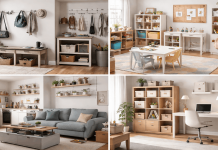
Most homes do not become messy all at once. Clutter usually starts in small high-use areas where people drop items quickly and plan to deal with them later.
Entryways, kitchen counters, closets, bathrooms, paperwork, and laundry spaces collect daily objects faster than most people notice.
This guide explains how to organize those problem areas with simple systems that match real habits, not perfect routines.
Start With the Areas That Slow You Down Most
The best place to begin is not always the messiest room. It is usually the area that causes the most daily friction, such as searching for keys, moving piles from the counter, digging through clothes, or stepping around shoes by the door.
When one small zone keeps interrupting your routine, fixing it can make the whole home feel easier to manage.
A useful organizing system should answer one simple question: where does this item go when I am tired or in a hurry? If the answer is unclear, the item will probably land on a counter, chair, floor, or random drawer.
That is why simple limits matter more than decorative storage. The goal is to create places that are easy to use every day.
Make the Entryway Work Before Clutter Spreads
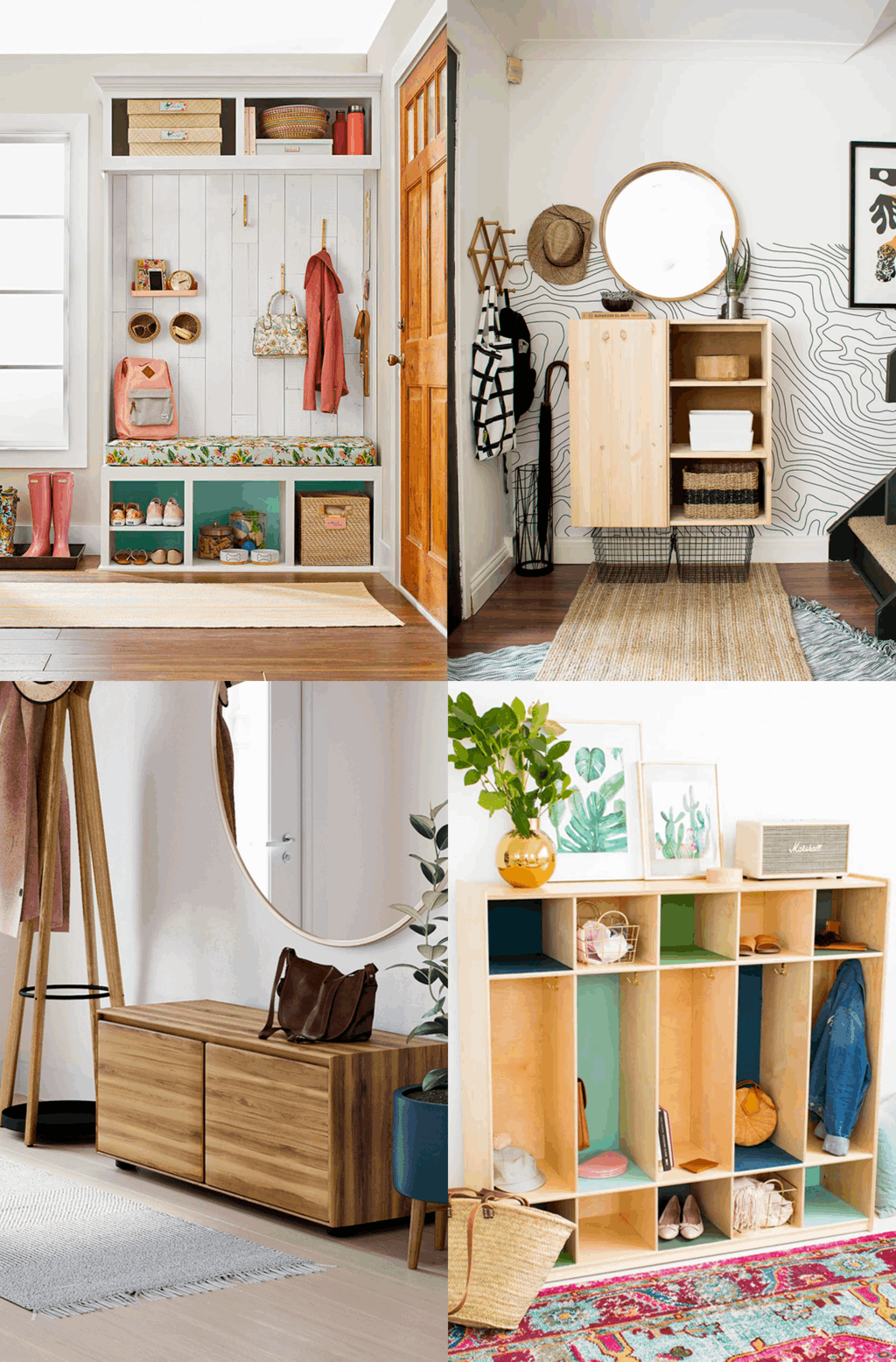
The entryway is one of the most important clutter zones because it affects the rest of the home. Shoes, bags, coats, keys, mail, and small essentials all pass through this space.
When there is no clear system, those items move into the kitchen, living room, bedroom, or hallway. A better entry setup keeps daily clutter contained early.
Set Limits for Shoes, Bags, and Outerwear
Shoes pile up when every pair is allowed to stay near the door. Keep only the pairs used most often in the entryway and move occasional or seasonal shoes elsewhere.
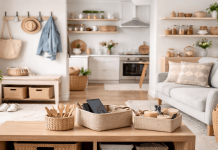
Bags and outerwear need the same kind of limit. If the space is small, hooks, shallow bins, or vertical storage can help keep items visible without creating a crowded drop zone.
The key is to avoid treating the entryway like long-term storage. It should hold what people need when leaving or arriving home, not every coat, umbrella, bag, or shoe in the house.
Seasonal rotation helps here. When warm weather arrives, heavier coats and accessories should move out so the area can breathe again.
Give Keys, Mail, and Small Items One Landing Spot
Small items create clutter quickly because they are easy to drop and easy to lose. A tray for keys, a hook for bags, and one container for incoming mail can prevent the same mess from repeating every day.
The system does not need to be stylish or complicated. It only needs to be close enough to the door that people actually use it.
Mail needs a stricter rule because it can turn into a pile fast. Keep one intake spot for papers, then process it daily or weekly depending on your schedule.
Throw away what is clearly unnecessary, separate anything that needs action, and store important documents elsewhere. This prevents paper from becoming a permanent surface problem.
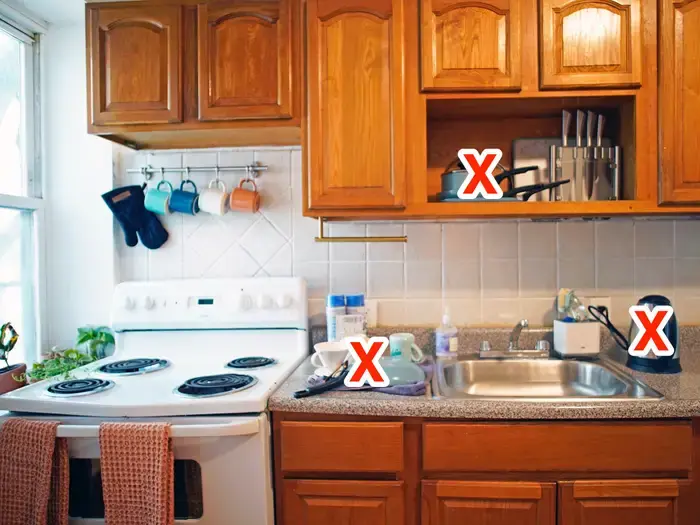
Keep Kitchen Counters Clear Enough to Use
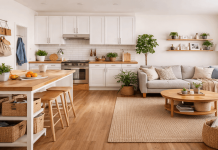
The kitchen becomes chaotic when storage does not match how people cook, eat, and clean. Counters often collect appliances, school papers, bags, mail, containers, and items that belong in other rooms.
Cabinets also become crowded when occasional-use tools take space from everyday items. A functional kitchen needs clear access and visibility.
Counters should hold only what you use daily or almost daily. If an appliance is used once a month, it probably does not need prime counter space. Keep the most-used tools within easy reach and move extras into cabinets, shelves, or storage zones nearby.
This makes cooking and cleanup faster because you are not constantly moving things out of the way.
Cabinets and drawers work better when grouped by function. Cooking tools should stay near the stove, food storage near the prep area, and dishes near where they are served or unloaded.
Organizing by size or appearance may look neat at first, but it often fails during real use. A good system supports the way you actually move in the kitchen.
Make the Pantry Easier to See and Reset
Pantries become frustrating when older items disappear behind newer ones. Food packaging comes in different shapes and sizes, so a shelf can look full even when you cannot tell what is inside.
This leads to duplicate buying, expired food, and wasted space. The simplest fix is to create clear food zones.
Snacks, staples, canned goods, baking items, and cooking ingredients should each have a loose area. Labels can help, but they are not required if the zones are obvious.
What matters is that everyone can find items quickly and return them without guessing. A pantry that is easy to reset will last longer than one that only looks perfect after a full cleanout.
Before shopping, check the pantry and fridge quickly. Move older items forward and make space for what you actually need.
This small habit prevents overbuying and keeps food from hiding until it expires. It also makes meal planning easier because you can see what is already available.
Turn Closets Into Usable Systems, Not Overflow Storage
Closets feel overwhelming when they hold too many categories at once. Everyday clothes, seasonal pieces, accessories, bags, shoes, bedding, and random storage items often compete for the same space.
The problem is not always the amount of clothing. Many closets become stressful because items are not arranged by frequency of use.
Daily clothing should be the easiest to reach. Group clothes by type, then place the most-worn items where your hands naturally go.
Seasonal or occasional pieces can move to higher shelves, labeled bins, or a different storage area. This makes getting dressed faster and keeps the closet from feeling like a search project.
Accessories need defined storage because they disappear easily. Belts, scarves, jewelry, small bags, and hats should be visible or grouped in shallow drawers, dividers, or hanging organizers.
If you cannot see what you own, it becomes easy to buy duplicates or forget useful items. Visibility protects both space and budget.