Homes do not fall apart overnight, they drift one choice at a time. To use simple systems for home organization, you need routines that survive busy weekdays. These systems cut decision fatigue and keep clutter from spreading.
Below are four practical systems for real kitchens, bedrooms, and entryways. Each one sets clear homes for items and limits category growth.
You will get practice outlines you can repeat without shopping. Start small, repeat daily, and trust the routine over motivation.
The Daily Reset Loop
The daily reset loop stops mess before it becomes a project. Run it at the same time each day, usually after dinner, in most households.
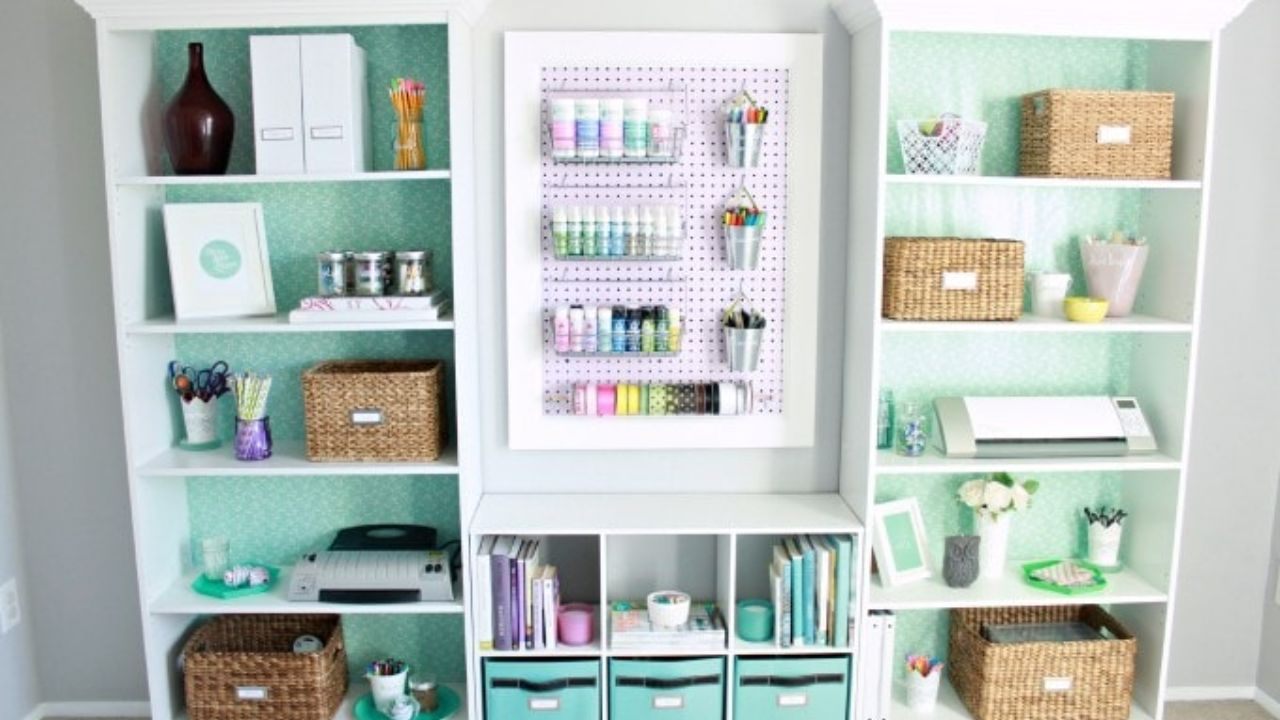
It targets the few surfaces that collect everything and signal stress. You are not deep cleaning, you are restoring the basics for tomorrow.
Keep it short so you will do it on tired nights. With repetition, it becomes a calm default that prevents pileups.
Five Minute Hotspot Sweep
Choose two hotspots that make a room look messy fast, like the counter and table. Set a five minute timer and clear only what does not belong there. Return obvious items to their homes first, then place strays in one carry basket.
Do a quick wipe so the surface looks finished and protected. Stop when the timer ends, even if one item remains. This works because visible calm arrives quickly, and the timer creates urgency without stress.
The Two Touch Rule
The two touch rule reduces clutter at the moment it is created. Touch an item once to use it, then touch it again to put it away. If putting it away feels annoying, adjust the storage location, not willpower.
Keep daily items at hand level, and keep backups higher or deeper. This removes the habit of dropping things on surfaces and protects follow through that feels realistic. Over time, you get less drift and fewer mystery piles.
Launch Pad Check Before Bed
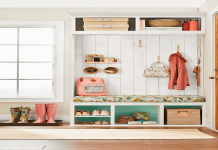
Build a launch pad that prepares you for tomorrow in under one minute. Use a tray for keys, plus one folder for papers you must take out.
Place bags, umbrellas, and chargers in the same spot every evening, and treat that spot like a controlled landing zone.
If something lands there that does not belong, move it to its home. Keep the launch pad strict, because it is not a storage shelf. It supports mornings without last minute searching.
A Practice Outline For Tonight
To practice tonight, write a three step script you can follow without thinking. Clear the two hotspots, empty the carry basket, then check the launch pad.
Run the script for seven days without changing the order, because repetition creates automatic behavior.
After a week, remove a step only if it is truly unnecessary. The goal is a loop you can finish on your worst days. That is how consistency becomes your main tool.
The Zone Home System
The zone home system prevents items from wandering across rooms and multiplying. A zone is a consistent home for a category that matches how you move.
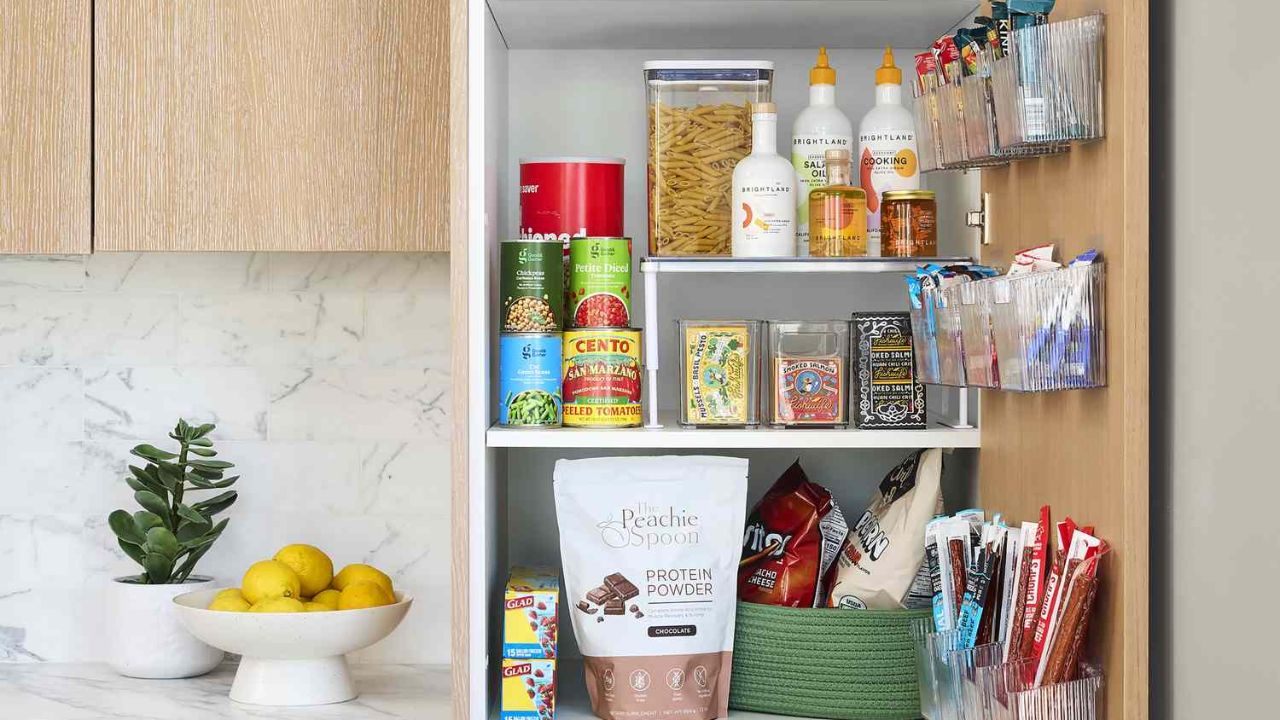
When zones are clear, you stop storing the same item in three places. You also reduce the mental load of deciding where something goes by building clear homes that make putting away easier.
Start with daily routines, not rarely used corners of the home. This creates a layout that supports real life, not a show home.
Map Your Home By Routine
Map your home by routine, not by room names, because habits beat floor plans. List five routines like getting ready, cooking, bills, cleaning, and leaving, then attach each routine to one reliable zone.
For each routine, choose one zone near the action, even if it is a drawer. Keep zones shallow so you can see items without digging. If clutter repeats, the zone is missing or too far away. Good mapping builds storage that matches your daily path.
One Home Per Category Rule
Use the one home per category rule to reduce duplicates and frustration. Pick a category, like batteries, and assign one primary home for it.
Label the spot with plain words so anyone can return items easily, which supports shared habits that do not collapse.
If a category must live in two places, define one main home and one backup. During your weekly review, return leftovers to the main home. This rule delivers less buying and less hunting.
Fix The Zone Breakers
Fix three zone breakers that derail many households: shoes, paper, and laundry. For shoes, define a footprint at the entry and limit it to weekly pairs, so the floor stays open and traffic stays smooth.
For paper, use one inbox where all mail lands, then sort it weekly. For laundry, set one hamper location and stop using chairs for storage.
These breakers create clutter because they happen often and feel urgent. Addressing them builds stability in the busiest areas.
The Container Limit System
The container limit system uses physical boundaries to keep categories from expanding. Clutter often returns because there is no clear limit for how much can stay.
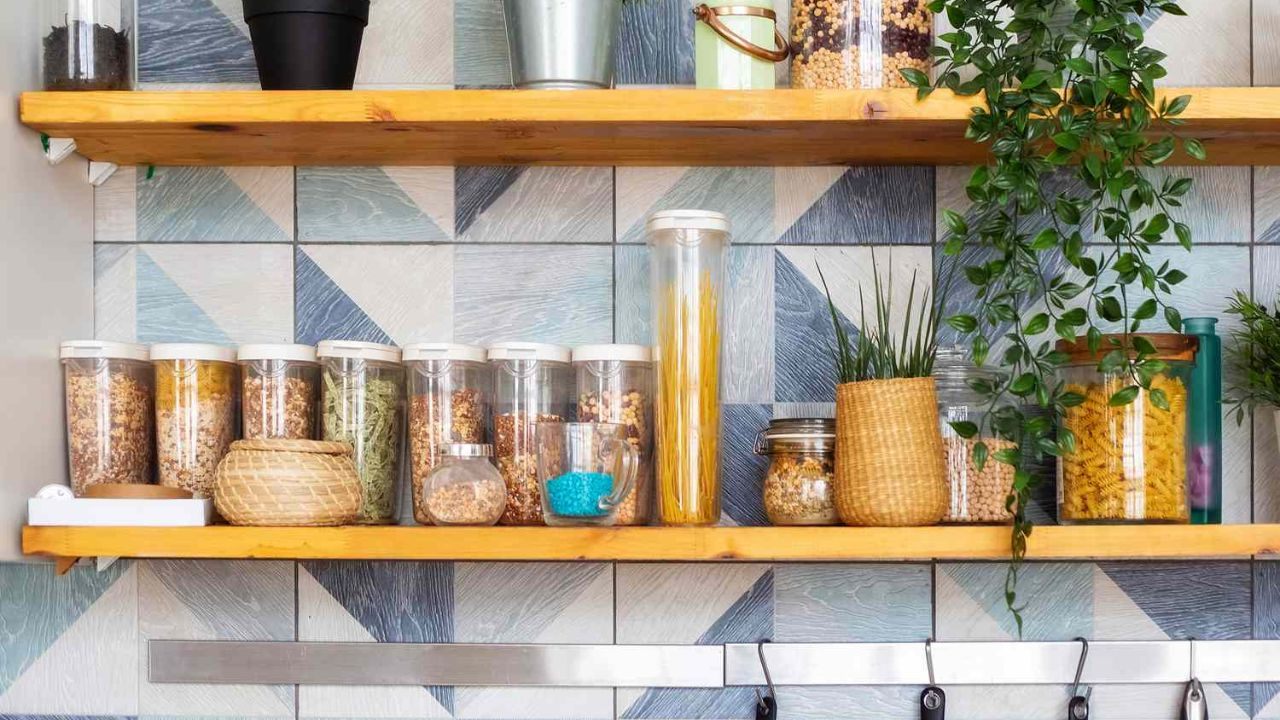
A container becomes a rule you can see, not a suggestion you forget, and it creates automatic limits without arguments.
When it fills up, you remove items before adding anything new. This prevents overflow without constant willpower and repeated frustration. It is a simple way to control volume automatically.
Start With Five High Friction Categories
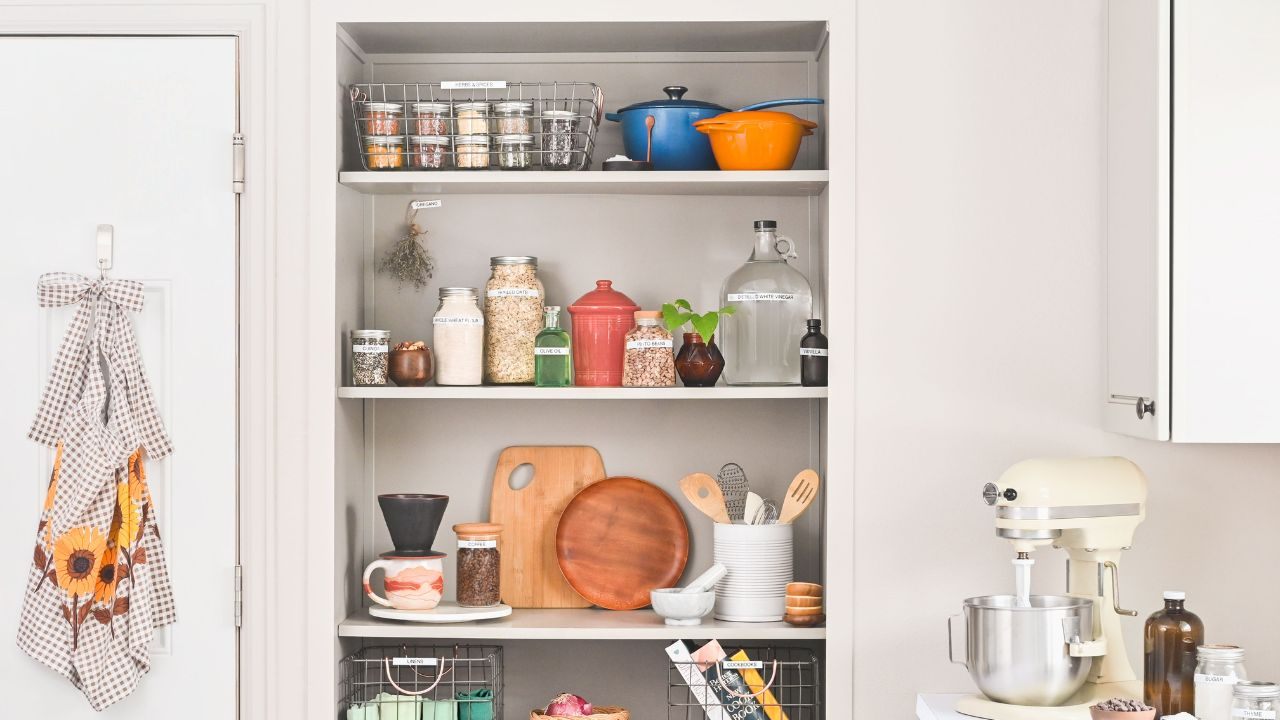
Start with five categories that cause friction, like bottles, snacks, cables, or sprays. Assign each category one container, using what you already own first, because your space is the real budget.
Place the container where you naturally reach for that category, so the limit stays visible. Keep access easy, because hard access invites dumping elsewhere.
If the container overflows each week, the category is too big for your space. That is your cue to reduce, not resize.
One In, One Out Decisions
Use a one in, one out decision whenever a limited category gains a new item. If you buy a new bottle, remove one bottle immediately, and apply the same logic to cords and tools as a volume control habit.
If you add a new cable, remove one broken or unknown cord. Make removal final by placing it into a donation bag or trash.
Over time, the category becomes curated without a purge weekend. The rule works because new items do not raise the total.
Standardize Container Sizes
Standardize container sizes so shelves and drawers stay flexible as needs change. Choose two sizes that fit your spaces, like a small bin and a medium bin.
Use the same sizes across rooms, so swapping categories does not require supplies and rearranging stays low effort.
Label the front with simple terms, and keep labels in the same spot. Standard sizes reduce wasted gaps and make cleaning faster. They support systems that adapt without setup fatigue.
Create A Permanent Exit Spot
Add a permanent exit spot so removed items actually leave your home. Set a tote near the door for donations, returns, and recycling, and treat it like a one way pipeline out.
When you hit a limit, move the removed item straight to that tote. Choose a weekly day to empty it, even if it is not full.
This prevents a clutter pile from forming in a corner. An exit spot creates a home that makes room on purpose.
The Weekly Review System
The weekly review system is maintenance, not a marathon cleaning session for busy households. It catches drift early, when fixes are quick and frustration is low.
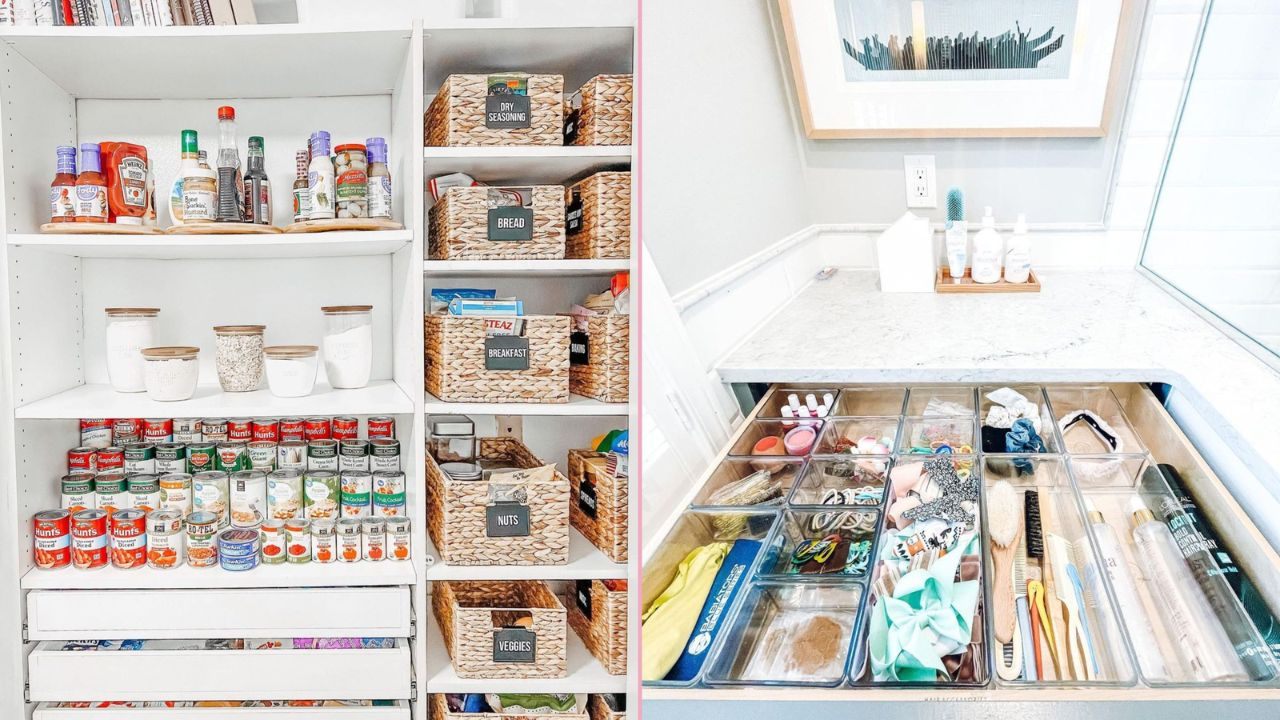
You look for overflow, misplaced items, and zones that are quietly failing, which supports small fixes before they spread.
You also restock basics so emergency runs stop adding random clutter. Keep the review short and run it on the same day weekly, every week. This creates steady control without weekend marathons.
The Ten Minute Category Check
Do a ten minute category check on three areas that commonly create clutter. Paper is first, because it arrives daily and stacks quickly if ignored.
Pantry is second, because duplicates hide behind other items and expire, which creates silent waste and extra mess. Toiletries are third, because backups multiply when you cannot see what you have.
Open each spot, remove what is expired or unused, and group like items. This builds visibility that prevents overbuying.
Restock, Replace, And Reset
Use the weekly review to restock, replace, and reset with small moves. Restock only what you use, like soap or trash bags, and stay within limits.
Replace broken hooks, missing bins, or dead batteries before workarounds spread, because broken setups create new clutter paths. Reset one struggling zone by returning items home and clearing the main surface.
If the same zone fails weekly, change the setup instead of repeating cleanup. Weekly repairs protect maintenance over rescue.
A Weekly Schedule You Will Actually Keep
Make the review easy by pairing it with a habit you already do. Tie it to meal planning, bill paying, or a weekly calendar check, so the trigger stays consistent.
Use one checklist: scan categories, empty the exit tote, reset one hotspot. Stop when the checklist is done, even if you feel motivated.
If you miss a week, restart without doubling time or adding guilt. A schedule works when it respects your attention and energy.
Conclusion
When home organization feels impossible, the answer is usually systems, not effort. Use the daily reset loop to protect surfaces and calm mornings, and keep simple systems for home organization consistent on weekdays.