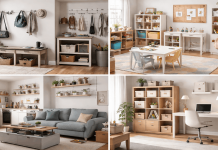
In homes that feel crowded, Simple Storage Solutions save money and time without sacrificing style.
Everyday objects double as organizers when used deliberately and labeled clearly. Under $15 organizers handle most clutter categories, while a few quick DIYs unlock hidden inches in closets, bathrooms, and pantries. Start small, repeat wins, and keep restocking containers as part of regular tidying.
How To Use Everyday Items As Organizers
Repurposed objects handle daily clutter better than mismatched packaging and ripped cardboard. Start by emptying bulk boxes, then group loose items into containers that match your decor.
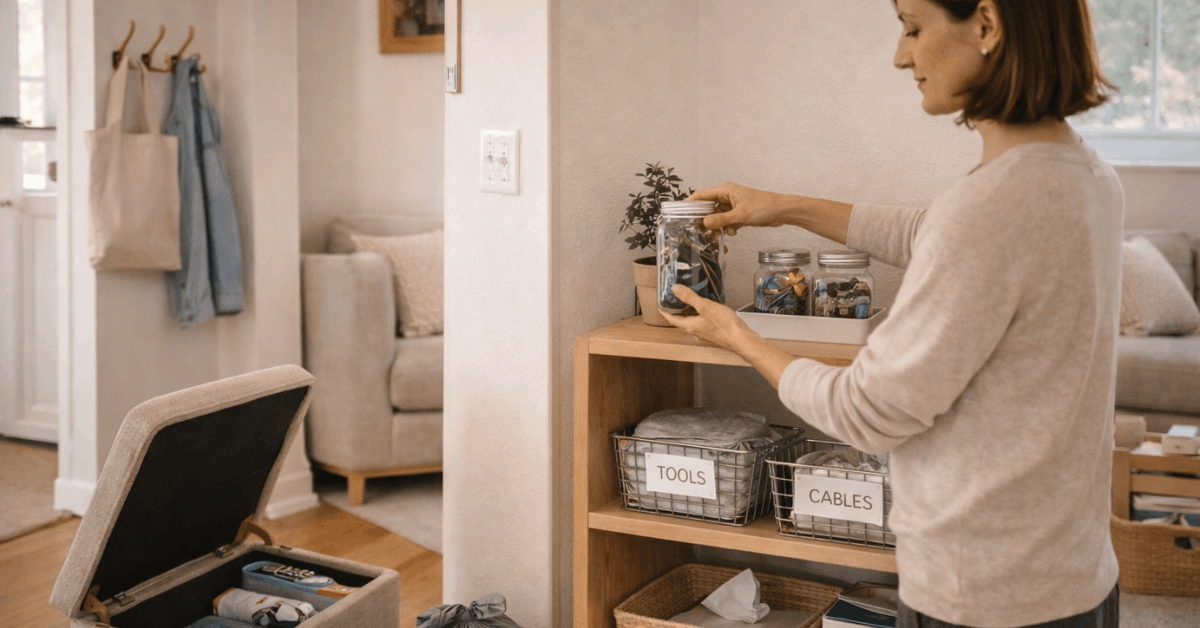
Small labels finish the job and make resets painless after busy days. Aim for clear categories and consistent container sizes to stop overflow.
Baskets and Bins
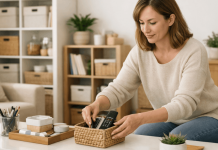
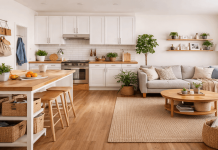
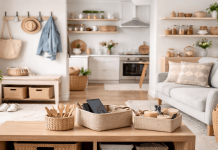
Thrifted baskets and simple bins corral toys, remotes, pet gear, and scarves while adding texture. Mix sizes on shelves, then label fronts so items go back to the same home every time. Affordable picks in natural fibers ride out trend cycles and hide visual noise in open rooms.
Repurpose Kitchen Tools
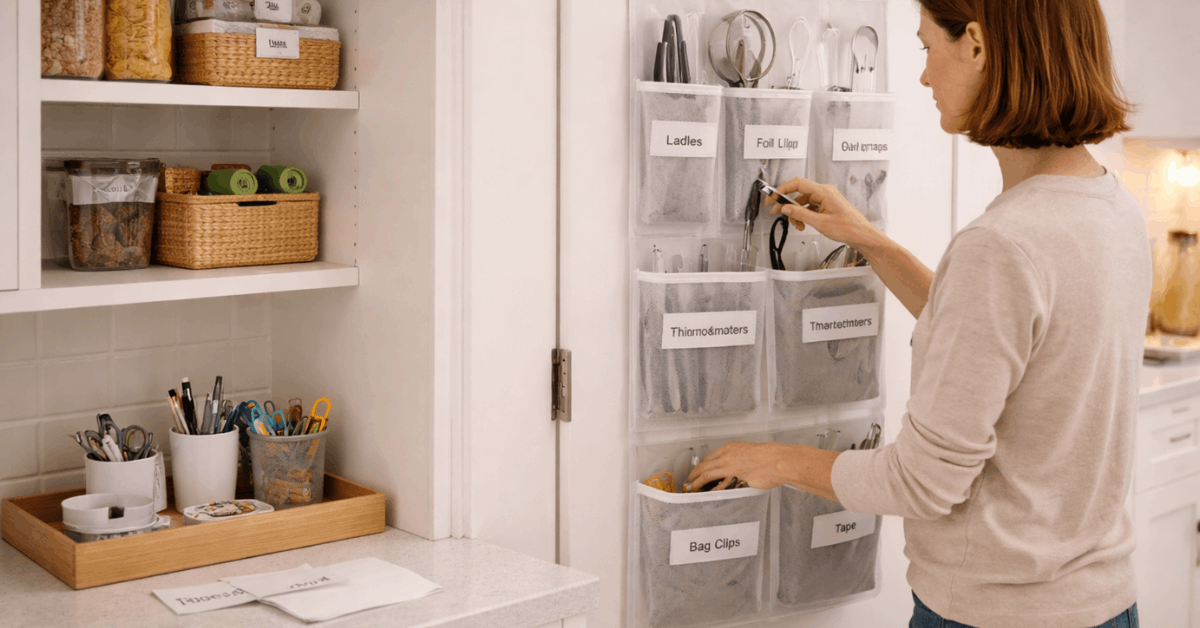
A paper towel holder becomes a twine dispenser in a craft zone and prevents tangles. Loaf pans line up makeup or nail care items on a vanity and wipe them clean fast. Over-the-door shoe organizers turn into kitchen storage hacks by holding gadgets, foil, and spice packets.
Mason Jars For Small Parts
A 12-pack of mason jars often costs about eleven dollars and solves hardware and craft chaos. Use wide mouths for clothespins and baking ingredients, then apply front labels for quick reads. A sturdy metal caddy keeps jars portable for parties or outdoor projects.
Group Items In A Tray
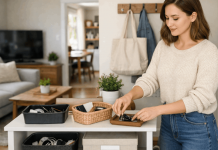
A tray with small cups or bowls handles office bits like clips, labels, and rubber bands. Remove bulky retail packaging, store refills elsewhere, and top off cups during weekly resets. Trays slide into cabinets fast and keep loose items contained during deep cleans.
Cabinet Storage Upgrade
Low-cost bins tame cooking zones when grouped by task, such as oils and vinegars or baking essentials. Add simple labels to each container, then pull out the entire bin while cooking. Consistent sizes maximize shelves and turn deep cabinets into predictable, reachable storage.
Room-By-Room Quick Wins
Several habits deliver outsized results across kitchens, bathrooms, closets, and entryways.
Label containers, assign a home to each category, and keep vertical surfaces productive. Repetition matters more than novelty, so upgrade the same way in every room. Simple tools beat complicated systems during busy weeks.
Entry and Sports Gear
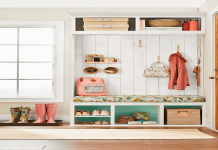
Sturdy laundry baskets absorb elbows, helmets, and balls without cracking under weekend traffic. Punch two holes through laminated labels and attach using zip ties for durability. Personalized buckets on a bookcase shelf keep keys, hats, and notes separate for each person.
Closets and Weekly Outfits
Create hanging tags marked Monday through Friday and stage full outfits to speed mornings. Add a double-decker closet rod when the top rod sits at least sixty-six inches high. This basic change doubles shirt and slack capacity and costs less than a dinner out.
Small Closet Shelving
Combine baskets and open bins to turn tight closets into efficient stations. Line up clear labels on shelf fronts so categories stay obvious. An over-the-door organizer expands capacity without stealing floor space.
Kitchen Catch-All
Transparent shoe-organizer pockets become quick-access storage for ladles, peelers, and thermometers. Label each pocket and return tools to the same spot after dishwashing. This approach clears drawers and shortens cooking prep on busy nights.
Bathroom Basics
Mounted towel racks and slim rolling carts prevent counter piles and soggy stacks. Use the space above the toilet for baskets or cabinets to hold paper and backups. Tempered glass shelves on cable brackets keep bottles accessible while freeing the tub rim.
Small Space Storage That Punches Above Its Weight
Apartments and compact homes need vertical thinking, hidden cavities, and multiuse furniture.
Plan walls like floors by using pegboards, rail systems, and tall bookcases. Hide categories behind doors and cabinet fronts, then add hooks wherever a bag or towel lands. Furniture that stores items reduces visual clutter and speeds cleanups.
Use Vertical Space
Pegboards fit kitchens, craft corners, and garages where tools benefit from visibility. Floating shelves stack frequently used items at shoulder height and display decor above. Cube towers add compartments that stay stable under baskets and labeled bins.
Behind Doors
The back side of the room and cabinet doors supports racks, adhesive hooks, and pocket organizers. Cutting board files, foil boxes, and lids mount on cabinet doors and clear drawers. Add a thin rubber bumper if the shelf frame risks hitting the door.
Furniture That Doubles As Storage
Choose an ottoman with interior space for throws and controllers in living areas. Beds with cubbies store shoes and seasonal linens without separate totes. Coffee tables with drawers hide remotes, chargers, and coasters between uses.
Storage Ladders
Leaning ladders hold blankets, towels, or clipped baskets without hard installs. Position one near the entry for scarves or mail trays that swap seasonally. Stability pads protect walls and stop shifting on smooth floors.
Hang Hooks
Adhesive hooks inside closets wrangle belts, bags, and seasonal accessories. Wall-mounted hooks near doors catch daily jackets and backpacks within seconds. Command strips move without holes when rearranging rooms or packing for a move.
DIY Storage Projects Under A Weekend
Simple projects add square footage without renovations. Measure twice, choose appropriate anchors, and keep weight limits in mind.
When mounting shelves into drywall, aim for studs or use specified toggles from the hardware packaging. Eye protection, gloves, and a vacuum at hand keep installs clean and safe.
| Project | Where It Works | Core Materials | Estimated Cost | Time |
| Heavy-Duty Utility Shelves | Garage or basement | 2x4s, 2x2s, MDF or plywood, wood screws | Low to moderate | 2–3 hours |
| Stud Space Cabinet | Hall or bath wall | 1x4s, 1/4-in. back, shelf pins, trim | Low | 2 hours |
| Behind-The-Door Shallow Shelves | Utility or pantry door | 1x4s, 1x2s, shelf standards, screws | Low | 1–2 hours |
| Joist Underside Wire Shelving | Garage ceiling joists | 16-in. wire shelf, plastic clips, screws | Low | 1 hour |
| Two-Story Closet Shelves | Bedroom closet | Shelf boards, end and middle supports | Low | 1–2 hours |
Smart Labeling and Maintenance
Clear labeling keeps systems alive when several people share spaces. Laminate cardstock labels for baskets, apply waterproof stickers to jars, and tag pocket organizers at the top right corner for easy scanning.
Refill trays and jars during weekly resets and remove orphan items that no longer belong. A short timer on weekends prevents drift and keeps surfaces clear.
Safety, Sizing, and Material Choices
Mount heavy shelves into studs and keep bracket spacing within the manufacturer’s guidance. Toggle bolts belong in properly sized holes when studs are unavailable, especially for cable-shelf brackets.
Tempered glass means heat-treated safety glass that resists shattering into sharp shards. In bathrooms, ventilate after showers to reduce moisture damage on labels, liners, and baskets.
Budget Wins Under Fifteen Dollars
Most high-impact organizers fall in a modest price band. Mason jars, wire baskets, clear bins, and shoe organizers typically cost under fifteen dollars in many regions.
Thrift stores and flea markets lower costs further for milk-glass cups, trays, and metal caddies. Keep a running list of container sizes on your phone so impulse buys actually fit shelves and drawers.
Weekly Setup: Create Predictable Routines
Plan a week of outfits on labeled hangers and stop morning decision fatigue. Stage lunch prep bins in the fridge and group snacks into clear containers.
Place a boot tray filled with glass pebbles near the entry so meltwater drains under boots instead of pooling on floors. Return mail tools, pens, and scissors to a tabletop organizer nightly to end paper piles.
Mini Case Snapshots
In a compact studio, a storage ladder held blankets and a clipped pouch for remotes, reducing coffee table clutter within one evening.
A slim rolling cart tucked between the sink and toilet stored toiletries and extra paper, which freed a full drawer for towels. A pantry refresh replaced torn boxes with labeled jars and one oils-and-vinegars bin, cutting cooking prep time on weeknights.
Checklist: Start Today In 20 Minutes
Empty one drawer and move loose packets, lids, and wraps into a labeled over-the-door organizer. Stage a tray with four cups for office or mail supplies and toss empty packaging. Add two adhesive hooks near the entry for daily bags and a small key ring.
Label one laundry basket for sports gear and attach the tag using zip ties. Line a basic tray with glass pebbles to create a quick boot-drying spot.
Conclusion
In the end, small, repeatable moves keep storage simple and homes calmer. Start cheap, label clearly, and standardize containers so resets happen fast.
Keep adding vertical options, behind-door space, and multi-use furniture as needs change. In a few steady weeks, clutter shrinks, routines stick, and daily tidying requires almost no extra effort.