In homes that rarely sit still, structure wins back time, patience, and calm. This guide focuses on creating an Order in a Busy Household without chasing perfection or unrealistic minimalism. In practice, order means predictable routines, simple tools, and spaces that match today’s realities.
In families that juggle school runs, shift work, and weekend projects, small systems outperform occasional deep cleans.
Chaos appears in waves, and organization absorbs those waves through repeatable habits. Instead of forcing every corner to stay pristine, aim for flow, clarity, and quick recovery. Everyday order grows from routines, shared responsibility, lean storage, and gentle course corrections.
Set Predictable Routines and Rituals
Strong routines remove guesswork and soften the day’s hardest transitions. Consistency lowers resistance, clarifies expectations, and keeps decisions lightweight during peak hours.
Treat routines as scaffolding, not handcuffs, and adjust as seasons, schools, and workloads change. Start where pain is loudest, then expand once the first patterns stick.
Morning Routine
Mornings set the tone for energy, focus, and punctuality. Prep visible items the night before, including outfits, backpacks, sports kits, and permission slips.
A visual checklist keeps kids and adults moving without constant reminders or repeated prompts. Build a small buffer of ten to fifteen minutes to absorb forgotten shoes, missing keys, or wet weather surprises.
After-School and After-Work Rhythm
Afternoons benefit from a predictable handoff between arrival, reset, and task time. Shoes and bags land in the same zone, snacks and hydration appear quickly, and homework or chores begin after a short decompression. Short, consistent blocks outperform long, irregular marathons that fuel pushback and fatigue.
Evening Routine
Evenings aim to reduce stimulation and stage tomorrow. Anchor a regular dinner window whenever possible, then limit screens as bedtime approaches.
Calming activities, warm lighting, and repeatable wind-down steps cue the body for sleep. A consistent lights-out time helps all ages recover and handle tomorrow’s load.
Run The Week On A Shared Calendar
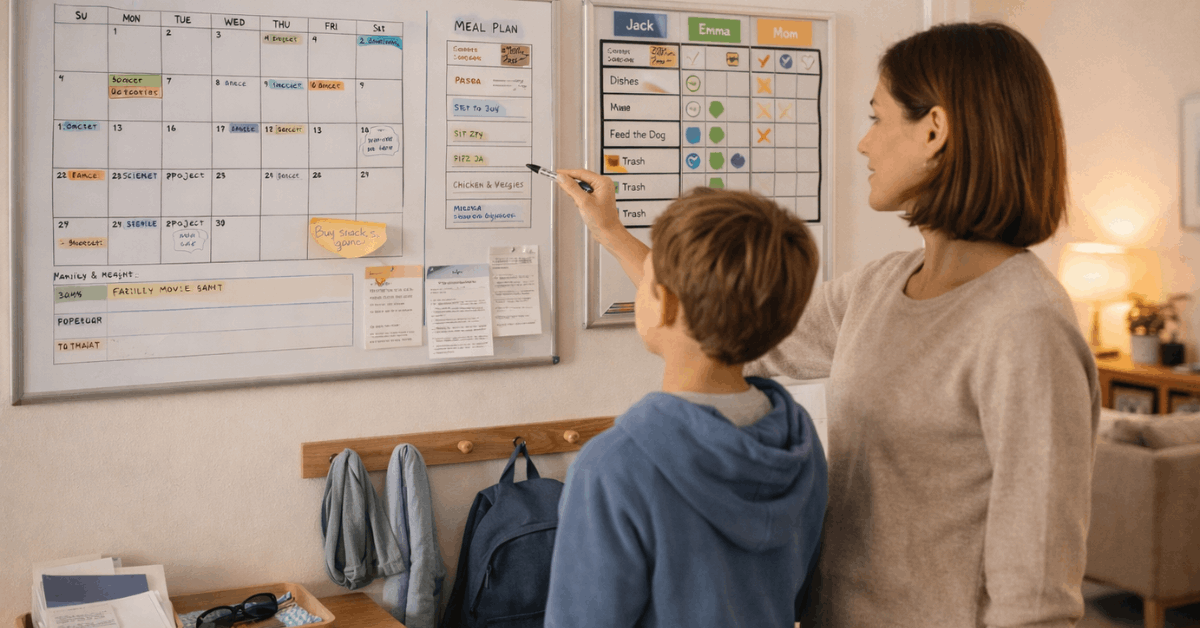
A shared view of time prevents last-minute scrambles and frustrated car rides. Centralize dates, deadlines, practices, and appointments where everyone can see them.
Adults and older kids gain independence when schedules are transparent and synced. Start with one reliable system, then add light enhancements once adoption feels natural.
Choose A System
Digital calendars such as Google Calendar or Microsoft Outlook make sharing and syncing painless, while a large wall calendar supports quick glances near the kitchen. Hybrids work well in busy homes, pairing a digital core with a visible monthly board for anchors and reminders.
Make It Visible
Post major weekly beats where decisions happen, including meal nights, school events, exams, and travel days. Color coding by person or category reduces scanning time and helps younger children connect activities to their names.
Hold A Sunday Planning Session
A short Sunday Planning Session aligns rides, meals, budget constraints, and prep tasks before the week starts. Confirm drivers, stage uniforms, and resolve conflicts while there is still room to adjust. This small meeting prevents preventable stress and turns the calendar into a reliable guide.
Declutter and Simplify Strategically
Clutter grows quietly until rooms lose purpose and energy. Treat organization as a series of small choices made daily, not an annual purge.
Keep frequently used items close, relocate seasonal or seldom-used items, and release what no longer serves. Relief appears fastest when decisions are simple and consistent.
The One-Touch Rule
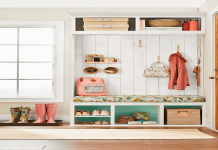
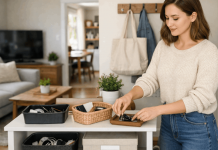
Adopt the One-Touch Rule for common clutter magnets such as mail, shoes, and charging cables. Items land in their homes immediately rather than on counters, chairs, or floors. Light labels and obvious containers make the rule easier to follow during busy moments.
Small-Step Decluttering
Short sessions of ten to fifteen minutes trim hotspots without draining willpower. Tackle a single drawer, shelf, or bin, then stop on time. Micro-wins compound faster than irregular deep dives that nobody wants to repeat.
Keep-Donate-Discard Decisions
Decide with three questions that simplify judgment: Do we use this regularly, does it have a home, and would we miss it if it disappeared? Items that fail these checks are either donated or discarded, which keeps storage honest and accessible.
Share Responsibility Across The Household
Shared homes need shared labor to stay fair and sustainable. Everyone contributes at age-appropriate levels, which prevents burnout and builds capability.
Clear roles eliminate nagging and replace it with visible commitments and predictable tasks. Small rewards and rotation maintain engagement over long stretches.
Age-Appropriate Chores
Younger children handle tidying toys, wiping tables, watering plants, and feeding pets. Older kids take on laundry stages, vacuuming, dishes, and meal prep assistance. Adults split recurring anchors such as bathrooms, floors, finances, and weekly errands.
Use A Rotating Chore Chart
A simple rotating chore chart equalizes less popular tasks across the month. Charts work best when they live near the calendar and use icons for younger readers. Weekly check-ins resolve bottlenecks and rebalance loads during exam weeks or travel.
Make Accountability Positive
Timers, music, and race-style cleanups keep energy high without turning chores into punishment. Small, visible completion markers deliver progress cues and close loops quickly. Positive accountability builds momentum rather than resentment.
Plan Meals For Less Daily Friction
Planning removes the 5 p.m. decision tax that derails evenings. Keep choices few, ingredients repeatable, and prep steps small enough for busy weekdays. A weekly meal plan aligns the pantry, the calendar, and everyone’s expectations.
Simple rules reduce stress and waste during hectic weeks. Use familiar recipes, repeat proven wins, and outsource steps when budgets allow. Keep five levers within reach and adjust based on schedules and dietary needs.
- Rotate a core set of twelve to fifteen easy dinners that fit busy nights.
- Assign theme anchors such as Pasta Monday, Taco Tuesday, or Slow-Cook Wednesday.
- Use grocery pickup or delivery to protect time, attention, and impulse control.
- Batch-cook freezer-friendly meals and label portions for fast future nights.
- Share prep tasks across family members, including chopping vegetables and loading slow cookers.
Protect Quiet and Recharge Time
Attention suffers when homes never cool down. Build small buffers of stillness that help bodies reset, and minds focus. A quiet hour routine supports reading, journaling, puzzles, stretching, or solo play without noise competition.
Dedicated nooks with soft light, a chair, and a small shelf make resting easier to choose. In households that prize learning and creativity, visual calm preserves focus during homework and hobby time.
Clear desks, staged supplies, and uncluttered sightlines improve follow-through more than longer sessions ever will. Consistent quiet slices also reduce conflicts, since everyone knows when the room will soften.
Use Simple Tools Without Over-Engineering
Tools should lighten the load, not expand it. Task apps such as Todoist or Microsoft To Do capture actions quickly and share responsibilities between adults and teens. Calendar apps handle recurring commitments, while pantry lists keep staples on hand without extra trips. A visible family command center consolidates to-dos, meal notes, and permission slips near the main traffic path.
Food logistics also benefit from practical helpers. Delivery services such as Grubhub or Instacart save time during stacked evenings, while shared digital grocery lists prevent duplication. Keep technology choices few so routines survive device changes, app updates, and school transitions.
Short, immediate actions prevent backlog. The Two-Minute Rule clears micro-tasks such as loading dishes, staging tomorrow’s bags, and starting laundry before distractions reappear. Quick execution keeps surfaces visible and the system trustworthy.
Make Space When The House Is Full
Some seasons demand more room than walls can offer. Long-term projects, sports gear, archived papers, baby items, or inherited furniture can overwhelm closets and corners. Offloading rarely used items restores function to learning areas, play spaces, and sleeping zones.
Storage becomes a strategy for well-being, not a sign of excess. In cities that support portable options, solutions like portable storage unit models in Dallas provide flexible capacity during moves, renovations, or collection growth.
Seasonal items, bulky keepsakes, and event-specific gear can rest safely until the calendar needs them again. Protection from wear and misplacement preserves value while daily rooms breathe and recover.
Daily Essentials and Long-Term Storage
Clear separation between daily essentials and long-term storage reduces friction in shared spaces. Hallways, living rooms, and dining tables return to their intended roles, which lowers conflict and speeds tidying. Preservation improves, too, since books, art, and fragile items suffer less when not squeezed into improvised stacks.
Expect Imperfection and Adjust Systems
Perfection collapses under real-life conditions. Aim for a resilient baseline that absorbs absences, sick days, and changing shifts. Treat experiments as data, not verdicts, and update labels, bins, and checklists as needs evolve.
The organized chaos mindset rewards small, consistent nudges over dramatic resets. Grace matters when plates overflow. Some days will miss targets, and that truth does not erase progress.
Celebrate small wins such as a smooth morning, an empty sink, or a fast backpack reset. Long-term order comes from patience and repetition anchored to what the household genuinely values.
Quick Wins That Prevent Pileups
Short actions executed at the right time prevent clutter avalanches. Pick two or three that fit the current season and run them daily without fail. The goal stays simple: reduce friction and keep momentum alive.
- Apply the Two-Minute Rule to emails, dishes, counters, and staging tomorrow’s items.
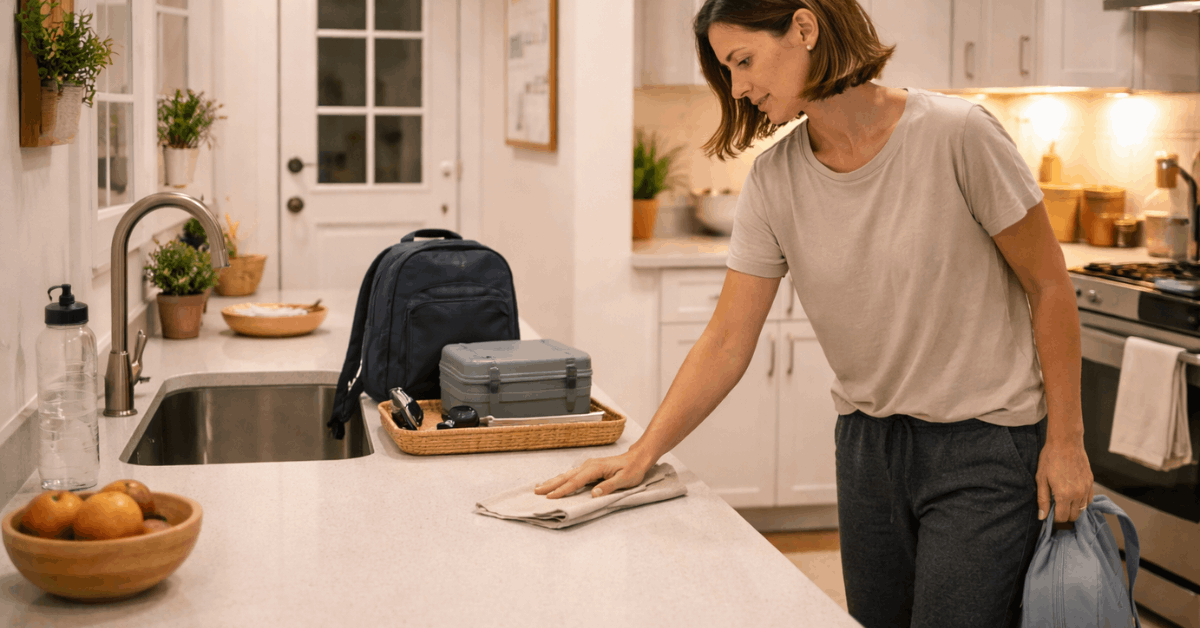
- Stage outfits, backpacks, keys, and water bottles before bedtime to protect mornings.
- Park returns and donations in a visible bag near the exit and empties it weekly.
- Run a five-minute evening reset focusing on surfaces, sinks, and the entry zone.
- Funnel mail and school papers into one inbox, then clear it during the weekend.
Keep Progress Visible and Light
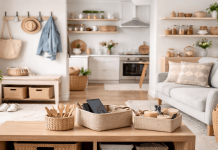
Simplicity supports compliance during heavy weeks. Clear bins, labels, and consistent homes for common items shorten search time and reduce stress.
Small rituals such as a weekly fridge reset or a monthly toy rotation keep systems lively without major effort. Subscriptions and email lists can help, although unnecessary promotions should be limited to protect attention.
In households that view learning as a core value, order protects concentration and curiosity. Spaces that fit their purpose feel welcoming and sustainable. Over time, routines, shared labor, right-sized storage, and gentle adaptations create a home that works hard without feeling rigid.