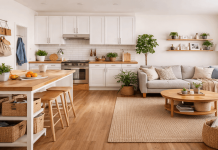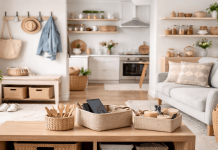
In busy homes, clutter creeps faster than routines can catch it. Stress drops and time returns when daily items live in clear, reachable places.
Simple Home Organization Tips matter because small, repeatable actions stabilize every room and keep surfaces open for living. Start small, work room by room, and build habits that protect your effort.
Progress accelerates when each project uses the same straightforward workflow. One area, one pass, one set of containers, then a short maintenance loop. Momentum beats perfection every single time.
A Proven Organizing Workflow
Short projects succeed when the scope stays tight, and the steps stay consistent. Pick a drawer, a shelf, or a single cabinet and block thirty to sixty minutes. Keep a donation box and a trash bag nearby so decisions stick. Return to the same workflow whenever a new space needs order.
Step 1: Empty The Space Completely
Everything comes out, so the real volume becomes visible. A clean slate exposes duplicates, broken items, and misplaced categories. Large rooms can be split into zones, such as refrigerator, pantry, and base cabinets in a kitchen, or clothing, nightstands, and surfaces in a bedroom.
Step 2: Declutter Aggressively
Items that are broken, stained, expired, or unused get removed first. A clear rule helps: if an item has not been used in a reasonable season, let it go or relocate it to a more appropriate area. A simple home decluttering checklist kept on the counter keeps decisions consistent and fast.
Step 3: Group Like Items
Place items into logical categories, such as baking supplies, canned goods, spices, first aid, or stationery. Categories reveal duplicates and missing basics, plus they guide the size and number of bins needed later.
Step 4: Contain Each Category
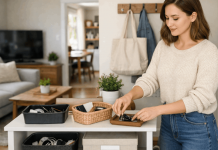
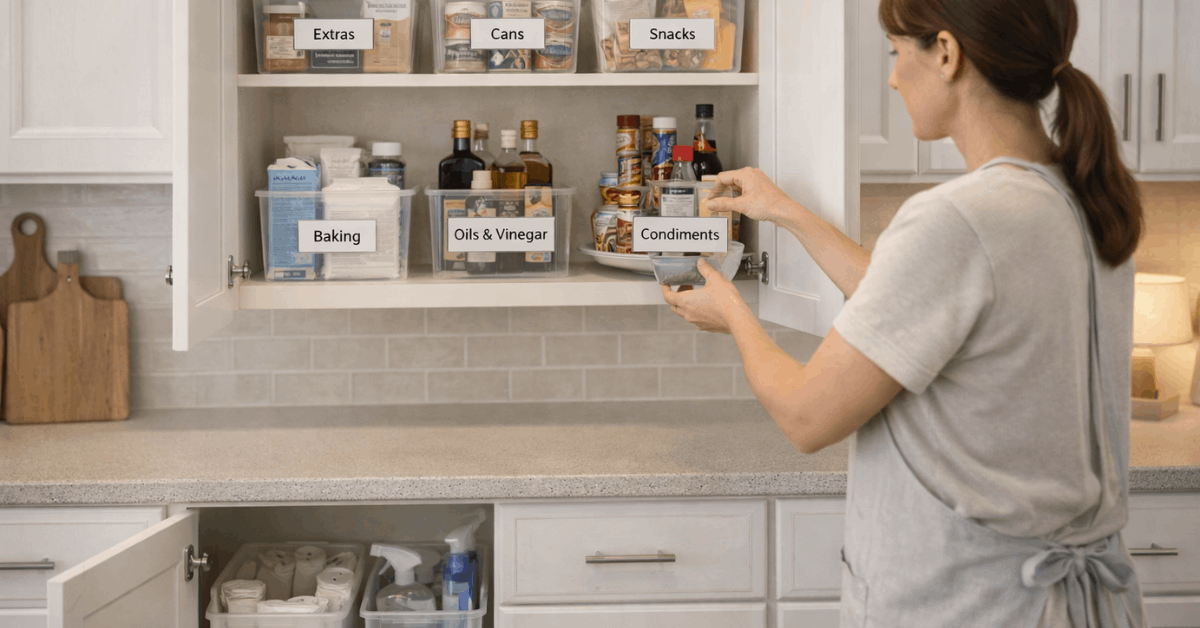
Use containers to corral groups so they stay put in daily use. Shoe boxes, clear bins, drawer inserts, or pantry turntables all work. Containers inside larger containers help prevent drift, especially for craft supplies and small hardware. Label maker ideas help families return items to the correct bin without asking.
Step 5: Label Clearly
Labels speed retrieval and reduce guesswork. Printed tags, label-maker strips, chalk tags, or vinyl decals all qualify. Contents lists taped to interior lids help for deep storage, seasonal decor, and multi-item craft bins.
Step 6: Refill For Access
Frequently used items should sit at eye level or the front of drawers. Infrequent items move high or low. Keep heavy pieces safe and reachable, and park refill stock behind or beneath current inventory.
Step 7: Build A Return Habit
Order holds when items go back to their homes immediately after use. Short reminders on cabinet doors or mirrors reinforce the habit for the first few weeks. A thirty-second reset at meal breaks and bedtime keeps surfaces clear.
Step 8: Tweak Systems That Fail
Pretty solutions that block access get replaced. Stacked lidded boxes under a sink look neat, yet they slow down retrieval. Shallow drawers or pull-out caddies restore speed and end daily friction. Systems that match real behavior stay alive.
Room-By-Room Ideas That Save Time
Ideas below translate the workflow into practical, repeatable actions. Start where friction feels highest, such as the kitchen or entry. Keep categories tight, use containers that fit the space, and lean on labels that make sense to everyone using the area.
Kitchen
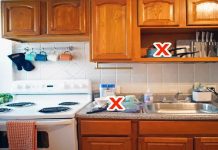
Fast access prevents countertop piles. Mount adhesive hooks or purpose-built hangers inside a sink cabinet for three everyday spray bottles. Rolling caddies transform the dark back of the under-sink space into visible, reachable storage.
Tiered risers make canned goods visible, and a turntable keeps oils and condiments in rotation. Place garbage bags beside the trash can, not across the room. Practical kitchen storage ideas create shorter motions and fewer excuses.
Pantry
Vertical space above high shelves can be captured with tension rods that store paper towels upright. Clear bins divide snacks, baking items, and breakfast supplies.
Categories printed on shelf-edge labels help everyone return items correctly. Simple pantry organization tips include a first-in, first-out rule for duplicates and a small basket for open packages that need finishing first.
Living Room
Flat surfaces become clutter magnets without boundaries. A large tray on the coffee table contains remotes, coasters, and a small box for cords.
Closed media boxes hide game controllers and charging bricks. Magazine files corral manuals and thin books on a single shelf. These small moves turn living room organization into a quick daily reset instead of a weekend project.
Bedroom
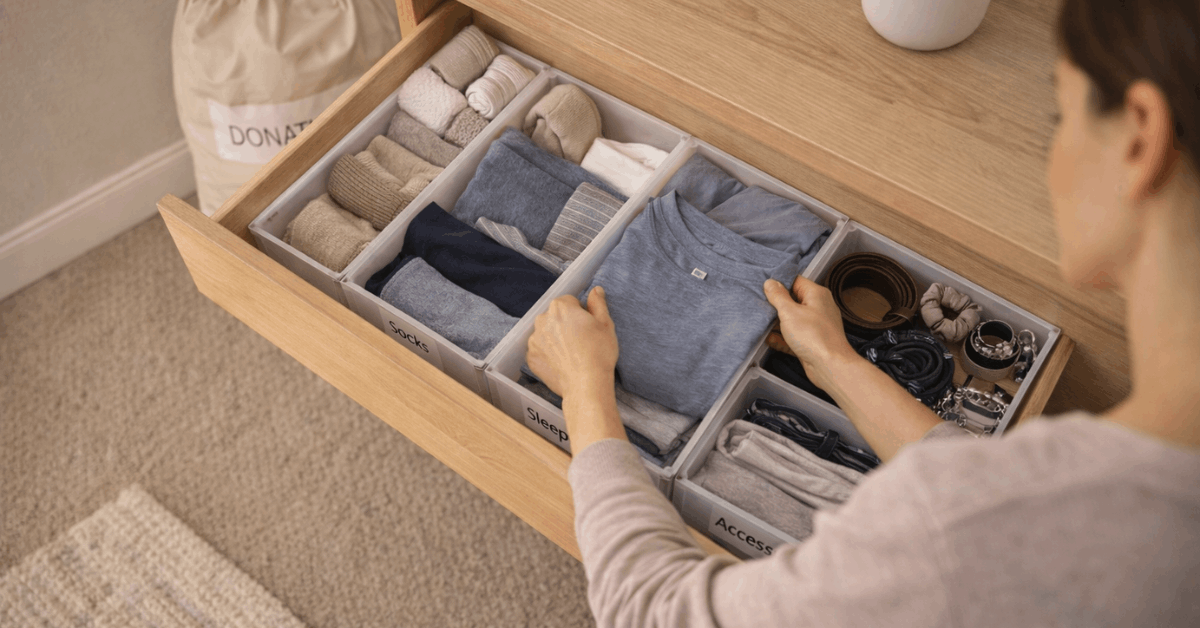
Drawers benefit from adjustable dividers that separate socks, sleepwear, and accessories. Off-season clothing moves to under-bed rolling bins to free up rod space.
Keep a small donation bag on the closet floor and move one item into it each week that no longer fits or matches current use. Efficient bedroom closet organization reduces morning decision time and keeps surfaces visible.
Bathroom
Daily routines speed up when duplicates disappear, and backups live together. Use a shallow turntable under the sink for skincare and a clear bin for hair tools.
Over-the-door racks and slim behind-the-door cabinets capture vertical inches. Simple bathroom storage solutions keep counters clear and make wipe-downs fast.
Photos and Memorabilia
Bulky albums can be scanned, then stored in archival cases labeled by year or theme. Keep one small box for original irreplaceable prints. Digital backups preserve memories, and the shelf space returns to active household needs.
Tools and Storage That Stretch Space
Match container size to category size, choose clear when visibility matters, and use labels that a tired teenager can read at a glance. Durable pieces outlast spontaneous purchases and support the same system across rooms.
- Clear Bins In Two Sizes: Large for categories, small for subcategories such as snack bars or travel bottles.
- Drawer Dividers: Tall versions for deep drawers, low versions for utensils and gadget pockets.
- Tiered Risers And Turntables: Risers expose labels on cans, turntables prevent bottle piles.
- Over-Door And Behind-Door Racks: Hidden capacity for bathrooms, pantries, and utility rooms.
- Rolling Caddies And Pull-Outs: Under-sink and base cabinets become fully accessible in seconds.
Maintenance Habits That Keep Order
Light, frequent maintenance protects every hour invested in setup. Micro-resets beat marathon cleanups and teach the household the new map of where things live. Tie habits to anchors that already happen daily, such as meals and bedtime.
Daily Reset
Ten minutes after dinner closes the kitchen:
- dishes in,
- counters wiped,
- hot spots cleared, and
- trash checked.
Living areas get a tray check, pillows set, and stray cords returned to the tech box.
Weekly Sweep
Fifteen minutes per high-use room clears donations, recycles empties, and returns wanderers. A quick vacuum after the sweep locks in visual calm.
Monthly Review
A short shelf-by-shelf pass removes expired pantry items, duplicate toiletries, and outgrown clothing. Storage that feels tight signals a category to thin.
Visual Cues
Small sticky notes on interior doors for the first two weeks prompt returns. Shelf-edge labels, lid labels, and bin fronts do the rest.
Troubleshooting: When A System Fails
Frustration usually points to one of three issues: access, category, or capacity. Access means items sit too high, too low, or behind obstacles, which calls for pull-outs or a location change.
The category means the group is too broad, so subdivide it, such as separating baking items into flours, sugars, and leaveners. Capacity means the container is too small for the actual volume, which requires a larger bin or a declutter pass.
Households evolve, so solutions must adapt. A growing hobby may need a dedicated cart near the workspace rather than a hallway closet. A child’s school routine may need a labeled basket by the door that holds a water bottle, ID, and small supplies. Systems that fit current life feel easy to use and therefore survive.
Quick Start Checklist
Clear next steps, remove decision fatigue, and get the first win on the board. Set a timer, choose a space, and keep only what serves the household today. Repeat the same moves next week in the next zone.
- Choose one drawer, shelf, or single cabinet and set a thirty-minute timer.
- Empty, declutter, and group like items into three to five clear categories.
- Place categories into containers, then label fronts or lids for instant recognition.
- Refill the space for access, keeping daily items at eye level or the front.
- Schedule a ten-minute daily reset and a fifteen-minute weekly sweep in the calendar.
Last Thoughts
Small, repeatable steps turn cluttered rooms into predictable, easy spaces. Start where daily friction is highest, work one zone at a time, and let labels and containers carry the routine. When a system resists daily life, change the container or the location until the setup feels natural.