Busy households lose time fast when clutter builds up, and everyday items go missing. A simple system can help you organize your home step by step without making the process feel overwhelming.
By breaking tasks into smaller actions and keeping rules consistent, you can reduce stress and make each room easier to manage. A clear plan also helps you stay focused, save time, and keep your home working better day after day.
In this article, you'll learn more about the importance of having an organized home, what skills you need to achieve home organization, and the steps on how to organize your home properly.
The Importance of Having an Organized Home
An organized home helps you save time, reduce stress, and manage daily tasks with more control. When every item has a clear place, you spend less energy searching, cleaning, or deciding where things belong. A tidy space also supports better focus because your attention is not constantly pulled by clutter.

For families, organization makes routines easier, from preparing meals to getting ready in the morning. It also helps prevent unnecessary purchases because you can see what you already own. More than appearance, an organized home creates a calmer, more practical environment that supports comfort, productivity, and better everyday decisions.
Organizing Your Home Means Organizing Your Family Life
Organizing your home is important because it directly affects how you manage your time, energy, and daily responsibilities. When your space is cluttered, simple tasks take longer because you have to search for items, move things around, or clean before you can start.
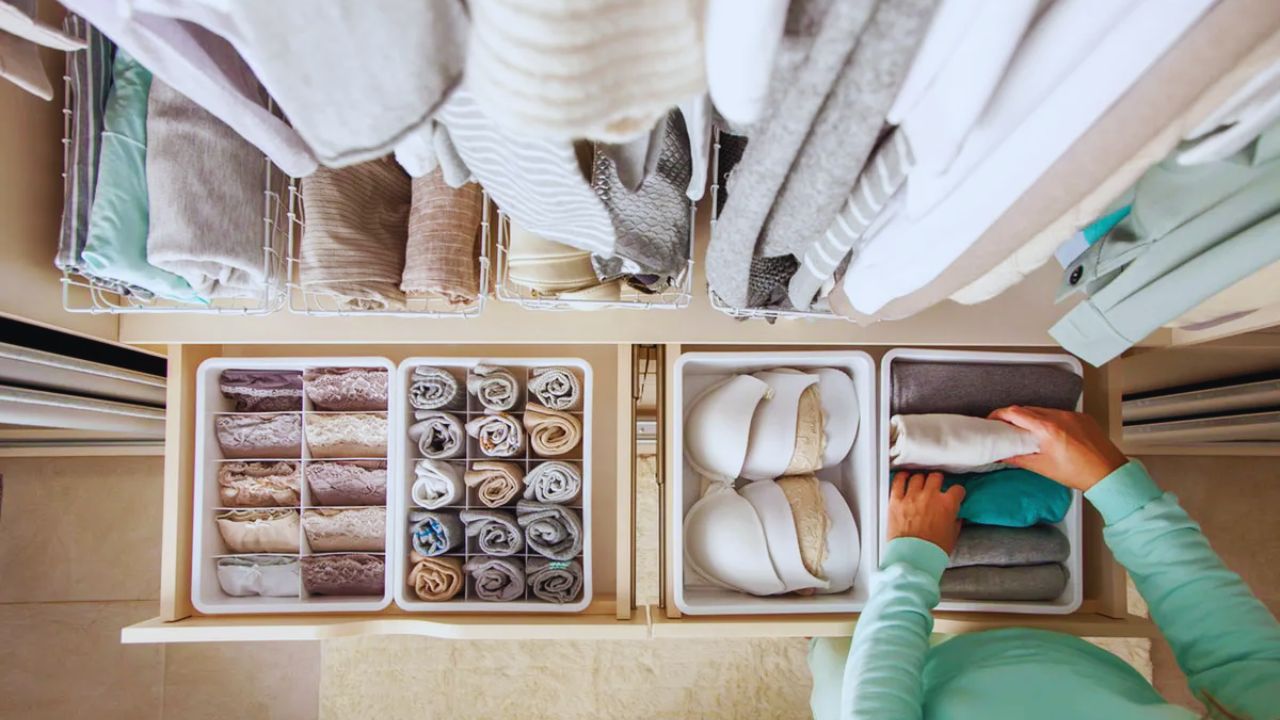
A more organized home helps you find what you need quickly and makes routines easier to follow, especially during busy mornings, meal preparation, work hours, or family activities.
It also reduces stress because visual clutter can make a space feel heavier, more distracting, and harder to manage. When each item has a proper place, your home becomes easier to maintain, and cleaning takes less effort.
Organization also helps you make better decisions because you can clearly see what you own, what you use, and what you no longer need. This can prevent duplicate purchases, wasted storage space, and unnecessary spending. A well-organized home can also improve safety by keeping walkways clear, reducing piles, and making important items easier to access during emergencies.
Creating Structure for Your Family
For families, it creates structure and helps everyone understand where things belong, making shared spaces more functional. It can also support productivity because a clean environment makes it easier to focus on work, study, planning, or household tasks.
Organizing your home does not mean making it perfect; it means creating a practical system that supports your lifestyle. Small changes, such as clearing counters, sorting storage areas, labeling containers, and removing unused items, can make a noticeable difference.
Over time, these habits make your home feel calmer, cleaner, and easier to control. An organized home gives you more space, more clarity, and more confidence in your daily routine.
Habits and Routines to Help You Develop Your Home Organization Skills
To organize your home effectively, you need to develop consistency, decision-making, and simple maintenance habits. Start by building the habit of returning items to their assigned places immediately after use. Practice sorting items by purpose, frequency of use, and location so each space supports a clear function.
The key skills are discipline, prioritization, categorization, and maintenance. With these habits, home organization becomes a repeatable system instead of a one-time cleanup.
Every Decision Matters
Improve your decision-making by asking whether each item is useful, necessary, or worth the space it occupies. Learn to declutter regularly instead of waiting until clutter becomes overwhelming. Set clear limits for storage areas, drawers, closets, and shelves so you avoid keeping more than each space can handle.
Determine Which Items are Similar
Develop the skill of grouping similar items, such as cleaning supplies, documents, tools, clothes, and kitchen items. Use labels when needed to make systems easier to follow for everyone in the household. Build a routine for daily resets, such as clearing counters, putting away shoes, handling mail, and washing dishes.
Sharpen Your Planning
Strengthen your planning skills by choosing specific times for deeper tasks, including closet reviews, pantry checks, and storage updates. Learn to finish one area before starting another so the process stays controlled. Practice buying with intention by checking what you already own before purchasing more.
Keep frequently used items easy to reach and store rarely used items in less active spaces. Train yourself to notice clutter early and correct it before it spreads.
Also Read: Simple Home Organization Tips That Work
Start Your Home Organization Today
Once you have developed the skills in home organization, you can slowly build your way into organizing your entire home. You can start with one section of the house first before you move into the next. Careful consideration of the layout and reviewing your plans is key to ensuring that you get the best results. Here is how you can start your home organization today.
Empty the Entire Section Completely
Take everything out of the entire planned section of your home. This includes all the appliances, furniture, and any other material or equipment. This may mean that you may have to remove certain heavy appliances, so ask for help. If not, declutter as much as possible so you can have an empty canvas.
Discard Unnecessary Items and Select Proper Containers
Since you’ve already developed the skill to group similar items together, take the time to review them alongside the current space you’re working with. This will give you an idea of where to store them and which items need to be discarded immediately.
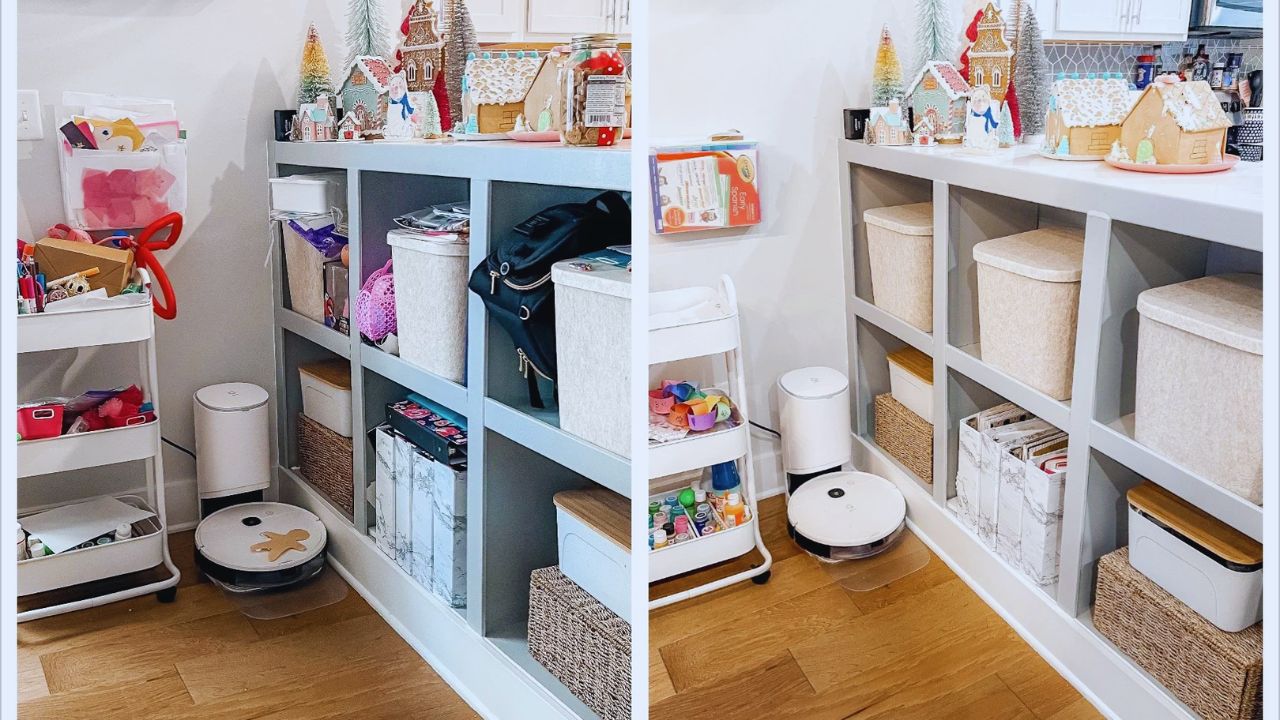
Discarding items can also leave more space for future items to be organized together with the ones that you currently own. Choose containers that will store all of the grouped items and make sure that they fit the shelves and protect these items. Don't forget to label the containers as well.
Step Back and Review
Once you have rearranged and organized everything in this specific section, make sure to step back and see if everything is in place. There might be some items that stand out that don't belong in this section or do not fit the aesthetics that you're looking for. You can take them out or use any extra storage to keep them there. Adjust how you organize your home as needed without any guilt.
Conclusion
The steps involving home organization can be applied to almost every section of your home. Whether it is the kitchen, bedroom, and closet, or even your entry and living areas. Through proper home organization and learning how to organize your home, you make sure that your home is clean, well-maintained, and pleasing to the eye, not just for you but for the rest of your family.