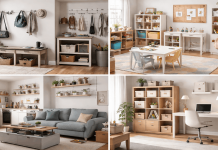
Small apartments are common, and clutter appears fast. To organize small living spaces, you need simple systems for weekdays. Organization is about placement and follow through, not perfection.
This guide offers five methods for compact rooms and shared layouts. None of them require remodeling or a big budget.
You will use height, storage furniture, and portable stations. You will set limits that stop categories from expanding. Follow along to keep surfaces clear and routines smoother.
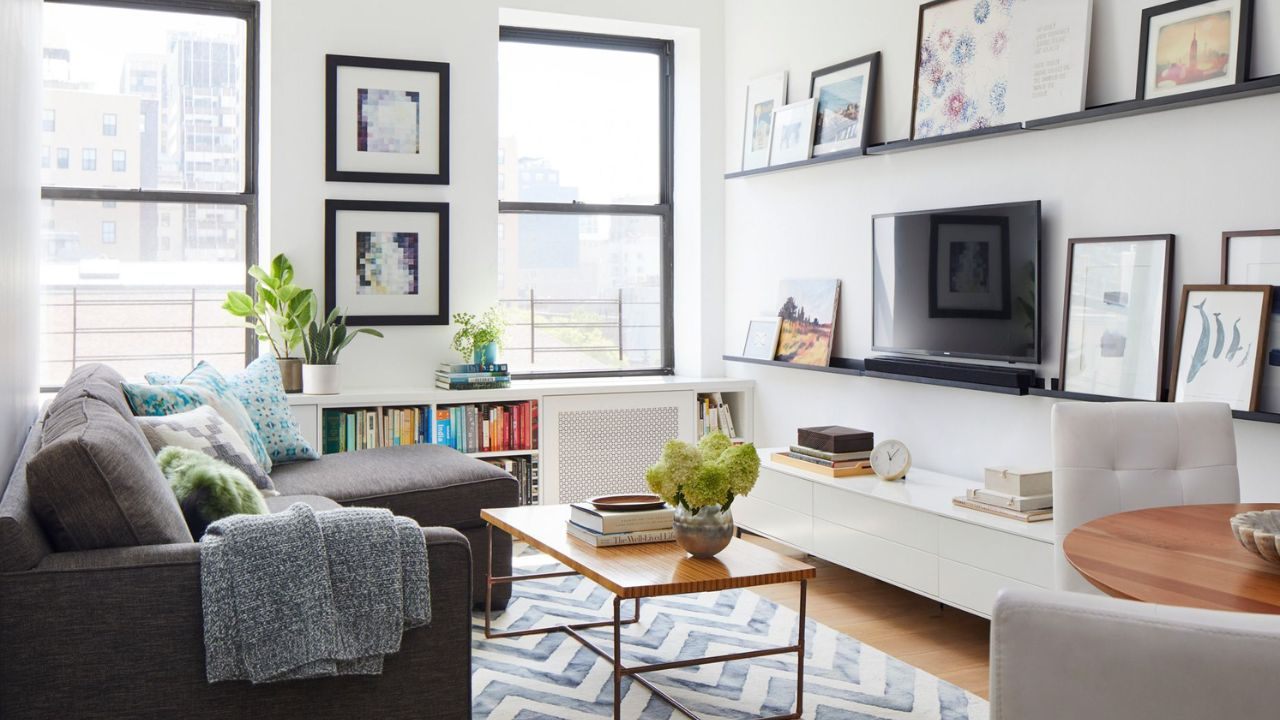
Build Vertical Zones That Free Up Floors
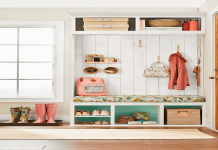
Vertical storage adds space without moving walls. Check areas above eye level, behind doors, and on blank walls.
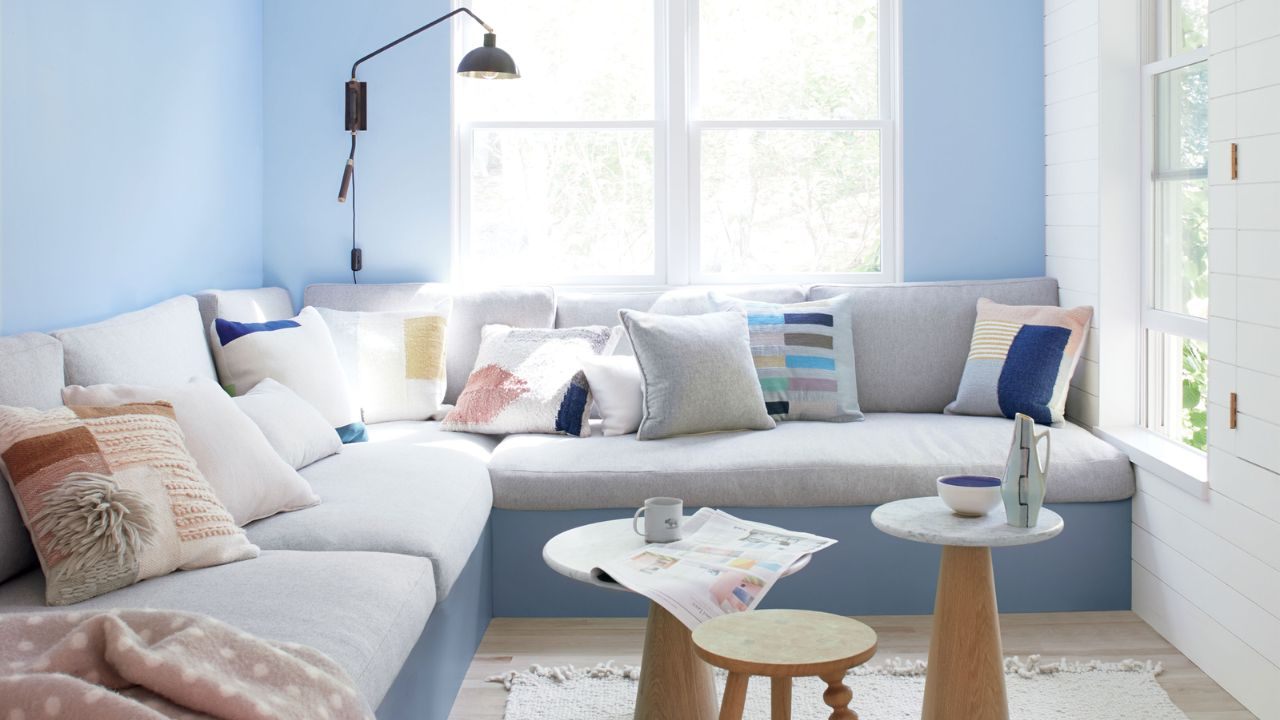
Identify what hits the floor most, like bags, shoes, or cleaning tools. Assign each group a vertical home you can reach and return easily.
This creates clear pathways and cleaner sight lines in tight rooms. With height used well, daily resets take minutes instead of hours for most people.
Use Wall Rails And Hooks For Daily Tools
Install a hook strip near the door or a laundry corner. Limit it to daily items like a tote, leash, or dustpan. Space hooks so items do not overlap or hide each other. Add one small cup or basket for loose pieces like keys.
Review it weekly and remove anything that stays unused. This keeps fast grab and fast return realistic in small homes for everyone.
Add Over The Door Storage Without Blocking Access
Over the door organizers add storage without using floor space. Choose slim pockets for light items, like chargers, hair tools, or snack packets. Make sure the door closes and does not rub the frame.
Assign pockets by category so you can spot duplicates quickly. Keep heavier items low so the organizer hangs straight. Door storage adds hidden capacity in plain sight for bathrooms, closets, and pantries.
Stack Inside Cabinets With Risers And Shelf Inserts
Shelf risers create a second level inside cabinets and closets. Measure first so items slide in easily and you can see labels. Use risers for dishes, mugs, or folded clothes that pile up.
Keep each level to one item type so you do not reshuffle daily. Put heavier items on the lower level for safety. You get two usable zones with less searching and fewer counter piles.
Turn Furniture Into Storage Tools
In tight layouts, furniture should solve more than one problem. A chair that stores nothing still takes the same floor area.
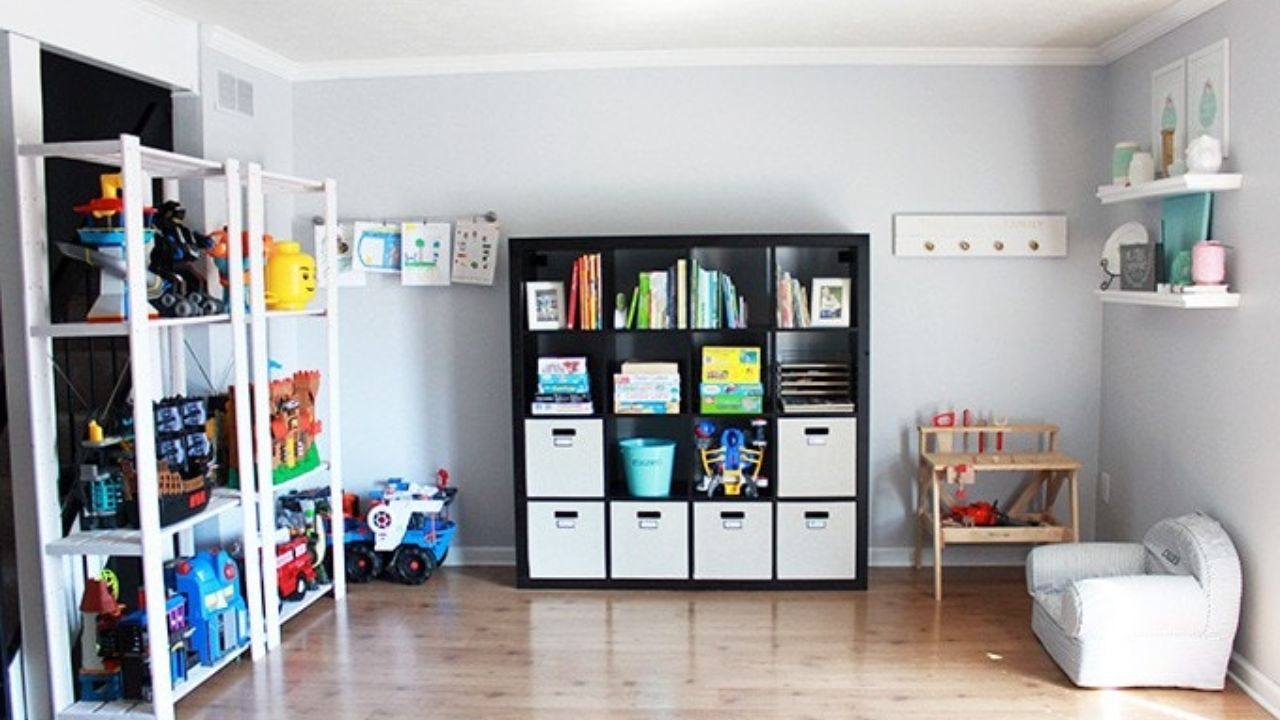
List what piles up most, like blankets, mail, or hobby supplies. Match those categories to furniture that hides them neatly.
Aim for storage that disappears when you are done. When furniture works harder, your room stays open and simpler to clean, even on busy weeks.
Choose Hidden Compartment Furniture For Soft Categories
Storage ottomans and lift top tables work well in small living rooms. Use them for soft items like throws, pillow covers, or workout bands. Keep contents in one pouch so you can remove them quickly.
Do not overstuff, because hard lids discourage daily use. For papers, use a flat folder to prevent bending. This creates easy access and easy put away without leaving piles on the sofa.
Use Slim Rolling Carts As Mobile Drawers
Use a slim rolling cart instead of a cabinet. Set the top shelf for one routine, like coffee or pet care. Keep backups on the middle shelf, and heavier items on the bottom.
Roll it to where you work, then park it back in a corner. Add short labels so it does not become a catch all. This gives mobile storage that adapts as your day changes.
Rely On Nesting And Foldable Pieces For Flexible Layouts
Nesting and foldable items free space when you are not using them. Pick stackable stools, nesting side tables, or folding chairs for guests.
Store the smallest piece inside the largest so the set acts as one. Assign one closet or wall hook spot so you do not shuffle pieces. Choose lightweight items you can move with one hand. This keeps flexible seating and clear walkways.
Build Micro Stations For Daily Routines
Small homes feel messy when items travel with no assigned stop. Micro stations solve this by giving each routine a compact setup.
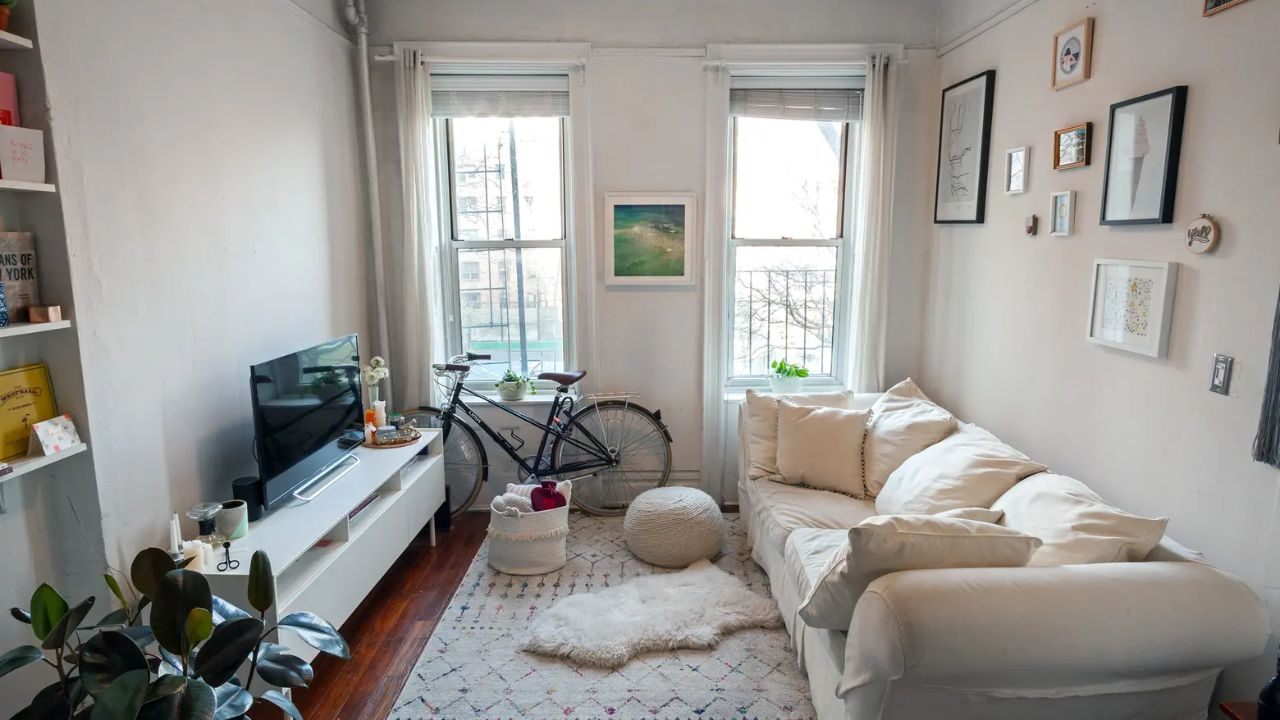
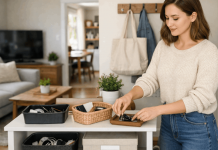
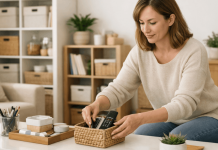
Pick daily routines like charging devices, doing laundry, or packing a bag. Use a tray, caddy, or pouch to keep the station contained.
This makes putting things away feel automatic. When stations stay consistent, you search less and reset faster at the end of the day.
Create One Charging Hub For All Devices
Create one charging station at home so cables do not sprawl. Use a small box to hide a power strip and extra cords.
Label cords with tape so you know which device they fit. Keep only chargers used weekly, and store backups in a labeled bag. Place the station near where you sit, away from drinks. This builds tidy tech and fewer lost adapters overall.
Keep A Portable Laundry Kit Ready
Use one laundry kit to stop clothing from spreading across chairs. Keep a small hamper where you change most often. Add a pouch with stain remover and a lint roller for quick fixes.
Store detergent and dryer sheets in one bin for one trip. Place the kit near the washer, or near the door if shared. One kit means fewer piles and faster laundry cycles.
Set Up A Grab And Go Pouch For Outings
Create a grab and go pouch for out of home essentials. Include tissues, a small charger, and daily items like lip balm or transit cards.
Store the pouch on one shelf near the door. Refill it weekly so you do not open drawers right before leaving. Give each person their own pouch to prevent mix ups. This supports smooth exits with fewer searches on busy mornings.
Use A Container Limit Strategy That Prevents Overflow
When space is limited, categories expand quietly and crowd everything else. A container limit strategy stops that by setting a boundary you can see.
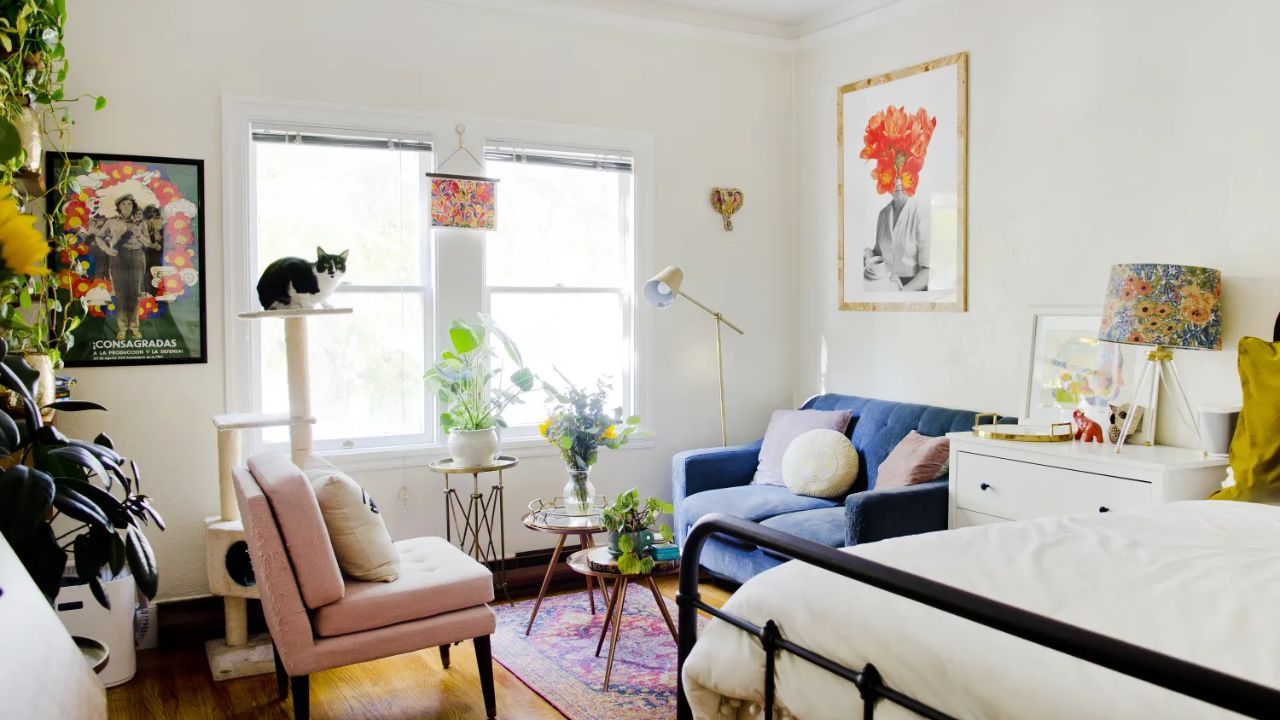
Instead of asking what to buy, ask what space you can afford. Choose a shelf, drawer, or tote size and commit to it. This keeps new purchases from becoming overflow. With limits, maintenance takes quick checkups, not long cleanups in small rooms.
Assign A Footprint Cap For Each Category
Assign each category a footprint, not an endless container collection. For snacks, use one basket, and for toiletries, use one drawer section. When the footprint fills up, remove the least used items before adding more.
This protects your limited storage space and keeps choices simple. Keep the footprint where you use the items most often. A visible cap creates built in discipline without constant willpower.
Standardize Container Sizes For Smooth Storage
Standard container sizes make closets and cabinets easier to manage. Pick two sizes, like a shallow bin and a medium tote. Uniform bins stack and slide well, and they reduce wasted gaps.
They make moving a category easier when you adjust your layout. Label the front so you know what belongs inside at a glance. Standard sizes support clean shelves and quick rearranges over time.
Rotate Seasonal Items So Only What You Need Is Out
Rotation storage keeps small homes from feeling packed all year. Use one tote for seasonal clothing and one tote for occasional items. Store them high in a closet or under a bed with clear labels.
When seasons change, swap only what you will use soon. Keep the total number of totes fixed so you do not expand. Rotation gives space that matches your current life.
Create A Clean Line Layout That Reduces Visual Clutter
In a small room, visual clutter can feel heavier than physical clutter. A clean line layout reduces that stress by making storage look intentional.
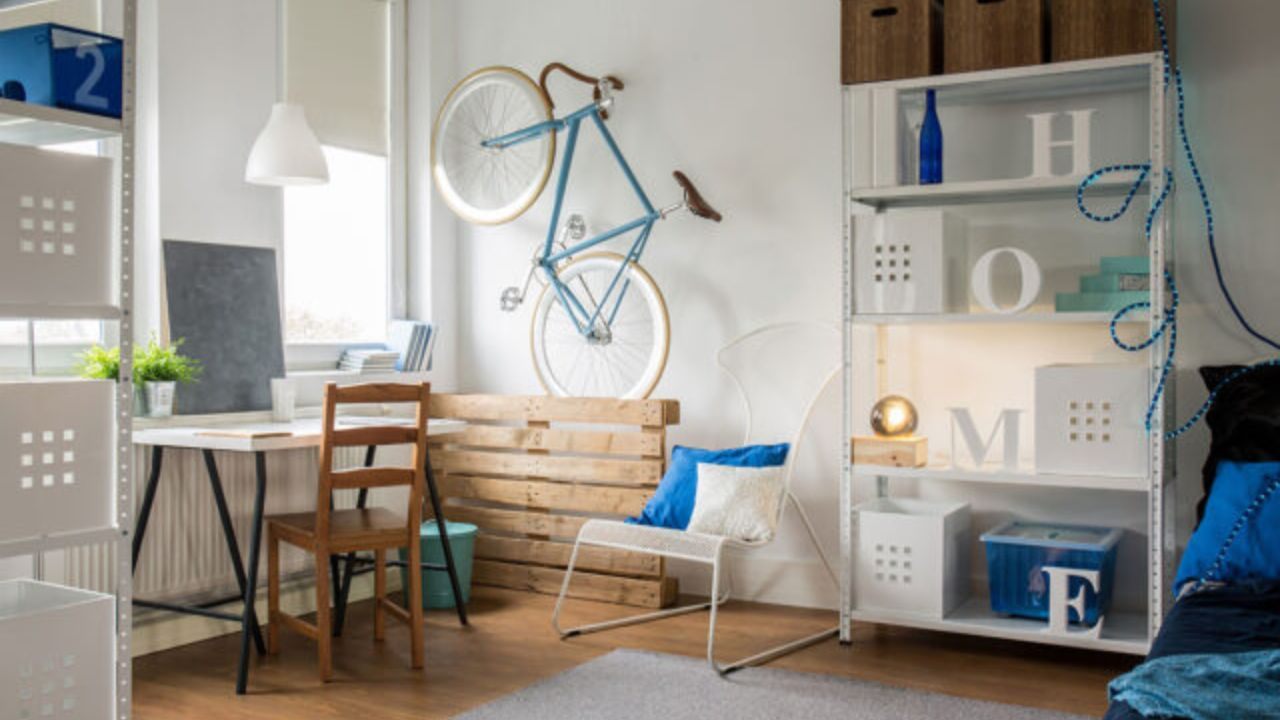
Start by simplifying what stays in view, especially on open shelves and counters. Use consistent container shapes and keep labels easy to read.
This creates a calmer look that supports better habits. When your eyes relax, it becomes easier to maintain the system daily.
Use Matching Containers And Simple Labels On Open Storage
Choose a small set of matching containers for open shelves. Matching shapes reduce the busy look of mixed packaging. Keep labels short and place them in the same spot. Use broad groups, like cables, grooming, or tools, so sorting stays simple.
If labels are not possible, group by purpose and keep the front row consistent. This creates storage that looks calm and stays usable for daily use.
Keep Surfaces Mostly Clear With An Open Space Target
Set an open space target so surfaces do not become storage. Aim to keep about two thirds of a counter or table clear.
Choose one item that can stay out, like a tray or lamp. Everything else returns to a drawer, shelf, or bin after use. If the surface fills, do a quick reset before your next task. This protects clear surfaces that make rooms feel bigger.
Conclusion
Small homes do not need perfect minimalism to feel organized. They need repeatable habits and choices that respect limited space. Use vertical zones, storage furniture, and micro stations tied to routines.
Set limits and rotate seasonal items so categories stay contained. Use clean line storage so rooms look calm, not crowded. With consistent steps you can maintain, you can organize small living spaces for the long term.