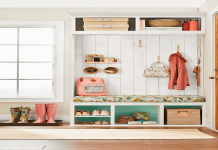
Sharing a home means sharing space, routines, and responsibility. When storage is unclear, small messes turn into daily friction.
A practical setup makes it easier to clean, find items, and respect each person’s habits.
This guide focuses on simple systems you can keep using without extra effort.
Start With Shared Rules That Are Easy to Follow
Define what “clean enough” means for the kitchen, bathroom, and living room. Agree on where shared items live, so no one has to guess.
Keep rules short and visible, so they are remembered during busy days. Choose habits that work on normal weeks, not just on the weekend.
Set Three Clear Zones in Every Room
Pick a shared zone for items everyone uses and touches. Create a personal zone for each person’s daily essentials.
Add a temporary zone for things that need decisions later.
Use One Common Standard for “Put Away”
Decide what “put away” means for dishes, clothes, and small items. Make the same rule for everyone to avoid constant debates.
Link the standard to one action, like “empty surface equals done.”
Write Down Responsibilities Without Overplanning
List the few tasks that must happen daily, weekly, and monthly. Assign ownership so the job is clear even if someone forgets.
Keep it flexible so people can swap tasks without drama.

Build Storage Around Daily Habits, Not Ideal Photos
Watch what gets left out most often because that shows your real routine. Store frequently used items at arm level, not on top shelves.
Reduce steps between use and storage, so putting things back feels natural. Make the easiest option the clean option, especially in shared areas.
Use “Point-of-Use” Storage for High-Traffic Items
Place hooks, trays, and small baskets where items actually land. Keep keys, chargers, and bags in one drop zone near the entrance.
Use a small bin for “returns” so items can go back later in one trip.
Separate Everyday Items From Backup Supplies
Keep one open container of daily items where everyone can reach it. Store extras in a higher or deeper spot to avoid overcrowding.
Label backup areas by category so restocking is quick and predictable.
Choose Containers That Match the Space and the People
Use clear bins when people forget what is inside. Use closed boxes when visual clutter causes stress.
Pick containers that fit the shelf height so space is not wasted.
Create a Simple System for Shared Surfaces
Shared surfaces attract clutter because they feel like neutral territory. If you leave surfaces undefined, they become storage by default.
Give every surface a purpose, even if it is a small one. Use tiny boundaries to keep items from spreading.
Limit Countertop Items to a Short Approved List
Choose only a few items that are allowed to stay out. Store everything else so cleaning takes seconds, not minutes.
Keep the approved list consistent so no one feels singled out.
Add “Landing Pads” to Control Piles
Use a tray for mail, receipts, and small paper clutter. Use a bowl or bin for loose items that appear during the day.
Empty the landing pad on a fixed schedule so it never overflows.
Set a Daily Reset for the Most Visible Area
Pick one place that must look decent before bed. Keep the reset short, like five minutes, to avoid resistance. Make the reset the shared signal that the day is done.
Make Shared Items Easy to Track and Replace
When supplies run out, frustration often follows. A shared system prevents last-minute runs and blame.
Tracking does not need apps or complex lists. You just need a simple way to notice and restock.
Choose a shared note, a whiteboard, or a checklist on the fridge. Make the rule “if you finish it, you mark it,” with no exceptions.
Decide on a reasonable limit for paper goods and pantry basics. Store only what fits in the assigned area to prevent overflow.
Set a Routine That Prevents Conflict Before It Starts
Most conflict comes from surprises and repeated small disappointments. A routine reduces surprises by making tasks predictable.
You do not need strict schedules to stay consistent. You need a few fixed moments that support shared life.
Use Short Daily Tasks and Longer Weekly Tasks
Do quick tasks daily, like wiping counters and resetting the living room. Do deeper tasks weekly, like vacuuming and bathroom cleaning.
Keep each task small enough that it can happen even on tired days.
Rotate Chores in a Fair and Visible Way
Use a simple chart so no one has to remind anyone. Rotate tasks monthly so the same person is not stuck with the worst job.
Keep the rotation realistic so it does not collapse after two weeks.
Add a Monthly “Fix and Donate” Session
Choose one day to repair, replace, or donate problem items. Use this time to deal with the overflow bin and the temporary zone.
Treat it as maintenance, not punishment, so it stays calm and useful.
Handle Personal Belongings Without Creating a Mess
People need personal space even inside shared rooms. If personal items have no home, they spread across shared zones.
Give each person a clear boundary that is respected. Use storage that supports privacy without creating clutter.
Assign Personal Storage by Category, Not by Random Space
Give each person a shelf, drawer, or bin for daily personal items. Keep categories consistent, like skincare, tech, or hobby supplies.
Avoid mixing categories because it makes cleanup slower and more confusing.
Use a “Contained Clutter” Rule for Personal Projects
Let personal projects exist, but keep them inside one container. Use a box, tote, or basket that can be moved quickly.
This keeps shared spaces usable without forcing people to quit their hobbies.
Set Limits for Items in Shared Rooms
Agree on how many personal items can stay in the living room. Keep the rule simple, like one blanket, one book, and one device.
If items exceed the limit, they return to personal storage the same day.
Keep It Working With Small Adjustments Over Time
No system stays perfect because life changes. The goal is not perfection but steady improvement.
When something fails, adjust the storage or rule, not the relationship. Review what works every few weeks and keep only what you actually use.
Watch for the Same Mess Returning Repeatedly
If the same pile returns, it usually means storage is too hard. Move the storage closer or make the container easier to access.
Fix the system first before asking people to try harder.

Update Zones When Seasons or Schedules Change
Cold weather gear needs a different space than summer items. School or work changes may shift how you use rooms.
Adjust zones to match the current season of life.
Celebrate Consistency With Simple Wins
Notice when the home feels easier to live in for everyone. Keep the best habits and drop the ones that cause stress.
If you want results that last, keep your system simple and repeatable.
Conclusion
Shared spaces stay organized when everyone follows the same simple rules and uses the same clear storage homes.
If a system feels hard to maintain, adjust the setup so the clean option is the easiest option.
Keep your routines light, review what is not working once a month, and protect shared surfaces with quick daily resets.