Making items last longer is mostly about small habits done on repeat. When you care for things on purpose, you save money, time, and stress.
Clean Smart With the Two-Minute Rule
Cleaning is maintenance, because dirt and moisture act like slow damage. Two minutes a day beats one exhausting deep clean that never happens.
Clean the parts that touch hands, food, sweat, or floors most often. Always finish by drying, because trapped moisture ruins more than dirt does.
Dust and Wipe Before You Scrub
Dry dusting first stops grit from acting like sandpaper on surfaces. Use a microfiber cloth to lift dust instead of pushing it around.
Once the grit is gone, a gentle wipe removes oils without scratching.
Match the Tool to the Material
The wrong tool can damage faster than skipping cleaning altogether. Soft cloths work for screens, wood, and glossy finishes without streaks.
Stiff brushes are best for grout, shoe treads, and textured plastic.
Dry Completely Every Time
Moisture causes swelling, rust, peeling, and bad smells over time. Air-dry items fully before storing, especially in closed drawers or bins.
If something feels even slightly damp, give it extra time or airflow.
Store Items the Way They Want to Be Stored
Storage is not just tidiness, because it controls heat, pressure, and dust. Store by shape and material, so items do not bend, warp, or snag.
Use clear, breathable storage where possible, and avoid overstuffed piles. Aim for “easy in, easy out,” because squeezing items causes damage.
Clothing and Linens
Hang what wrinkles easily, and fold what stretches under its own weight.
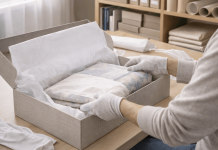
Use breathable bins for seasonal fabrics to prevent musty smells and mildew.
Keep moth protection simple by storing clean, dry items in sealed containers.
Kitchen Tools and Appliances
Store blades covered, because loose blades dull quickly and chip easily.
Keep appliances away from steam and splatter to protect seals and buttons.
Coil cords loosely, because tight bends break wires and crack insulation.
Paper, Books, and Photos
Keep paper away from sunlight, humidity, and heat sources like vents. Store books upright with support, because leaning bends spines over time.
Use acid-free sleeves for photos when possible, and avoid sticky albums.
Protect High-Wear Areas Before They Fail
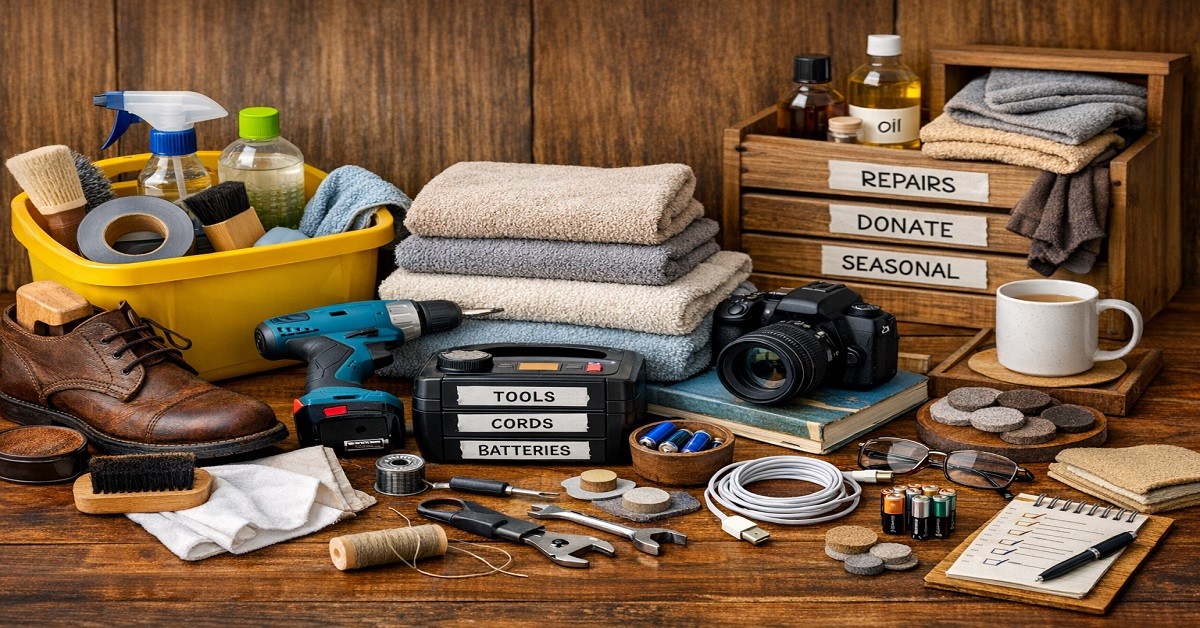
Most items break at predictable points, like hinges, corners, and handles. Protecting those areas early costs little and prevents big replacements later.
Think in layers, like covers, pads, and guards that take the abuse.
Your goal is to reduce friction, impact, and exposure to heat and water.
Shoes and Bags
Rotate shoes to let them dry, because daily wear traps moisture inside. Use a small brush to remove grit, because grit breaks stitching and edges.
Condition leather lightly and store bags stuffed, so they keep their shape.
Electronics and Chargers
Keep chargers off the floor, because pulling and stepping ruins connectors. Use cable clips or a small tray so cords do not kink or twist.
Wipe screens gently and keep liquids far away, because seepage can cause sudden damage.
Furniture and Floors
Add felt pads under furniture to prevent sliding, which grinds finishes away. Use coasters and mats, because water rings and heat marks are hard to reverse.
Vacuum often, because tiny particles scratch floors with every step.
Repair Early With Small Fixes
Most “broken” items start with a tiny problem that grows quietly. Fixing early takes minutes, while waiting turns it into a full replacement.
Keep basic supplies ready so you can act while the problem is small.
Treat repairs as part of the organization, because broken items create clutter piles.
Tighten, Oil, and Adjust
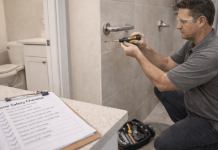
Loose screws cause wobble, and wobble causes cracks and stripped holes. Tighten fasteners monthly on chairs, drawer pulls, and frequently used tools.
Oil squeaky hinges lightly, because friction wears metal and misaligns doors.
Patch, Mend, and Re-Glue
Small tears spread when you pull and wash, so mend them quickly. Use fabric tape or simple stitches for seams before they become rips.
Re-glue the lifting edges early, because once dirt gets in, bonding gets worse.
Replace Filters, Pads, and Batteries
Filters protect motors, so clogged filters shorten appliance life. Replace pads and heads on tools, because worn parts force you to press harder.
Change batteries before they leak, because leaks can permanently destroy compartments.
Build Weekly and Seasonal Routines That Stick
Long-lasting items come from routines that happen even when life is busy. Pick a schedule you can repeat, because consistency is the real secret.
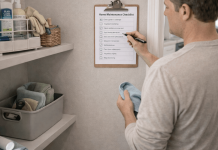
Keep routines visible, like a small checklist on the fridge or inside a cabinet.
Use short “reset” sessions so you never face an overwhelming backlog.
Weekly Reset Routine
Spend ten minutes returning items to homes and clearing high-use surfaces.
Do a quick wipe of handles, counters, and frequently touched switches.
Empty trash and recycling fully, because overflow leads to spills and pests.
Monthly Mini-Check
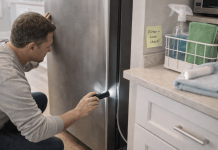
Scan for loose parts, frayed cords, and strange smells that signal trouble.
Check storage areas for moisture, dust buildup, and items packed too tightly.
Restock your care kit, because missing supplies make maintenance stop happening.
Seasonal Deep Care
Wash or vacuum soft furnishings, because trapped grit wears fibers down.
Clean vents, fans, and filters, because airflow protects electronics and appliances.
Rotate seasonal items and inspect them before use, so surprises do not ruin plans.
Keep Simple Records and Reduce Waste
A tiny record prevents duplicate buying and helps you plan maintenance calmly.
Track what you own, what it needs, and where it lives in the home. Keep it minimal, because complicated tracking gets abandoned quickly.
Better records also reduce waste, because you repair and donate instead of tossing.
Create a Basic Home Inventory
List big items and essentials, like appliances, tools, and special materials. Add one note for each, like the filter size, battery type, or care rule.
Store receipts and manuals in one folder, because scattered papers get lost.
Plan Donations and Safe Disposal
Set one donation bin so usable items leave before they become junk. Learn your local disposal basics for batteries and electronics to avoid unsafe trash.
Schedule a monthly drop-off routine so “later” does not become “never.”
Wrap-Up: Make “Last Longer” Your Default
When you maintain items in small ways, your home stays calmer and more organized.
Start with one area this week, like shoes, kitchen tools, or laundry basics.
Keep routines short, keep supplies visible, and fix tiny problems immediately. If you want your home to run more smoothly, choose one habit today and begin.