Home organization looks different for everyone, depending on routines, space, and daily priorities.
This guide focuses on practical systems that support real-life habits rather than idealized setups.
Each section adapts organization methods to specific lifestyles and everyday constraints.
How different lifestyles affect home organization
Different lifestyles shape how a home is used, which directly affects how it should be organized.
What works well for one household can create friction in another if routines, space, and priorities are different.
- Daily routines determine storage needs: Homes should be organized around what happens every day, not occasional activities. Busy schedules benefit from visible, fast-access storage, while slower routines allow for more detailed systems. When organization follows daily habits, clutter is less likely to build up.
- Household size changes system complexity: Single occupants can use simpler, centralized systems with fewer rules. Families need shared zones, clear boundaries, and storage that supports multiple users. The more people involved, the more important clarity and consistency become.
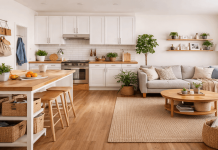
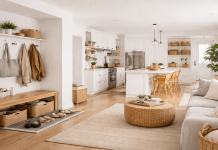
- Space limitations influence organization style: Small homes require strict item limits and multi-use storage. Larger homes allow for category-based organization across multiple rooms. Space size affects whether organization focuses on minimizing items or managing volume.
- Work and lifestyle blend impacts boundaries: Remote workers need stronger separation between work and personal areas. Active lifestyles require easy-access storage for gear and daily-use items. Clear boundaries prevent one activity from overtaking the entire home.
- Values shape long-term organization: Minimalist lifestyles prioritize fewer items and clear limits. Family-focused homes emphasize flexibility and durability. Practical organization lasts longer when it aligns with personal priorities.
In short, home organization works best when it mirrors how life actually unfolds, not when it follows a one-size-fits-all system.
Home Organization for Busy Professionals
Busy professionals need systems that work quickly and require minimal daily effort.
Organization should support fast mornings, late evenings, and limited free time.
Simple layouts reduce decision fatigue and help maintain consistency. Storage should prioritize visibility and easy access over perfection.
Entryway and Daily Essentials
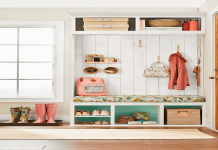
A dedicated drop zone prevents clutter from spreading throughout the home.
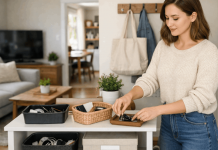
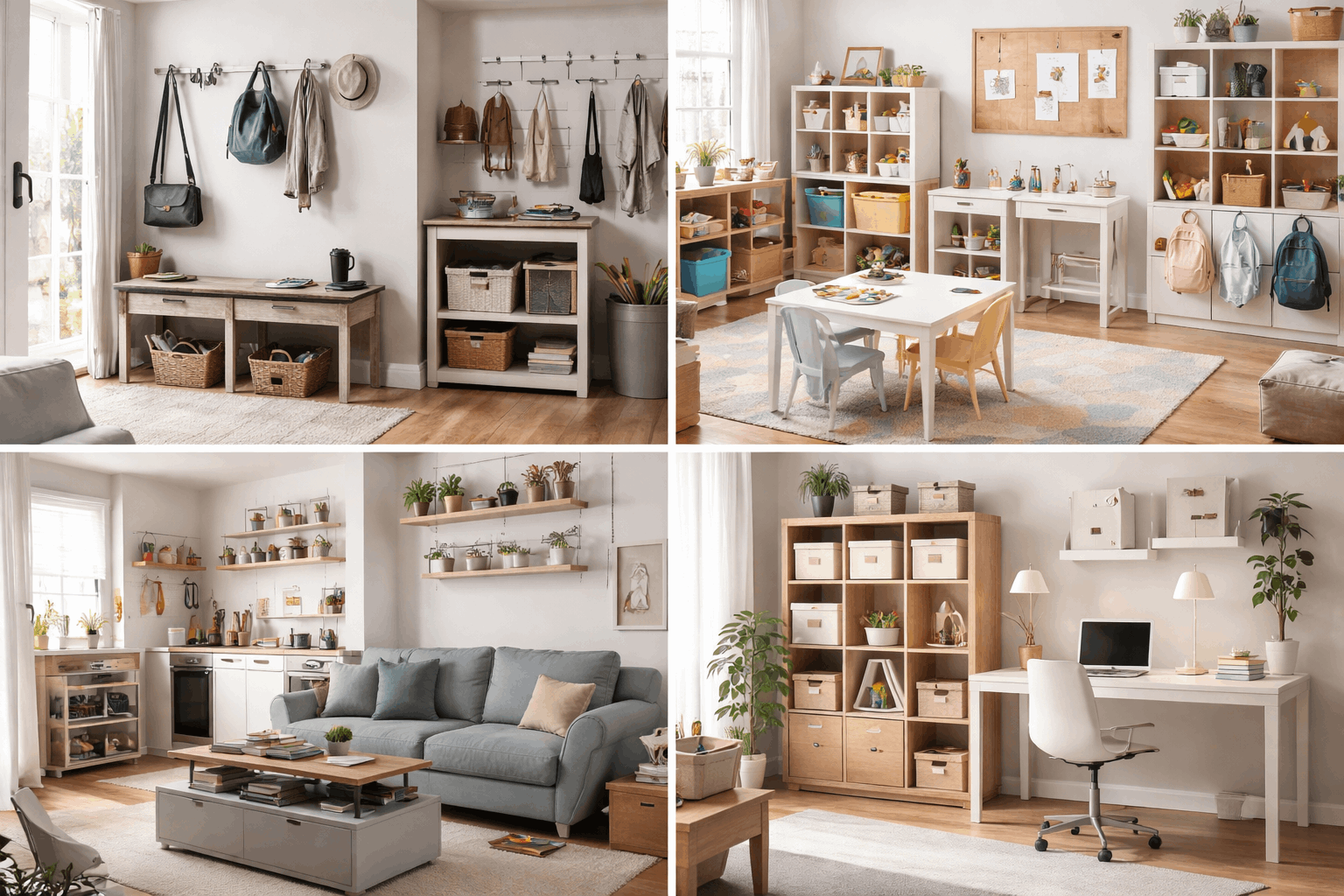
Hooks, trays, and baskets keep keys, bags, and work items in one predictable place. Limiting this area to daily-use items avoids unnecessary buildup.
Closet and Workwear Management
Grouping outfits by category speeds up daily dressing decisions. Keeping only frequently worn clothes reduces overfilled closets.
Laundry routines work best when storage matches washing frequency.
Kitchen and Meal Prep Zones
Clear zones for breakfast, lunches, and snacks simplify rushed meals. Frequently used tools should stay within arm’s reach.
Bulk storage works only if restocking fits your schedule.
Home Organization for Families with Children
Family homes need flexible systems that adjust as children grow. An organization must balance structure with ease of use for all ages.
Durable solutions handle daily mess without constant resetting. Clear routines help children participate in maintaining order.
Toy Storage and Play Areas
Open bins allow children to clean up independently. Rotating toys prevents overload and keeps play areas manageable.
Labeling with pictures supports early responsibility habits.
Clothing and School Supplies
Weekly outfit planning reduces morning stress. School items should live near the exit for smooth departures.
Seasonal clothing storage prevents closets from becoming overcrowded.
Shared Spaces and Multipurpose Rooms
Shared rooms benefit from clearly defined zones. Each family member needs a small personal storage area.
Resetting shared spaces daily keeps clutter from accumulating.
Home Organization for Small Apartments
Limited space requires intentional choices and efficient layouts. Every item should earn its place through regular use.
Storage must work vertically as well as horizontally. Visual simplicity helps small spaces feel calmer and larger.
Furniture with Storage
Multi-functional furniture reduces the need for extra units. Hidden storage keeps surfaces clear and uncluttered.
Lightweight pieces allow easy rearrangement when needed.
Kitchen and Pantry Organization
Clear containers maximize shelf visibility. Grouping items by function saves time and space. Overstocking should be avoided in small kitchens.
Bathroom and Closet Solutions
Slim organizers fit into tight gaps. Over-the-door storage increases capacity without renovation. Frequent editing prevents storage overflow.
Home Organization for Remote Workers
Work-from-home setups require clear boundaries between roles. The organization should support focus and comfort throughout the day.
Work zones must coexist with living areas. Consistent routines prevent work from spreading everywhere.
Home Office Setup
A defined workspace improves mental separation. Cable management reduces visual and physical clutter. Only work-related items should stay on the desk.
Paper and Digital Organization
Paper intake should be minimized whenever possible. Active documents need a single, clear location. Digital files require simple naming and folder rules.
End-of-Day Reset Routine
Closing rituals signal the end of the workday. A five-minute reset prevents next-day overwhelm. Storing work items restores balance to shared spaces.
Home Organization for Minimalist Lifestyles
Minimalist homes focus on function and intention. The organization emphasizes simplicity rather than storage expansion.
Fewer items make maintenance easier and faster. Regular evaluation keeps systems aligned with values.
Decluttering as a Routine
Decluttering works best when done in small sessions. Items should serve a clear purpose or bring value.
Letting go prevents future storage problems.
Storage with Clear Limits
Containers define how much you can keep. When space is full, something must go.
Limits encourage mindful consumption habits.
Maintaining Long-Term Simplicity
Simple systems are easier to maintain. Daily habits matter more than occasional overhauls. Consistency keeps clutter from returning.
Adapting Organization as Life Changes
Lifestyles evolve, and organizations must evolve with them. Systems should be reviewed regularly.
What worked before may no longer fit current routines. Flexibility prevents frustration and wasted effort.
Seasonal and Life Transitions
Seasonal shifts require storage adjustments. Life events change space and item needs.
Temporary solutions can still be effective.
Reviewing and Updating Systems
Short reviews identify what is no longer working. Removing friction improves follow-through. Small changes often have a big impact.
Building Sustainable Habits
Organization succeeds through repetition. Simple routines support long-term order. Homes function best when systems match real life.
Conclusion
Home organization works best when it reflects how you actually live, not how a space is supposed to look.
Adapting systems to your lifestyle makes routines easier to follow and reduces daily friction.
Start with small adjustments that fit your habits, and build systems that make your home easier to maintain every day.