A home feels better when it supports you with less effort and fewer daily interruptions.
Home organization builds everyday comfort by making items easy to find, use, and put away.
This guide shows practical steps you can apply right away to reduce friction, keep spaces reset-friendly, and make your routine feel calmer.
Define Comfort in Your Home First
Comfort means different things depending on how you live, move, and use your space each day.
Before organizing anything, you need to understand what makes your home feel easy and supportive for you.
- Notice daily frustrations: Pay attention to moments when you feel slowed down or irritated to spot where comfort is missing.
- Focus on real use: Organize around what you do every day, not ideal habits, so the system fits your routine.
- Separate comfort from looks: A space can look neat but still feel stressful, so prioritize easy access and flow.
- Choose ease over rules: Pick systems that feel natural to follow.
- Set a comfort goal: Define what “comfortable” means in each room to keep your home organization practical.
Organize Around Daily Use, Not Storage Space
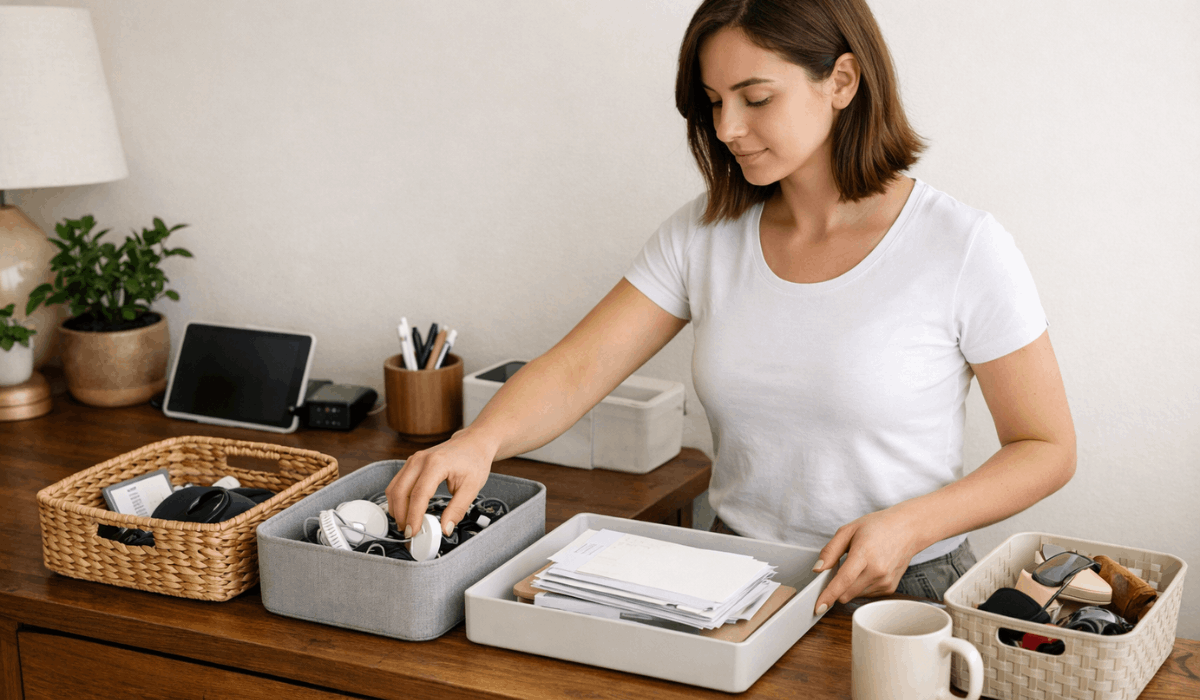
Comfort improves when your home is organized by how often you use items, not by where they technically fit.
This approach reduces effort, saves time, and makes everyday routines smoother.
- Keep daily items close: Store things you use every day within easy reach so you do not waste time searching.
- Move occasional items out of prime spaces: Place rarely used or seasonal items outside prime areas to protect high-use areas.
- Prioritize frequency over size: Decide on storage based on how often you use something, not on its size.
- Reduce unnecessary movement: Arrange items so common tasks take fewer steps and less bending or reaching.
- Use habit-based placement: If an item is always left out, it likely needs a more accessible home.
Use Fewer, Clearer Storage Categories
Too many categories make the organization harder to maintain over time. Simple, clear groupings reduce confusion and make everyday comfort easier to sustain.
- Limit the number of categories: Fewer groups make it easier to decide where items belong.
- Give each container one role: Assign a single purpose to each bin or basket to avoid mixing items.
- Group by function, not type: Store items based on how they are used together, not how they look.
- Avoid over-labeling: Clear visual grouping works better than relying on written labels.
- Review categories regularly: Adjust groups when they no longer match your daily routine.
Create Easy Reset Zones
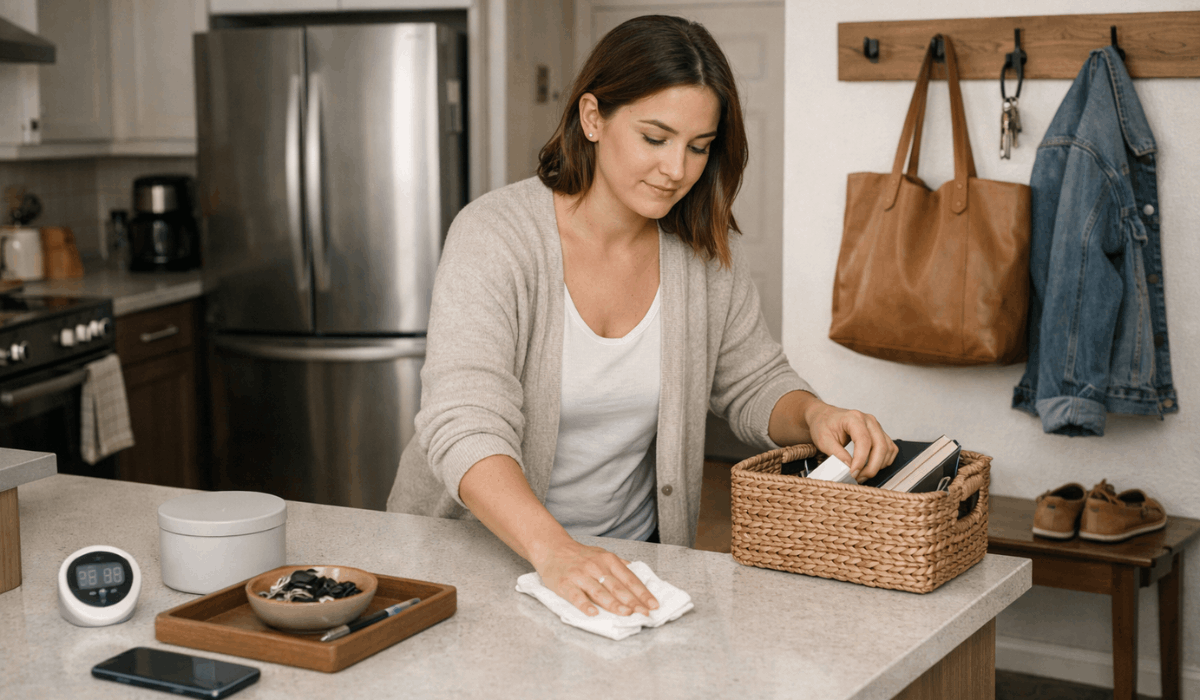
Reset zones help you restore order quickly without turning cleanup into a long task. They give everyday items a clear landing spot so clutter does not spread.
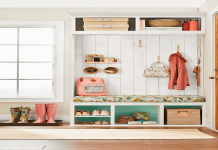
- Add entryway reset spots: Use simple trays or baskets for keys, bags, and shoes to keep the entryway mess-free.
- Create living-area drop zones: Place small containers where items naturally collect, making them easy to reset.
- Limit each zone’s purpose: Assign one clear function to each reset zone to avoid overflow.
- Keep zones visible: Open and easy-to-see storage makes putting things away faster.
- Use quick reset habits: Design zones so they can be cleared in one or two minutes.
Build Comfort With Short Daily Routines
Daily routines keep your home organized without requiring long cleanup sessions.
Short, consistent habits create comfort by preventing clutter from building up.
- Start with a quick morning setup: Prepare key surfaces so your day begins smoothly.
- Use short evening resets: Spend a few minutes restoring order before the day ends.
- Focus on visible areas first: Clear surfaces make the biggest impact with the least effort.
- Attach routines to existing habits: Pair small resets with things you already do daily.
- Keep routines flexible: Adjust timing and effort based on your energy level.
Match Organization to Energy Levels
Your organization system should work even on days when you feel tired or busy.
Designing for low effort helps you maintain comfort without relying on motivation.
- Choose low-effort storage: Use open bins or trays instead of lids and complex systems.
- Design for tired moments: Make it easy to put things away in a few steps.
- Reduce decision points: Fewer choices make upkeep easier when energy is low.
- Place items where they land: Store things where you naturally drop them.
- Allow flexible standards: Accept “good enough” to keep systems sustainable.
Reduce Visual Noise for Mental Comfort
Visual clutter can make a space feel stressful even when it is organized. Reducing what you see helps your home feel calmer and easier to manage.
- Limit items on open surfaces: Keep only daily-use items visible to reduce distraction.
- Group similar items together: Consistent groupings make spaces easier to scan.
- Clear edges and corners: Open space around surfaces creates a calmer look.
- Use closed or neutral storage: Simple containers reduce visual overload.
- Reset visual clutter regularly: Quick checks prevent buildup and maintain comfort.
Prevent Clutter From Returning
Clutter returns when systems are hard to maintain or unclear. Simple habits and clear limits help you keep your home comfortable over time.
- Control item volume: Be mindful of what comes in so storage does not overflow.
- Use one-in, one-out awareness: Removing an item when adding another keeps the balance.
- Reset small areas often: Frequent quick resets stop mess from spreading.
- Fix problem spots early: Adjust systems as soon as clutter reappears.
- Keep systems easy: Simple organization lasts longer than complex rules.
Adjust Systems as Your Life Changes
Your home organization should evolve as your routines, needs, and energy change. Flexible systems help maintain everyday comfort without having to start over.
- Watch for routine changes: New schedules or habits signal when systems need updates.
- Notice rising friction: Repeated mess often means the system no longer fits.
- Change one thing at a time: Small adjustments are easier to maintain than full resets.
- Replace tools when needed: Swap containers or layouts that no longer work.
- Allow systems to stay flexible: The organization works best when it adapts to you.
Common Comfort Killers and Simple Fixes
Many organizational problems come from systems that are too complex or unrealistic. Identifying these comfort killers helps you make quick, practical fixes.
- Too many containers: Excess storage creates confusion, so reduce and simplify.
- Overcomplicated systems: Complex rules are hard to maintain and often fail.
- Organizing for appearance: Focus on function instead of how spaces look to others.
- Unclear item homes: Items without a clear place are more likely to pile up.
- Relying on motivation: Systems should work even when energy is low.
Seasonal Adjustments for Everyday Comfort
Your home needs small changes as seasons shift and routines adjust. Light seasonal updates help maintain everyday comfort without major reorganization.
- Swap access, not volume: Rotate which items are easy to reach instead of adding more storage.
- Update high-use areas: Adjust entryways, closets, or counters based on seasonal needs.
- Store off-season items together: Keep seasonal items contained to avoid mixing.
- Refresh daily routines: Modify habits to match changes in daylight, weather, or schedule.
- Keep adjustments minimal: Small changes are easier to maintain and reset.
Final Section: Comfort Comes From Ease, Not Control
A comfortable home comes from simple systems that support your daily habits, energy levels, and changing needs.
Home organization improves everyday comfort when it is easy to maintain, and clutter stays contained.
Start with one small area today and build a setup you can actually keep.