Most homes do not need a complex method to feel calmer. For home organization without complicated systems, simplify where items land each day. Clutter grows when drop zones are unclear and storage feels slower than leaving things out.
Skip extra labels and focus on repeatable habits with easy containers. Simple routines that match real life keep order even on busy weeks.
This guide explains zones, quick resets, and rules that stick. Start with one hotspot and build from there.
Why Simple Systems Beat Complicated Plans
Simple organizing works because you can repeat it when you are tired. Complex systems fail because they demand sorting each time you touch an item.
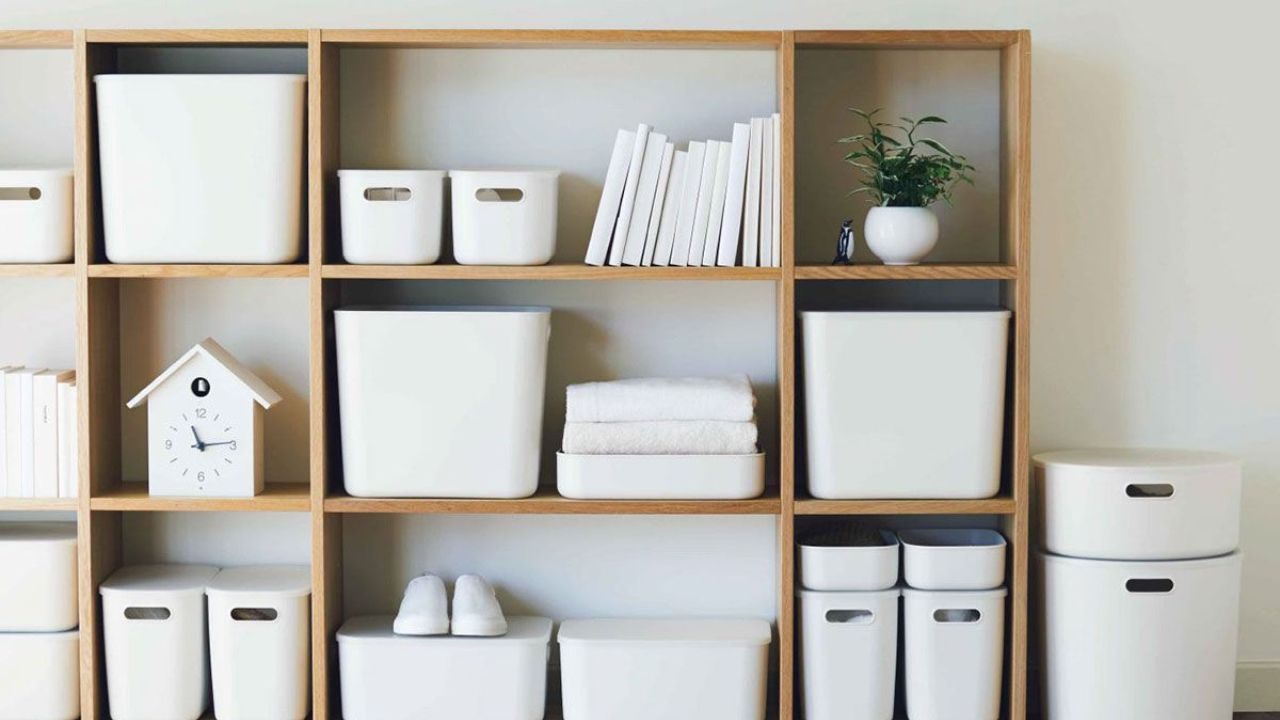
Consistency beats complexity when you want a home that stays usable all week. A simple setup cuts decisions, so you put things away faster.
Obvious storage lets everyone follow the same rules. Aim for order that survives real schedules, not a staged look.
Where Complicated Systems Break Down
Complicated systems create drop-off because they add steps when you need speed. If you must label and stack perfectly, you will skip it on busy days. Too many steps create avoidance and piles return to counters and chairs.
Rules also break when guests visit or routines change. Reduce steps until putting items away feels automatic. If a system needs perfect behavior, it will not last.
Build Routines You Can Repeat
Repeatable routines work because they attach to cues you have, like arriving home. A routine is a short sequence that returns items to their zones. Repeatable routines reduce mess by stopping clutter before it spreads.
You do not need a clean marathon, just a reset in minutes. Over time, routines get faster because you know the next step. This is how homes stay organized without marathons.
Define What “Organized Enough” Means
Good enough organized means essentials stay easy to find and surfaces stay clear. It does not mean every drawer is staged or every shelf is labeled. Functional order over perfect order keeps the home livable and lowers stress.
You can have a busy week and recover fast with one reset. When a space works, you search less and live more. That standard is enough for most households.
Set Up Zones That Match Your Day
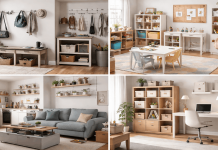
Zones are small areas for specific actions, like dropping keys or sorting mail. They work because storage sits where the behavior happens.

Zones prevent random piles by giving common items an obvious landing place. Start with the hotspots that create daily clutter, not every room.
Keep each zone simple with only the storage you need. Once the basics hold, refine details without adding extra steps.
Create an Entry Drop Zone
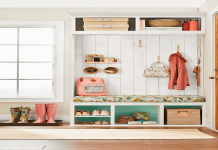
An entry zone stops clutter from moving into the home. Use hooks for bags, a tray for keys, and one bin for shoes. A clear landing spot reduces dropping items on tables and chairs. Keep the zone near the door so it feels effortless.
If you have kids, add one low hook and one small bin each. This setup saves time every morning and makes leaving easier.
Keep the Kitchen Clear with One Counter Rule
The kitchen gets messy because you use it all day. Create one counter spot for tools and keep the rest clear. One clear counter rule makes cleanup feel smaller and protects prep space.
Use a bin for snacks, a divider for utensils, and a shelf for containers. Place trash and recycling close to the work area. A kitchen zone succeeds when it supports speed and habits.
Make the Bedroom a Reset-Friendly Space
Bedroom clutter often comes from clothes, chargers, and nightstand overflow. Set up a hamper, a small basket for rewear items, and one charging spot. A calmer sleep space makes the room feel restful and reduces searching.
Keep essentials on the nightstand, like a lamp and water. Put tomorrow’s outfit in one spot if mornings feel rushed. These choices keep the bedroom easier to reset daily.
Use a Catch Basket in the Living Room
Living rooms collect remotes, toys, and items from other rooms. Use a tray for remotes and chargers, plus one basket for clutter. A single catch basket keeps the room tidy without sorting.
Each evening, return basket items to their home zones in one pass. For toys, use one or two bins instead of many small boxes. With this setup, the room resets quickly before guests arrive.
Use a 10-Minute Reset to Maintain Order
A 10-minute reset keeps the home from sliding into chaos. It is short enough to do even on full days. Short resets prevent overwhelm by handling small mess before it becomes a project.

Use a timer so you stop on time and avoid burnout. Focus on surfaces, floors, and items that block daily use most. When you reset often, deep cleans feel less urgent.
A Daily Reset That Actually Fits
A daily reset should cover high-impact areas, not every corner. Clear one surface, put away visible clutter, and load dishes if needed. High impact daily actions create the biggest visual change with the least effort.
Return shoes, bags, and mail to their zones to prevent pileups. Wipe one counter spot and take out trash when it is full. Stop when the timer ends, even if more remains.
An End-of-Day Reset for Tomorrow
An end-of-day reset prepares the home for tomorrow in a few steps. Clear the sink, put chargers back, and set out what you need for morning. Tomorrow-ready routines reduce stress and prevent last-minute scrambling.
Scan for items that belong elsewhere, then deliver them once. If you live with others, assign one small task per person. Keep the routine short so it stays consistent.
A Weekend Reset for Overflow
Weekend resets handle overflow that daily resets cannot fully cover. Pick one zone that drifted, like laundry, paper, or the fridge. A focused weekly reset works better than trying to organize the whole house.
Use three steps: toss trash, return items to zones, and contain what remains. If time is limited, do one small area and stop on purpose. Weekly resets keep your system stable across the month.
Tools That Speed Up Every Reset
Simple tools make resets faster because they reduce walking and re-sorting. Use a carry basket to collect items that belong elsewhere, then deliver them. A carry basket method keeps you from getting distracted mid-clean.
Store wipes, a cloth, and a small trash bag in one spot. Keep those tools near your busiest zone, not hidden in a closet. Easy access makes resets happen more often.
Contain First, Then Keep It Going
Containing means placing items into a limited space before you chase perfect categories. It creates order quickly because piles become controlled groups.
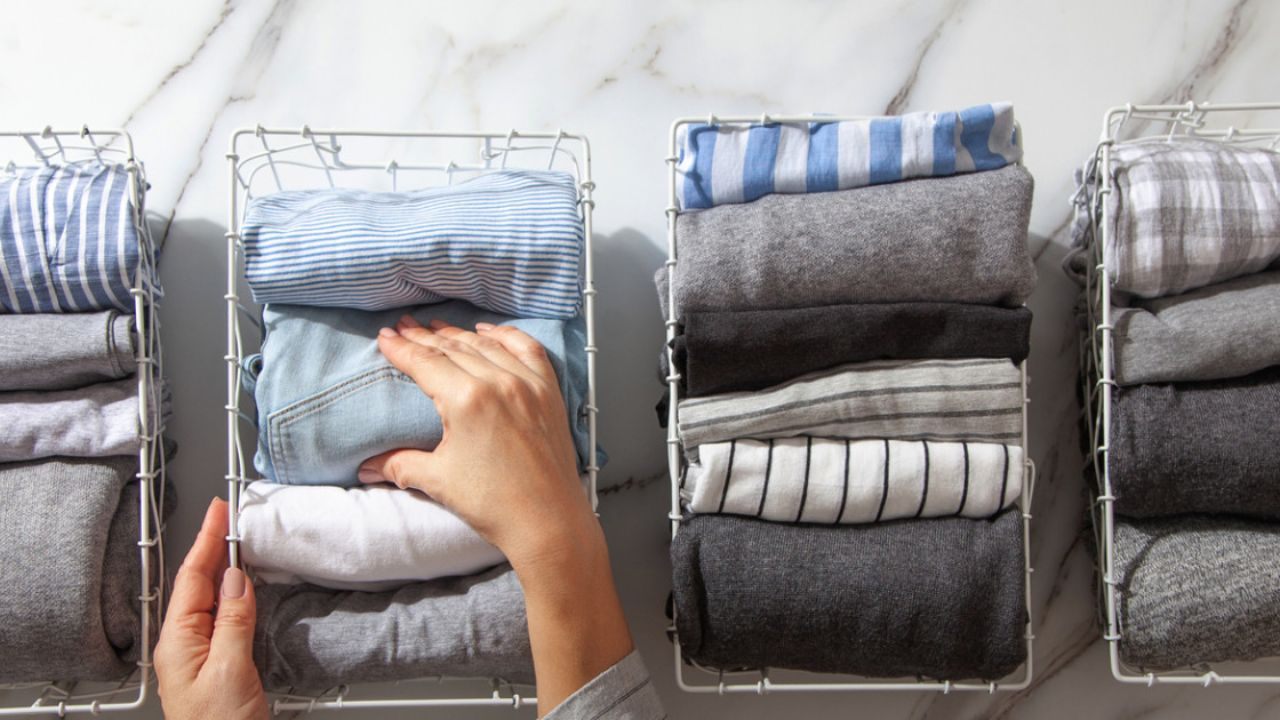
Containment creates instant order and gives you room to decide what stays. After you contain, you can simplify categories and remove extras.
This works well for shared homes, small apartments, kids, and busy seasons. Build function first, then refine details later without extra stress.
Use Containers and Light Labels in the Right Spots
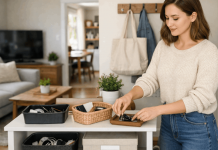
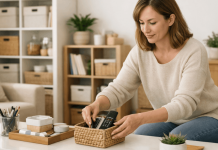
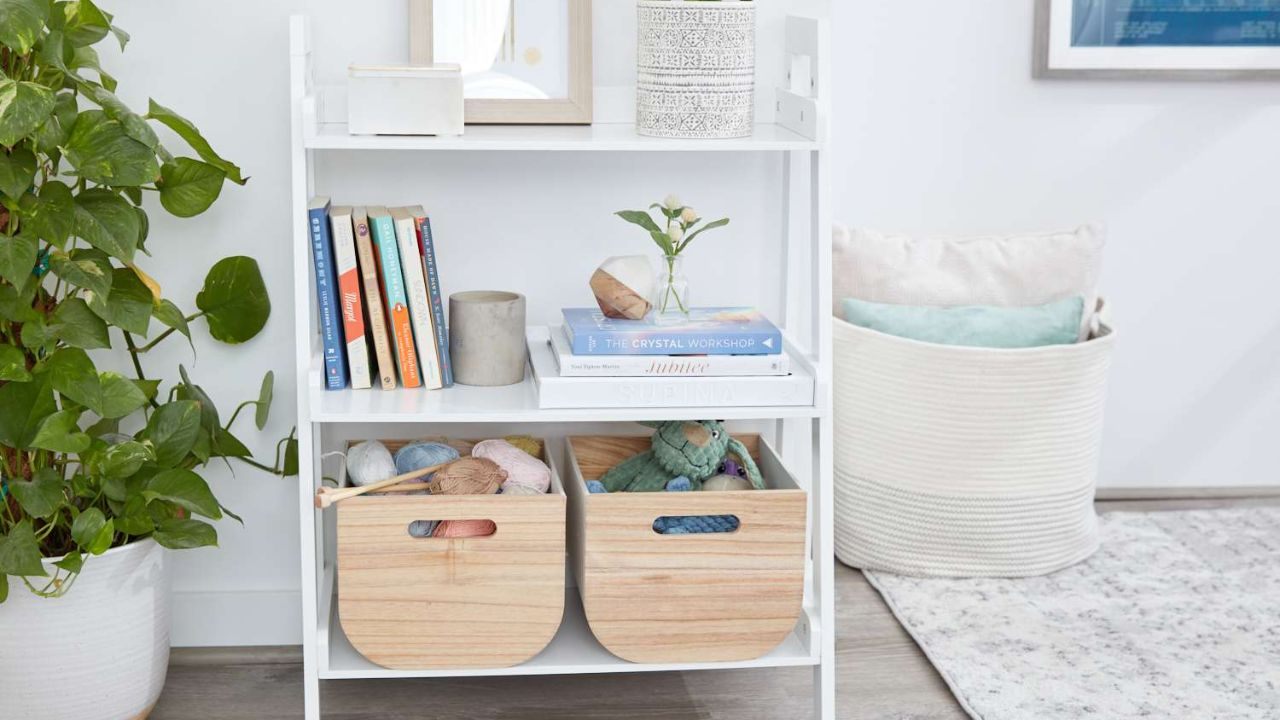
Place containers where items gather most. Use trays for small daily items and one bin for bigger groups. Simple containers reduce piles by giving items a boundary and a clear home. Keep daily items visible, and store backups out of sight.
Use short labels only in shared spaces so others follow the setup. Pick containers that fit the shelf, not containers that force new habits.
Apply the One Container Rule
The one container rule keeps categories from expanding over time. If a category does not fit, reduce items or choose a bigger container. A fixed container limit turns overflow into a clear signal to edit.
Use it at home for snacks, backups, art supplies, and paper. It speeds cleanup because you always know where things belong. When the container is full, remove something before adding more.
Use Simple Rules to Stop Clutter Creep
Simple rules protect setup by guiding decisions before clutter grows. Use one in, one out for fast-growing categories like clothes and mugs. A steady exchange rule keeps storage realistic and prevents slow accumulation.
Give every item a home, even a tray or hook where it lands. If an item has no home, it becomes a pile you manage later. Choose rules you can remember on hard days.
Do Monthly Mini Declutters and Adjust the Setup
A monthly mini declutter keeps simple systems from breaking down. Choose one small area, set a timer, and remove what you do not use. A monthly edit habit prevents clutter from reaching crisis level.
If a zone keeps failing, adjust placement instead of blaming yourself. Move the bin closer, reduce the category, or shorten the routine. Flexible systems last longer because they adapt to real life.
Conclusion
Home organization feels easier when you design it for daily behavior. Rely on zones, short resets, and containers that fit your space. Small routines create big results because they stop clutter from spreading.
Start with one hotspot and repeat the actions until they feel automatic. Use a timer, contain before you sort, and keep rules simple. With steady practice, your home stays easier to use and enjoy.