Home organization becomes easier when it is daily practice, not a dramatic weekend project. Clutter returns because useful items have no reliable home, surfaces become temporary storage, and cleanup depends on motivation.
To build organization habits at home, start with small actions that fit weekdays and can restart after busy periods.
Start With Habits Before Storage
Storage helps only after you know what should stay, where items belong, and which areas need daily attention. Buying bins too early often hides clutter instead of changing the routine that created it. A habit-first plan keeps the focus on behavior, not decoration.

Start with the areas that affect your day most: the entryway, kitchen counter, laundry chair, bathroom vanity, or paper pile. These spots create daily friction. Once one habit works there, repeat the pattern elsewhere.
Choose Two High-Impact Areas
Your first targets should be small enough to reset in minutes. Pick two areas that slow your day down, not the places that only look messy. The best daily targets are tied to meals, mornings, leaving the house, or evening cleanup.
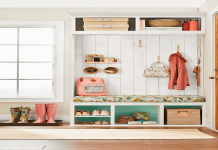
Choose the entry if keys, shoes, and bags cause delays. Choose the kitchen counter if cooking starts with clearing space. Avoid starting with a garage or full closet unless it affects your routine.
Keep the Standard Realistic
A habit works best when the finish line is clear. Instead of aiming for a perfectly organized room, define what “done” means in practical terms. A realistic standard might mean the sink is usable, the entry floor is clear, or the laundry chair is empty.
This stops the task from expanding. When the standard is simple, you can finish without feeling that the whole house still needs attention.
Give Daily Items Reliable Homes
The first major habit is assigning clear homes to items you touch often. Keys, mail, chargers, shoes, bags, cleaning cloths, and worn-once clothing create clutter quickly when locations are unclear. A reliable home removes the daily question of where things should go.
Place items near where they are used or dropped. If bags land by the door, storage should be near the door. If mail reaches the kitchen counter first, create a paper tray nearby.
Fix Common Homeless Items
Most homes have repeat offenders. Mail, cords, and clothing are common because they move through the house every day. These homeless items need simple containment before they spread.
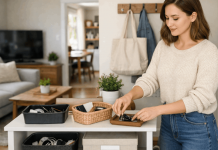
Use one tray for action papers, one pouch for chargers, and one basket or hook for clothing that can be worn again. Keep the setup visible at first so the habit is easy to remember.
Make Put-Away Easy
If putting something away takes too many steps, the item will probably stay out. A good habit needs a short return path. This put-away path should let you return several misplaced items in one loop.
Use a small carry basket for things that belong in other rooms. Collect first, then return everything in one trip. The easier the loop feels, the more likely you are to repeat it.
Also Read: Home Organization Without Complicated Systems
Practice Short Resets at Trigger Times
Once items have homes, the next habit is returning them regularly. A short reset catches mess before it becomes a larger cleanup. The best trigger times are moments that already happen, such as after dinner, after work, before bed, or before leaving.
Set a timer for two to five minutes and restore function, not perfection. Clear one surface, return obvious items, move dishes, and place laundry where it belongs. Stop when the timer ends.
Use the Same Reset Order
A reset becomes easier when the order stays the same. Start with trash, then dishes, then items that need to return to their homes. Finish with a quick surface wipe if needed. This reset order prevents you from bouncing between tasks.
The point is not to clean every room. It is to make the most visible areas usable again. Repeating the same order turns the reset into muscle memory.
Set Limits So Clutter Cannot Grow
After the first habits begin to work, add boundaries. Categories like toys, snacks, toiletries, cleaning supplies, cords, and clothes can grow quietly if there is no visible limit. A container limit turns storage into a clear rule.
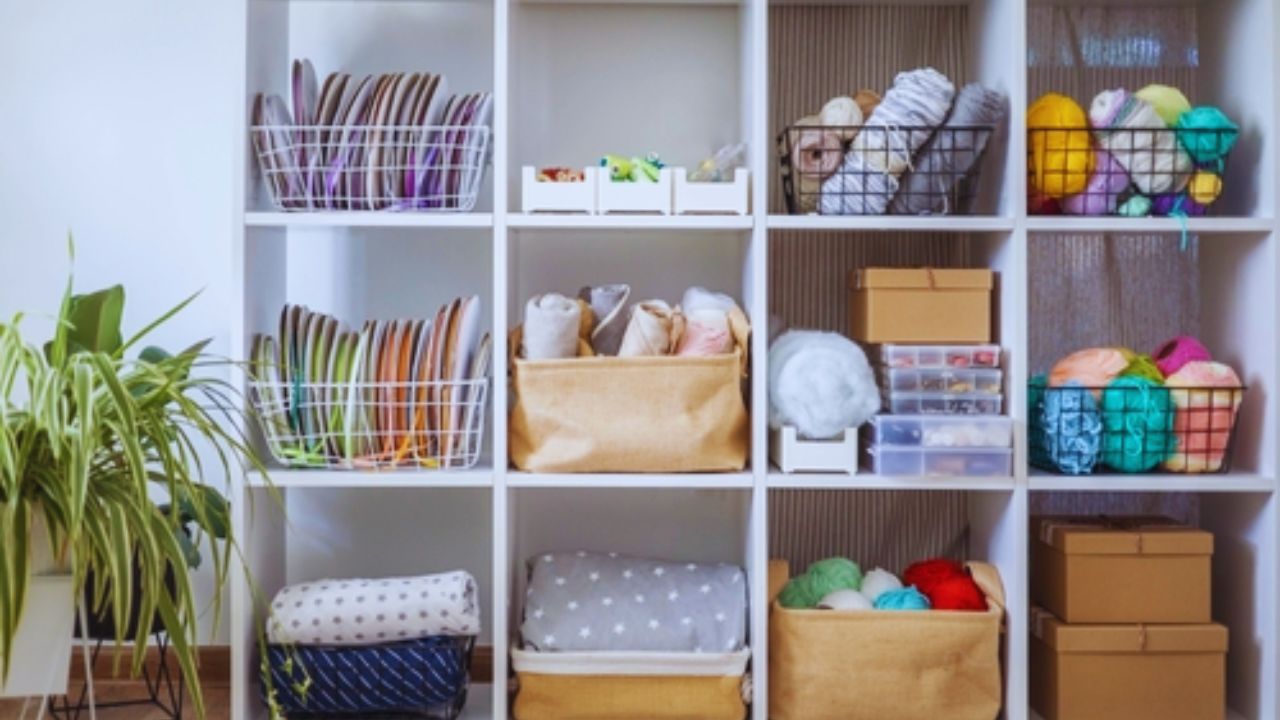
Choose one drawer section, basket, shelf, or bin for each category. When the space fills, remove something before adding more. This keeps the system honest and prevents daily areas from becoming crowded.
Use One Container per Category
A single container helps you see what you own. Snacks can have one basket, cords one pouch, toiletries one drawer section, and cleaning refills one shelf. This category limit makes overbuying easier to notice.
If a category needs backup storage, keep the main home clear and place extras in a less active area. Daily spaces should hold what you use now.
Add Weekly and Monthly Maintenance
Daily habits work better with a short maintenance routine. A weekly reset catches drift before it becomes a major project, while a monthly edit keeps categories from expanding. This maintenance routine protects the work you already did.
Choose one weekly time each week to reset the two areas that drift most. Clear surfaces, empty catch bins, handle paper, and return items to their homes. Keep it short so it does not become another avoided chore.
Review One Category Monthly
Once a month, choose one category that tends to grow, such as clothes, pantry items, toys, toiletries, or paper. A monthly edit keeps storage realistic because it removes what no longer fits your routine.
Use the container limit as your guide. If the category no longer fits, donate, recycle, relocate, or discard what is not being used. Do not turn this into a full-house cleanout.
Restart Without Catching Up
Busy weeks will interrupt even the best systems. When that happens, restart with the smallest version of the habit. A minimum reset might be clearing the sink, emptying the entry basket, or returning one load of laundry.
Do not double the next session. That usually makes the habit feel heavier. A quick restart keeps the system alive.
Conclusion: Let Practice Build the System
Organization habits at home are built through repetition, not one dramatic cleanup. Start with two daily problem areas, give common items reliable homes, and practice short resets at moments that already exist in your routine. Add container limits, then use weekly and monthly checks to keep clutter from returning.
The goal is not a perfect home. It is steady organization that works when life gets busy. When habits are small, clear, and easy to restart, your home becomes easier to manage.