Keeping your household items in good shape is less about big cleaning days and more about small habits you repeat.
When you know what to check, what to wipe, and where to store things, items last longer and work better.
What Everyday Household Items Need More Care?
Items that combine heat + moisture + moving parts + daily use usually need the most care.
Kitchen and food-use items
- Nonstick pans and coated bakeware — coatings wear fast from high heat and rough utensils.
- Knives and cutting boards — blades dull and boards warp or hold odors if left wet.
- Blenders, air fryers, coffee makers, kettles — buildup (oils, crumbs, scale) affects performance.
- Food containers and bottle lids — trapped moisture causes smells and residue.
Laundry and cleaning gear
- Washing machine and dryer — lint, moisture, and residue cause odors and inefficiency.
- Dishwasher — filters and spray arms collect grime and reduce cleaning power.
- Vacuum — full bins, clogged filters, and hair in rollers reduce suction quickly.
- Mops, sponges, and microfiber cloths — they can spread germs or smell if not rinsed and dried.
Bathroom and moisture-heavy items
- Shower curtain/liner and bath mats — stay damp and can mildew without drying habits.
- Grout/caulk areas — moisture damage builds slowly and gets harder to reverse.
- Fans/vents — dust buildup reduces airflow and increases moisture problems.
Home surfaces and furniture
- Upholstery and rugs — dirt acts like sandpaper and wears fibers down.
- Wood tables and counters — water rings and heat marks happen fast without barriers.
- High-touch surfaces (handles, switches) — get grimy quickly and affect the feel of the home.
Tech and small tools
- Charging cables and power strips — bending and dust cause failures and safety issues.
- Hand tools (scissors, screwdrivers) — rust and dull edges happen when stored dirty or damp.

Care for Kitchen Items Without Extra Effort
Kitchen items wear out quickly because of heat, water, grease, and daily handling.
Small care habits keep surfaces safer, tools sharper, and appliances working consistently.
You do not need special products for most kitchen care if you focus on timing and drying.
Prevent buildup and protect parts that fail first, like seals, blades, and coatings.
Keep Cookware Coatings From Wearing Out Early
Nonstick and coated pans last longer when you treat the surface gently.
Avoid metal utensils, skip high heat unless the pan is designed for it, and let it cool before washing.
Dry thoroughly and stack with a soft barrier, like a towel, to prevent scratches.
Prevent Odors and Buildup in Containers and Bottles
Odors usually happen when moisture stays trapped inside plastic, silicone, or lids.
Wash promptly, air-dry fully, and store containers with the lids off when possible.
For stubborn smells, a short soak with warm water and mild soap is usually enough.
Keep Small Appliances Working With Simple Maintenance
Appliances last longer when you clean the parts that come into contact with food, air, or water.
Wipe exterior surfaces, empty crumb trays, and rinse removable parts after each heavy use.
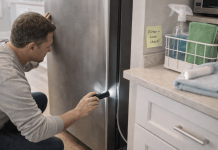
Check seals, filters, and cords monthly so small issues do not turn into failures.
Protect Furniture and Surfaces From Daily Wear
Most furniture damage comes from friction, moisture, sunlight, and heavy weight in the same spots.
You can prevent dents, scratches, and fading with simple habits that take seconds.
Surface care also supports home organization because clean, clear surfaces attract less clutter.
Focus on protection first, and cleaning becomes faster and less frequent.
Use Simple Barriers to Stop Scratches and Stains
Barriers reduce friction and prevent spills from soaking into wood, fabric, or laminate.
Use coasters, placemats, felt pads under decor, and trays to contain daily items.
When a spill happens, blot fast and dry fully so moisture does not warp or stain.
Dust the Right Way to Avoid Spreading Grime
Dusting works best when you remove dust rather than push it around.
A quick weekly pass protects finishes and keeps buildup from turning sticky.
Manage Sunlight to Reduce Fading and Warping
Sunlight can fade fabric and discolor wood faster than most people expect.
Rotate items like rugs or cushions so the same area is not always in direct light.
If possible, use curtains or blinds during peak sun hours to protect surfaces.
Keep Laundry, Textiles, and Shoes in Better Condition
Clothing, towels, bedding, and shoes wear out when they are overwashed, overdried, or stored damp.
A few routine changes can improve how fabrics feel and how long they hold their shape.
You also reduce clutter when textiles are folded, aired, and stored in a consistent way.
The main goal is to avoid heat damage, trapped moisture, and rough handling.
Wash With Less Stress on Fabric
Most items do not need the harshest cycle or hottest water.
Sort by weight, close zippers, turn delicate items inside out, and use the right amount of detergent.
When fabric is treated gently, it pills less and holds color and stretch longer.
Dry and Store Items So They Do Not Smell
Smells usually come from storing items before they are fully dry.
Hang towels and activewear right away, and avoid leaving damp loads sitting in the washer.
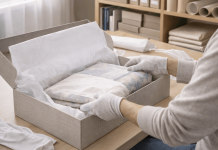
Store clean textiles in breathable spaces so air can move and moisture does not build.
Extend Shoe Life With Small Daily Habits
Shoes break down faster when they stay wet, dirty, or crushed in a pile.
Let shoes air out, wipe off dirt before it hardens, and use a simple tray to keep floors cleaner.
If you can, rotate pairs so each one gets time to dry and recover its shape.
Maintain Tools, Hardware, and Small Home Gear
Tools and small gear get damaged when they are stored dirty or used for the wrong job.
You protect them by keeping them clean, dry, and easy to return after use.
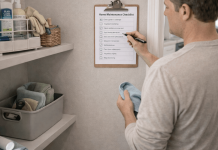
This is also a home organization win because tools stay where you can find them fast. A small monthly check prevents rust, dull edges, and missing parts.
Prevent Rust and Stiff Moving Parts
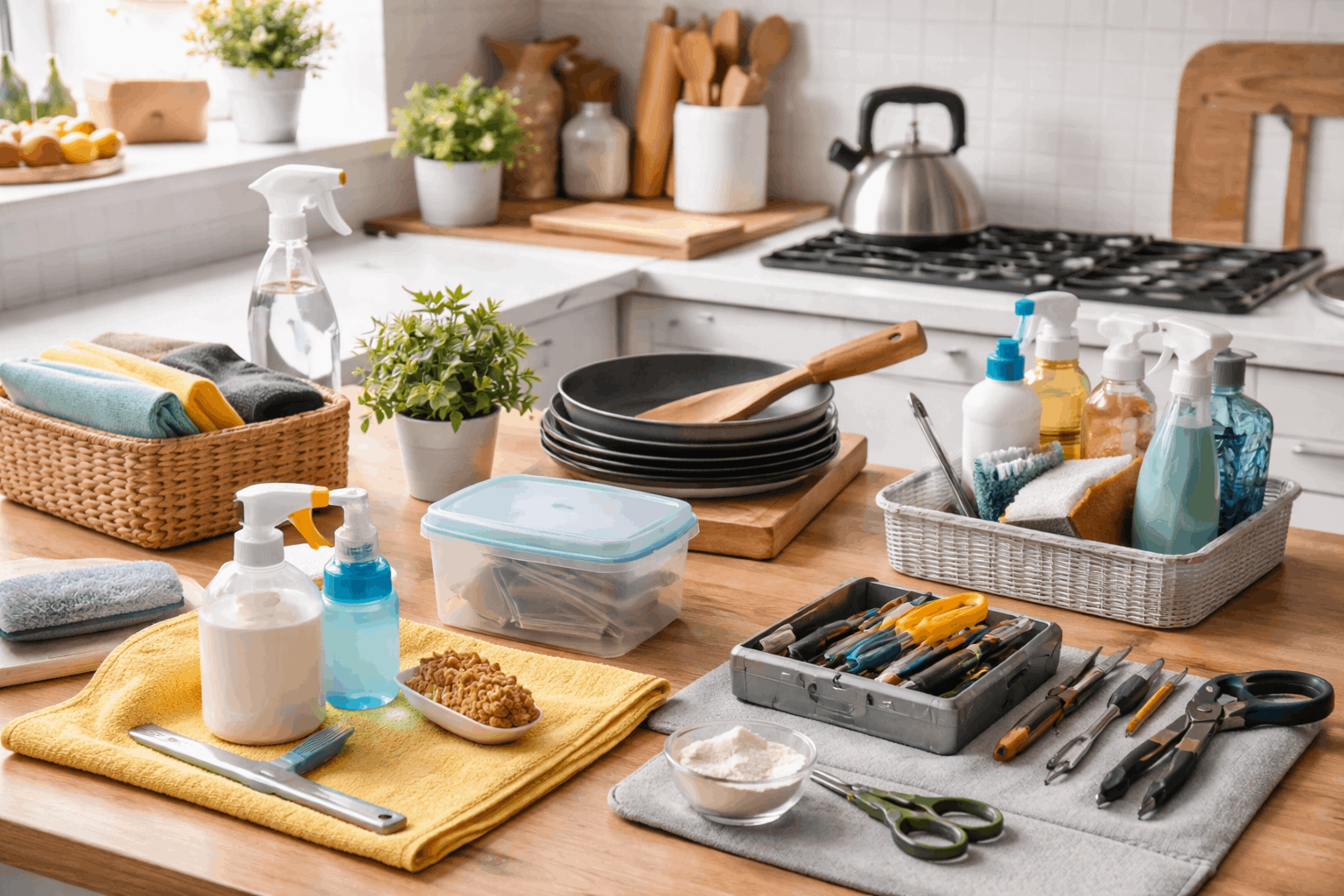
Rust forms quickly when metal stays damp or dirty. Wipe metal tools after use, dry them fully, and store them in a low-moisture spot.
If something starts sticking, clean it and add a small amount of lubricant if appropriate.
Keep Blades and Cutting Tools Safe and Sharp
Dull blades are harder to control and can damage what you are cutting.
Use the right surface, avoid cutting on hard materials not meant for the tool, and clean after each use.
Store blades with covers or in a dedicated container so they do not bang together.
Organize Small Parts So You Do Not Lose Them
Loose screws, batteries, and small hardware create frustration and waste.
Use small containers or drawer dividers and keep them grouped by use, not by perfect labels.
A quick check-in once a month keeps your supply useful and prevents overbuying duplicates.
Conclusion
You get better results from short routines than from occasional long cleaning days.
Use these steps today and keep your home organized, your items reliable, and your routines stress-free.