Building systems to stay organized is less about perfect shelves and more about making daily actions easy to repeat.
A good plan uses organized home solutions that match your space, your habits, and the things you own.
When you learn how to organize home areas by purpose, you reduce clutter because every item has a clear job and home.
Start With a Simple Map of Your Home
Walk through each room and write down what the space is supposed to help you do every day.
List the items that belong there, then circle the few that cause most of the mess or wasted time.
Choose one small “pilot zone” to fix first, because early wins make the rest of the system easier to build.
Define “Zones” by Activity, Not by Room Name
Think in actions like “drop keys,” “pack lunch,” “do laundry,” or “charge devices,” because zones work best when they match your routine.
Place the items for each action together, even if that means bending traditional rules about where things “should” go.
Keep each zone limited to what you use often, and move rarely used items into a separate storage spot to protect the zone from overflow.
Set a Clear “Home” for Every Item
Give every item a specific storage spot that is easy to reach, easy to put back, and sized to fit the item without forcing it.
Make the “home” visible when possible, because open or front-facing storage reduces the effort needed to return things.
If an item keeps drifting, change the storage location instead of blaming yourself, because the system should match how you actually move.
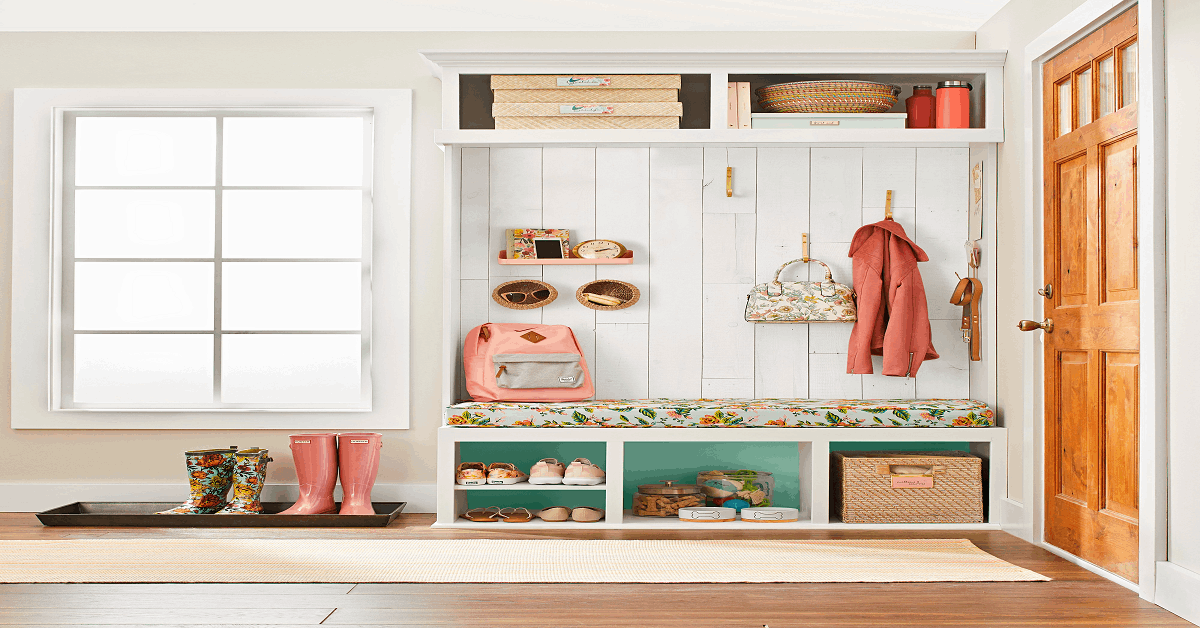
Build Entry and Exit Systems That Stop Pileups
Most clutter grows in transition areas like doors, counters, and chairs, where items land without a plan.
Create a drop zone that catches everyday carry items and a launch zone that prepares tomorrow’s essentials.
Use a small checklist so your leaving routine becomes automatic, which is one of the most effective systems to stay organized.
Keep these areas minimal, because too many containers turn into clutter that looks organized but behaves like a junk pile.
Create a “Drop Zone” That Works in 10 Seconds
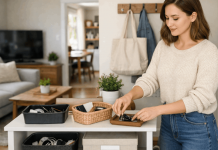
Use one tray or bowl for keys and wallet, one hook for bags, and one small bin for mail so everything lands in the same place.
Add a dedicated spot for shoes that fits your household rules, because loose shoes are a fast way to make an entry look messy.
Limit the drop zone to daily essentials only, and move anything else to a different zone within 24 hours to prevent slow buildup.
Create a “Launch Zone” for Tomorrow
Store items you need to leave the house, like work supplies, school gear, or gym items, in one basket or shelf near the exit.
Use a simple note or whiteboard to list “must not forget” items, because visual prompts reduce stress during busy mornings.
Refresh the launch zone at night in under two minutes, because small resets are the backbone of organizational systems for the home.
Use Containers and Labels to Control Categories
Containers are tools for boundaries, not just storage, so choose them to limit how much you keep in each category.
Start with broad groups like “batteries,” “cables,” “first aid,” or “backstock pantry,” then refine only if you truly need more detail.
Label what the container is for, because clear names reduce “decision fatigue” and keep the system usable for everyone at home.
Treat containers as organized home solutions that prevent overflow by making the maximum amount of stuff obvious at a glance.
Choose Containers Based on Use Frequency
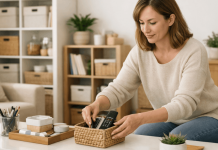
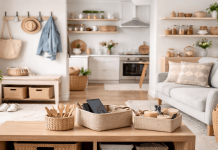
Put daily-use items in shallow bins, open trays, or front-facing baskets so you can grab and return them fast.
Store occasional items in lidded containers or higher shelves, but keep them grouped so you do not create “mystery storage.”
Match container size to the category, because extra empty space invites random items that break the system later.
Label for Clarity, Not Decoration
Use simple words like “Tools,” “Baking,” or “Spare Chargers,” because labels should guide action, not look fancy.
Place labels where they are easy to see when you reach for the container, especially on the front edge of shelves or drawers.
If multiple people share the space, agree on label language and keep it consistent, which is a practical, organized home innovation that prevents confusion.
Protect Your Items With Care-Based Storage
A truly organized home also protects your belongings, because damaged items create replacement clutter and wasted time.
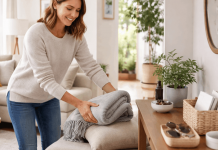
Store items in ways that reduce wear, prevent moisture, and make cleaning easier, especially for textiles, tools, and seasonal gear.
Use simple care rules like “clean before storing” and “keep off the floor” to avoid hidden mess and long-term damage.
This approach is one of the best organized home innovations because it keeps your home cleaner while extending the life of items.
Store by Material and Risk
Keep papers and photos dry and upright, store electronics away from humidity, and avoid direct sun on items that fade or warp.
Use breathable bins for fabrics and sealed containers for items that attract pests, like seasonal clothing or pantry backstock.
Build Cleaning Into Storage
Keep cleaning wipes, a small duster, or a handheld vacuum near the zones that collect dust or crumbs, like entryways and kitchens.
Use washable liners in drawers and bins where spills are common, because easy cleanup keeps the system from breaking.
Set a “clean before return” rule for items like sports gear or reusable containers so storage does not become a hiding place for mess.
Upgrade Your System With Small, Practical Improvements
Once the basics work, small upgrades can reduce friction and make the organization feel almost automatic.
Choose improvements that solve recurring problems, like tangled cords, lost papers, or cluttered surfaces, instead of buying random gadgets.
Focus on one improvement at a time, test it for two weeks, and keep only what actually helps your routine.
These careful upgrades become organized home solutions that support long-term order without creating new clutter.
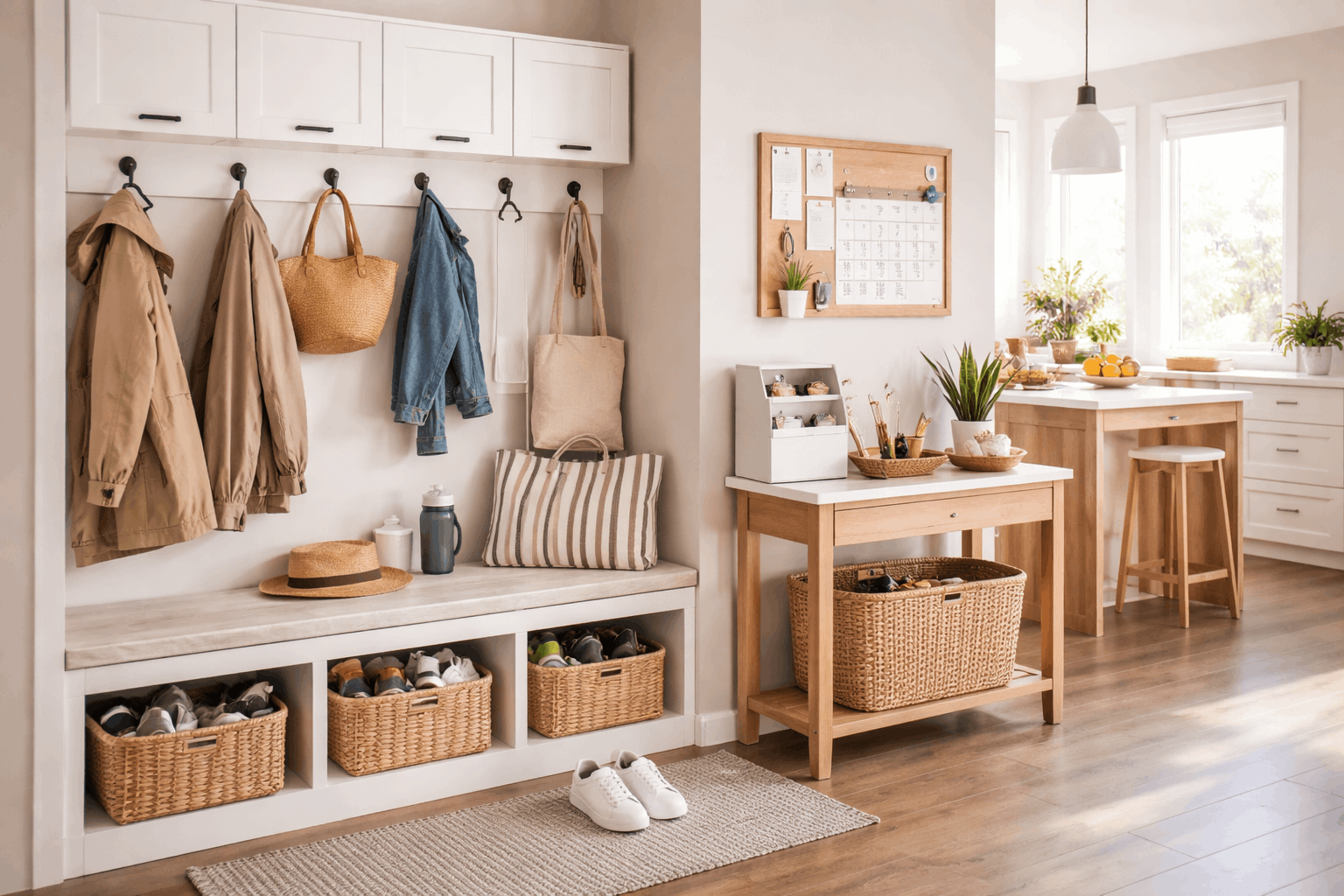
Use Simple Tech and Visual Cues
Add a shared shopping list app, a reminder timer for weekly resets, or a calendar hook that prompts planning without adding clutter.
Use visual cues like clear bins, drawer dividers, and “empty space rules” that make it obvious when something does not belong.
Treat these as light, organized home innovations that reduce mental load rather than adding more tasks to manage.
Create a “One In, One Out” Rule for Problem Categories
Pick one category that grows fast, like mugs, toys, skincare, or cables, and commit to removing one item when a new one enters.
Keep a donation bag in a closet so the rule is easy to follow, because convenience makes rules stick.
This keeps categories stable over time and strengthens your systems to stay organized without constant decluttering sessions.
Conclusion
A strong home system stays flexible because your needs, seasons, and schedules change over time.
Start today with one zone and one routine, and you will build an organized home that stays calm, functional, and easy to maintain.