Home organization is not a one-time project, it is a set of repeatable behaviors. If you are learning how to build organization habits at home, focus on small actions that fit normal days. The goal is not perfection, it is reliability when you are busy.
This guide uses a 4-week practice plan with simple routines you can repeat. You will build momentum with small wins that reduce daily mess. You will also learn how to keep habits stable after life gets hectic.
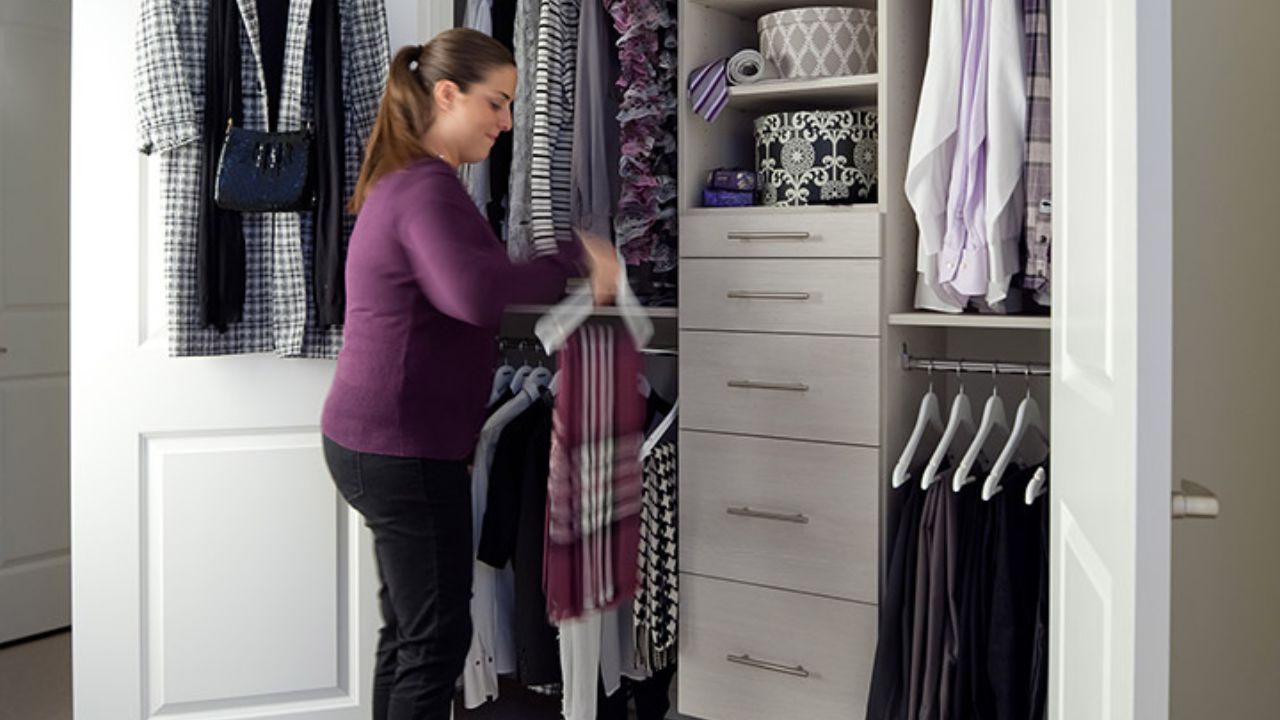
The 4-Week Practice Plan for Lasting Organization
Most homes drift into clutter because the daily workflow has no clear path. A practice plan fixes that by teaching one habit at a time, in an order that makes sense.
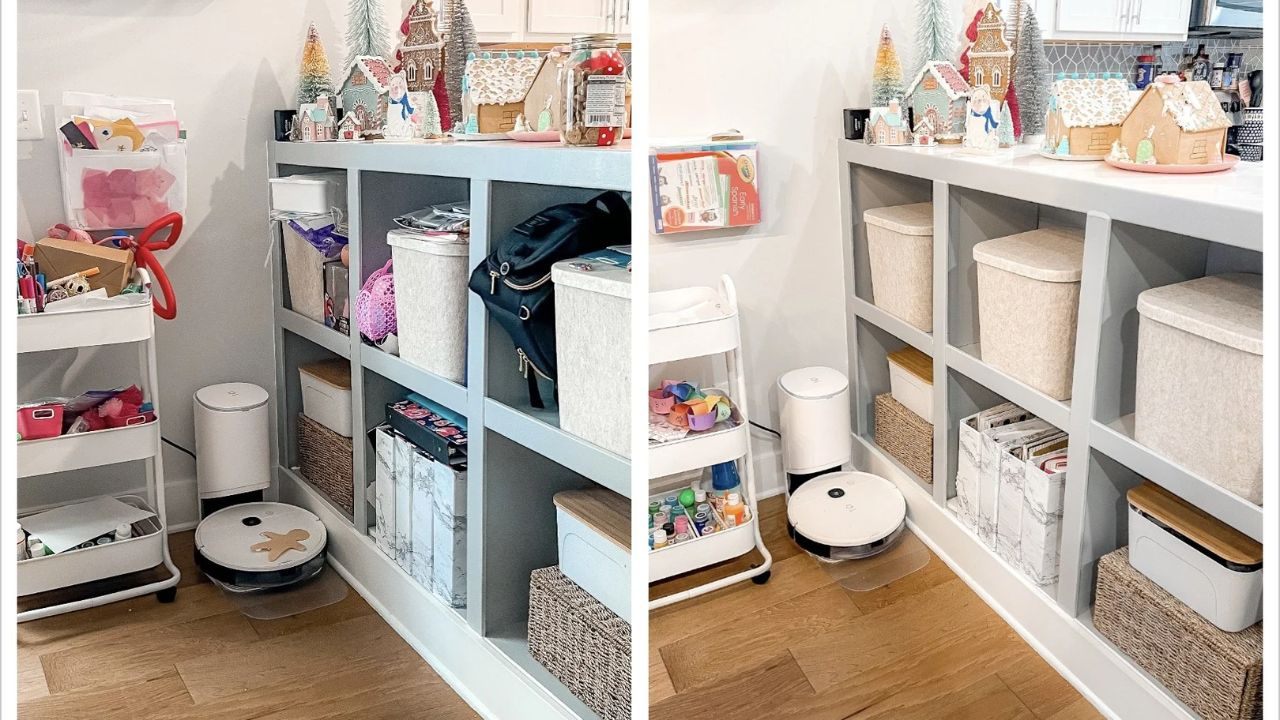
Small habits beat big reorganizations because they survive fatigue and time pressure. You will not need a new set of bins to begin.
You will need a few minutes, a clear focus, and a realistic standard. Once the habits are in place, storage becomes easier.
Why Big Re-Org Projects Usually Fail
Big reorganizations often fail because they require long attention and lots of decisions. You sort for hours, then daily life returns and the system collapses. Decision overload creates burnout and makes you avoid maintenance.
A home stays organized when the rules are simple enough to follow without thinking. If a method needs perfect labeling or constant sorting, it will not last. A habit-first plan reduces decisions by turning cleanup into short, predictable actions.
The 4-Week Setup That Makes Habits Stick
This plan works because it limits what you practice each week. You focus on one habit, in one or two zones, until it becomes automatic.
Practice beats motivation because it builds consistency even when energy is low. Choose two clutter hotspots, like the entry and kitchen, and work there first.
Keep tools visible, like a tray, a basket, or a folder, so the organized choice is easy. The goal is to make routines faster than leaving a pile.
How to Choose Your First Targets
Start with the places where clutter blocks daily tasks, not the places that look worst. Pick areas that affect mornings, meals, or getting out the door. High-impact zones include keys and bags, countertops, laundry flow, and paper piles.
Your first targets should be small enough to reset in minutes. If you start too big, you will stall and stop. A tight target gives you fast results that keep you practicing.
Give Every Item a Reliable Home
The first habit is simple but powerful: every frequently used item needs a specific home. When items have no home, they become piles on chairs, counters, and floors.
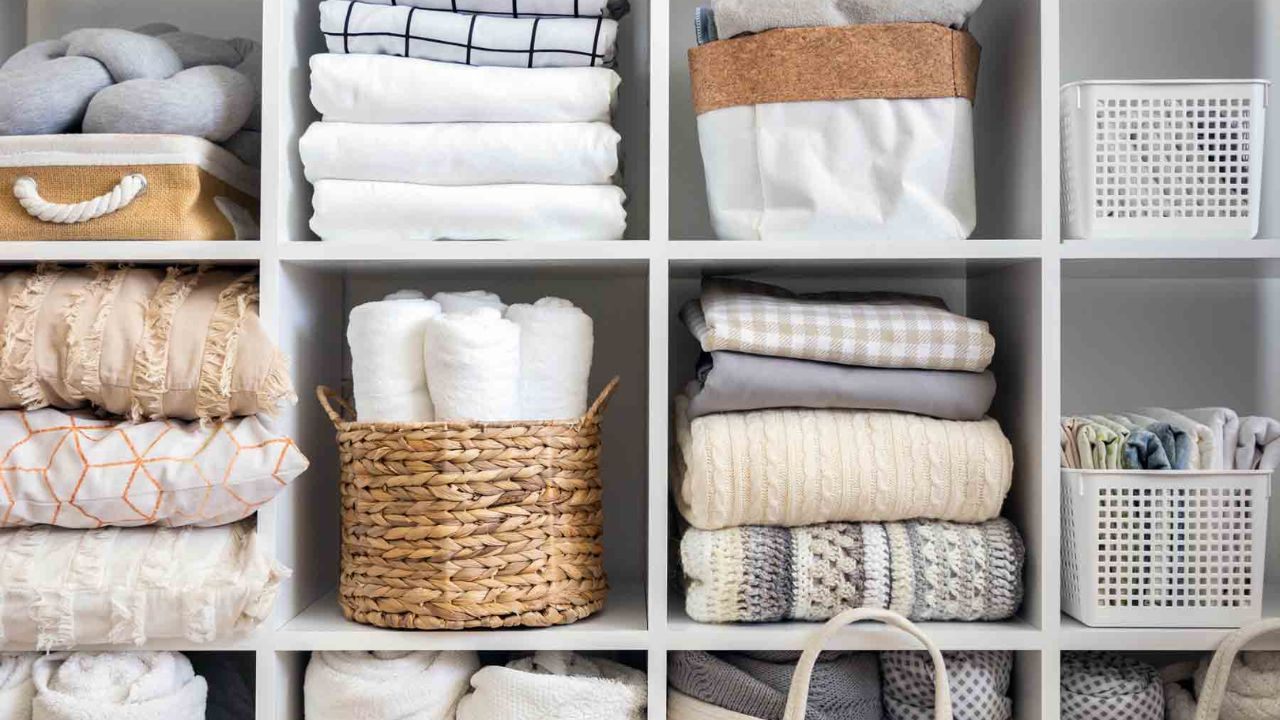
A clear home for each item reduces friction because you stop deciding where something goes. Start with the items you touch daily, like keys, mail, chargers, shoes, and cleaning basics.
You are not organizing everything yet, you are preventing the most common clutter. This habit creates the foundation for every other habit.
Choose Homes Where the Item Gets Used
A home should be near the point of use, not where you think it should live. If you always drop bags by the door, the hook belongs near the door. Point-of-use placement prevents wandering and delays.
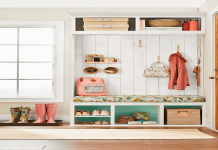
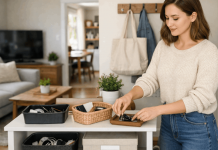
Use a small tray for pocket items, a basket for shoes, and one bin for incoming papers. Keep it visible at first so it becomes automatic. Once the behavior sticks, you can move storage into a drawer if you prefer.
Fix the Top 3 Homeless Item Types
Most homes have repeat offenders that never find a consistent place. These are usually mail, cords, and clothes that are worn once. Repeat clutter categories need simple containment, not complicated sorting.
Use one paper tray for anything that needs action. Use one small box for chargers and cables. Use one basket for rewear clothes, so they do not spread across furniture. When these three categories have homes, the home feels calmer fast.
Build a “Put Away Path” That Takes One Trip
If putting things away takes multiple trips, you will skip it. Create a short path that returns items to their homes in one loop around the space. One-trip put away works best with a carry basket for items that belong elsewhere.
Collect first, then deliver once, instead of bouncing between rooms. Keep the path the same each time so it becomes routine. When the loop is fast, you will do it even on tired evenings.
Use a 2-Minute Micro-Reset at Trigger Times
Once items have homes, you need a routine that keeps them returning there. A micro-reset is a short cleanup that prevents mess from stacking.
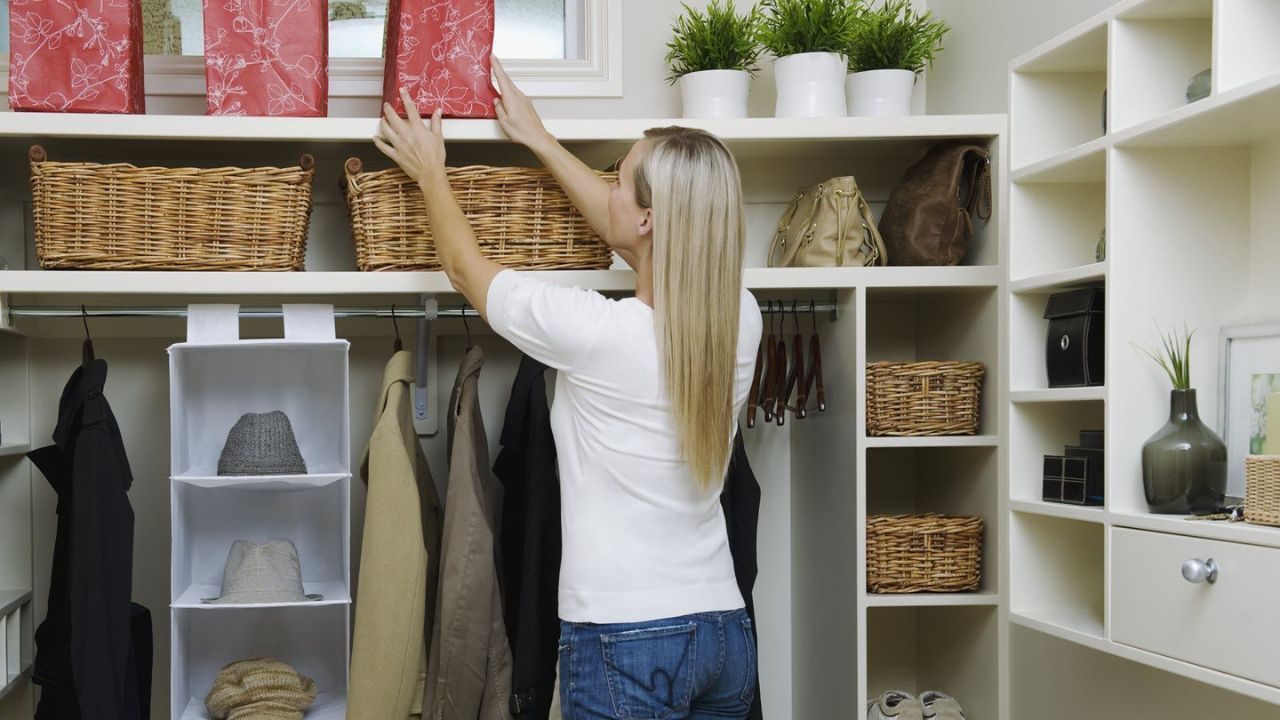
Trigger-based resets work because they attach to moments that already happen, like after dinner or before leaving. You are not cleaning the house, you are restoring function.
These resets keep surfaces usable and reduce the chance of weekend cleanup marathons. Two minutes is enough to stop clutter from spreading.
Pick Trigger Times That Fit Your Day
Choose two trigger times, one during the day and one in the evening. Common triggers include arriving home, finishing a meal, or ending work. Reliable daily triggers create automatic behavior because you do not have to remember.
When the trigger happens, set a timer for two minutes. Put away only the obvious items and clear one surface. Stop when the timer ends, even if more remains, because consistency matters more than volume.
Use a Simple Order of Operations
A reset fails when you bounce between tasks and lose focus. Use the same order every time: trash, dishes, items back to home, then quick surface wipe if needed. A fixed reset sequence keeps you moving and prevents distraction.
Start with what removes visual clutter fastest, like trash and dishes. Then return items to their homes using your one-trip path. This order keeps the reset short and repeatable, which is the whole point.
Make the Reset “Lazy Proof” With Easy Tools
Micro-resets become easier when tools are ready and close. Keep a small bin, a cloth, and a trash bag in the busiest zone. Low-friction tools reduce excuses because you do not need to search for supplies.
If laundry is a frequent issue, place a hamper where clothes actually land. If paper piles up, keep the action tray visible. When the tools are in reach, the reset becomes the default choice.
Set Container Limits So Clutter Cannot Spread
After two weeks, your home will feel more controlled, but clutter can still grow if categories expand.

Container limits stop that by defining how much space a category is allowed to take. Container limits prevent creep because overflow becomes a clear signal to reduce.
This habit also makes maintenance easier because you always know what fits. You do not need many containers, you need the right size and the right location. The container becomes the rule, not your willpower.
Assign One Container per Category in Each Zone
Choose categories that cause the most chaos, like toys, pantry snacks, cleaning supplies, or cords. Give each category one container in the zone where it is used. One-container categories make cleanup fast because everything has a boundary.
If a category does not fit, you decide what to remove or relocate. Avoid splitting one category across multiple hidden locations, because that creates duplicates and confusion. A single container makes it obvious what you own and what you use.
Decide What to Do When a Container Overflows
Overflow is not a failure, it is information. When a container overflows, choose one of three actions: reduce items, upgrade the container, or move extras to a less convenient backup spot.
Overflow decision rules prevent piles from returning. Reducing items is usually the easiest and fastest choice.
Upgrading the container works when the category is essential and used often. Moving extras works for backups, but keep them out of the prime zone so daily areas stay clear.
Balance Visible Storage and Hidden Storage
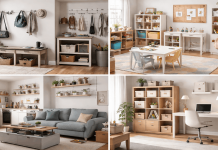
Visible storage supports habits because it reduces searching and reminds you where items go. Hidden storage looks cleaner, but it can hide clutter and create overbuying.
Smart visibility choices use visible storage for daily items and hidden storage for backups.
Keep the most used items in the easiest spot, like eye-level shelves or top drawers. Place rarely used items higher or deeper so they do not crowd prime space. This balance keeps your home looking calmer without losing function.
The Weekly Reset Appointment and the Monthly Edit
Daily habits keep order, but weekly and monthly routines protect the system long-term. A weekly reset prevents small drift from becoming a full mess.

A monthly edit removes what no longer fits your life, so storage stays realistic. Maintenance routines protect progress because they catch problems early. These routines do not need to be long, they need to be scheduled.
When they are on the calendar, they happen more often. That is how organized homes stay organized.
A Weekly Reset Appointment You Do on Purpose
Choose a consistent day and time, then treat it like an appointment. Use 20 to 30 minutes to reset the two zones that drift most, like the kitchen and entry.
Weekly reset scheduling works because it removes debate about when to do it. Follow a simple script: clear surfaces, return items to homes, empty catch bins, and handle paper tray items.
If you live with others, assign one micro-task per person. A short weekly reset keeps the home stable without big cleanup days.
A Monthly Edit That Keeps Categories Under Control
Once a month, review one category that tends to expand, like clothes, pantry items, or kids’ stuff. Use the container limit as your guide and remove what does not fit.
Monthly category edits prevent slow accumulation that breaks your system. Keep the edit tight by choosing one category, not the whole home.
Relocate items you still want but do not use daily. Donate or recycle what you no longer need, so storage stays breathable and functional.
How to Keep Habits Consistent When Life Gets Busy
Busy weeks are when habits prove whether they are real. Use minimum versions that you can complete even on low-energy days. Minimum viable habits include a two-minute reset, one drop zone check, and a weekly reset that is shortened.
If you miss a day, restart the next day without trying to catch up all at once. The goal is a steady rhythm, not a perfect streak. When you return quickly, your home recovers quickly too.
Conclusion
Organization at home becomes easier when it is built through practice, not through complicated systems. Start by giving daily items a clear home, then protect those homes with micro-resets at trigger times.
Habits create predictable order even when schedules change. With a few weeks of repetition, the routines begin to feel automatic. That is when your home starts staying organized on its own.