A home can quietly waste time when everyday items do not have clear places to return to. Keys disappear, chargers move from room to room, ingredients hide behind duplicates, and laundry piles delay simple routines.
Home organization that saves time is not about making the house look perfect. It is about reducing daily searches, shortening cleanup, and creating systems people can follow on busy days.
The most useful changes are usually small. A better drawer layout, a visible mail spot, a labeled basket, or a weekly reset can remove repeated friction. This guide focuses on practical storage, room-by-room habits, and maintenance routines that help a household move faster without complicated rules.
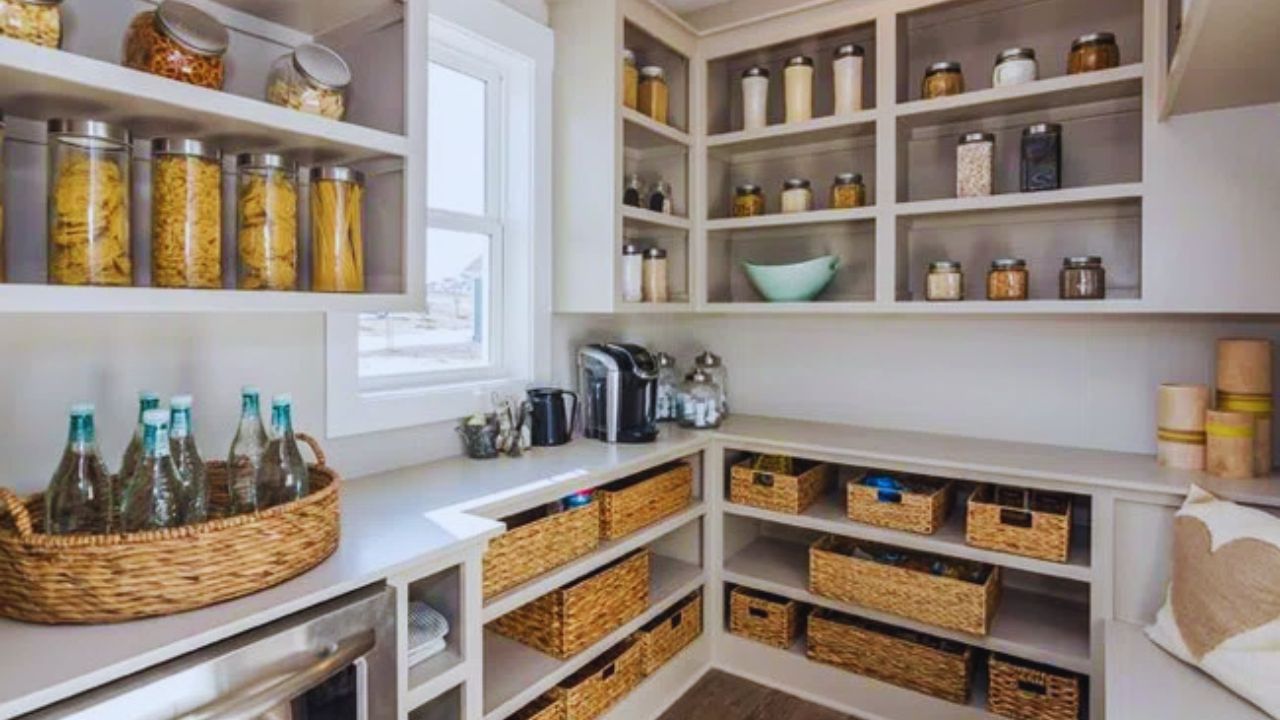
Start With the Places That Waste the Most Time
Before buying containers, notice where time is lost. It may be the entryway before school, the kitchen during dinner prep, the laundry room after washing, or the bathroom during rushed mornings. These daily friction points should be organized first because the results are felt immediately.

Start with one problem area and ask what slows it down. Are items hard to see? Are duplicates crowding the space? Are frequently used things stored too far away? The answer will guide the setup better than copying a storage idea made for another home.
Give Everyday Items a Fixed Home
Time is saved when common items always return to the same place. Keys, wallets, school papers, reusable bags, chargers, medication, and cleaning tools should have assigned homes near where they are used. A fixed home prevents repeated searching and makes cleanup faster.
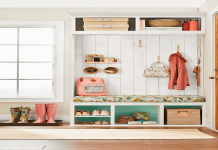
The location should be obvious and easy to reach. If people keep dropping bags near the door, add hooks or a bench there. If mail lands on the kitchen counter, create a small inbox in that area.
Reduce What You Have to Search Through
Too many items make every task slower. A crowded drawer, pantry, closet, or cabinet forces you to move things before finding what you need. Reducing duplicates and unused items creates faster access without requiring a major renovation.
Start by removing expired products, broken tools, extra cords, old papers, worn linens, and items that no longer fit your routine. Keep what you use often and move seasonal or rarely used items to less active spaces.
Also Read: How to Maintain Organization With Minimal Effort
Choose Storage That Makes Retrieval Easy
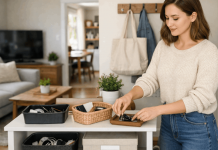
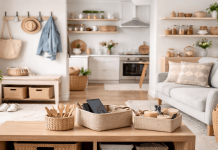
Storage should shorten the path between needing something and using it. Clear bins, shallow baskets, drawer dividers, turntables, hooks, and risers work best when they match the way the household moves. The goal is easy retrieval, not just a neat shelf.
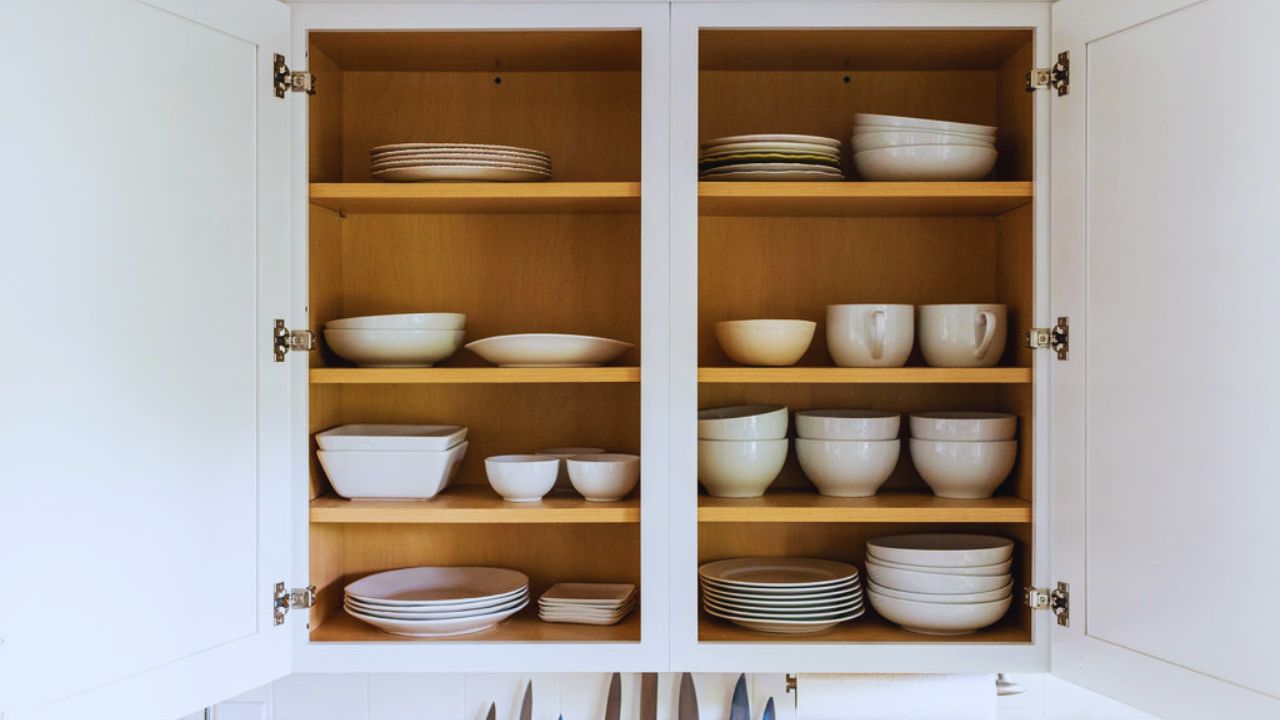
Avoid containers that add extra steps. If a box has a tight lid and sits behind other items, it is not useful for daily essentials. Save that storage for seasonal items, keepsakes, or backup supplies.
Make Drawers and Cabinets Work Harder
Drawers become faster to use when items are divided by purpose. In a kitchen or office, trays can separate scissors, tape, batteries, pens, and chargers. In bedrooms, dividers can keep socks and accessories from mixing into one pile.
Cabinets need the same logic. Turntables help with oils, sauces, spices, and condiments because labels stay visible. Vertical dividers keep lids, trays, and cutting boards upright. These cabinet systems reduce stacking, digging, and forgotten items.
Use Vertical Space Without Overcrowding
Walls, doors, and tall shelves can save floor space, especially in small homes. Over-door organizers can hold pantry items, cleaning supplies, accessories, or lightweight bathroom products. Hooks near the entry can keep bags and jackets off chairs and floors.
Still, vertical storage should not fill every blank wall. Leave enough open space so rooms feel usable and items remain easy to return. Good vertical storage supports movement instead of making the home feel packed.
Organize Rooms Around Real Routines
Each room should be organized around what actually happens there. The kitchen should support cooking and cleanup. The bathroom should support fast grooming. The entry should support leaving and returning. This keeps storage connected to real routines instead of appearance.
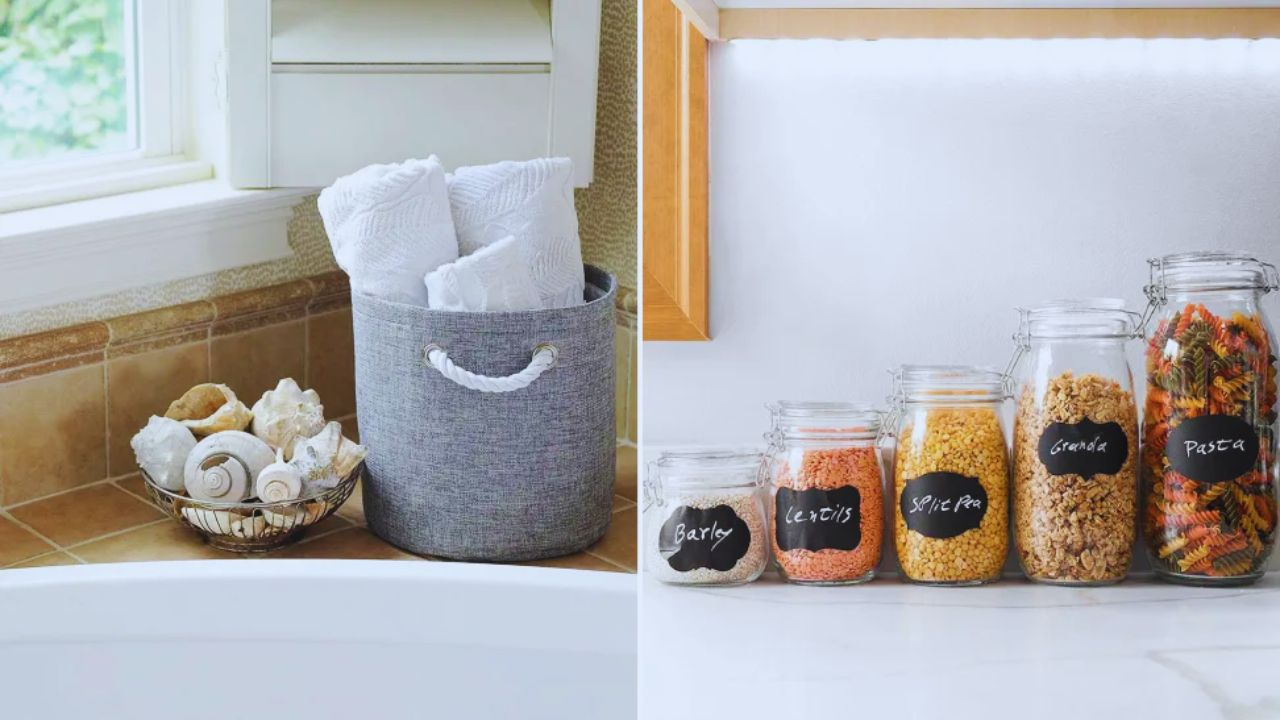
In the kitchen, keep daily dishes near the dishwasher or dining area, cooking tools near the stove, and pantry items grouped by use. In the bathroom, store daily products in one reachable drawer or tray and keep backups separate.
Keep Paper From Slowing the Household
Paper clutter wastes time because it creates delayed decisions. Mail, receipts, school forms, coupons, and warranties can spread quickly if there is no landing place. A simple paper system should include one visible inbox and a short weekly review.
Open mail near recycling when possible. Keep papers that need action in one spot, file records in another, and discard what is not needed. This paper control prevents morning searches for forms, bills, or permission slips.
Make Kid, Pet, and Tech Areas Easier to Reset
Children, pets, and devices create small messes that repeat every day. Low bins with simple labels can help children return toys and school items. A towel hook, mat, or basket near the door can control leashes and outdoor gear.
Tech items also need limits. Keep chargers, remotes, headphones, and cables in one drawer or caddy near where they are used. This tech storage prevents cords from spreading across counters, sofas, and bedrooms.
Maintain Order With Short Weekly Resets
Organization only saves time when it is maintained. A short weekly reset can keep clutter from becoming a full project again. Focus on returning stray items, clearing surfaces, restocking basics, and checking one small area that tends to drift.
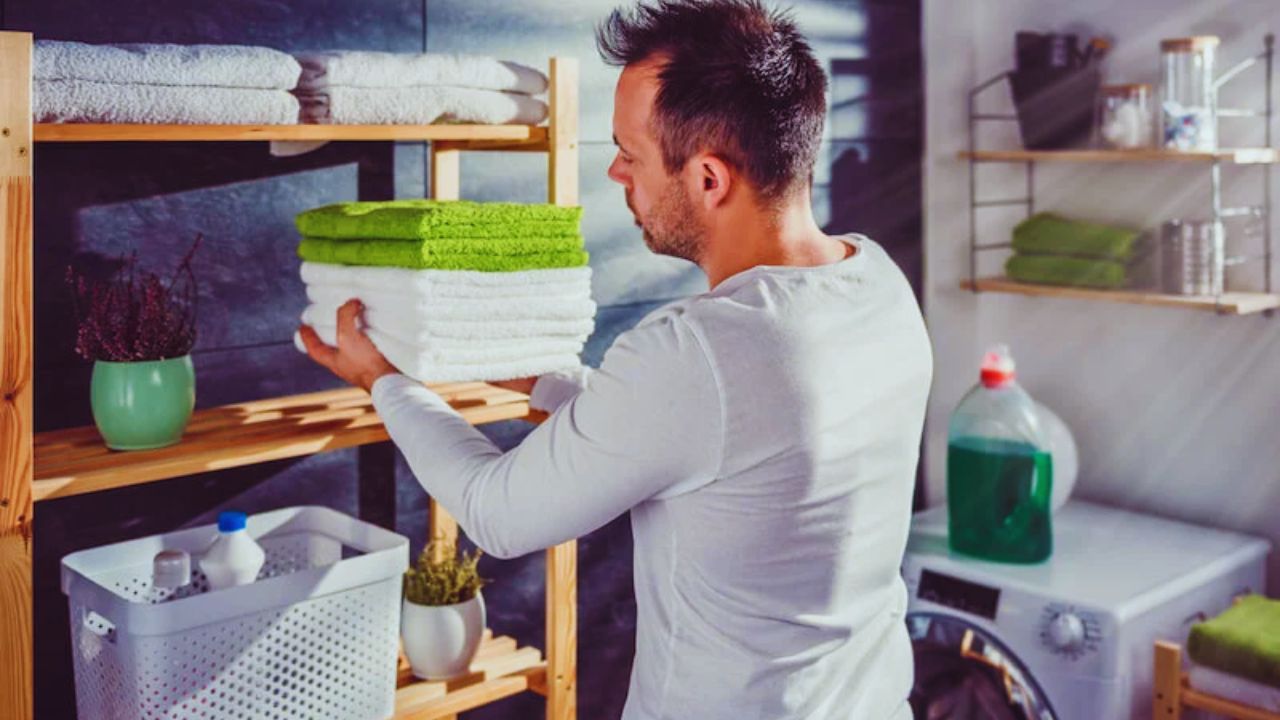
This reset should be realistic. Thirty minutes is enough for many homes if items already have homes. Rotate the focus each week: a freezer shelf, bathroom drawer, car trunk, pantry bin, or entryway basket. Small resets protect organized spaces without requiring a weekend cleanup.
Fix Systems That People Avoid Using
If an area keeps getting messy, the system may be too hard to follow. A lidded bin may need to become an open basket. A deep basket may need to become a shallow tray. A label may need clearer wording.
Treat these problems as feedback. The best storage setup is the one people actually use. Adjust location, size, access, or category before assuming the household is the problem.
Conclusion: Build Systems That Give Time Back
Home organization saves time when it reduces searching, prevents pileups, and makes cleanup easier to repeat. Start with the rooms and routines that slow your day the most, then choose storage that keeps important items visible and reachable.
The goal is not to build a flawless home. It is to create a practical household rhythm where items are easier to find, surfaces recover faster, and routines take less effort.