Busy schedules make it easy to ignore small messes until they become damage. Learn how to prevent damage with simple maintenance using habits you can repeat. Focus on moisture, friction, buildup, and storage because they drive most wear.
Small checks beat big cleanups when time is tight. Each section includes one product that supports the step. Follow the routine and your home stays easier.
Start With A Quick Damage Prevention Checklist
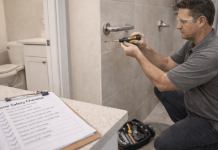
Damage prevention starts with noticing small risks before they become repairs. A weekly scan works because it targets the issues that cause most breakage.
Think in triggers, not rooms so you do not waste time bouncing around. Use a Klein Tools 25-Foot Tape Measure to catch overstuffed drawers that strain hinges. Keep the checklist short enough to finish fast. With consistency, you catch problems early.
The Four Damage Triggers To Watch Weekly
Most household damage starts with four triggers you can spot fast. Moisture shows up as smell, peeling, or soft edges near seams. Friction appears as scuffs, pilling, and dull patches on finishes.
Buildup looks like sticky film, haze, or gritty residue you can feel. Storage strain is the silent trigger when shelves bow and lids do not close. When you name triggers, you stop guessing.
The Fast Scan That Catches Problems Early
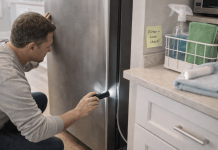
Run the scan the same way every week to keep it quick. Start at the entry, then the sink zone, then the shower zone. Look for damp items, sticky handles, and grit on your path.
Open one cabinet and one drawer to spot jams or leaning stacks. You are checking for risk, not perfection so do not start deep cleaning. Fix only what is obvious.
Keep A Simple Maintenance Log For Repeat Issues
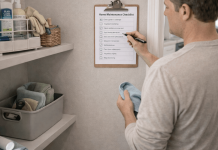
A small log keeps you from repeating the same fixes each month. Write one line when you notice a recurring issue, like a damp cabinet. Track what you changed, not every detail of the cleaning.
Patterns make decisions easier because you can invest in prevention once. A Rite in the Rain notebook fits in a utility drawer. Review the notes before your next scan.
Stop Moisture Damage Before It Spreads
Moisture causes swelling, odor, and peeling finishes faster than most messes. Dry, vent, and store items only when they are truly dry.

Airflow is your lowest effort tool because it prevents problems without scrubbing. A Lasko Air Circulator speeds drying in a bathroom or laundry corner.
Do not chase every drop, control the damp zones that repeat. Less moisture also reduces stains and residue.
Bathroom And Kitchen Hotspots To Check First
Hotspots are places where water sits and airflow is weak. The sink cabinet, the dishwasher edge, and the area behind the toilet are common. Check shower corners, bath mats, and the line where the tub meets the wall.
Seams are where damage starts because water collects and materials swell. After cooking, wipe the splash strip behind the sink. These small checks prevent slow, hidden damage.
Use The Dry Then Store Rule For Daily Items
Dry then store is a rule that protects almost everything. Towels should hang open until they feel dry through the layers. Reusable bottles and lunch containers should air out before lids go on.
Closed storage traps moisture and turns a clean item into an odor problem. An OXO Good Grips Dish Rack adds airflow for small items. When items dry fully, they last longer.
Measure Humidity Once So You Stop Guessing
If a room feels damp often, measure it once so you stop guessing. A hygrometer shows when humidity stays high after showers or rainy days. When readings stay elevated, vent briefly or run airflow longer.
Data keeps you honest because it shows whether your routine is working. The ThermoPro TP50 works for bathrooms and closets. Use the reading to guide vent time, not to obsess.
Prevent Scratches By Using The Right Contact Habits
Scratches and dents come from grit, dragging, and rough tools, not daily use alone. Reduce abrasion at contact points and move items safely.
Friction damage is preventable when you control what touches what. Gorilla Grip Felt Pads protect chair and table legs without changing your layout.
Pair them with quick grit removal at the entry. When surfaces stay smooth, cleaning stays easier.
Protect The Contact Points That Move Every Day
Start by protecting the contact points that move every day. Chair legs, stools, and side tables create scratches because they shift often. Check appliance feet, especially under a washer, since vibration grinds grit into floors.
Grit acts like sandpaper when it sits under heavy items. Clean under these points occasionally, then keep pads in place. This is a quick fix with a long payoff.
Adopt A No Drag Habit When Moving Items
Dragging is a fast way to create permanent marks. When you move furniture, lift slightly or use sliders instead of pulling. Plan the path first so you do not pivot and scrape.
Slow movement prevents sudden gouges when a leg catches grit. WEN Furniture Sliders make moves smoother on tile and wood. After moving, sweep the lane you used quickly.
Use Cleaning Tools That Do Not Scratch Finishes
Cleaning can cause scratches when tools are too rough for the surface. Avoid abrasive pads on glossy finishes and skip dry wiping on dusty glass. Dampen the cloth first so particles lift instead of dragging.
Gentle tools protect finishes while still removing grime. Casabella Wayclean Microfiber Cloths work well for a light first pass. If you feel grit, rinse the cloth before continuing.
Reduce Buildup That Leads To Stains And Dull Finishes
Buildup is film that turns a wipe into scrubbing that damages surfaces. Remove residue early using light pressure and a short finish step.
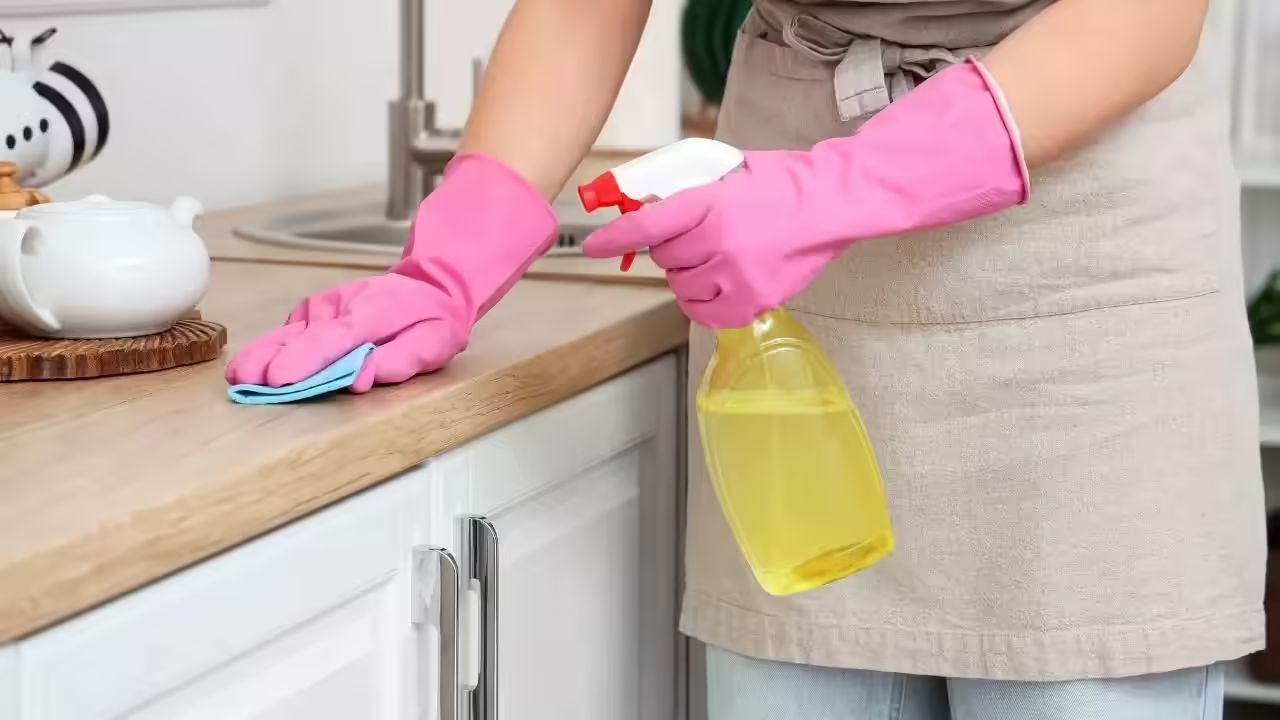
Early removal preserves surfaces because you do not have to grind at stains. Bar Keepers Friend Soft Cleanser helps on sinks and cooktops. Rinse well, then dry, so new residue clings less. Your daily areas stay cleaner with less work.
Target High Touch Zones Where Film Builds Fast
High touch zones collect residue because they see oils, soap, and splashes. Focus on faucet bases, cabinet pulls, light switches, and the strip behind the sink. Wipe the stove edge where splatter lands and bakes in.
Sticky spots attract more dirt so they grow fast when ignored. Use a damp cloth first, then a quick dry pass. Targeting these zones keeps rooms looking maintained.
Finish With A Rinse And Dry Step
Rinse and dry is the finishing move people skip, and it matters. Cleaner left on a surface can leave haze, and water left behind creates spots. Rinsing removes loosened residue so it does not resettle as film.
Drying locks in the result because surfaces stay less tacky. Keep a dry cloth for this step. When the finish is clean, the next wipe is faster.
Prevent Mineral Buildup With A Light Monthly Cycle
Mineral buildup bonds over time and then needs harsher effort. If you see white crust near a faucet or showerhead, address it early. Do a targeted clean once a month instead of waiting for thick deposits.
Light cycles prevent heavy scraping that can scratch chrome and tile. Lemi Shine Dishwasher Cleaner is a simple monthly add on. The goal is steady prevention, not aggressive repair.
Store Items To Prevent Breaks, Bends, And Missing Parts
Storage is maintenance because how you put items away shapes their lifespan. Overcrowding bends tools, cracks plastics, and loses small parts.
Sort by frequency so daily items stay accessible and do not get crushed. Proper storage prevents accidental damage more than most people expect.
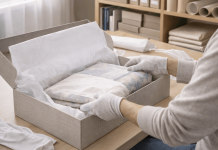
IRIS WeatherPro Storage Boxes protect seasonal items from dust and moisture. Clear storage also makes cleaning faster.
Store By Frequency To Reduce Breakage
Frequency based storage reduces damage and frustration. Put everyday items at waist height so you are not dropping them from shelves. Keep occasional items in labeled bins so you are not digging and knocking items over.
Easy access prevents rushed handling that causes chips and cracks. If a shelf feels crowded, remove one category and relocate it. The goal is fewer touches, not more storage.
Keep Parts Together So Items Stay Usable
Missing parts make an item useless, so group components as a set. Store attachments and small screws in one container near the main item. Label the container so anyone can return parts after use.
Complete sets prevent repeat purchases because you stop replacing things you own. A Plano StowAway Organizer works for pieces that vanish in drawers. This habit helps with tools and kitchen gadgets.
Avoid Stacking Pressure That Warps And Cracks Items
Stacking pressure causes bends, warps, and cracked corners over time. Avoid piling heavy items on plastic bins, soft packages, and boxed appliances. Use dividers so items stand upright instead of leaning and collapsing.
Weight management protects shape which keeps lids sealing and parts fitting. Whitmor Shelf Dividers help closets and cabinets stay stable. If you must stack, keep heavy items at the bottom.
Conclusion
Simple maintenance works when it prevents damage, not perfection. Moisture, friction, residue, and storage habits cover most problems. Small routines protect your budget because you replace fewer items and avoid surprise repairs.
Keep the weekly scan short, then fix one clear issue. Repeat the same steps and your home stays stable. Use how to prevent damage with simple maintenance as your default.