
In facilities and production environments, small lapses become major invoices. Noise in a bearing, a dusty filter, or a loose belt can escalate into a shutdown and an early swap-out that never needed to happen.
A preventive maintenance plan keeps assets in spec, reduces emergency callouts, and stabilizes costs across seasons. In many organizations, unplanned downtime still arrives monthly and wipes out schedules.
Predictable routines, structured inspections, and sane spare-parts rules keep the worst surprises off the calendar. The goal is reliability that feels boring in the best way possible.
Why Proactive Care Reduces Emergency Spend
Maintenance teams carry the blame when a chiller fails in July or a compressor quits on a night shift. Reactive work multiplies labor costs, rush shipping, and tenant or customer complaints. ‘
Preventive tasks such as lubrication, cleaning, tightening, and calibration help components last closer to their design life. Five-figure events like a $15,000 HVAC repair become rare when airflow stays clear, belts track correctly, and coils stay clean.
Budget predictability improves because teams decide when to service equipment rather than letting failures dictate timing. Predictable work also improves safety since technicians operate under controlled conditions rather than scrambling around energized or overheated machinery.
What Preventive Maintenance Means
Preventive maintenance is a planned, recurring set of tasks that keeps equipment operating within acceptable tolerances. Intervals can be time-based, usage-based, or triggered by a measured condition.
Activities include cleaning, lubrication, adjustments, and minor part replacements that prevent drift, heat, vibration, and contamination. The point is not perfection; the point is steady performance and fewer surprise breakdowns.
Types Of Preventive Maintenance
Planning improves when terms match reality on the floor. These models help you pick appropriate triggers and avoid over-servicing.
Create a simple matrix that maps each asset to one primary strategy and a backup trigger. Matching trigger to failure mode keeps schedules lean and aligned to risk. Document the rule in the work order so technicians understand why timing matters.
Time-Based Maintenance
Tasks occur at fixed intervals such as monthly, quarterly, or annually. Examples include seasonal HVAC inspections, biannual vent cleaning, and annual emergency-lighting tests. This method fits assets that age predictably and tasks the manufacturer specifies on a calendar.
Usage-Based Maintenance
Work triggers after a defined count of hours, cycles, or miles. Oil changes at specific hours, press inspections after a set stroke count, or forklift service at mileage thresholds fall here. Usage aligns work to wear, which avoids both early replacements and late repairs.
Condition-Based Maintenance
Sensors or inspections identify drift before failure. Temperature, vibration, oil quality, and pressure trends reveal problems forming inside bearings, gearboxes, and pumps. A warning threshold creates a work order so the team intervenes during a planned window.
Predictive Maintenance
Analytics and models forecast failures ahead of condition alarms. Data patterns highlight the exact component and likely timeframe, which tightens planning and parts staging. Predictive maintenance savings can reach double-digit cost reductions when the data set is mature, and teams act on signals promptly.
Prescriptive Maintenance
Advanced systems not only predict but also recommend actions and generate the work. This approach suits high-criticality assets where uptime value justifies software, sensors, and integration effort.
Core Elements Of a PM Plan
Standard elements keep the work consistent across shifts and locations. Treat these as services that protect reliability rather than paperwork to satisfy audits. A short note on each element inside the job plan helps technicians deliver the same result every time.
Testing
Verify performance against benchmarks so drift is visible early. Electrical load tests, airflow measurements, and thermal readings confirm that specs still hold.
Servicing
Lubrication, replacements of consumables, and cleaning tasks keep friction, heat, and fouling under control. Good service preserves clearances and surface finishes that components need to survive.
Calibration
Restore instruments and controls to defined tolerances. Calibrated inputs and outputs prevent nuisance trips, poor mixing, and energy waste.
Inspection
Look, listen, and feel for wear patterns, leaks, and looseness. Internal parts degrade before they fail, so regular inspection catches the telltale signs during normal hours.
Adjustment
Re-tension, re-seat, or re-align components that move out of spec. Small adjustments today prevent fractured bolts and seized bearings tomorrow.
Alignment
Ensure shafts, pulleys, and couplings share the same centerline. Misalignment multiplies vibration and heat that shorten bearing life.
Installation
Start clean and correct. New assets must be installed to spec, documented, and loaded into the schedule so preventive tasks begin on day one.
Benefits and Tradeoffs
Organizations that schedule maintenance see fewer breakdowns, healthier safety stats, and lower variability in monthly spend. Asset lifecycle extension becomes noticeable when filters stay clean, lubrication is correct, and belts and chains track under alignment.
Predictive approaches can reduce maintenance costs in the 18 to 25 percent range in data-rich programs, while condition monitoring cuts unplanned downtime rates.
Independent reports also show many plants losing roughly a day of production each month to unplanned stops, which proactive care can shrink.
Preventive Programs
Preventive programs still carry costs. Inspections take time, spares tie up cash, and over-maintenance remains a risk. The fix is disciplined triggers, short checklists that target real failure modes, and reviews that prune tasks delivering little value.
A quick case snapshot: Solmet Group reported completing maintenance tasks five times faster after deepening its preventive approach, which lowered downtime and surfaced issues earlier. That is the pattern to replicate through leaner routes, clearer job plans, and better parts staging.
Cost and Budgeting Basics
Budget allocation usually starts with last year’s reactive spend plus an inventory of asset value and criticality.
Simple actions deliver outsized returns when budgets are tight: increase lubrication frequency on hot-running assets, clean ventilation paths that starve motors, and train operators for basic checks that prevent misuse damage.
Costing work orders inside a CMMS clarifies labor and parts trends so leaders can reallocate spending toward tasks that actually prevent failures.
How To Implement a Practical PM Program
Teams move faster when the plan is specific, measured, and supported by tools. The steps below align with daily realities in plants and buildings, not theory.
Set the scope for the first quarter. Pick a mix of high-impact assets, define triggers, and build short job plans. Review results monthly and tune intervals and steps rather than locking them for a year.
Define Clear Maintenance Goals
Select goals that matter: higher uptime, energy efficiency, fewer safety incidents, or reduced overtime. KPIs such as mean time between failures, mean time to repair, and planned-versus-unplanned ratios keep progress visible.
Prioritize Critical Assets
Rank equipment by safety, production impact, and replacement cost. Failure Mode and Effects Analysis helps map real failure paths so tasks target causes that matter.
Create Procedures and Checklists
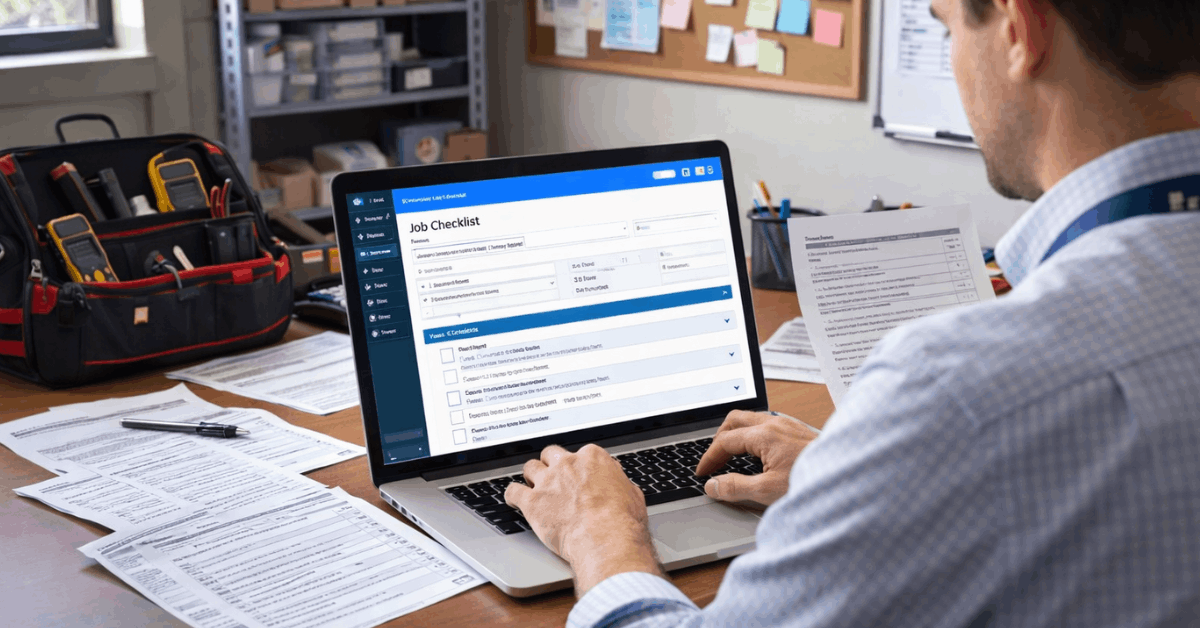
Write concise, stepwise checklists that name tools, measurements, acceptable ranges, and safety notes. A preventive maintenance checklist builds consistency across shifts and reduces avoidable misses.
Train The Team
Equip technicians on the method and purpose. Cross-training prevents schedule gaps during absences. Vendor ride-alongs accelerate internal expertise on complex systems.
Create A PM Schedule
Combine time-based rules for inspections and usage-based rules for heavy-wear components. Calendar clarity reduces conflicts with production and allows better parts staging.
Use A CMMS For Work Orders
CMMS work order management routes tasks to the right person, captures history, and generates reminders so nothing drifts off the plan. Mobile access improves compliance and shortens data entry after jobs.
Review KPIs and Optimize
Close the loop each month. Retire tasks showing no effect, increase frequency where drift continues, and capture lessons that improve future work.
Examples That Prevent Replacements
Real-world checks keep the list tangible and defendable. Short cycles on critical utilities, cold storage, vehicles, and buildings remove the most common early-failure triggers.
HVAC Preventive Maintenance
Seasonal coil cleaning, filter changes, belt checks, and drain pan cleaning protect compressors from heat and liquid slugging. Airflow that meets design reduces energy waste and keeps rooms comfortable.
Critical Refrigeration Assets
Inspect door gaskets, defrost built-up ice, clear drip pans, and clean condenser coils. Monthly checks protect inventory and lengthen compressor life through stable pressures and temperatures.
Fleet Vehicles
Use mileage or engine-hour triggers for oil, filters, tire rotation, and brake inspections. Service reminders and log discipline keep fleets safe and available for core work.
Property Inspections
Walk roofs and gutters, check bathrooms for slow leaks, and test smoke alarms. Quick repairs prevent water damage, mold, and pest entry that lead to expensive structural work.

Maintenance Monday: Ten Fast Wins
Short, repeatable habits prevent the failures that drive early replacements. These fast wins take minutes and compound across a year when logged and repeated on schedule.
Quick Wins For Plumbing and Airflow:
- Don’t pour grease down drains; collect, cool, and trash it to prevent clogs.
- Report leaks early to prevent water damage to cabinetry, flooring, and drywall.
- Make sure furniture and boxes never block vents, which overwork blowers and strain compressors.
- Clear bathroom fan vents every few months to cut humidity and reduce mold risk.
- Inspect weather stripping that lets in moisture and pests, then reseal to stabilize temperatures.
Quick Wins For Safety and Kitchens:
- Test smoke detectors monthly using the built-in button and replace batteries on schedule.
- Tighten loose cabinet hardware before the screws strip and the doors tear out of the panels.
- Flip and clean range-hood filters to lower fire risk and improve airflow.
- Unclog bathroom drains gently using a plastic snake or baking soda and vinegar.
- Keep natural drain cleaners on hand and avoid harsh chemicals that etch piping.
Avoid Over-Maintenance
Too-frequent service can harm equipment through repeated disassembly, stripped fasteners, and contamination. Set intervals using manufacturer guidance, usage data, and early condition signals rather than habit.
A good rule holds: stop at the optimum point where risk and cost cross. When data shows a component survives three years, avoid replacing it every six months without evidence. Maintenance backlog reduction depends on pruning low-value tasks as much as adding high-value ones.
Integrate Data and Monitoring
Condition-based maintenance adds real-time eyes to rotating assets and heat-sensitive components. Temperature, vibration, and oil-analysis trends catch wear while there is still time to plan parts and labor.
Predictive maintenance savings reported in industry studies include 8 to 12 percent cost improvements over calendar-driven preventive programs, and broader digital reliability programs have delivered 18 to 25 percent maintenance cost reductions.
Surveys also show that large plants lose roughly 25 to 27 hours per month to unplanned downtime, while more than two-thirds of industrial firms report monthly outages. Those numbers argue for sensors on critical equipment, better analytics, and faster action on emerging issues.
Conclusion
Preventing replacements is less about heroics and more about boring, repeatable discipline. Clean air paths, correct lubrication, aligned shafts, and job plans that technicians can finish in one pass add up to fewer failures and longer asset life.
Start with a short list of critical equipment, write clear tasks, let a CMMS schedule and record the work, and review results monthly. Momentum follows once wins show up in uptime, energy, and labor hours.