When your schedule is packed, home care has to be fast and predictable. This guide shares maintenance tips for busy people who want a cleaner home without long sessions.
You will use short habits that prevent odors, buildup, and daily mess. The approach is realistic, not perfect, and it works even in small spaces.
Small routines protect your time because you avoid catch up cleaning. Use these steps consistently and your home stays easier to manage.

Build A Two Step Routine You Can Finish Every Week
A weekly routine succeeds when it is short, repeatable, and easy to start. You do not need a full house clean to keep things stable.
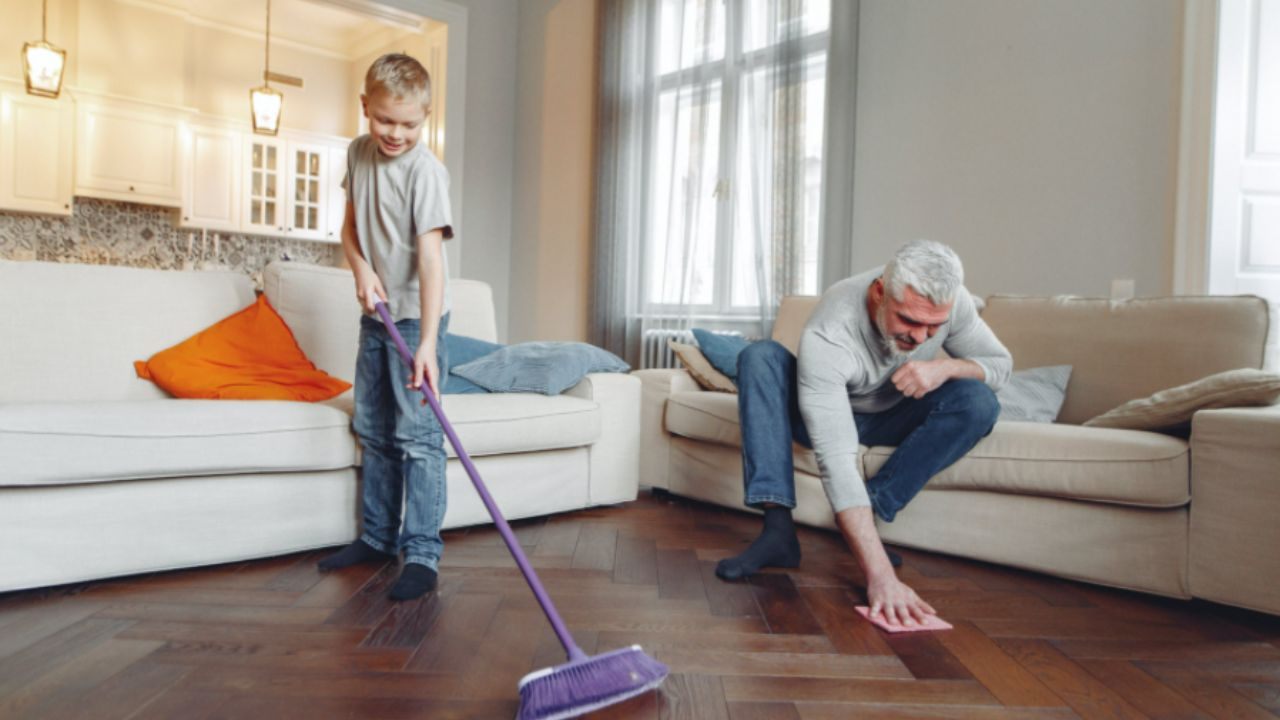
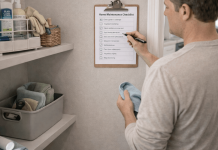
Plan two blocks: one for quick resets, one for problem spots that keep returning. A simple structure reduces stress because you always know what to do next.
A Secura 60 Minute Visual Timer helps you stay time boxed and stop overworking. Keep the routine consistent so it becomes automatic.
Use A Fixed Order So You Stop Replanning
A fixed order prevents wasted minutes deciding where to begin. Start with the kitchen, then bathroom, then laundry, then floors and entry. You are removing friction, not chasing perfection.
A predictable sequence saves time because you move without hesitation. Keep the same order every week so the habit sticks. If you miss something, you will catch it next round. Consistency matters more than intensity.
Pick A Weekly Minimum Standard That Still Works
Your minimum standard should keep your home functional on busy weeks. Define it as three outcomes: no odors, no sticky touch points, and clear walkways. Skip deep tasks unless something looks or smells off.
Minimum standards prevent backsliding when life gets hectic. This is how you stay consistent without guilt. If you exceed the minimum, treat it as a bonus. The baseline should always feel doable.
Set Up One Grab And Go Supply Spot
Busy people lose time when supplies are scattered across rooms. Keep a small caddy or bin with your core items in one spot you pass daily. That way you can wipe and reset without hunting.
Easy access increases follow through because you remove excuses. Refill it once a week during your routine. Store it where it is visible, not hidden. When supplies are ready, maintenance stays quick.
Kitchen Quick Wins That Prevent Sticky Mess
The kitchen feels messy fast because you touch many surfaces in a short time. Focus on the areas that create frustration: counters, handles, sink edges, and trash zones.
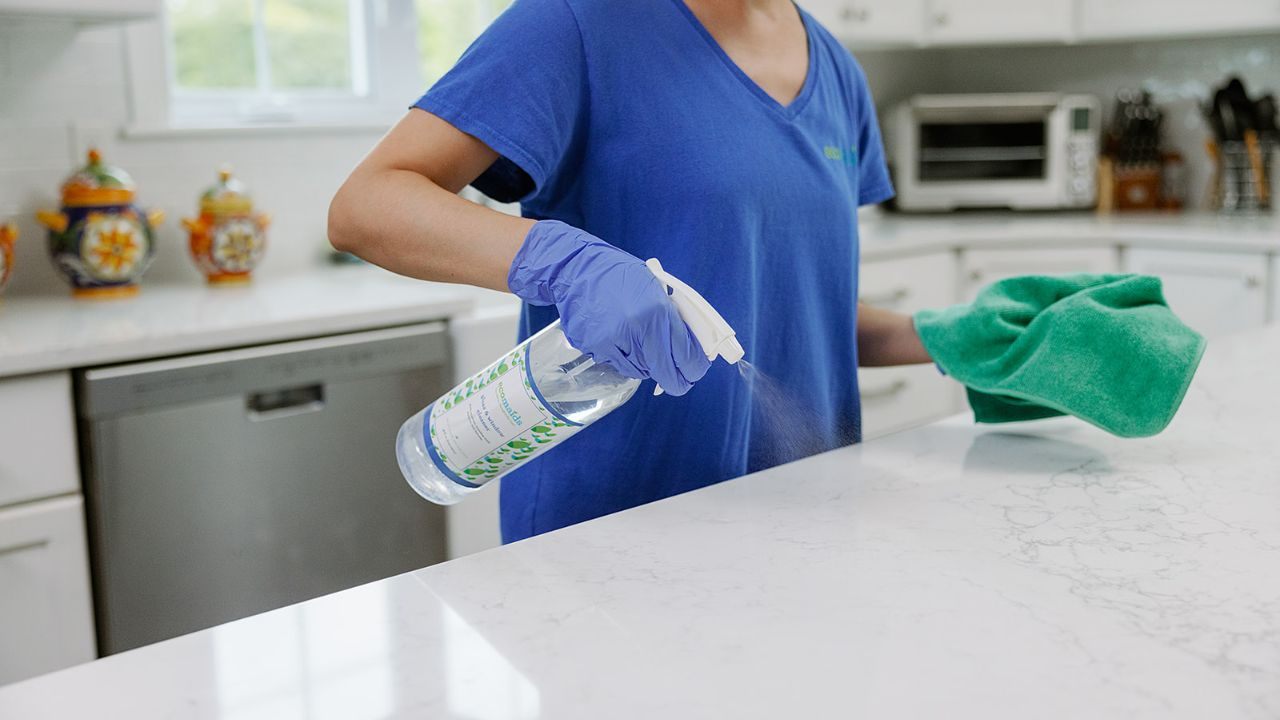
You are not cleaning the entire room, you are keeping the work surface usable. The kitchen is a high impact zone for quick maintenance because buildup forms quickly.
Dawn Powerwash Dish Spray works well for fast wipe downs when you need a simple degreasing step. Keep your actions short and repeatable.
One Minute Counter And Handle Wipe
Counters and handles collect oils and crumbs that turn into film. Wipe the main prep area and the most touched handles, then stop. Use one damp cloth for the first pass and a quick dry pass if needed.
Fast wipes prevent hard buildup that later needs scrubbing. Focus on edges near the stove and fridge handle first. Do not move every item on the counter, just wipe around essentials. This keeps the kitchen functional for the next meal.
Sink And Drain Quick Rinse Habit
Sinks start to smell when food bits and moisture sit too long. After dishes, rinse the sink, clear visible residue, and run water for a few seconds. Keep the rim and faucet base dry if you can.
A clean sink resets the room because it removes the main odor source. Avoid leaving sponges or cloths bunched up in the basin. If you cook often, repeat this at night as a final step. Small rinses prevent bigger problems.
Trash And Fridge Touch Points That Spread Grime
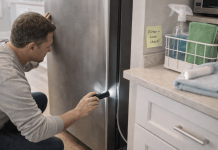
Trash lids and fridge handles spread grime because they are touched with cooking hands. Wipe the trash rim, lid, and nearby cabinet edge when you change the bag.
Wipe the fridge handle and door edge during your weekly routine. Touch points collect invisible residue that makes the whole kitchen feel dirty.
Keep the step light and fast, not a deep scrub. If something is sticky, wipe it twice instead of using force. This prevents scratches and saves time.
Bathroom Speed Maintenance That Prevents Film
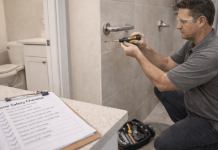
Bathrooms feel like hard work when water and soap film are left to dry repeatedly. Your goal is to reduce moisture and keep key areas from turning cloudy or sticky.
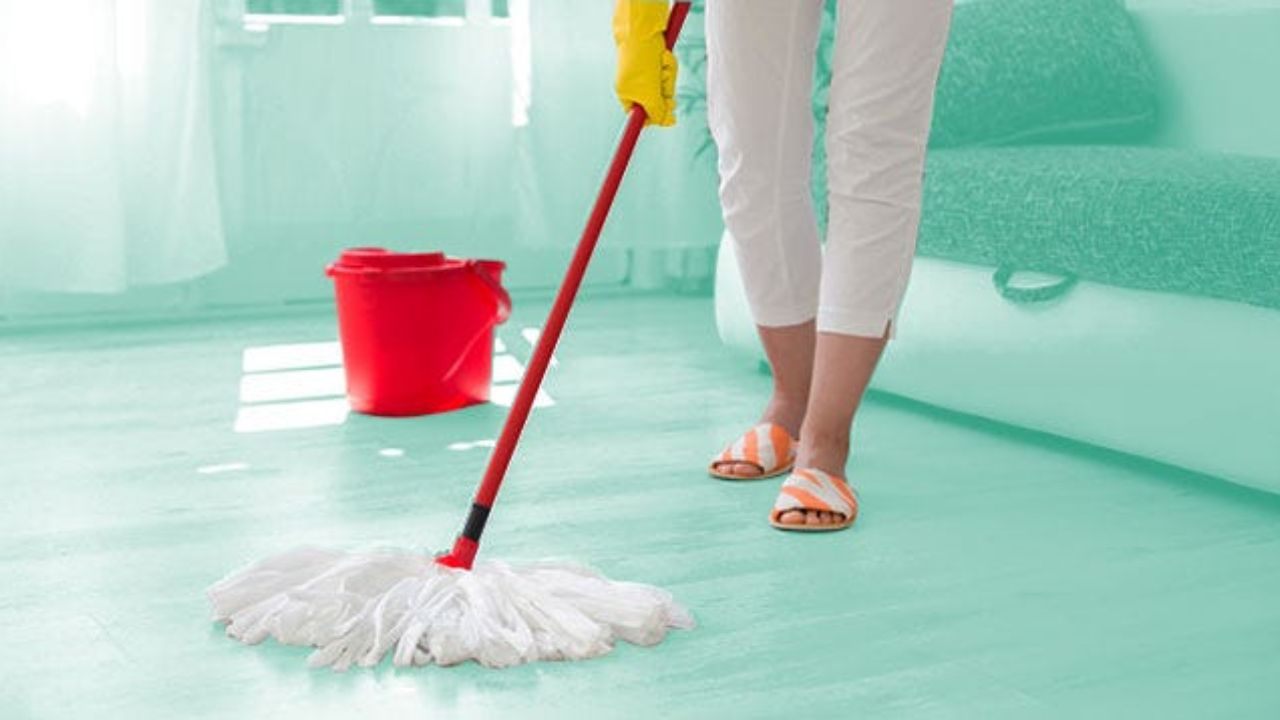
You do not need to scrub daily if you control water and touch points. Moisture control is the shortcut to a cleaner bathroom with less effort.
Kaboom Foam Tastic Bathroom Cleaner can help when you need a quick product that clings briefly and lifts grime. Pair it with a simple drying habit.
After Shower Steps That Reduce Water Spots
After a shower, water sits on glass, tile edges, and fixtures. A quick rinse and a short wipe in the splash zone reduces spots and film.
You do not need to wipe every inch, just the main area that dries slow. A short post shower habit prevents buildup from becoming permanent.
Focus on the faucet area, the shower door edge, and the tub rim. Keeping these dry helps the room smell fresher. It also makes weekly cleaning faster.
Toilet Exterior And Floor Edge Quick Check
The toilet exterior and the floor edge around it hold grime that causes lingering odor. Wipe the seat hinges, handle area, and base edge during your weekly routine. Do not ignore the floor line where dust and moisture mix.
Hidden edges cause most smells even when the bowl looks clean. Keep the step quick by wiping only the contact zones and the base edge. If you see splashes or dust, wipe once and move on. This keeps the bathroom feeling maintained.
Faucet And Sink Reset That Takes Seconds
Sink areas look dirty when toothpaste, soap, and water marks dry in place. Wipe the basin and the faucet base quickly after your busiest morning or evening use.
Rinse away product residue so it does not form film. The sink is a daily touch zone that affects how clean the whole bathroom feels.
Keep a cloth nearby so the habit is easy. Dry the faucet area to reduce spots. This step alone can keep the room looking steadier.
Fabric And Laundry Habits That Save Time Later
Laundry becomes stressful when odor and wrinkles pile up at once. Busy people do better with small habits that reduce rewash cycles and rushed folding.
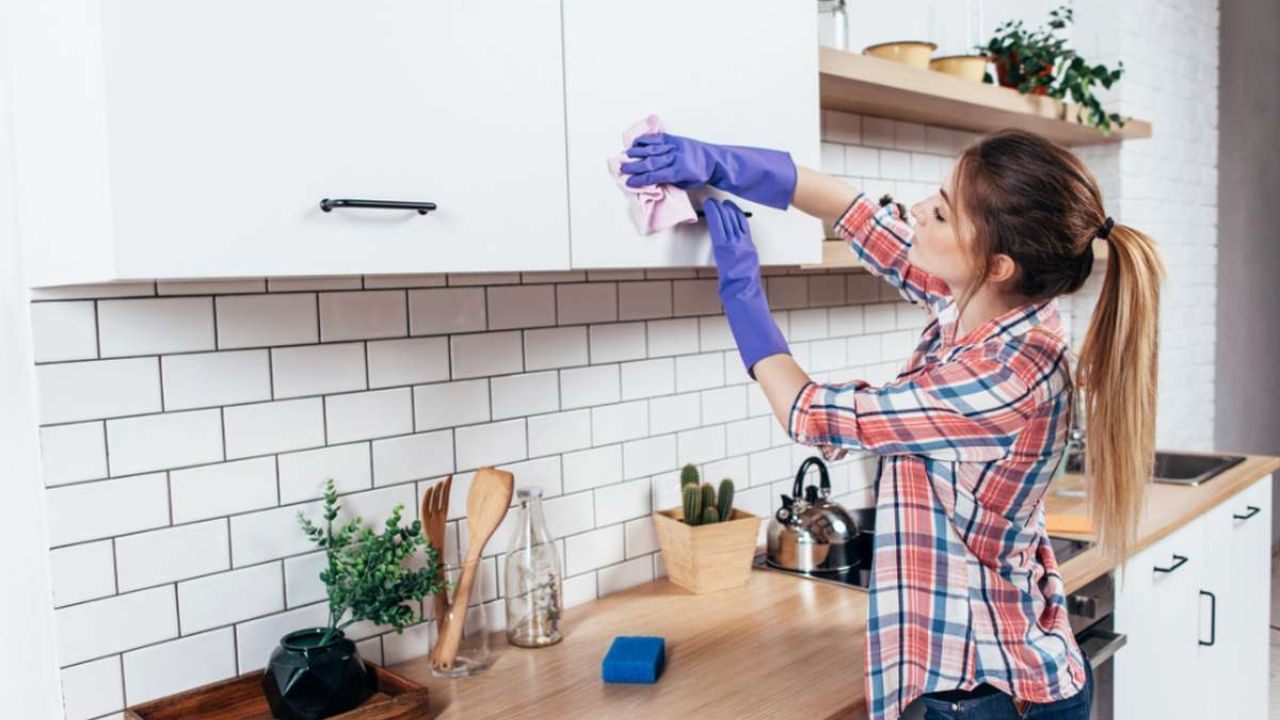
Focus on drying speed, simple sorting, and quick fixes that make clothing wearable faster. Laundry is easier when you prevent backlog instead of trying to catch up.
OxiClean Odor Blasters can help when towels and activewear hold stubborn smells even after washing. Use it as support, not a complicated system.
The Dry Fast Rule For Towels And Activewear
Towels and activewear get musty when they stay damp too long. Hang items open so air can move through them, not folded on hooks. If you use a hamper, keep damp items separate until they dry.
Drying prevents rewashing because odor does not have time to set in. Do not leave wet clothes in the washer overnight. If you can, run a quick spin cycle before drying to remove extra water. This habit saves time and frustration.
One Load Sorting Rule That Reduces Wear
Sorting does not need to be complicated to protect fabrics. Separate heavy items like jeans and towels from lighter shirts and athletic wear. That reduces friction and helps items dry more evenly.
Less friction means longer lasting fabric and fewer rough feeling towels. Keep sorting simple with two piles, heavy and light. When you reduce wear, clothes look better longer. This also cuts down on lint transfer and pilling.
Quick Wrinkle Fixes That Keep Clothes Usable
Wrinkles become a problem when clean clothes sit in a pile. Shake garments out as you move them to dry, then hang a few key items right away. Focus on what you will wear soon, not everything.
Small finishing steps save mornings because you skip last minute ironing. If something is wrinkled, a light steam in the bathroom can help while you shower. Store everyday items where they hang freely. This keeps clothes more ready with less effort.
Floors And Entryway Habits That Stop Dirt Spread
Floors look worn and dirty when grit spreads from the entry into the home. You do not need daily mopping, but you do need quick control of the dirt path.
Focus on the entry, high traffic lanes, and the spots where dust collects. Dirt control starts at the door because grit causes most scuffs and dullness.
Rejuvenate All Floors Cleaner is useful when you need a quick refresh on hard floors without a long routine. Pair it with small daily habits.
The Two Minute Entry Floor Reset
The entry zone is the easiest place to control dirt. Shake or tap the mat, then pick up visible grit in the first few steps inside. If you have a vacuum, do a quick pass on that strip only.
Two minutes prevents spread and makes the whole home feel cleaner. Keep shoes in one area so debris does not travel. Wipe wet footprints right away to prevent dull marks. This habit reduces the need for deeper floor cleaning.
One Drop Zone For Keys, Bags, And Small Items
Clutter at the door makes busy mornings harder and creates messy surfaces. Set one tray or basket where keys, cards, and small gear go every day. Keep bags and jackets on hooks so they are not thrown on chairs.
A drop zone reduces daily chaos and keeps floors clear for quick cleaning. Reset it nightly in under a minute. If items do not belong there, move them out immediately. This prevents the drop zone from turning into a pile.
The Five Minute Floor Pass That Feels Like A Reset
A five minute floor pass can make the whole home feel refreshed. Focus on the visible lane from entry to kitchen to living area. Do not chase corners unless you have extra time.
Targeted passes deliver big results because you hit the areas your eyes notice most. Keep the routine short so it stays consistent. If you use cleaner, use a light amount and let the floor dry fully. This is how busy schedules stay compatible with clean floors.
Conclusion
Home care works best when it is built around your real schedule. These maintenance tips for busy people focus on quick resets that prevent bigger problems later. Keep your routine time boxed, prioritize touch points, and control moisture before it turns into odor.
Small habits beat weekend marathons because they are easier to repeat. Use a simple supply setup and stick to a fixed order. When life gets hectic, do the minimum standard and move on. Consistency will keep your home feeling stable.