A well run home comes from small routines, not marathon cleaning days. This guide covers maintenance basics for household care you can do in minutes. You will focus on surfaces, moisture, fabrics, and storage.
Each step fits busy schedules without adding extra chores. Product mentions appear only when they reduce effort. Use this as a playbook and adjust it to your space.
Start With The Basics: Define What “Maintained” Means
Household care starts with a clear idea of what “maintained” means for you. It should feel safe, dry, and easy to use, even if it is not spotless.
A simple standard protects your time because you stop chasing perfection. Pick signals like no sticky handles and no odor. When those stay stable, the home feels easier to manage. This section helps you set that baseline.
The Minimum Standard For A Functional Home
Your minimum standard should cover the places that create friction. Clear one counter, keep the sink usable, and leave a lane at the entry. Do a trash check and remove scraps before they smell.
Small wins prevent backlog because mess does not spread farther. If you can only do one step, dry wet areas and wipe touch points. That is enough to stay steady.
The Daily Scan That Prevents Bigger Repairs
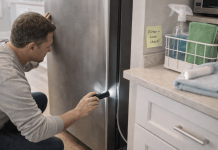
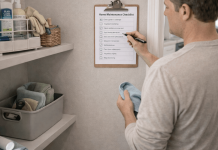
A daily scan helps you notice problems before they become repairs. Walk the main path and look for grit, drips, or clutter. Check under the sink and near the toilet base for dampness.
Early spotting saves money because you fix a cause while it is small. Keep the scan the same each day so it stays fast. When you see an issue, take one action.
A Small Supply Kit That Keeps You Consistent
A small supply kit keeps maintenance from turning into a search. Place a cloth, a spray, and a small brush in key rooms. Choose one gentle cleaner that works on most sealed surfaces.
Method All Purpose Cleaner is a simple option for quick wipe downs. Convenient supplies protect consistency because you start faster and stop less. Refill the kit weekly and keep it visible.
Clean Smarter: Remove Dirt Without Damaging Finishes
Cleaning works best when it removes dirt without damaging the finish underneath. Start gentle and build up only when you truly need more power.
Gentle first reduces wear on paint, coatings, and shiny surfaces. Use a damp cloth to lift dust before you rub. Focus on high touch zones that spread grime through the house. These basics keep cleaning short and predictable.
Use The Gentle First Rule On Most Surfaces
Most surfaces respond well to light moisture and a soft wipe. Start with warm water and one pass to loosen residue. If you need more help, add a mild cleaner instead of pushing harder.
Pressure causes scratches when grit is trapped under the cloth. For greasy stove film, Dawn Powerwash Dish Spray can help. Rinse after cleaning so residue does not attract dirt.
Use A Two Pass Method To Avoid Smears
Smears happen when you spread oil and cleaner without removing it. Use a first pass to loosen grime, then a second to lift what remains. Keep the second cloth dry so it grabs haze.
The finish pass matters most because it keeps surfaces clear. If you only have one cloth, rinse it between passes. This saves time because you do not redo spots.
Pick Tools That Do Not Scratch Or Scuff
Tools should match the mess so you do not damage finishes. Use a soft sponge and a small brush for corners. Choose non abrasive tools on glossy appliances and painted cabinets.
Right tools cut scrubbing time and lower the risk of scuffs. A Casabella Smart Scrub Brush helps in tight edges without sharp scraping. Test any new tool on a hidden spot first.
Moisture Basics: Stop Odor And Swelling Before They Start
Moisture creates odor, peeling, swelling, and repeat cleaning in the same spots. You save time and money when you stop water from sitting anywhere.
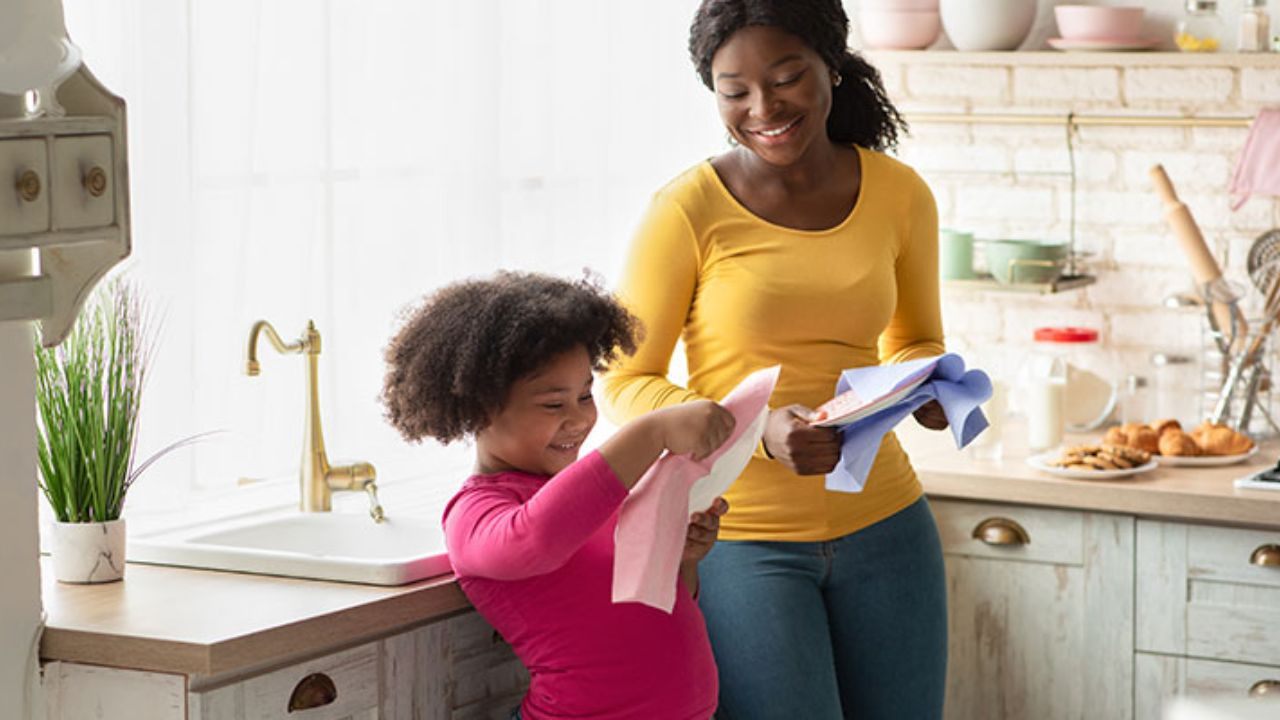
Drying beats scrubbing because it removes the condition that creates grime. Focus on the sink zone, the shower, and the laundry area. Aim for dry storage and steady airflow. These habits take minutes but prevent long term damage.
Dry Items Fully Before You Put Them Away
Items that stay damp are a common source of musty smell and staining. Hang towels open and avoid folding them on hooks. Let bottles, lunch containers, and sponges air dry before closing lids.
Closed storage traps moisture and makes odors harder to remove later. If you need speed, use a rack that keeps items separated. This habit also reduces how often you rewash basics.
Ventilate Quickly After Steam And Heat
Steam from showers and cooking settles on surfaces and becomes film. Run the exhaust fan after showers and leave the door open if you can. In the kitchen, clear steam before it coats cabinets.
Fast ventilation prevents buildup so you clean less later. If airflow is weak, a small Vornado Flippi V6 fan can help. Keep the routine short so it stays repeatable.
Check Seams And Edges Where Damage Begins
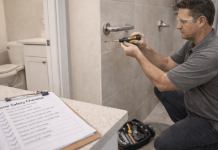
Damage often starts at seams because water sits there longer than you think. Check around the sink, tub edge, and toilet base for dark marks.
Dry the area and reduce splash by wiping right after use. Edges fail before surfaces because moisture concentrates in thin lines.
If you spot early mildew, Concrobium Mold Control can help after drying. Keep mats and cloths dry between uses.
Fabric Basics: Keep Towels And Bedding Fresh Longer
Fabrics last longer when they dry quickly, get washed gently, and are stored clean. Towels and bedding wear out fast because they hold moisture and body oils.
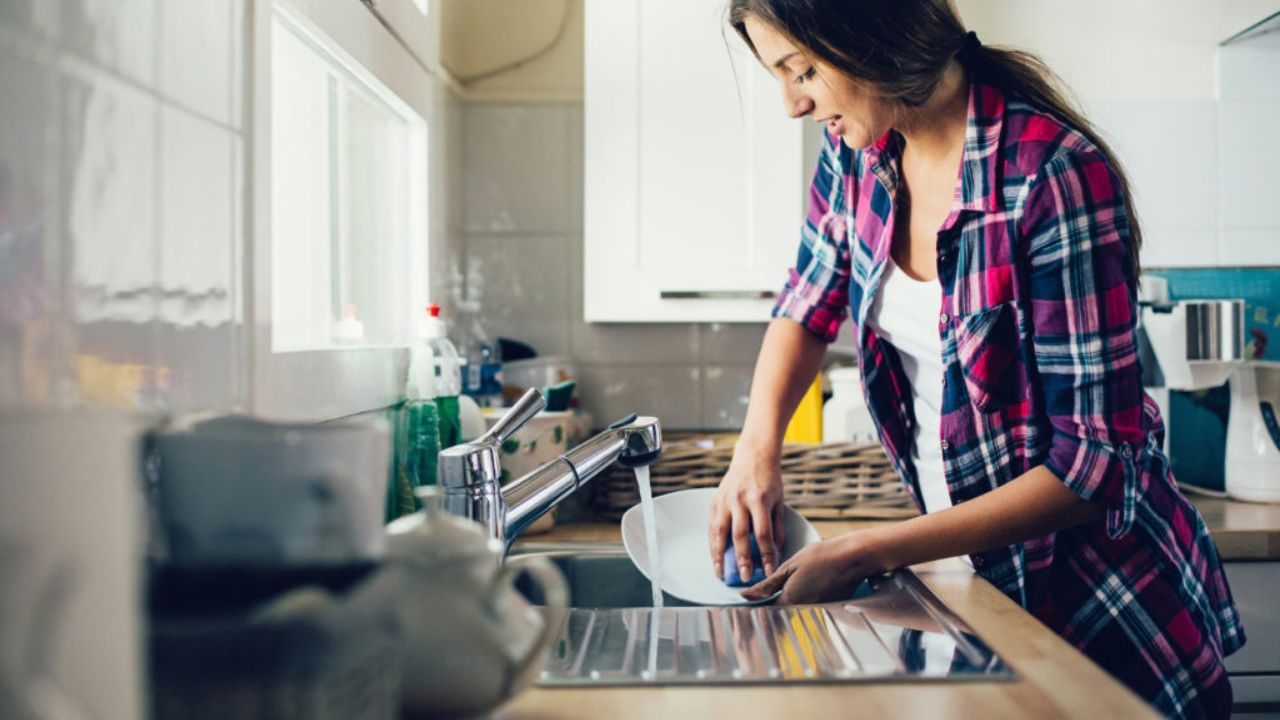
Fabric care saves replacement costs without adding complicated laundry rules. Focus on airflow, simple sorting, and timely drying. These habits also reduce odor so you use less product overall. This section keeps fabric care practical and low effort.
Dry Fast To Prevent Musty Smell
Drying speed matters more than strong detergents for many odors. Hang towels flat so air reaches thick sections. Do not leave wet clothes sitting in the washer after the cycle ends.
Dry fast prevents rewashing because smells do not get time to form. If an item smells off, air it out before adding extra products. This keeps laundry simple and protects fibers.
Sort Loads To Reduce Wear
Sorting does not need many piles to protect what you own. Keep heavy items like jeans and towels separate from light shirts.
Heavy loads create friction that roughens fabrics and pulls seams. Less friction means longer life for clothing and linens you use often.
Use a mesh bag for small items to reduce stretching and tangles. This step also helps loads dry more evenly.
Refresh Lightly Worn Items The Right Way
Not every item needs a full wash after one light wear. If clothing is not stained, airing it out can be enough. This reduces wear from heat and agitation over time. Smart refreshing cuts laundry costs and helps colors last longer.
For odor control, Zero Odor Fabric Eliminator spray works on dry outer layers. Do not use spray to hide dampness, fix drying first.
Storage Basics: Prevent Breakage, Loss, And Duplicate Buying
Storage is a maintenance tool because it protects items from damage and loss. When storage is messy, you drop things, bend parts, and buy duplicates.
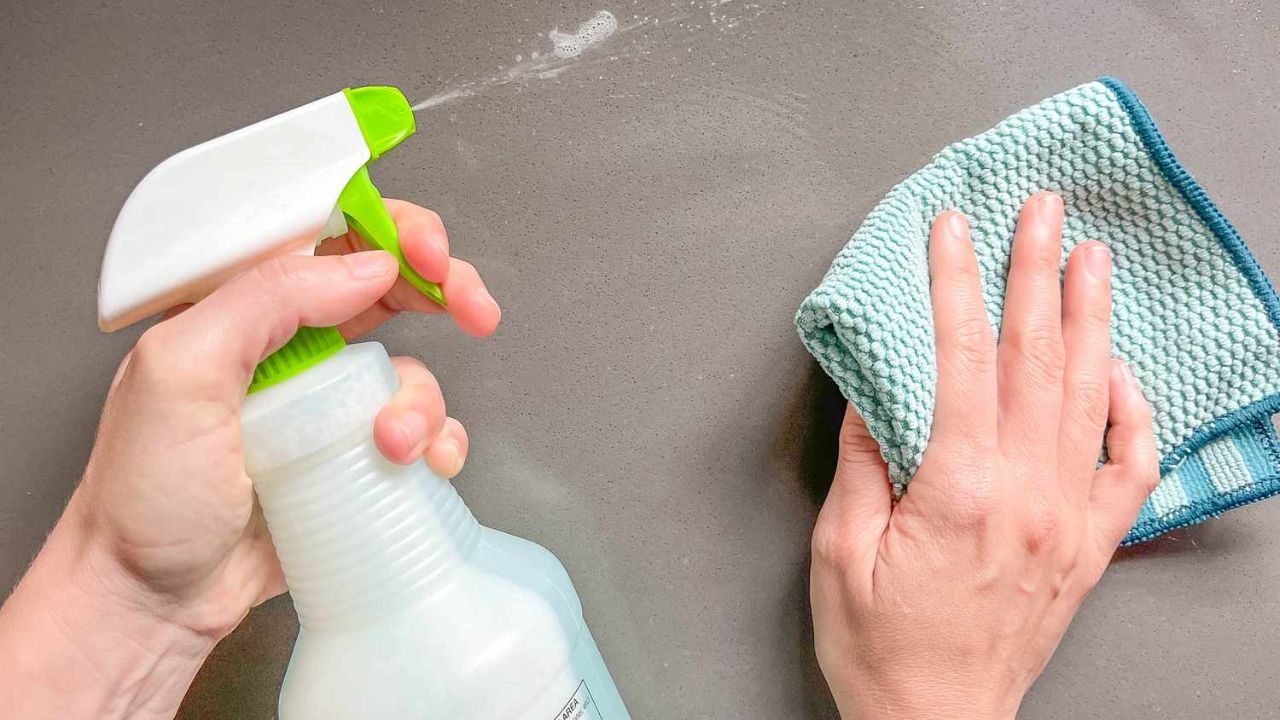
Good storage reduces daily stress because you find what you need quickly. Store by frequency so daily items are easy to reach. Keep heavy items low and stable to prevent accidents. This section shows simple storage moves that save money.
Store By Frequency So Daily Items Are Easier
Put daily items at waist height so you grab them without strain. Store occasional items higher or lower, grouped by category.
Avoid tall stacks because they shift when you pull something out. Easy access prevents breakage since you are not digging through piles. Clear bins help because you see what is inside fast. Reset weekly so the system stays reliable.
Keep Parts Together So Items Stay Usable
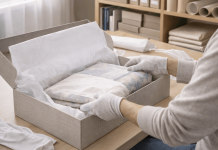
An item becomes useless when one small part disappears, like a charger. Store cords, attachments, and manuals with the main item. Use one container per set so parts return to the same place.
Complete sets stop repurchasing because you keep items usable longer. IKEA SKUBB boxes work for grouping accessories in a closet. Add a label so anyone can put parts back.
Reduce Stacking Pressure That Warps Items
Stacking pressure bends boxes, cracks lids, and warps plastics over time. Keep heavy items on the bottom and avoid forcing lids shut. Stand flat items upright so weight is shared across a shelf.
Weight management protects shape so seals fit and drawers slide smoothly. A SimpleHouseware stackable shelf organizer can reduce crushing in kitchen cabinets. If a shelf bows, spread items across two spaces.
Conclusion
Maintenance works when it is easy enough to repeat on normal days. You now have maintenance basics for household care that protect surfaces, fabrics, and storage. Focus on drying first, cleaning gently, and keeping simple systems in place.
Use products only when they remove friction. Small checks catch problems early and prevent replacements. Stick with the basics for a home that runs smoothly.