Busy households stay functional when routines are simple and repeatable. This guide explains how to maintain items with minimal effort by focusing on habits that prevent damage instead of fixing problems later.
Most wear comes from a few predictable causes that are easy to manage. You do not need special skills or long cleaning sessions. Small actions done consistently make the biggest difference. This approach fits real life and modern homes.
Minimal Effort Maintenance Starts With A Simple Game Plan
Maintenance feels overwhelming when tasks are vague or scattered. A simple plan works because it limits decisions and reduces wasted motion.

Clarity is the foundation of low effort care in any home. Focus on four recurring risks that cause most damage over time.
These risks show up regardless of home size or lifestyle. Once you know what to check, routines become faster and easier to keep.
Understand The Four Causes Of Early Item Wear
Most household items fail due to moisture, buildup, friction, or poor storage. Moisture creates odors and weakens materials. Buildup makes surfaces harder to clean and easier to damage.
Friction wears fabrics and finishes through repeated contact. Poor storage leads to crushing and missing parts. Knowing these causes saves time because you stop guessing what to fix.
Use One Weekly Visual Reminder
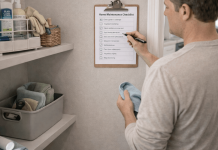
A short weekly check works better than occasional deep cleaning. Write four simple reminders and keep them visible. A small magnetic checklist on the fridge is enough to prompt action.
Visibility beats motivation when routines feel boring. Keep the checklist consistent so it becomes automatic. When checks stay short, you actually finish them.
Remove Habits That Create Extra Work
Minimal effort improves when you stop behaviors that cause damage. Storing items wet or scrubbing too hard shortens their life. Using too many cleaners adds steps and confusion.
Stick to one gentle cleaner for most touch ups. Fewer choices reduce friction and make routines easier to repeat. When care feels simple, you maintain items more often.
Control Moisture First To Prevent Odors And Damage
Moisture is the fastest way to ruin household items. Damp conditions cause odors, swelling, rust, and peeling finishes.

Drying and airflow prevent most problems before they spread. Minimal effort means addressing moisture quickly, not scrubbing later. Focus on areas where air does not move well. With small habits, moisture stops becoming a constant issue.
Apply A Simple Dry After Use Rule
Let items dry fully before storing them. Towels should hang open, shoes need airflow, and bags should not be sealed while damp.
This habit takes seconds but prevents long term odor buildup. Drying first avoids rewashing and material breakdown. When items feel dry to the touch, storage becomes safe again.
Support Dry Areas With Passive Moisture Control
Some spaces never dry completely on their own. Closets, cabinets, and storage corners trap humidity. Use a Vacplus Moisture Absorber to reduce excess moisture without maintenance.
For reusable control, a Wisedry Rechargeable Desiccant works well in small spaces. Passive solutions save effort because they work quietly in the background.
Improve Airflow Without Adding Complexity
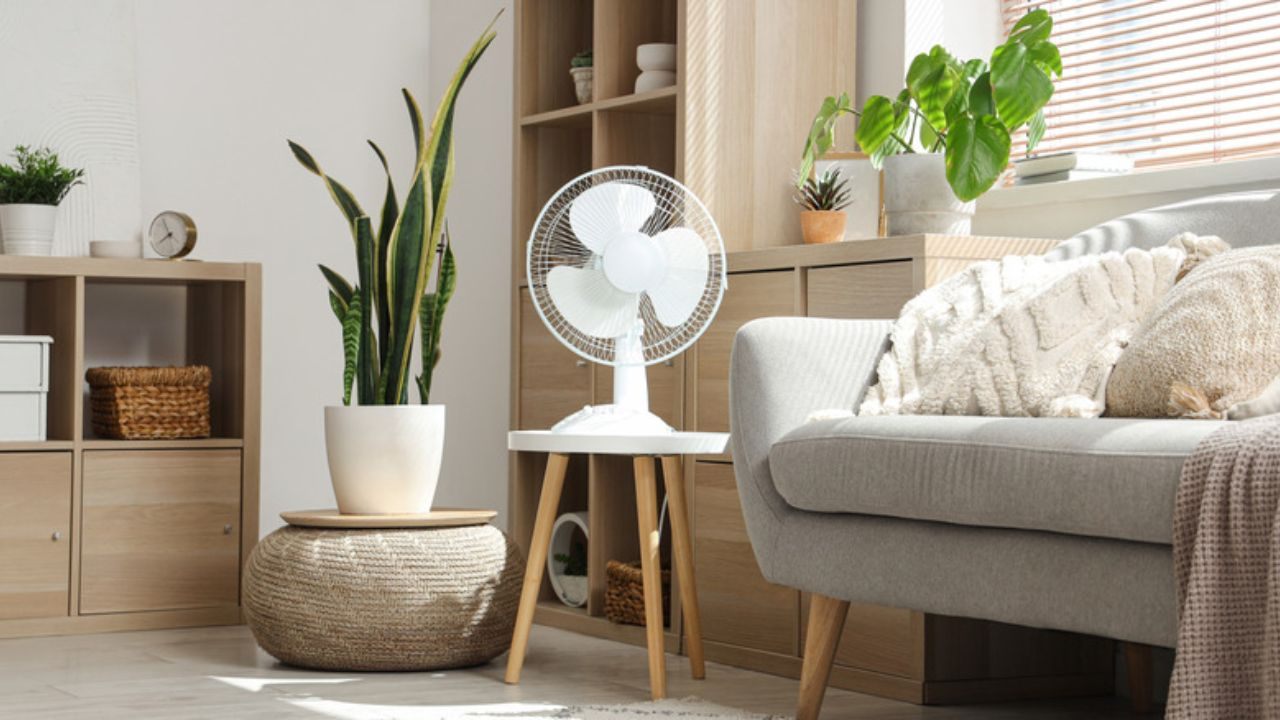
Airflow does not require permanent changes. Open doors briefly or use a small fan after showers or cooking.
A compact air circulator speeds drying on floors and fabrics. Moving air prevents odor from settling into surfaces. Keep airflow short and targeted to stay efficient.
Prevent Buildup So Items Stay Easy To Use
Buildup turns small messes into hard work. Residue attracts dirt and forces you to scrub harder later.

Early removal keeps surfaces smooth and reduces effort over time. Minimal effort care means stopping buildup before it hardens. Focus on high touch areas that collect oils and residue. When surfaces stay clean, everything feels easier to use.
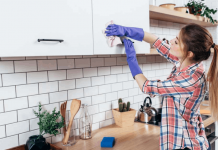
Remove Residue As Soon As You Notice It
Sticky spots spread quickly if ignored. Wipe them when you first see them instead of waiting.
A gentle cream cleaner lifts residue without harsh scrubbing. Early action prevents surface damage and saves time later. Follow with a quick rinse to remove cleaner film.
Use Soaking Instead Of Force On Hard Film
Mineral film and dull patches respond better to softening than scrubbing. Let moisture or cleaner sit briefly, then wipe lightly.
This protects finishes from dulling or scratching. Softening beats force when you want long term results. Stop once the surface feels smooth again.
Finish With A Rinse And Dry Step
Rinsing removes leftover cleaner that attracts new dirt. Drying prevents water spots that make surfaces look dirty again. Keep one microfiber towel nearby for finishing.
A clean finish lasts longer and reduces repeat work. This step takes seconds but extends results.
Reduce Friction To Slow Wear On Fabrics And Surfaces
Friction causes gradual damage even in clean homes. Repeated rubbing thins fabrics and scuffs floors.

Reducing contact stress extends item life without adding chores. Minimal effort means adjusting placement and rotation. Small changes reduce wear across larger areas. Once friction drops, surfaces stay newer longer.
Rotate High Use Items Regularly
Wear concentrates where you walk or sit most often. Rotate rugs, cushions, and bedding positions every few months.
This spreads stress evenly across materials. Rotation slows visible aging without cleaning more often. A simple reminder is enough to keep it consistent.
Prevent Dragging And Scraping
Furniture movement causes scratches when grit is present. Clean contact points and add felt pads or sliders.
Shepherd Hardware Felt Pads reduce friction on chair legs. For heavier items, reusable furniture sliders help. Smooth movement protects floors and reduces scuff marks.
Protect High Touch Edges
Edges wear faster because hands contact them constantly. Cabinet corners and drawer fronts show aging early.
A thin protective layer can reduce abrasion. Targeted protection saves refinishing later. Focus only on the most used spots.
Store Items Correctly So You Stop Replacing Them
Storage mistakes shorten item life more than most people realize. Crushing, dust, and missing parts force early replacement.
Storage is part of maintenance, not an afterthought. Minimal effort storage means organizing by use and keeping sets together. When items store well, they stay usable longer.
Group Small Parts To Keep Items Functional
Missing parts make items useless before they wear out. Store screws, attachments, and accessories together.
A Plano StowAway Organizer keeps parts separated and visible. Complete sets prevent replacement purchases. Label once and stop searching later.
Store By Frequency Instead Of Category
Daily use items should be easy to reach and loosely stored. Infrequent items can go deeper or lower.
This prevents stacking that crushes what you use most. Easy access prevents damage and speeds up routines. When storage works, clutter decreases naturally.
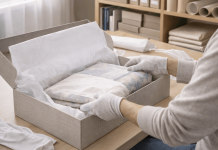
Prepare Seasonal Items Before Storage
Clean and dry seasonal items before storing them. Dust and moisture cause damage while items sit unused.
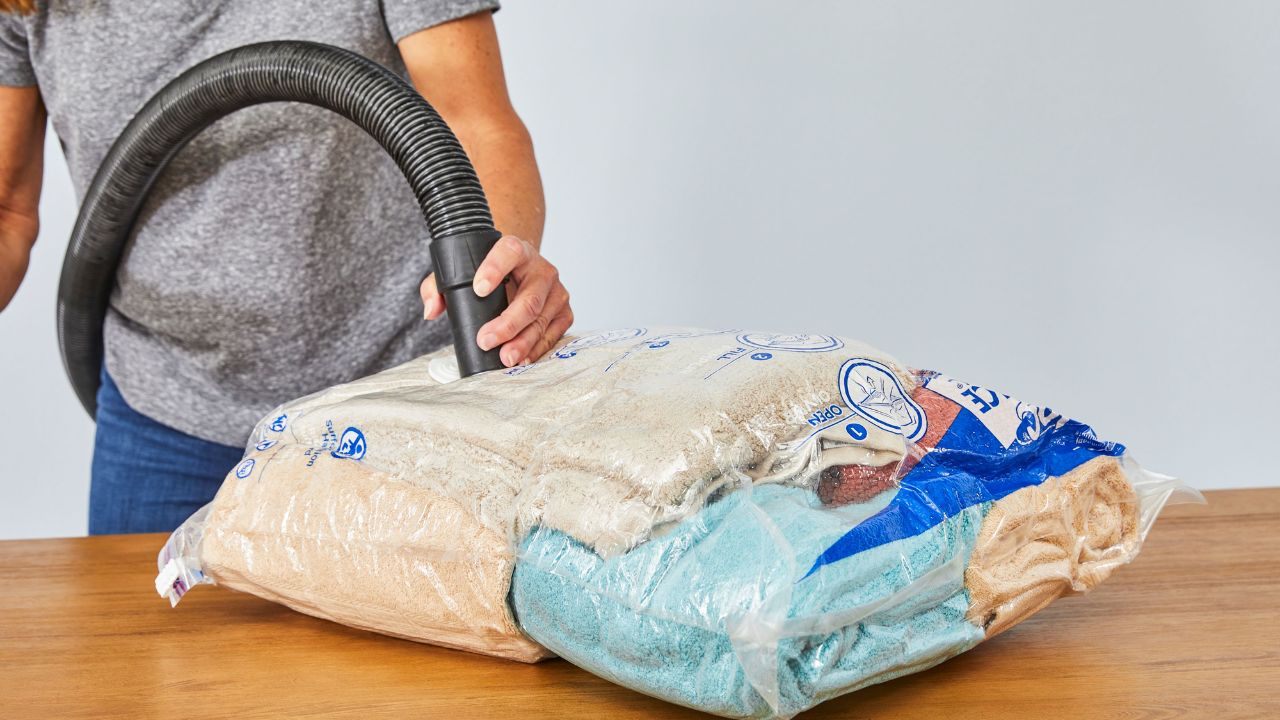
Fold gently and avoid tight compression. Space Bag Vacuum Storage Bags help reduce bulk for soft goods. Clean storage saves effort later when items come back into use.
Conclusion
Effective care does not require perfection. You now know how to maintain items with minimal effort by managing moisture, buildup, friction, and storage. Start with one habit and let it stick. Limit products and keep steps short.
Consistency protects your budget better than deep cleaning. Small routines done weekly keep your home working smoothly.