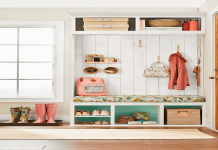
In busy seasons, clutter creeps from every corner and steals focus fast. Searches for ways to Declutter Your Home Without Stress point to dramatic resets, yet most households need calm, repeatable steps.
A sustainable path favors small wins, smart categories, and simple rules that reduce decisions. Set a realistic pace, protect energy, and let the environment get lighter without shock tactics.
What Stress-Free Decluttering Really Means
Stress-free decluttering prioritizes low-friction choices, short work blocks, and clear finish lines. Emotional attachments and decision fatigue slow progress more than the number of items.

Practical systems reduce decisions, while kind rules protect favorite objects and daily comfort. Aim for progress that fits the week, not a marathon that invites burnout.
Core Principles For Calm Progress
Short context helps anchor the method and prevent overreach in early sessions. Use these principles as constraints that lower stress and guide consistent action. The goal is steady improvement without guilt, panic, or whiplash changes.
- Set a small scope and a timer to prevent fatigue and second-guessing later.
- Stage items outside their usual spots to evaluate them in neutral conditions.
- Decide once using simple rules that match your space and routines.
- Protect favorites intentionally so momentum never threatens identity or comfort.
- Close sessions with a reset so surfaces return to clear baselines every time.
Why Categories Beat Rooms
Category work groups like items together, reduce context switching, and expose duplication instantly. Professional organizers often favor category passes because decisions stay consistent, which shortens each keep-or-let-go moment.
APDO organizers and the KonMari framework both emphasize progressive categories, generally moving from easier groups to more emotional items. Start with clothing, then address books, papers, general household items, and finally sentimental pieces.
Twelve Tiny Tasks That Actually Work
Small, repeatable tasks lower the threshold to start and finish. A brief warm-up each day builds momentum while teaching what fits your life and home.
Create One Little Clutter-Free Space
Identify a single surface or corner to remain perfectly clear at all times. Treat this clutter-free starter zone as a daily reset anchor that reduces background stress.
Make A Junk Box, Then Hide It
Gather unidentifiable cables, old accessories, and odd objects into one sealed box. Store for thirty days and remove permanently if nothing is missed.
Expire Expired Items
Audit pantry goods, medication, sunscreen, and cosmetics using printed dates and safe disposal rules. Remove lapsed items to reclaim space and reduce decision noise.
Flip Hangers To Track Reality
Turn all hangers backward and flip each after wearing the item. Review after a set window and rehome the never-flipped garments.
Send Five Care Packages
Select five books for five people and add a short note. Clear shelf space while sharing value forward.
Clean Digital Surfaces
Archive the desktop, batch-delete duplicate photos, and empty downloads. Digital clarity eases mental load and mirrors physical progress.
Invite Kids Into A Challenge
Offer a reward for each set number of donation items collected together. Frame participation around teamwork and visible room wins.
Color-Label Decisions
Apply green labels to keep items and red to exit items, then package the reds immediately. Clear visual codes reduce hesitation and debate.
Move Extra Furniture Out
Remove surplus chairs or side tables to disrupt clutter landings. Observe flow changes for two weeks and decide on permanent removals.
Release Items That Create Sadness
Identify clothing, gifts, or objects that trigger regret or pressure. Removing these items supports emotional relief and steady motivation.
Question “Supposed To Own” Objects
Audit items are kept for appearances rather than use. Keep only what serves current routines and rooms.
Make Letting Go Easier
Choose the simplest release channel available and schedule it now. Donation pickup options or a curbside “Free” moment accelerate exit velocity.
Handling Sentimental Items Without Guilt
Sentimental items deserve patient, respectful decisions instead of rapid-fire judgment. Store them separately during earlier passes so momentum never collides with emotion.
Create a small, visible memory space where a few meaningful pieces can shine without crowding daily areas. Use photos of bulky keepsakes to preserve stories while shrinking footprint, honoring sentimental items without guilt.

Smarter Ways To Donate, Sell, Or Recycle
Clear exit paths prevent the “maybe later” pile that restarts clutter cycles. A short menu of reliable channels removes friction and helps items move quickly. Program these options now so late-session energy can still finish strong.
As of January 2026, many libraries, community groups, and recyclers offer seasonal intakes that vary by region.
- Local charities and thrift organizations often schedule neighborhood routes for larger pickups.
- Community buy-nothing groups move common household goods rapidly without pricing overhead.
- Resale apps help with niche items, while local shops accept books, media, or instruments selectively.
- E-waste centers handle cables, dead devices, and batteries using safe recycling standards.
- Textile recycling bins accept damaged clothing and linens that are not donation-ready.
Organizing After The Edit
Organizing starts after the volume drops, never during the heavy sorting work. Drawer dividers transform deep spaces into reliable lanes that prevent re-accumulation.
File folding, popularized by Marie Kondo, stores garments upright so each item remains visible and retrievable. Reserve deep cupboards for large objects, while small items live in shallow drawers where categories remain constrained.
Get Family Buy-In That Sticks
Shared rules work best when they are short, visible, and tied to daily friction. Agree on a five-minute evening reset, a hamper for every bedroom, and a mail-in, mail-out rule for paper.
Involve kids through choice and agency rather than shaming, then celebrate visible wins together. Keep containers honest; when a bin fills, decide rather than acquiring more containers.
Maintenance Decluttering Checklist For Busy Weeks
Maintenance protects progress during heavy work weeks or travel sprints. Short, rhythmic tasks keep surfaces clear and stop backsliding without demanding large blocks of time. Run this loop on autopilot and adjust the cadence to match real life.
- Reset the clutter-free starter zone every evening after the dishes finish.
- Empty the inbox tray twice weekly and pay, file, or recycle immediately.
- Run a five-item exit on Saturdays to remove easy wins fast.
- Review hangers at the end of each month and move non-rotating pieces out.
- Schedule quarterly category passes for books, kids’ items, and linens.
Five-Day Clutter Reduction Plan
A simple, time-boxed plan demonstrates speed without strain. Each day sets one clear target, one exit path, and one reset. Treat the week as a proof of concept and scale as confidence grows.
| Day | Target Area Or Category | Time Box | Exit Path | End-Of-Day Reset |
| 1 | Entry surfaces and mail pile | 25 minutes | Recycle and one bill paid | Clear key tray and hooks |
| 2 | Clothing tops using hanger flip | 30 minutes | Bag donations | Line up hangers uniformly |
| 3 | Bathroom and expired items | 20 minutes | Safe disposal and recycle | Wipe counters and drawer dividers |
| 4 | Kitchen junk drawer and cables | 25 minutes | Junk box for 30 days | Label drawers by function |
| 5 | Bookshelf first shelf only | 30 minutes | Gift or donate selected titles | Dust and face remaining spines |
Final Takeaway
Calm progress comes from tight scopes, kind rules, and dependable exits. A clear clutter reduction plan, anchored in categories and quick resets, turns organizing into maintenance rather than a never-ending project.
Keep the focus on fit-for-life choices, and let the home reflect current routines, not past expectations.