A clean home does not need endless products or rules. This guide explains how to extend the life of common items with simple, repeatable care. You will focus on moisture control, gentle cleaning, smart rotation, and better storage.
These habits reduce wear, odors, and surprise replacements. Small steps protect your budget because maintenance stays realistic. Use this as a weekly playbook, not a perfection test.
A Simple Maintenance Plan That Stops Preventable Wear
A maintenance plan works when it is easy to start and repeat. Treat your home as small zones, not one big project.
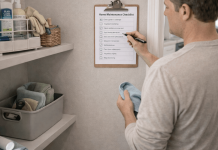
Keep a visible checklist with Post-it Super Sticky Notes so you do not rely on memory. A clear plan reduces friction when life gets busy. You prevent wear by doing quick resets on schedule. That is the fastest path to fewer replacements.
The Weekly Reset That Keeps You Consistent
Start with a weekly reset that protects the items you use every day. Pick one day, then do a short walk-through of the kitchen, bathroom, bedroom, and entry. Wipe obvious spills, empty small trash, and return items to their spots.
Small resets prevent buildup that turns into long cleaning sessions. Keep the reset under fifteen minutes so it stays realistic. Consistency matters more than intensity.
The One Problem Area Rule For Busy Weeks
Use the one problem area rule when weeks get hectic. Choose the spot that causes the most stress, like the sink or entry table. Reset that one area fully, then stop. One win keeps momentum and prevents the home from sliding backward.
It also protects items from damage caused by stacking and rushing. You are aiming for control, not completion.
A Core Supply Limit That Saves Time
Limit core supplies so you do not waste time searching and switching. Keep one gentle scrub tool, one basic cleaner, and one drying cloth in each main room. Store backups together, not scattered across cabinets.
Too many supplies create delays and lead to skipped routines. When something runs out, replace it with one similar item. This keeps maintenance predictable and fast.
Keep Items Dry And Ventilated To Prevent Odors And Damage
Keep items dry and ventilated so damage does not start. Moisture causes odors, rust, peeling finishes, and fabric breakdown.
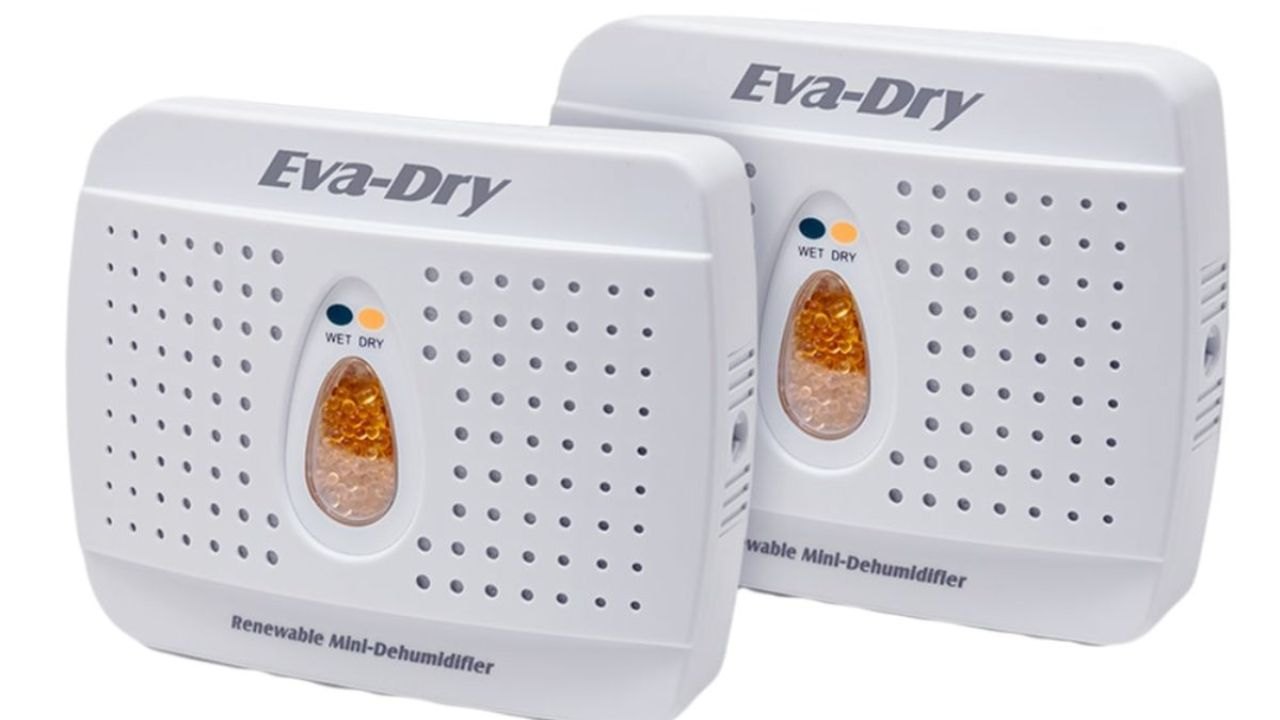
A moisture absorber like the Eva-Dry E-333 Renewable Dehumidifier helps in small closed spaces. Dry air protects materials better than heavy cleaning later.
Your goal is to remove trapped dampness before it becomes a problem. That starts with where you store things.
Closets, Shoes, And Bags: Where Moisture Hides
Closets, shoes, and bags last longer when humidity cannot sit overnight. Let shoes air out before storage, especially after rain or workouts. Keep bags upright and open briefly so lining dries fully.
Trapped moisture creates odor and weakens stitching and glue. Do a quick sniff check weekly and re-air anything that smells off. This habit prevents slow decline that leads to replacement.
Kitchen Textiles And Tools: Drying Habits That Work Daily
Kitchen textiles need drying habits you can repeat daily. After using dish cloths or mitts, rinse and wring them, then hang them fully open. Do not leave wet items in the sink where bacteria grows.
Airflow is the fastest fix for sour smells and slimy residue. Rotate to a fresh cloth before the old one turns funky. Your kitchen stays cleaner with less effort.
Bathrooms And Entryways: Controlling Dampness Fast
Bathrooms and entryways need ventilation because dampness lingers. After showers, run airflow and wipe water from counters and the tub edge. In busy weeks, dry entry mats and wipe footwear before it reaches closets.
Moisture spreads quietly and can damage paint, trim, and items. Do a quick towel pass when you notice damp corners. These small actions stop musty smells before they start.
Clean Gently And Early So Surfaces Do Not Deteriorate
Clean gently and early, before residue hardens and surfaces scratch. Damage often comes from aggressive tools used too late.
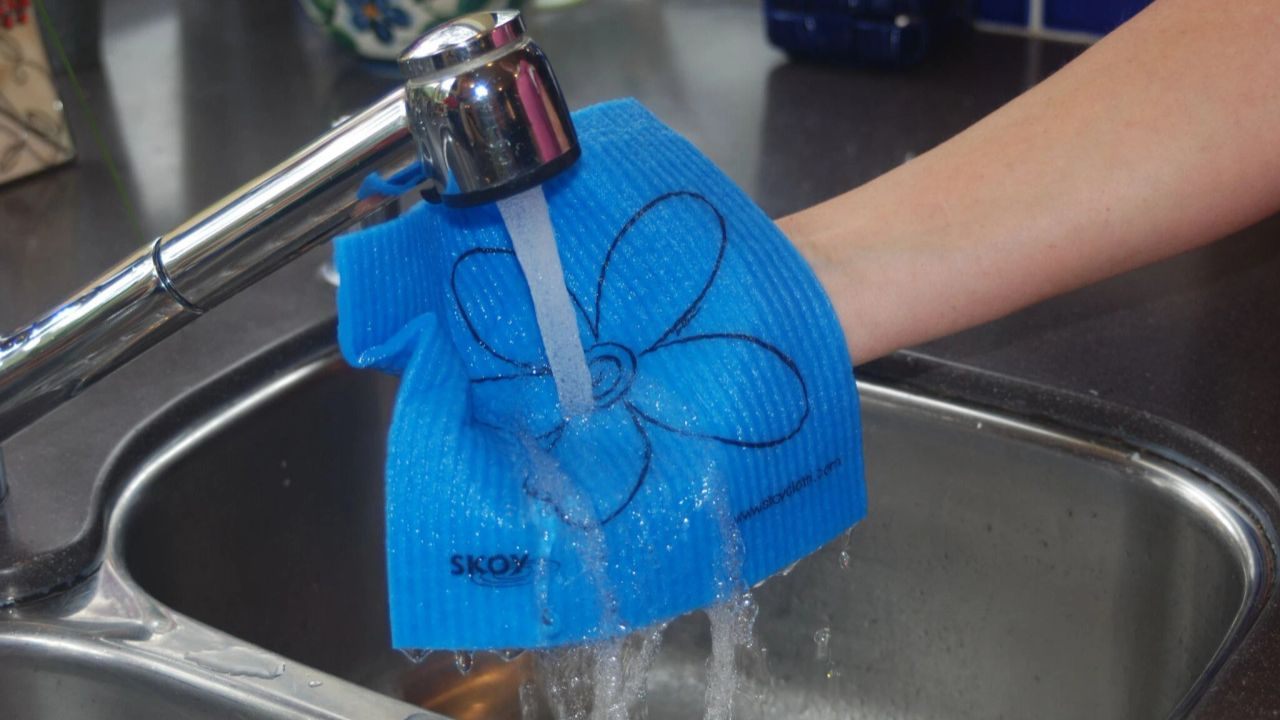
A reusable non-scratch option like a Skoy Scrub Reusable Sponge Cloth helps you clean without gouging.
Gentle pressure protects finishes on cookware, counters, and fixtures. Start with the least force and increase only if needed. Early cleaning saves time and preserves materials.
Tackle Spills Early To Avoid Scraping
Treat spills and splatters while they are fresh, especially on stoves and counters. Warm water and a wipe remove new residue in seconds. If you wait, you often need scraping that leaves marks.
Fast cleanup prevents staining and lowers the urge for harsher chemicals. Keep a cloth near high-use areas so cleanup is automatic. This is one of the best habits in any home.
Use A Test Spot Before Cleaning Finished Surfaces
Use a test spot mindset on finished surfaces like painted trim, coated cabinets, and tables. Wipe a hidden corner first, then check for dulling or color transfer. Avoid soaking seams where water can swell wood or loosen adhesive.
Testing prevents accidental damage that is costly to fix. Work in light passes instead of grinding in one place. You keep the surface looking newer for longer.
Match The Tool To The Surface
Choose the right tool so you do not create wear while removing dirt. Use soft bristles for grout lines, a gentle cloth for screens, and a non-scratch pad for cookware. Skip metal scrapers unless the surface is built for them.
Tools cause most scratches when you rush. Keep tools clean so they do not drag grit across finishes. Clean tools work faster and damage less.
Rotate And Rest High Use Items To Reduce Stress And Friction
Rotate and rest high-use items so stress does not concentrate. Constant use flattens padding, wears fabric, and creates permanent paths.
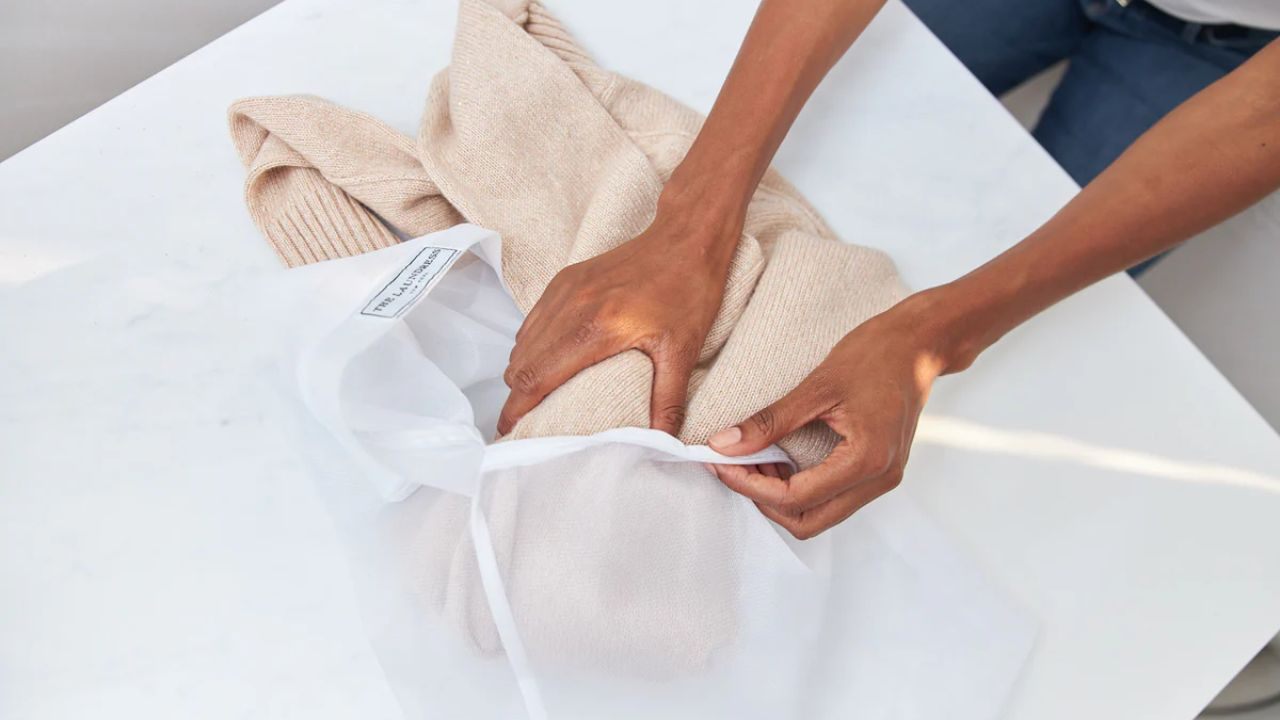
A Household Essentials Mesh Laundry Bag Set helps you separate delicates and rotate loads more easily.
Rotation spreads wear evenly across your essentials. You replace fewer items because damage develops more slowly. Make rotation a default, not a special project.
Rotate Linens So Fabric Can Recover
Towels, sheets, and pillowcases last longer when you cycle sets instead of using one favorite. Keep at least two sets in rotation so fabric can dry fully and recover shape. Wash similar weights together to reduce friction.
Rest time protects fibers and prevents that rough feel that signals wear. Store clean sets where you reach them first. This makes rotation effortless, not forced.
Shift Wear Paths In High Traffic Areas
Furniture, rugs, and chair spots benefit from rotation because pressure stays consistent. Rotate small rugs every few months and swap seating positions if one area gets constant sun or traffic.
Shift décor slightly so rubbing does not hit the same edge daily. Wear paths form fast when movement repeats. Small changes reduce fading and fraying. Rooms look newer with less cleaning overall.
Reduce Heat And Strain On Cords And Devices
Electronics and small tools need rest to avoid heat stress and cable wear. Do not leave chargers bent or devices charging under pillows where heat builds. Give batteries time off the charger when you can and store cords in loose loops.
Heat shortens lifespan faster than people expect. Keep one bin for cords so they are not crushed. This habit reduces fraying and connection failures.
Protect And Store Items The Right Way To Prevent Breakage
Protect and store items so they do not bend, crack, or get lost. Storage is maintenance because it controls pressure, dust, and drops.
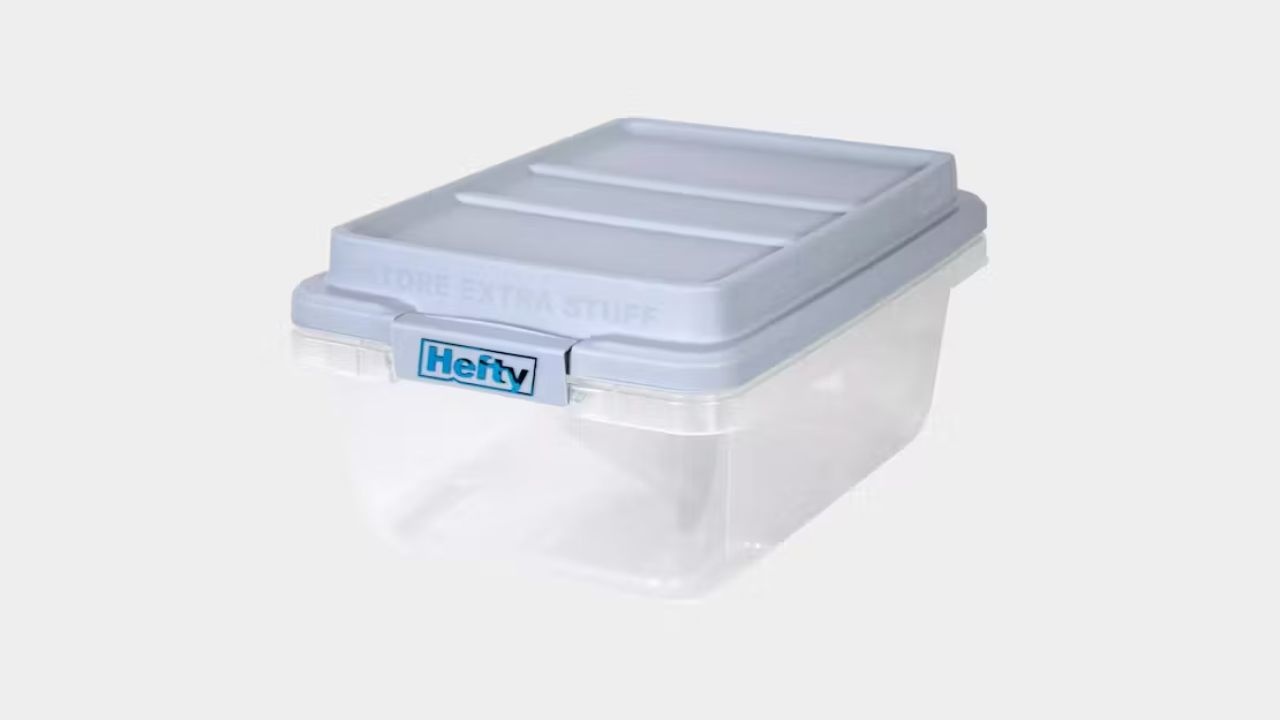
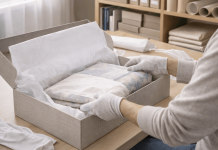
A sturdy option like the Hefty Hi-Rise Storage Bin With Lid keeps bulky items supported and covered. Good storage prevents breakage better than last-minute repairs. Keep sets complete and surfaces protected. Store by use, not by vague labels.
Keep Small Parts From Getting Lost
Small parts and accessories survive longer when you stop mixing them into junk drawers. Keep batteries and screws in containers you can grab fast. Label the top so you identify items at a glance.
Lost parts trigger replacements even when the main item still works. Keep one spare set of the most used parts in the same box. This prevents half-working setups in the home.
Store Seasonal Gear After Cleaning And Drying
Seasonal items last longer when you clean and dry them before storage. Wipe dust from fans, wash cushions, and let everything dry so moisture is not sealed in. Store soft items off the floor to avoid damp corners.
Clean before storing is the rule that prevents mildew and yellowing. Keep heavy items at the bottom so lids close evenly. Next season starts with gear.
Store Cleaning Tools So They Stay Useful
Cleaning tools need care so they do not become the source of dirt. Rinse brushes, empty canisters, and let mop heads dry before storage. Store sprays upright and keep caps tight to prevent leaks.
Dirty tools spread grime and make future cleaning harder. Create one shelf for tools so they are easy to find and return. When tools are cared for, your routines stay fast.
Conclusion
Your home lasts longer when care is simple and consistent. These tips show how to extend the life of common items without extra fuss. Start with dryness, clean early, rotate what you use, and store items with support.
Simple routines prevent waste and keep your space easier to manage. Pick one change to start this week. You will notice fewer breakages and replacements.