Busy days leave little time for housework. This guide explains everyday maintenance habits that save money. You will use short routines to prevent damage around the house.
The focus is moisture, grit, residue, and storage pressure in busy weeks. Product examples appear only when they genuinely simplify a step. You keep costs down by replacing fewer items and avoiding repairs.
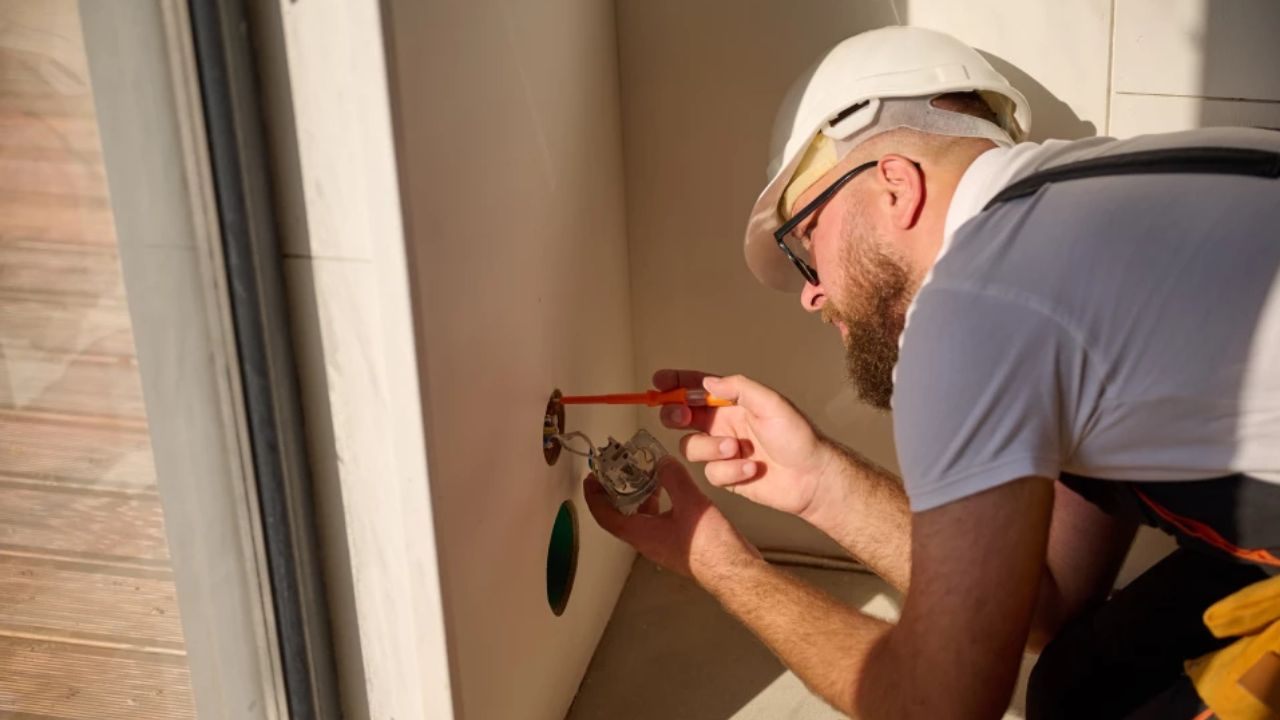
Why Daily Maintenance Saves More Than Occasional Deep Cleaning
Daily upkeep saves money because it prevents replacements. You do not need long sessions if you remove the causes of wear.

Focus on moisture, grit, residue, and storage pressure. These are repeat damage triggers that grow fast when ignored. Your goal is to keep items working, not to chase a perfect look. Two short resets usually beat one exhausting weekend cleanup.
Find The “Replacement Triggers” In Your Home
Start by noticing what you replace, then connect it to a trigger. Peeling cabinet edges often come from trapped water, not bad materials. Scratched floors often come from grit, not heavy use.
Link damage to a cause and you will know the one habit that matters. Pick one surface and one fabric area to protect first. Once that feels easy, add the next habit.
Keep Each Habit Short Enough To Repeat
A habit only saves money if you repeat it. Keep each step under two minutes and attach it to an existing routine. Wipe after cooking, dry after showering, and check floors at the door.
Friction kills consistency when supplies are hard to reach. Store a cloth and spray where you use them. Stop when your time box ends so you do not quit.
Put Supplies Where You Use Them
Keep supplies where the habit happens, not in a distant closet. Use a small caddy in the kitchen and another in the bathroom. Stock it with a cloth, a gentle spray, and trash bag refills.
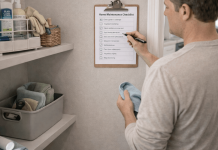
Convenient tools remove excuses when you are tired or rushed. If you hunt for supplies, the habit fades fast. Reset the caddy during your weekly scan each weekend.
Keep Moisture From Sitting Anywhere
Moisture is expensive because it causes swelling, odor, rust, and peeling finishes. You prevent most of it with drying and airflow.
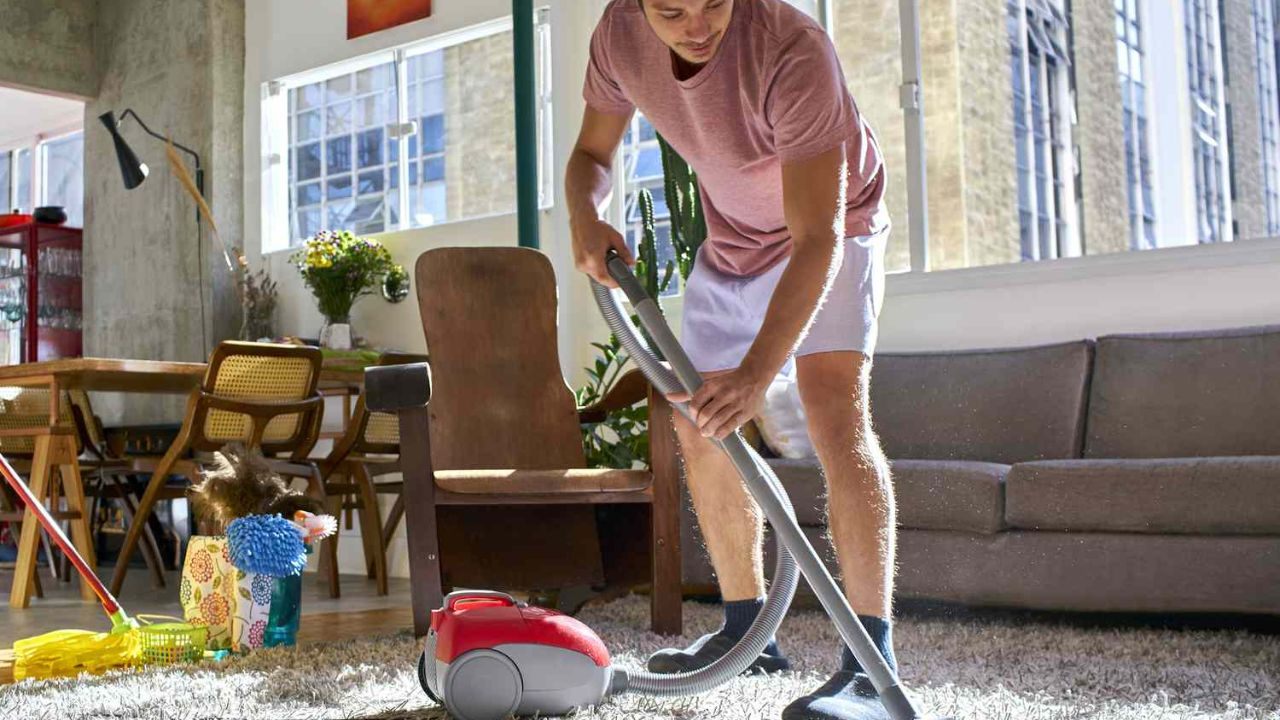
Start with the sink cabinet, shower corners, and laundry damp zones. Water sits where airflow is weak and damage starts at seams. If a closet stays musty, a DampRid Refillable Moisture Absorber can help. Treat it as backup, not a substitute for drying.
Use A Dry Then Store Rule
Use a dry then store rule for anything that holds water, like towels and bottles. Hang items open so air reaches thick sections.
Containers should sit lid off until the inside feels dry. Closed storage traps moisture and creates odor and staining. If you need speed, aim a fan toward the damp area briefly. These steps reduce rewashing and premature replacement.
Check Hidden Damp Zones Before They Escalate
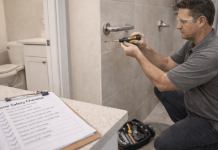
Hidden damp zones cost money because you notice them late. Check under the sink, behind the toilet, and around washer hoses during your weekly scan. Feel cabinet corners and baseboards near seams for softness or moisture.
Early spotting prevents surprises that require repairs. A Govee Water Leak Detector can alert you to slow drips. Pair the alert with a quick wipe and airflow.
Ventilate Fast After Heat And Steam
Ventilation does not need to be complicated to protect your home. After showers, run the exhaust fan longer than the shower itself. After cooking, clear steam before it settles on cabinets.
Moist air clings to cool surfaces and leaves film that attracts dirt. If a room has no fan, a Holmes Twin Window Fan can move air fast. Use it briefly, then put it away.
Remove Residue Before It Hardens
Residue becomes costly when it hardens into stains that need harsh scrubbing. Your daily goal is to remove film while it is still soft.
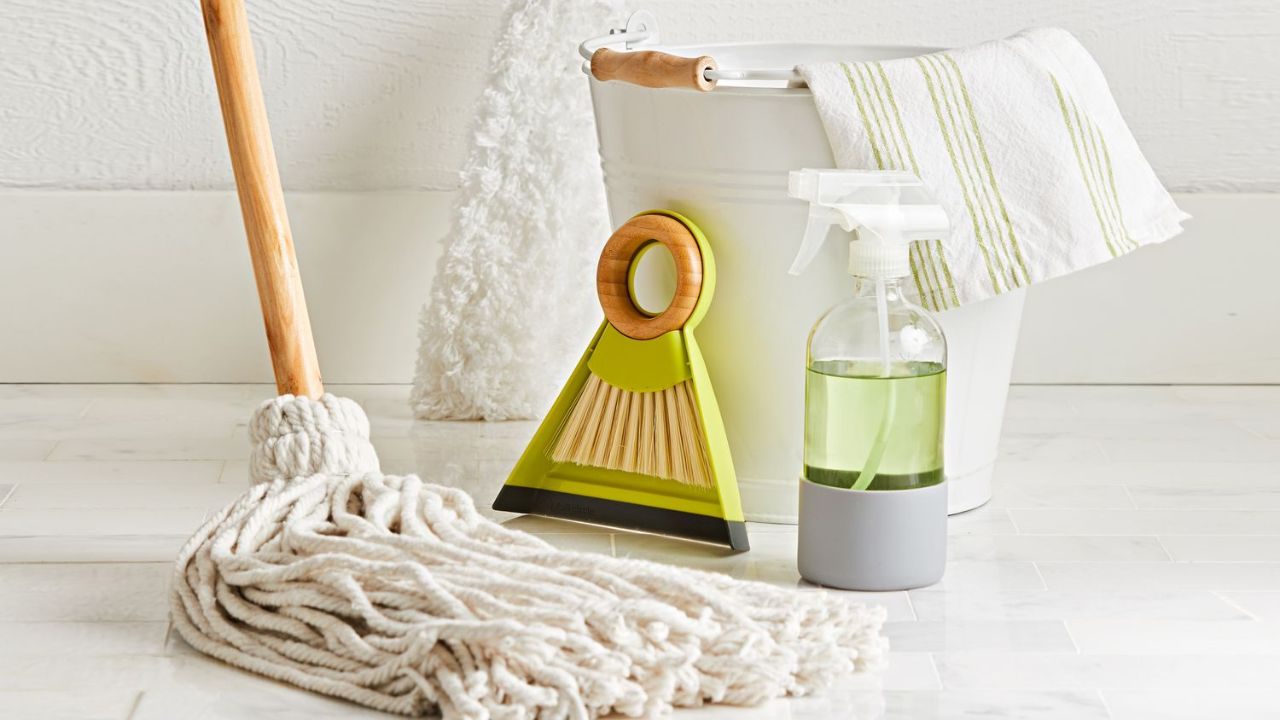
That protects finishes on counters, faucets, and appliance doors. Light pressure is safer than aggressive rubbing later.
For greasy spots that keep returning, Goo Gone Kitchen Degreaser can help. Use it sparingly, then rinse and dry the area.
Wipe High Touch Zones Instead Of Whole Rooms
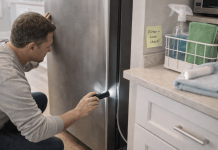
High touch zones build film faster than wide open surfaces. Wipe handles, switch plates, faucet bases, and the fridge edge where hands land. Use a damp cloth first, then a quick dry pass to remove haze.
Targeted wiping beats full-room cleaning when time is short. Amazon Basics Microfiber Cleaning Cloths grab dust without scratching. Rinse the cloth often so you do not spread grime.
Rinse And Dry To Avoid Dull Haze
Many surfaces look clean until leftover cleaner dries into a dull haze. Rinsing removes loosened residue that would otherwise settle again. Drying prevents water spots that make you clean sooner than needed.
The finish step is the payoff because it keeps surfaces smoother longer. An Ettore 10-Inch Squeegee makes shower doors and tiles quick to dry. Use it for thirty seconds, then you are done.
Spot Clean Spills Before They Set
Spills get costly when they set and ruin fabrics or rugs. Blot first at once, and avoid rubbing. Use cool water on many stains, then press with a dry towel. Fast response saves materials and reduces extra cleaning later.
For carpet spots, Folex Instant Carpet Spot Remover is a simple option. Test a small corner first, then treat only the stained area.
Reduce Friction And Grit Damage
Friction damage starts small, then adds up in floors, furniture, and tools. The cheapest fix is stopping grit before it spreads. Keep entry zones clean and avoid dragging items across surfaces.
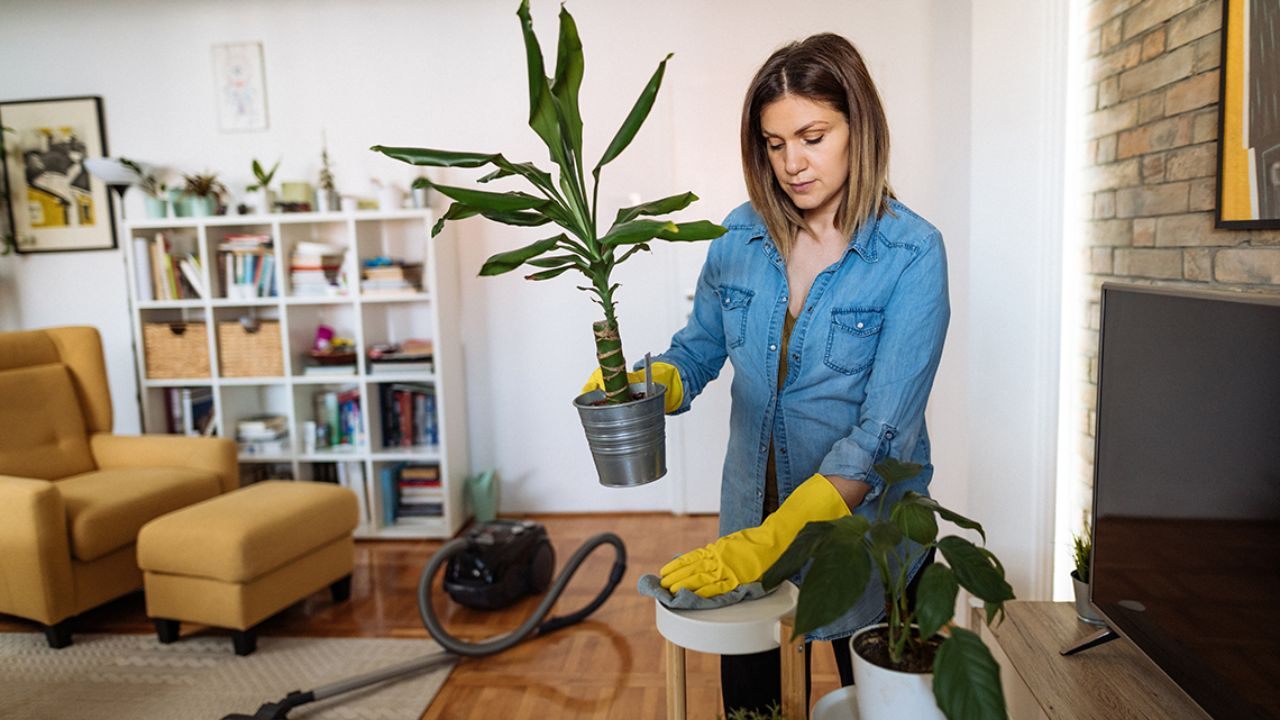
Grit is a hidden scratch tool that causes dullness and scuffs. A Mohawk Home Heavy Duty Doormat traps debris before it reaches your floors. Pair it with quick pickup, not constant mopping.
Treat The Entry Like A Filter
Treat the entry as a filter for the rest of the house. Shake the mat, empty the shoe tray, and wipe wet footprints quickly. Focus on the lane from the door to the main room since it takes abuse.
Two minutes here saves hours of floor work later. A BLACK+DECKER dustbuster AdvancedClean makes debris pickup easy. Use it on corners where brooms miss.
Protect The Contact Points That Scratch
Contact points are where friction concentrates, especially under chairs and small tables. Clean under legs once, then keep protection in place. Check stools and rolling carts because they move often and carry grit.
Prevention is cheaper than refinishing when scratches build up over months. Slipstick CB680 Floor Protectors reduce scraping without changing how you live. Replace worn pads before they fall off and expose plastic.
Move Items Without Dragging Edges
Moving items is a common moment when damage happens fast. Clear the path first so you do not pivot and drag edges.
Lift slightly when you can, and slide only on protection. Slow moves prevent sudden gouges that you cannot undo. If you live alone, break heavy loads into smaller trips. After moving, do a quick sweep of the lane to remove grit.
Store Items So They Do Not Break Or Disappear
Storage is part of maintenance because it prevents breakage, bending, and missing parts.

When items are hard to reach, you handle them fast and drop them. When bins are overfilled, corners crack and lids stop sealing.
Good storage reduces repeat buying because you can find what you own. A CRAFTSMAN VersaStack Small Parts Organizer keeps small pieces together. Use it for batteries, fasteners, and accessories.
Store By Frequency To Prevent Drops
Store by frequency so daily items are easy to grab without digging. Keep heavy items at waist height to prevent drops and shelf stress. Put less used items higher or lower, but keep them grouped.
Easy access prevents rushed handling that leads to chips and cracks. In the pantry, Sistema Klip It containers keep staples sealed and visible. That reduces spills, pests, and food waste.
Keep Sets And Accessories Together
Sets fail when pieces split up, even if the main item still works. Keep cords with devices, lids with containers, and attachments with tools. Choose one container per category so you always know where to return parts.
Completeness prevents repurchasing items you already own. A Brother P-touch PT-D210 label maker helps you label bins quickly. Labels reduce decision fatigue and keep the system consistent.
Stop Stacking Pressure From Warping Items
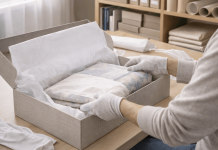
Stacking pressure destroys items, especially plastics, boxes, and soft packages. Keep heavy loads on the bottom and leave space so lids close without forcing. Stand flat items upright with dividers so they do not bend over time.
Weight management preserves shape which keeps seals tight and parts fitting. Honey-Can-Do Steel Shelving supports heavy storage without bowing. Once shelves are stable, you stop replacing warped bins.
Conclusion
You do not need a complex system to protect your home. Small daily habits protect the items you already paid for. Prioritize moisture, residue, grit, and storage pressure.
Consistency is the real savings tool when your schedule is tight. Use product upgrades only when they remove friction. With everyday maintenance habits that save money, you replace less and worry less.