A clean home does not require complex routines or dozens of supplies. This guide on how to clean and maintain household items focuses on simple actions you can repeat. You will learn room by room habits that prevent buildup, odors, and wear.
Each tip is designed for busy days and small resets. Low effort consistency wins more than occasional deep cleaning. Keep it practical and you will see steady results.
Kitchen Care That Prevents Smells, Rust, And Sticky Surfaces
Kitchen maintenance works best when you target the spots that affect cooking every day. Think in zones, not full room cleanouts, and keep the order predictable.
Start with food contact items, then move to storage, then finish with wet areas. A short routine beats a long project because you will actually repeat it. The goal is fewer surprises, not showroom shine. Use the product tips below as simple helpers.
Cookware And Utensils: Remove Residue Without Scrubbing Battles
Cookware lasts longer when you clean it while residue is still soft. Rinse pans soon after use, then wash with warm water and a gentle tool. Avoid scraping with metal because it creates damage that traps grime.
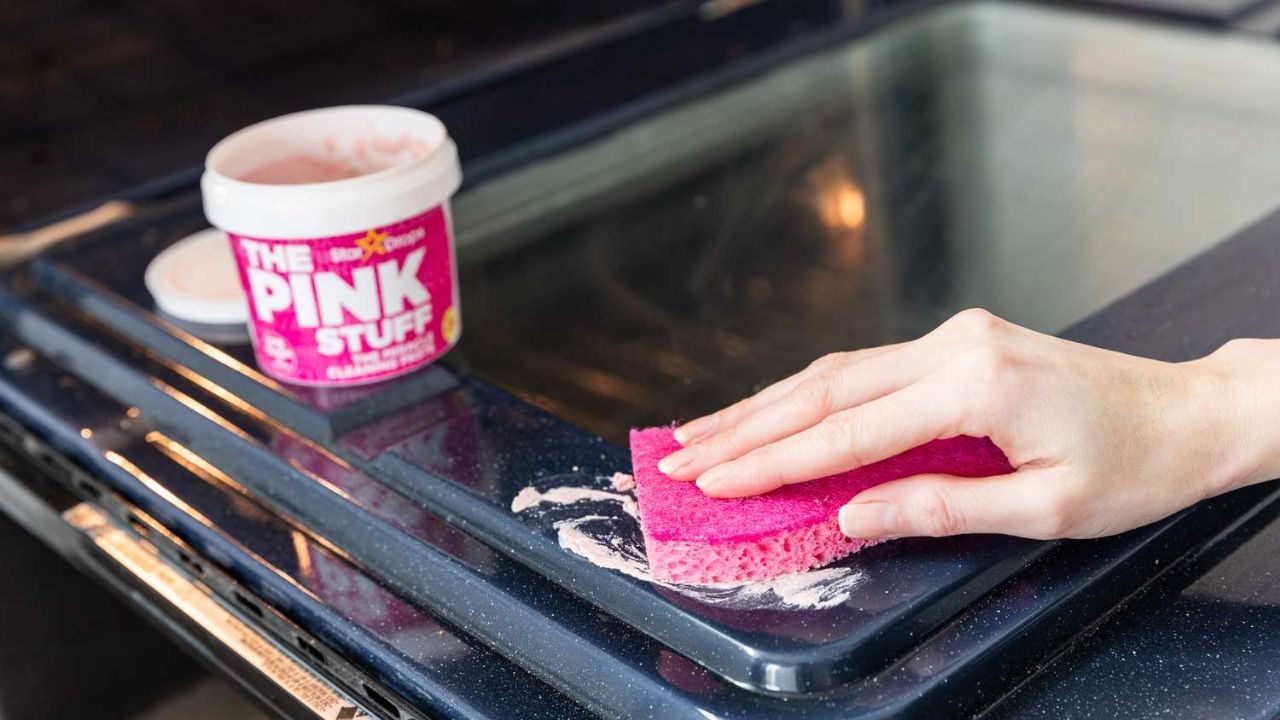
Soaking saves effort later when food sticks. For stubborn spots, use The Pink Stuff Cleaning Paste sparingly and rinse well. Dry items right away to reduce dullness and water spots.
Cutting Boards And Prep Tools: Stop Odors And Warping Early
Cutting boards get smelly when moisture stays trapped in tiny grooves. Wash boards quickly, then stand them upright so both sides dry. Do not leave them flat on a wet counter because that invites warping.
Drying is the real maintenance step most people skip. If odors linger, use Burt’s Bees Cleaning Vinegar to wipe and air out the board. Store boards with airflow so they stay stable.
Fridge And Pantry: Keep Food Storage Simple And Visible
Most fridge mess comes from hidden spills and forgotten containers. Use a weekly habit of clearing one shelf and wiping sticky spots. Keep leftovers in clear containers so you see what needs to be eaten first.
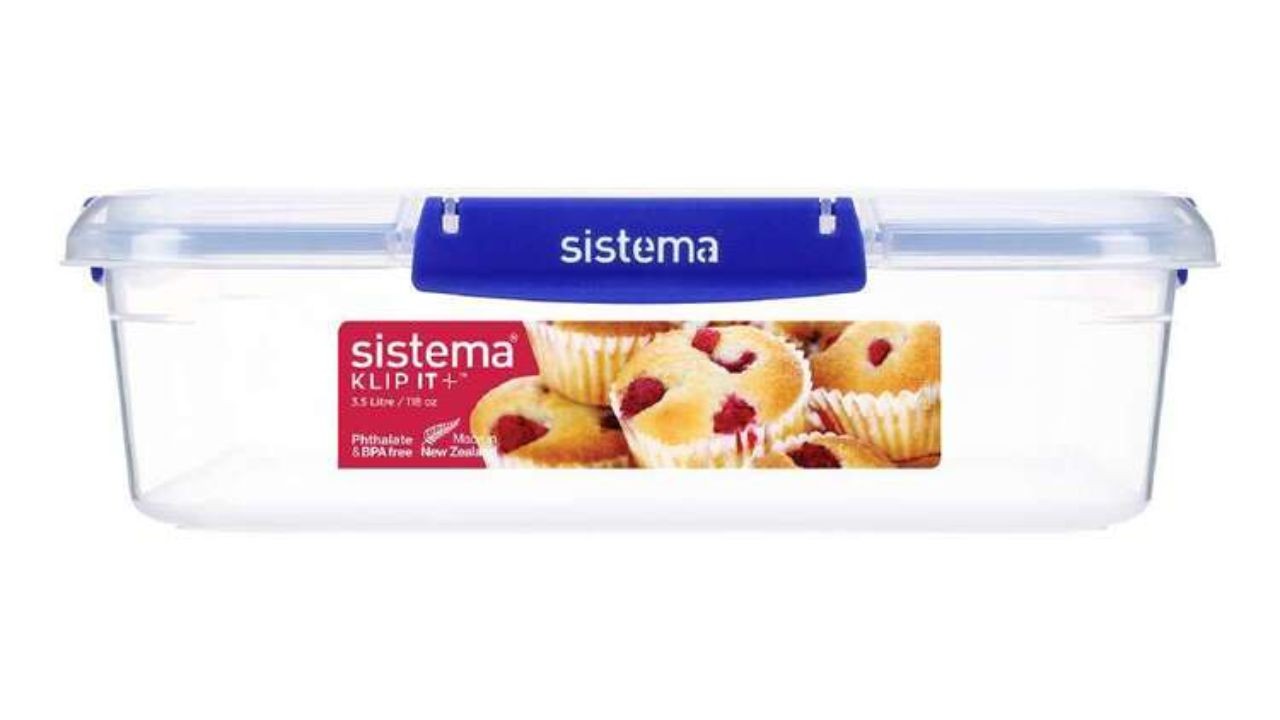
Visibility prevents waste better than buying more groceries. For easy organizing, use Sistema KLIP IT Containers for snacks and staples. Group similar items so restocking stays fast.
Sink And Trash Zone: Prevent The Smells That Spread Fast
The sink and trash area create most kitchen odors when they stay damp or dirty. Wipe the faucet base and sink rim after cooking because grime collects there quickly.
Empty trash before it overfills so the lid and rim stay cleaner. Touch points hold hidden grime even when the room looks fine. Use Palmolive Ultra dish soap for quick wipe downs of the sink and nearby surfaces. Dry the area to stop film.
Bathroom Care That Reduces Buildup Without Harsh Steps
Bathrooms feel hard to maintain when you wait for film, spots, and odors to settle in. Keep the routine focused on water control, quick wiping, and airflow.
You do not need to scrub every time, but you do need frequent small resets. Moisture is the main enemy in most bathrooms.
The tips below help you stay ahead of buildup without turning cleaning into a weekly event. Keep it simple and repeatable.
Shower Walls And Glass: Prevent Film With A One Minute Finish
Soap film builds when water dries and traps residue on surfaces. After a shower, rinse quickly, then remove water from the main splash areas. This reduces spots and makes your next clean much easier.
A fast finish saves scrubbing later. Keep an Unger Professional Squeegee in the shower so the step feels automatic. Focus on the glass and the tile line where water sits longest.
Sink And Counter: Stop Rings And Smears With Light Upkeep
Sinks get messy fast because toothpaste, soap, and water sit together. Wipe the sink and counter after brushing, especially around the faucet base.
Avoid letting puddles dry because rings form and become harder to remove. Quick wipes protect the finish and keep the space looking tidy.
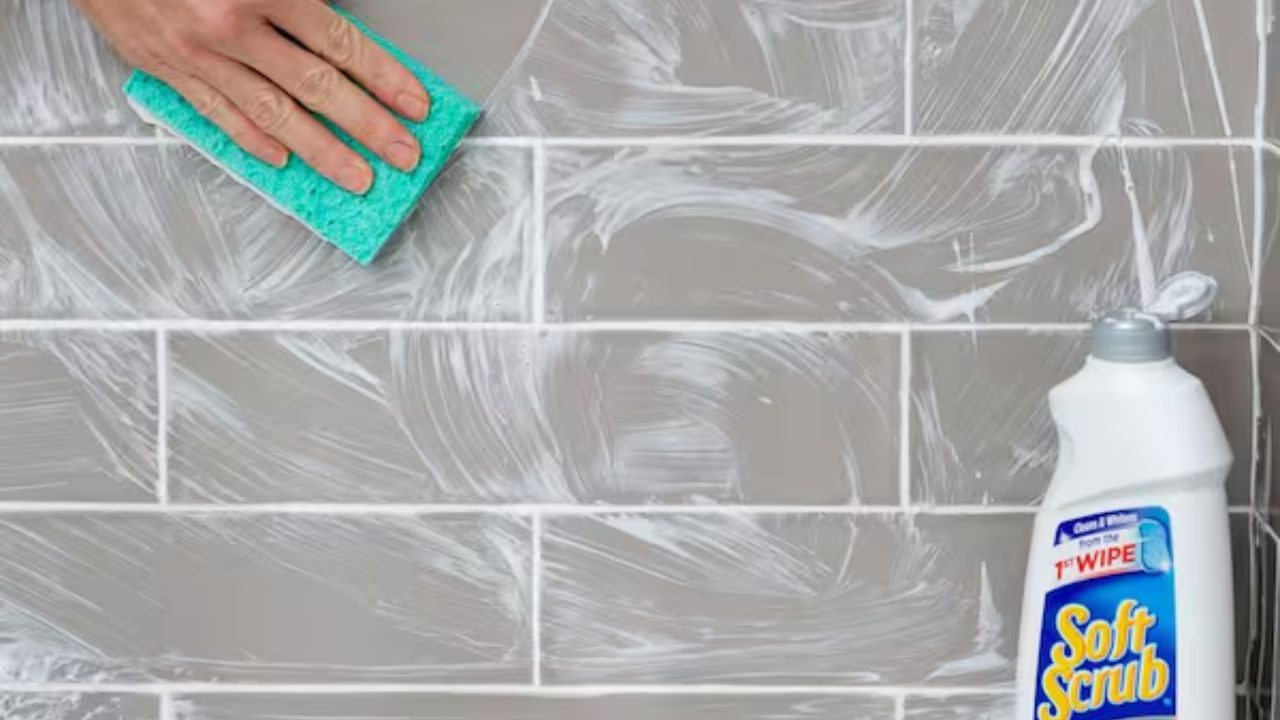
Use Soft Scrub All Purpose Cleanser on a damp cloth for weekly cleanup. Rinse thoroughly and dry for a smoother look.
Toilet Exterior And Floor Edge: Clean The Areas That Cause Odor
Many bathroom smells come from the toilet exterior and the floor around it. Wipe the seat hinges, the handle area, and the base edges where dust sticks.
Do not ignore the floor line behind the toilet because it traps grime. Edges create lingering odor even when the bowl is clean.
Use Microban 24 Sanitizing Spray on a cloth for these contact zones. Let surfaces dry fully before putting items back.
Towels And Mats: Keep Them Fresh By Managing Dry Time
Towels and mats get musty when they stay damp between uses. Hang towels flat so air can move through the fabric. Rotate mats so one can dry while the other is used. Airflow prevents musty smells more reliably than heavy fragrances.
If you need a quick refresh, use Zero Odor Fabric Eliminator on towels or mats after they dry. Wash items on a steady schedule before odors build.
Bedroom And Closet Care For Clothes And Linens
Bedroom care stays simple when you reduce clutter and protect fabrics from stress. Clothing damage often comes from overstuffing, rough washing, and storing items while damp.
Linens wear out faster when they are not aired and rotated. Small habits prevent replacements and keep your space feeling fresh.
Focus on spacing, gentle laundry choices, and quick fixes that stop damage from spreading. The sections below keep maintenance realistic.
Laundry Rhythm: Protect Fabric With Better Sorting And Drying
Laundry gets easier when you reduce mistakes that cause fading and stretching. Sort heavy items away from delicate fabrics so friction stays low. Turn darker clothing inside out to slow wear on the outside surface.
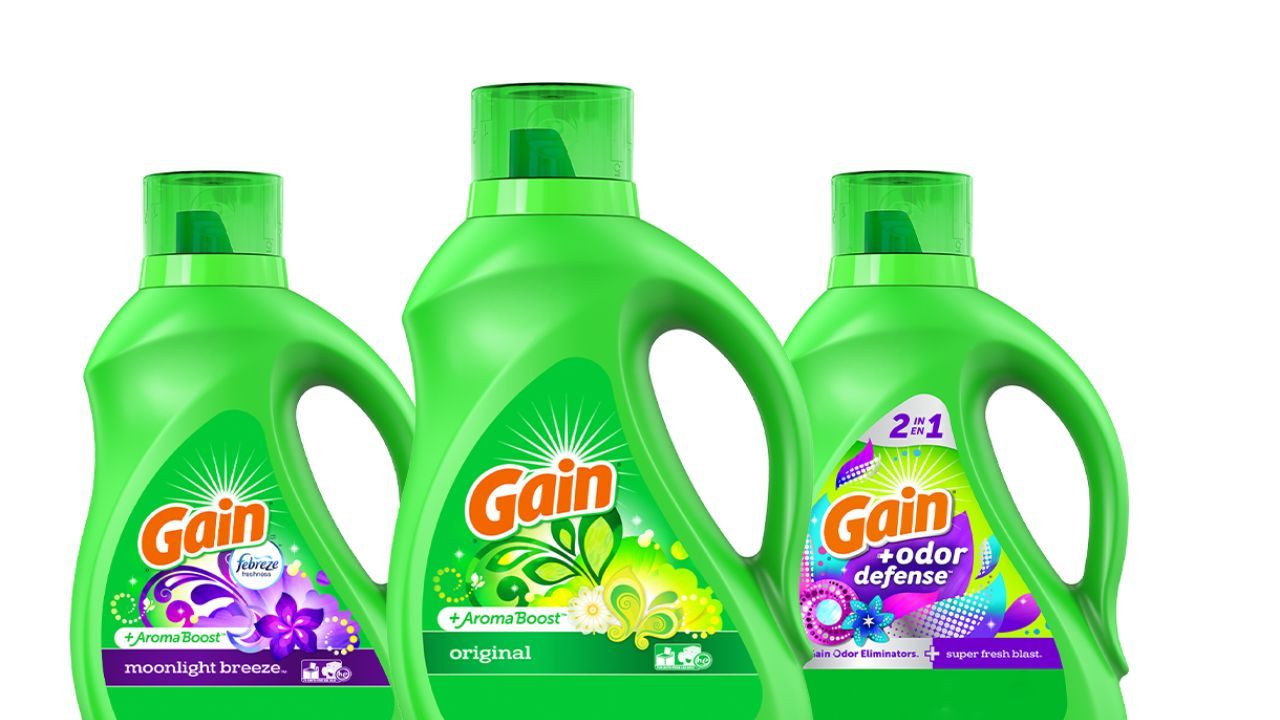
Overloading causes rough washing and makes clothes rinse poorly. Use Gain Original Laundry Detergent in the right amount, not extra, to avoid residue. Dry items fully and remove them promptly to reduce wrinkles.
Closet Space: Reduce Wrinkles By Fixing Overstuffing
Closets look messy when clothes are crammed and hangers cannot move. Give hanging items enough room so fabric does not bunch and crease. Fold knits and heavier sweaters so they do not stretch on hangers.
Space makes care easier because you can see and access items without pulling. Use a Honey-Can-Do Hanging Closet Organizer to separate daily categories. Keep one shelf for off season items to reduce clutter.
Mattress And Pillow Basics: Keep Comfort Without Special Gear
Beds collect sweat and dust even when sheets look clean. Wash bedding regularly and air the room so moisture does not stay trapped. Rotate pillows and give them time to fluff back up.
Protection prevents permanent stains that shorten the life of a mattress. Use a Linenspa Mattress Protector as a simple barrier that is easy to wash. Keep the bed dry and well ventilated to avoid odors.
Quick Stain And Repair Habits: Save Items Before They Decline
Small stains and loose threads become permanent problems when you wait. Treat marks quickly with cold water and blotting instead of aggressive rubbing. Fix loose buttons early so the fabric does not tear further.
Fast fixes save clothing and reduce the urge to replace items. Use Carbona Stain Devils that match the stain type for targeted cleanup. Keep a small repair kit in one drawer so the habit sticks.
Entryway And Living Areas That Stay Tidy With Small Resets
Living spaces stay manageable when you control dirt at the door and give items one home.
The biggest issue is daily traffic, which spreads dust and creates clutter fast. You do not need a perfect system, but you do need consistent drop zones and quick clean passes.
A small reset prevents chaos in busy homes. Focus on entry floors, soft surfaces, and the small items that disappear. Keep the steps light.
Entry Floors: Stop Dirt Before It Reaches The Whole Home
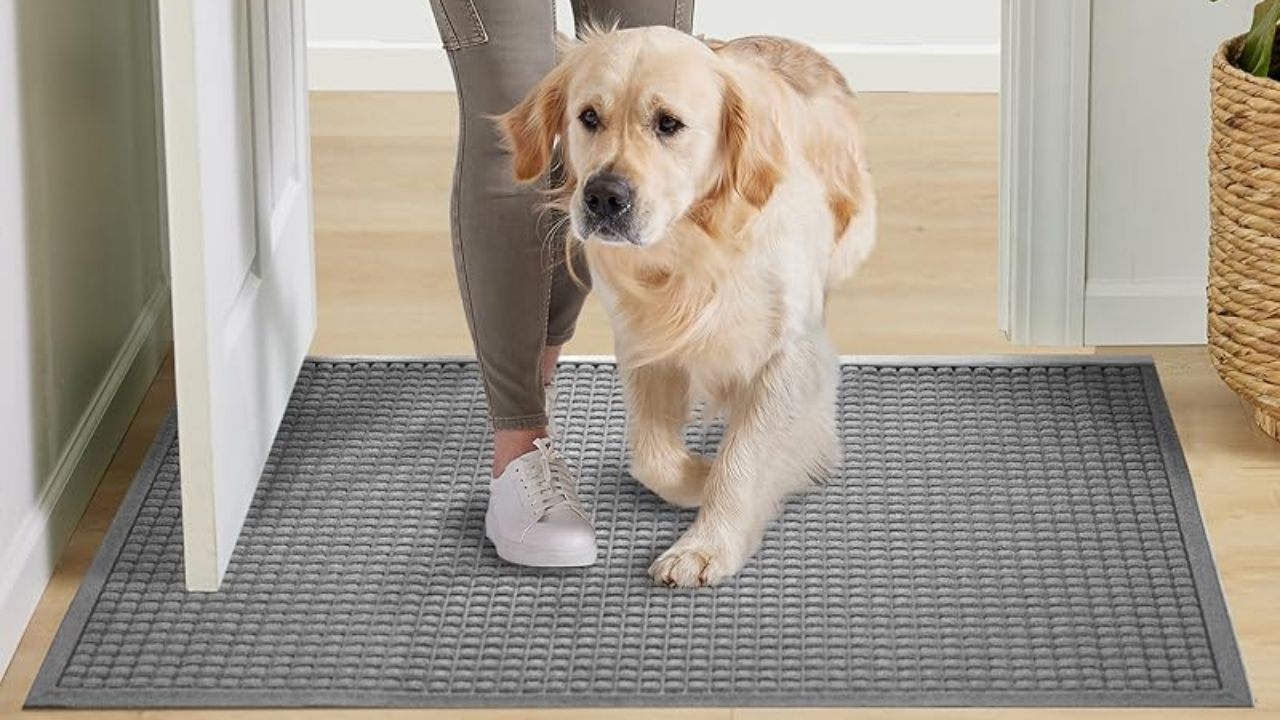
Most floor grime enters through the doorway, then spreads across the house. Use a durable mat and clean it often so it keeps working. Vacuum the entry path first because that area collects the most grit.
Target the first ten steps and you reduce overall floor cleaning later. Choose a Gorilla Grip Original Doormat to trap dirt before it travels. Wipe wet footprints quickly so they do not leave dull marks.
Living Room Surfaces: Dust Without Turning It Into A Project
Dust builds on shelves, tables, and screens because the room is used constantly. A weekly wipe is usually enough if you keep clutter low. Move items in one sweep, wipe, then return them.
Less clutter means faster cleaning because you wipe in straight passes. Use Pledge Clean It Dusting Spray on a cloth for quick surface care. Avoid soaking surfaces so you do not leave residue or rings.
Upholstery And Rugs: Keep Soft Items Fresh With Light Maintenance
Soft surfaces look worn when crumbs and dust settle into seams. Vacuum cushions and rug edges weekly because that is where buildup hides. Blot spills right away so stains do not spread and set.
Blotting beats scrubbing because it protects fibers and avoids pushing stains deeper. Use Rug Doctor Spot and Stain Remover for small rug accidents when needed. Let areas dry fully before sitting or walking.
Small Item Control: Keep Keys, Chargers, And Mail From Piling Up
Small items create daily stress when they have no consistent home. Set one tray or bin near the door for keys, wallet, and earbuds. Keep a separate folder for mail and empty it weekly.
One landing spot reduces searching and prevents items from getting damaged under clutter. Use a Brother P-touch Label Maker to label the bin and folder so others follow the system. Reset the spot nightly for smoother mornings.
Conclusion
The best care plan is the one you can repeat without thinking. This guide on how to clean and maintain household items is built around short routines that prevent bigger problems.
You do not need to buy many supplies, but you do need a consistent order. Small steps add up when you do them weekly. If you fall behind, restart with one room and one quick reset. Keep it practical and progress stays steady.