A home routine does not need gadgets or complex schedules. This guide on how to care for items without overcomplication focuses on small actions you can repeat. You will learn care habits for the rooms you use most.
Each tip reduces wear, odors, and replacements. Practical maintenance beats perfect cleaning when time is tight. Use these ideas to keep your home smooth.
Kitchen Care That Prevents Smells, Rust, And Waste
Kitchen care is easiest when you focus on habits that prevent messes. Keep one dish soap that rinses clean, such as Seventh Generation Free and Clear, and skip extra bottles.
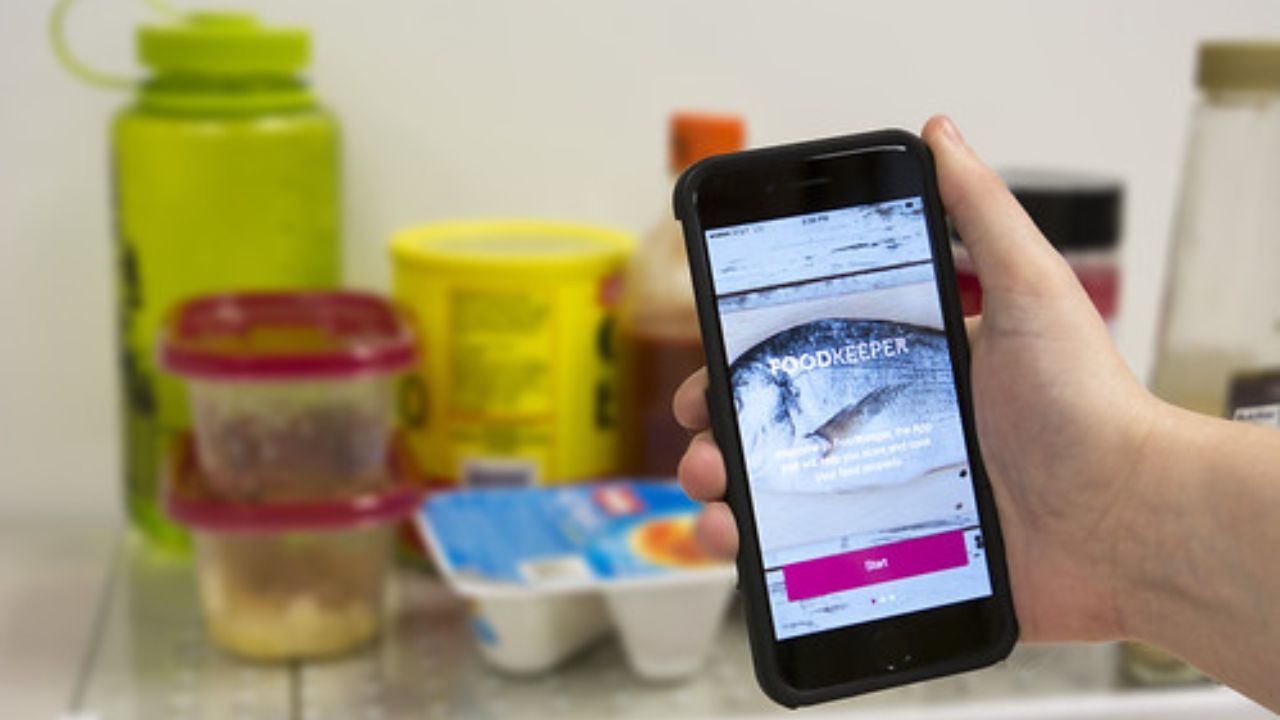
Use the USDA FoodKeeper app to cut leftover guesswork. Simple kitchen systems save time because you fix issues early. You waste less food and replace fewer tools. Keep the routine light and repeatable.
Dishes, Sponges, And Towels Without The Fuss
After dishes, your sponge and towel decide whether odors return. Rinse the sponge, squeeze it dry, and store it upright so air can move. Swap sponges regularly and do not try to stretch them past their useful life.
Drying beats deodorizing in most kitchens. Hang towels fully open, not bunched on a hook. If smells persist, wash towels hot and let them dry completely.
Pan And Knife Care That Adds Years
Pans and knives last longer when you treat them gently after use. Wash, then dry right away so water spots do not build. Avoid leaving knives in the sink where edges hit metal.
Quick drying prevents rust better than special products. Use a cutting board and store knives so blades do not rub. For stuck food, soak and wipe instead of scraping.
Fridge And Pantry Habits That Reduce Spoilage
Food waste often comes from not seeing what you already have. Put leftovers at eye level and move older items to the front.
Wipe spills right away so sticky spots do not spread. Visibility reduces spoilage more than buying containers.
In the pantry, group snacks, baking items, and staples so you stop double buying. Once a week, toss expired items and reset one shelf.
A Weekly Reset That Keeps Cooking Easy
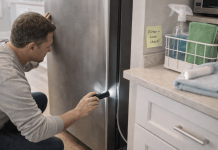
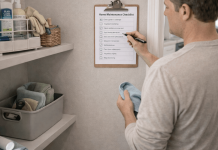
A weekly check prevents problems that turn into chores later. Empty the trash, then wipe the lid and rim. Check the fridge door for crumbs and wipe the seal so it closes fully.
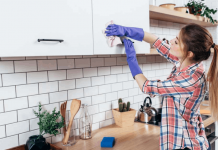
Tiny checks prevent big cleanups when cooking gets busy. Rinse the sink and wipe the faucet base where grime collects. Finish by clearing a counter zone for tomorrow.
Bathroom Care That Prevents Buildup Without Harsh Steps
Bathroom buildup is easier to prevent than to fight once it hardens. Keep a daily spray like Method Daily Shower Spray to reduce soap film between cleans.
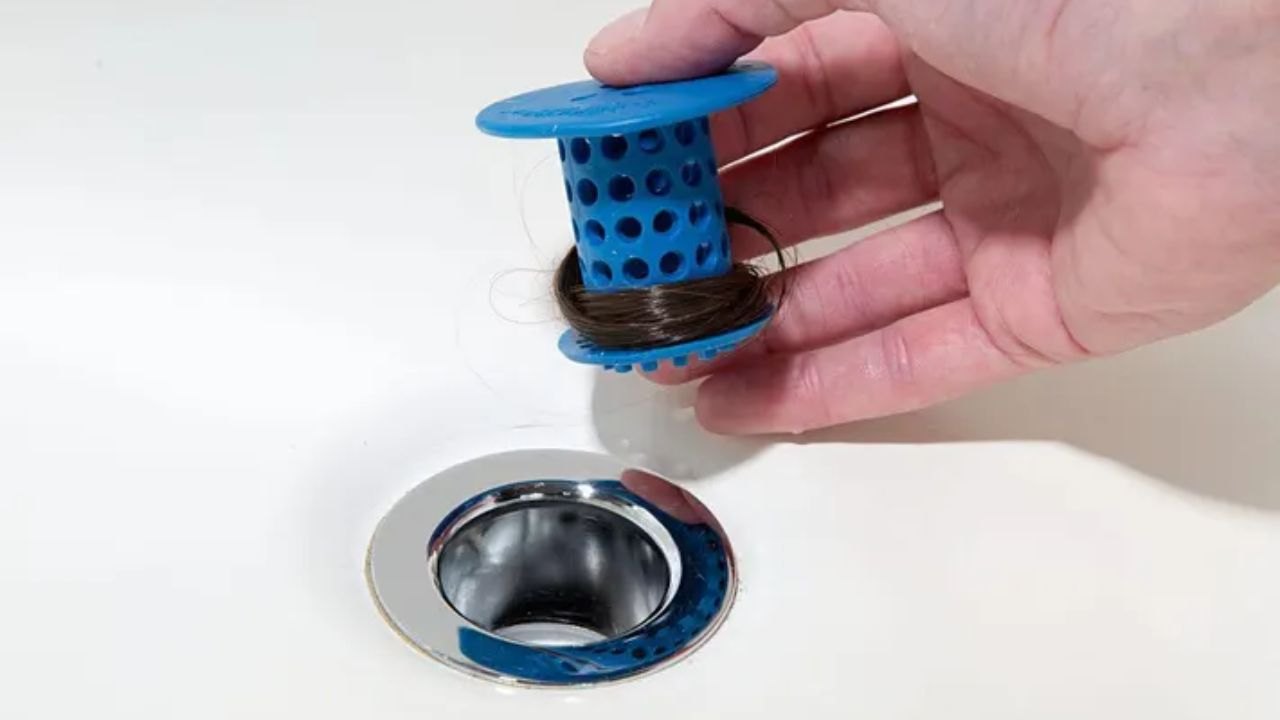
Add a drain catcher such as TubShroom to limit hair clogs. Prevention keeps the room fresher with less scrubbing. Your goal is short resets, not perfect shine. Maintain surfaces weekly and cleaning days stay shorter and calmer.
Quick Shower And Sink Resets
After a shower, the fastest win is removing water before it dries into spots. Use a squeegee or towel to pull water off glass and tile. Wipe the sink rim where soap collects. One minute resets reduce the need for scrubbing later.
Leave the curtain or door open so surfaces dry faster. If you use a spray, apply it after rinsing while walls are wet.
Toilet And Drain Habits That Prevent Problems
Toilets and drains get worse when you wait for stains or slow flow. Brush the bowl lightly a few times a week. Clear hair from the catcher before it packs down. Small maintenance prevents clogs that lead to backup and extra cost.
Rinse the drain with hot water after you remove hair. If odors linger, wipe around the toilet base and clean the overflow hole.
Towel And Mat Care That Stops Odors
Towels and mats can make a bathroom smell dirty if they stay damp. Hang towels flat so air reaches the fabric. Rotate bath mats and let them dry between uses. Dry time is your odor control more than sprays.
Wash towels before they smell, not after. Shake out mats and wash them on a simple schedule. Keep an extra set so drying is never rushed.
Storage And Ventilation That Keep The Space Simple
Clutter makes bathrooms harder to clean because you must move items first. Keep items on the counter and store the rest. An adhesive shower caddy from iDesign lifts bottles off the tub edge.
Clear surfaces clean faster because you wipe once, not around objects. Run the fan during showers and after. If there is no fan, open the door or window to reduce moisture.
Bedroom And Closet Care For Clothes And Linens
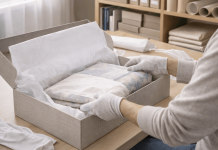
Clothing and linens last longer when you reduce friction, heat, and moisture. A helper like IKEA SKUBB boxes keeps items sorted without overstuffing drawers.
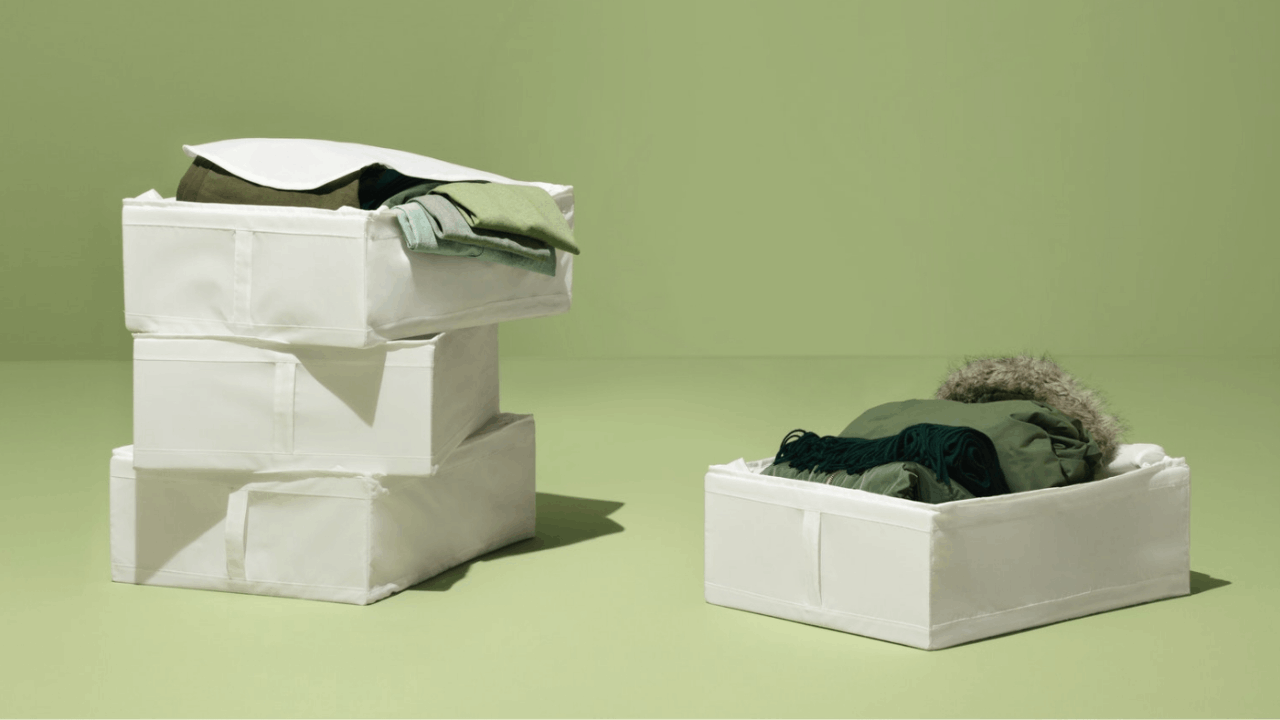
It becomes easier to put things away the same way each time. Gentle handling prevents wear more than fabric sprays. You do not need special cycles for better results. You need steady habits that protect fibers and keep closets breathable.
Laundry Habits That Protect Fabric
Laundry is easier when you prevent damage before it happens. Sort by weight and color so zippers and denim do not rub against softer items. Turn graphic tees and dark items inside out to slow fading.
Overloading is the hidden problem that causes stretching and poor rinsing. Use the right amount of detergent and rinse well. When possible, air dry items that lose shape easily.
Closet Storage That Prevents Wrinkles And Damage
Closet care is mostly about space and airflow. Give hanging clothes room so shoulders keep shape and fabric does not crease. Fold knits instead of hanging them so they do not stretch.
Breathing room prevents musty smells in warm seasons. Keep shoes off the closet floor if moisture is an issue. If you cannot slide items easily, remove a few and donate.
Mattress And Pillow Care Without Special Gear
Mattresses and pillows need basic care to stay comfortable and clean. Use a washable protector and clean it on schedule, not just when something spills. Rotate the mattress a few times a year so wear stays even.
Even wear extends comfort and can delay replacement. Fluff pillows often and wash covers regularly. If you can, air bedding near a window to reduce trapped moisture.
Simple Fixes That Prevent Early Replacement
Small problems become permanent when you ignore them. Treat stains quickly with cold water and mild soap, then blot instead of rubbing.
Check care labels so you do not ruin fabric with heat. Fast action saves garments more than strong chemicals.
For tricky stains, a reference like The Spruce guides can help. Sew loose buttons early and trim stray threads so damage does not spread.
Living Room And Entryway Care For Daily Wear Items
Living rooms and entryways take daily wear because everything passes through them. The easiest care plan focuses on floors and the small items you grab.
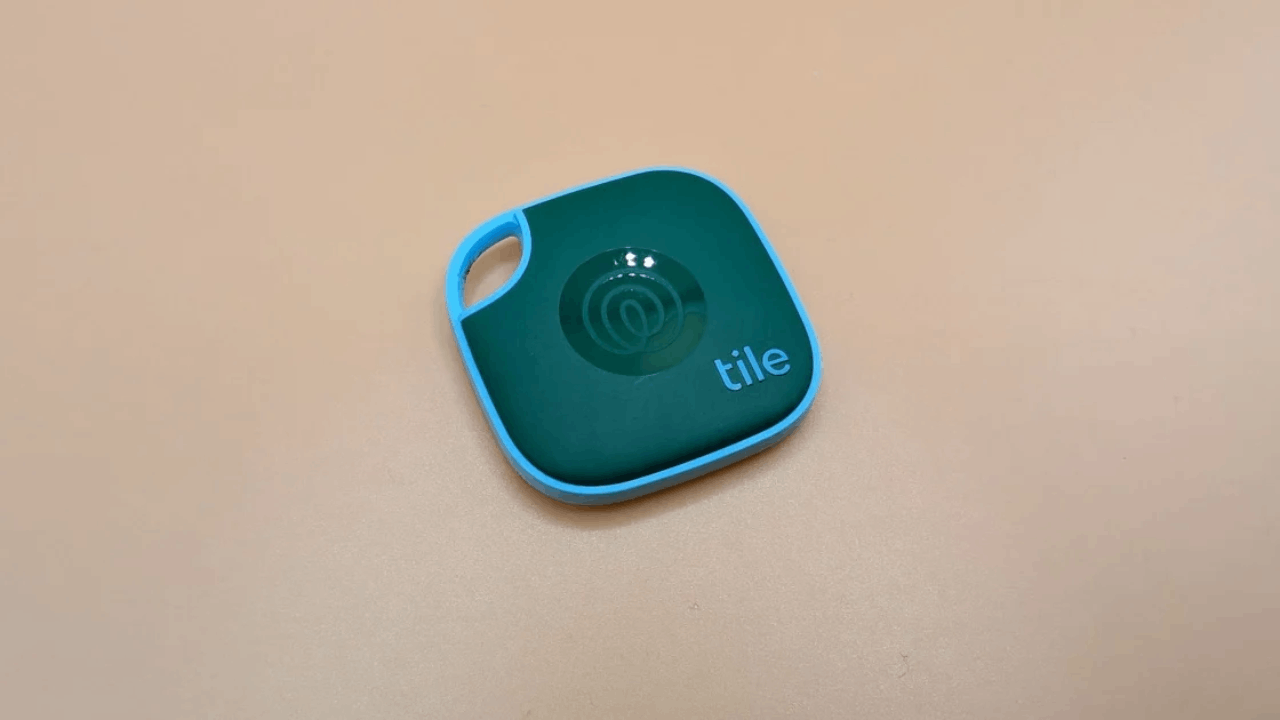
A tracker like Tile Mate can reduce loss. Daily friction creates damage when you step over clutter or drop things. You do not need new decor to fix this. You need drop zones and cleaning passes that fit your day.
Floors And Rugs With Minimal Effort
Floors stay cleaner when you stop dirt at the door. Use a doormat outside and inside, and shake them out on a schedule. Vacuum high traffic paths first, then the edges, so you cover the worst areas fast.
Targeted passes save effort compared with slow full room cleaning. For spills, blot right away and use water before cleaners. Rotate small rugs so wear stays even.
Upholstery And Throws Without Overcleaning
Soft surfaces last longer when you remove dust before it sinks in. Vacuum cushions and seams weekly, then rotate cushions.
Wash throw blankets on a gentle schedule and dry fully. Light upkeep prevents deep cleaning that can fade fabric.
Spot clean stains with mild soap and a damp cloth. Keep pets on one throw so the main upholstery stays protected.
Keys, Wallets, And Bags: A System That Prevents Loss
Lost items usually come from not having one landing spot. Place a tray near the door for keys, wallet, and earbuds. Hang bags on one hook so straps do not pile on chairs. One drop zone reduces stress and protects items from falls.
If you use Tile Mate, attach it to keys for quick finding. Reset the spot nightly so mornings start clean.
Quick Organization For Mail, Cords, And Remotes
Small clutter piles become cleaning blockers if you ignore them. Keep a basket for mail and empty it weekly.
Store remotes in one bin so they do not disappear under cushions. Containment beats constant searching when you share space with family.
Loop cords neatly and keep chargers in one drawer. Do a five minute reset before bed so the room is ready tomorrow.
Conclusion
Care feels easier when you stop trying to do everything at once. Pick routines that fit rooms and repeat them until they feel automatic. This approach shows how to care for items without overcomplication using resets.
Consistency protects your budget because replacements happen less often. Keep products limited and habits clear. When you fall behind, restart with one surface for a minute and build back.